Makeup for Art Gallery Openings: Look Polished, Modern & Gallery-Ready
Makeup for art gallery openings: Find the right look for gallery lighting. Get tips for polished, modern skin, statement lips or eyes, and occasion-matching.

Estimated reading time: 12 min
Key Takeaways
- Art gallery opening makeup should appear polished, fresh, and modern—never overpowering.
- Balance statement features: choose either a bold lip or defined eye, not both.
- Gallery lighting flatters natural, radiant skin finishes and well-chosen color accents.
- Adapt classic looks (soft glam, no makeup makeup, date night makeup look) for the art event setting.
- Personalize your look with tools like Makeup Check AI for tailored recommendations and virtual try-ons.
Table of Contents
- Section 1: The Unique Demands of Gallery Opening Makeup
- Section 2: Everyday Natural Makeup Look—The Artful Base
- Section 3: Choosing Between Statement Lips and Defined Eyes
- Section 4: Color Choices That Photograph Well in Gallery Lighting
- Section 5: Matching Makeup to Your Art Gallery Outfit
- Section 6: Adapting Popular Looks for Gallery Openings
- Conclusion
- FAQ
Section 1: The Unique Demands of Gallery Opening Makeup
Understanding the Setting: Lighting, Art, and Social Vibe
Art gallery openings blend sophisticated socializing with creative ambiance. Lighting is often diffuse, bright, and designed to showcase artwork—not faces. This lighting can be unflattering to heavy or overly shimmery makeup, emphasizing texture and intensifying colors. Unlike candlelit dinners or soft-lit parties, gallery lighting is typically designed to mimic daylight or spotlight intensity, which can flatten the face and exaggerate imperfections if makeup isn’t thoughtfully applied.
- Lighting: LED or halogen spotlights, cool and neutral tones. These lights can make foundation oxidize or highlight areas of dryness, so prepping and choosing the right finish is crucial.
- Backdrop: White walls, eclectic artwork, and minimalistic decor. The minimalist environment means your look becomes part of the visual landscape—think of yourself as both guest and subject.
- Vibe: Modern, chic, refined; attendees include artists, collectors, and style-conscious guests. Expect conversations that shift from art critique to fashion—your appearance will be noticed as part of the occasion.
Refined but Expressive: The Gallery-Opening Aesthetic
Gallery makeup should be polished but never theatrical. The goal is to enhance your features with a fresh, modern finish—think everyday natural makeup look elevated with a creative accent. Avoid anything that competes with the artwork or looks "overdone" under bright lights. For example, a bold neon eyeliner may feel fun elsewhere but could appear discordant in the refined, art-centric setting of a gallery. Instead, opt for subtle nods to creativity—perhaps a unique lip shade or a soft wash of color on the eyes.
- Skin should appear radiant, not cakey or matte-heavy. Over-powdering can create a mask-like effect, while heavy creams might melt under spotlights.
- Accents (lips, eyes, cheeks) should be intentional but not overpowering. Try a strategic pop of color: a single swipe of colored mascara, a diffused berry cheek, or a modern matte lip.
- Glitter and intense shimmer are best avoided; opt for subtle sheen or satin. A touch of cream highlighter on the high points of the face is often enough to catch the light artfully without being distracting.
Why Your Makeup Matters for the Occasion
Your look should feel at home among art lovers, reflecting both personal style and respect for the creative setting. Gallery openings are equal parts social event and visual experience: your makeup is part of the overall aesthetic, so aim for balanced, harmonious beauty. In this context, your face is part of the ever-shifting gallery scene, interacting with both the artwork and other attendees. Thoughtful makeup choices convey that you are aware of the event’s atmosphere and that you value the intersection of personal style and artistic appreciation.
Consider, too, that gallery openings are often photographed for social media or press coverage. A well-chosen makeup look ensures you look as vibrant in photos as you do in person—no harsh lines, no flashback, just a soft, sophisticated finish that blends seamlessly into the gallery’s creative energy.
Section 2: Everyday Natural Makeup Look—The Artful Base
Fresh, Modern Skin for Gallery Lighting
The foundation for gallery opening makeup is skin that appears even, luminous, and healthy—not flat or masked. The everyday natural makeup look is the gold standard, updated with strategic touches for evening events. This means prioritizing skincare as much as makeup: exfoliate the night before, hydrate well, and consider a lightweight primer to smooth texture and prolong wear.
- Base: Opt for lightweight, buildable foundation or tinted moisturizer. Use concealer sparingly for targeted correction. For example, spot-conceal blemishes or redness, but let your natural skin show through elsewhere. Try formulas with light-reflecting particles for a subtle glow that isn’t greasy.
- Finish: Choose a radiant or natural-matte finish. Dewy skin can look oily in gallery lights; matte can appear flat—balance is key. If your skin is oily, set with a touch of powder only on the T-zone. If dry, use a hydrating mist to revive the finish mid-event.
- Powder: Apply translucent powder only where needed (T-zone) to avoid flashback in photos. Use a puff or small brush for precision, and avoid baking or layering on heavy powders.
Minimal Yet Impactful Eyes and Brows
For the eyes, subtlety reigns. Define the lash line with soft brown or taupe pencil, and add a light, neutral shadow for dimension. Brows should be softly structured—filled in to frame the face but not overly sculpted. For further refinement, brush through with a spoolie to soften any harsh lines.
- A single coat of lengthening mascara (avoid clumping or heavy formulas). Waterproof formulas can be a good choice if the event runs long or you’re prone to smudging, but avoid anything that creates spider lashes.
- Natural brow gel or powder for shape and definition. Choose a shade close to your natural color, and focus on filling sparse areas rather than redrawing the brow entirely.
Consider using an eyeshadow primer to prevent creasing, as gallery lighting can make oily lids more apparent. For those with hooded eyes, a matte transition shade in the crease will add dimension without looking heavy.
The "No Makeup Makeup Look"—Perfected for Art Spaces
This trend, also known as "no makeup makeup look," is especially suited to art gallery settings. Focus on:
- Sheer blush in a neutral rose or peach—apply to the apples of the cheeks and blend upward for a natural flush. Cream blushes work beautifully here, melting seamlessly into the skin and looking fresh all evening.
- Subtle highlighter on cheekbones (avoid glitter)—opt for cream or liquid formulas that impart a real-skin sheen rather than a frosted look. Dab lightly on the tops of cheekbones, brow bone, and the bridge of the nose.
- Lip balm or a hint of color for a hydrated, polished appearance. Tinted balms, sheer lipsticks, or even a touch of cream blush dabbed onto lips can finish the look with minimal effort.
This look is versatile and can be adjusted for different skin tones by altering the undertone of blush and lip color. Those with cooler undertones may prefer mauves and blue-based pinks, while warmer tones look stunning in corals or apricots. For more on smart beauty routines and technology, see AI Makeup App: The Ultimate Guide to Smarter Beauty Routines.
Section 3: Choosing Between Statement Lips and Defined Eyes
The Golden Rule: Balance, Not Competition
One of the most common questions about makeup for art gallery openings is whether to go bold or keep it understated. The answer: balance. Pick one feature to emphasize—either a statement lip or a defined eye—but never both. This approach is echoed in modern makeup trends for events from wedding guest makeup to job interview makeup. Overemphasizing both can make your look feel costume-like or dated, especially under gallery lighting, which tends to amplify colors and textures.
For example, if you choose a bold lip, keep your eye makeup minimal and neutral. If you want your eyes to be the focus, stick to a softer, nude lip. This keeps your makeup looking intentional, modern, and sophisticated—perfect for the creative but refined gallery environment.
When to Choose a Statement Lip
- Red, berry, or deep rose lips can add a pop of color, especially if your outfit is neutral. A classic blue-red is universally flattering, while deeper berries evoke a more artistic, bohemian vibe. For olive or darker skin, try brick reds or rich plums for added warmth.
- Choose a satin or matte finish—glosses can look messy in event lighting. Matte lips stay put through drinks and conversation and photograph beautifully under gallery lights.
- Keep the rest of your makeup minimal: soft eyes, light blush, clean skin. Use a touch of brown liner and a single swipe of mascara, and let your lips do the talking.
A red lip is appropriate for a gallery opening if kept crisp and paired with understated eyes. This creates a powerful, artful focal point—think "modern muse." Prep lips before applying bold color: exfoliate, hydrate, and line with a matching pencil to prevent feathering. Blot and reapply for lasting color.
When to Emphasize the Eyes
- Defined eyes work well with simple lips (nude, rosebud, or clear balm). For fair skin, taupe and champagne shades add subtle depth; for medium to deep skin, try bronze or espresso tones.
- Try a soft glam makeup approach: taupe or bronze shadow, subtle liner, fluttery lashes. Blend shadow into the crease and lightly smoke out the lower lash line for subtle drama that doesn’t overwhelm.
- Avoid heavy smoky eyes or thick winged liner, which can look harsh in gallery settings. Instead, use a smudged pencil or shadow for soft definition. Add a touch of highlighter to the inner corners to open up the eyes in photos.
For more inspiration, check out Makeup AI: Revolutionizing Beauty with Personalized Technology for tips on tailoring your look using technology. Virtual try-ons in the app can help you visualize whether a statement lip or eye works best with your features and outfit.
Section 4: Color Choices That Photograph Well in Gallery Lighting
Gallery Lighting: Friend or Foe?
Gallery lighting is designed to highlight artwork, not faces, so your makeup colors should be chosen with care. Harsh or cool lighting can wash out pale shades or make some hues look stark. The ideal look is fresh, balanced, and flattering both in-person and in photos. Even classic shades can look different under artificial light—warm pinks may appear more muted, while cool tones can be intensified. Test your makeup in similar lighting before the event, if possible.
Best Color Families for Gallery Events
- Neutrals: Taupe, soft brown, beige, and muted rose work well for eyes and cheeks. These shades flatter most skin tones and won’t compete with colorful artwork or bold outfits.
- Soft accent shades: Peach, mauve, and terracotta add warmth without dominating. Use these as blush or a single wash of color on the eyelids for interest.
- Bold accents: If you love color, try a single, saturated feature—like a fuchsia lip or cobalt liner—paired with otherwise minimal makeup. For example, a swipe of emerald green or deep plum along the lash line can read as artistic and intentional.
Reference your skin undertone and seasonal color palette for best results. Cool undertones pair well with pinks, berries, and taupes; warm undertones shine in corals, bronzes, and terracottas. You can find your perfect match with the Free Color Analysis tool from Makeup Check AI. The tool analyzes your natural coloring and recommends shades that enhance rather than overpower, ensuring your look is cohesive under any lighting.
What to Avoid Under Gallery Lights
- Heavy glitter or metallics, which reflect oddly and can distract from your features. Fine, pearlized shimmer is acceptable in small amounts, such as on the inner eye corner or brow bone, but avoid chunky glitters.
- Very dark lips or eyes, which may appear too dramatic or dated in photos. Black lipstick or heavy charcoal shadow can read as costume rather than chic unless styled with great care.
- Neon or overly trendy shades, unless your style is intentionally avant-garde. If you want to experiment, try incorporating color in a subtle way—like a colored mascara or a thin graphic liner, rather than a full neon lid.
Keep your overall palette harmonious—think soft glam makeup, not festival makeup ideas. Consistency across eyes, cheeks, and lips creates a polished, editorial finish. For more on virtual try-ons, see AR Beauty Try On: The Future of Virtual Makeup and Skincare.
Section 5: Matching Makeup to Your Art Gallery Outfit
Let Your Outfit and the Art Lead, Not Compete
One of the hallmarks of stylish gallery-goers is the ability to coordinate—never clash. Your makeup should complement your outfit and the overall vibe of the exhibition, without competing with the artwork itself. Consider the color wheel: if your outfit is in a cool palette (blues, greens, purples), opt for complementary makeup in soft taupes, pinks, or mauves. For warm outfits (reds, oranges, yellows), reach for bronzes, coppers, or corals.
- Minimalist Outfits: Add a touch of color (lip or liner) for visual interest. For example, a simple black dress pairs beautifully with a bold red lip or a swipe of teal liner on the lower lash line.
- Statement Fashion: Keep makeup pared back—focus on flawless skin and understated accents. If you’re wearing a patterned or brightly colored ensemble, a nude lip and soft brown eyeshadow ensure your look isn’t overwhelming.
- Monochrome Looks: Use a single shade family across eyes, cheeks, and lips for a chic, editorial feel. For example, dusty rose shadow, blush, and lipstick for a soft, cohesive effect that photographs beautifully.
Occasion-Appropriate Finishing Touches
Accessories and hair should also align with your makeup. If your jewelry or clothing is bold, opt for a simpler face. Conversely, a minimalist ensemble can be the perfect canvas for a creative pop of color. For instance, a slick ponytail and gold hoops call for soft, glowing skin and a neutral lip, while loose waves and delicate jewelry allow for a bolder statement lip or eye.
- For cocktail-style openings, add a touch of highlighter for subtle radiance. Use a fan brush to lightly dust powder highlighter over the tops of your cheekbones for an elegant glow.
- For contemporary art venues, try an unexpected detail—like colored mascara or geometric liner. For example, a thin white line above your classic black liner can add an avant-garde twist without overwhelming your look.
Consider texture as well: if your outfit features matte fabrics, bring balance with a touch of cream blush or satin lipstick. For glossy or sequined outfits, keep your makeup more matte to avoid competing shine.
Balance Personal Expression with the Event’s Elegance
The goal is to look like your best self, not like you’re attending a costume party or a festival (save those festival makeup ideas for later). Your makeup should elevate, not distract. For more on how to choose the right app to practice and refine your look, visit How to Choose the Right Makeup Tutorial App for Your Needs. Apps allow you to preview combinations and avoid last-minute makeup regrets, especially when experimenting with new colors or techniques.
Section 6: Adapting Popular Looks for Gallery Openings
Soft Glam Makeup: The Gallery Classic
The soft glam makeup trend—think luminous skin, softly defined eyes, and a hint of shimmer—translates beautifully for art gallery openings. It offers just enough polish (and subtle drama) to stand out, while remaining elegant and contemporary. To achieve this look:
- Lightly bronzed skin, peach or rose blush, champagne highlight—use a fluffy brush to blend bronzer along the hairline and under cheekbones for natural warmth, and layer blush over the apples of the cheeks. Champagne highlighter should be applied sparingly for a candlelit glow.
- Satin-finish lips in nude, mauve, or muted coral—these shades flatter most skin tones, are easy to touch up, and won’t distract from your outfit or the art.
- Neutral eyes with a touch of gold or bronze shadow, softly smudged liner—blend a neutral brown into the crease and press a gold shimmer onto the center of the lid. Smudge a brown pencil along the upper lash line for softness and definition.
Soft glam is forgiving and versatile: you can dial up the drama with a bolder lip or let the eyes do the talking with a little extra lash. Remember to keep everything well-blended and free of harsh lines. This look also transitions well from day to night, making it ideal if your gallery visit extends to a post-opening dinner or drinks.
Wedding Guest Makeup and Date Night Makeup Look—Gallery-Ready Versions
Both wedding guest makeup and date night makeup look routines focus on enhancing natural beauty and lasting through hours of photos and conversation. For gallery events, adapt by dialing down shimmer and keeping colors modern and wearable. Choose buildable formulas that allow you to intensify your look as needed, but always start light and layer carefully.
- Choose long-wear, non-transfer formulas for lips and eyes—liquid lipsticks, gel eyeliners, and cream shadows set with powder are excellent choices. This ensures your look stays in place through wine, hors d’oeuvres, and conversation.
- Blot and touch up as needed to stay photo-ready—carry blotting papers and a compact powder for quick T-zone fixes. Keep your lipstick or tinted balm on hand for touch-ups after eating or drinking.
- Use a setting spray to lock in your look—a few spritzes before leaving home will help your makeup withstand hours under gallery lights and in crowded spaces.
Gallery events often involve mingling and moving between rooms, so lightweight, comfortable formulas are key. Avoid anything that feels heavy or sticky, as you’ll want to focus on enjoying the art and company, not your makeup.
Makeup Looks for Beginners—Simple, Refined Routines
If you’re new to makeup or nervous about the event, start with the basics:
- Even out skin tone with tinted moisturizer—apply with fingers or a damp sponge for a seamless finish. Choose a formula with skincare benefits (like SPF or hyaluronic acid) for added confidence.
- Add a wash of color to cheeks and lips—cream blush and tinted balm are easy to blend and mistake-proof. Smile and dab blush on the apples of your cheeks, then blend upward for a lifted look. Use the same product on your lips for harmony.
- Define brows and lashes for subtle impact—brush brows upward with a tinted gel, and apply a single coat of mascara. Even minimal definition frames the face and makes you look more polished in photos.
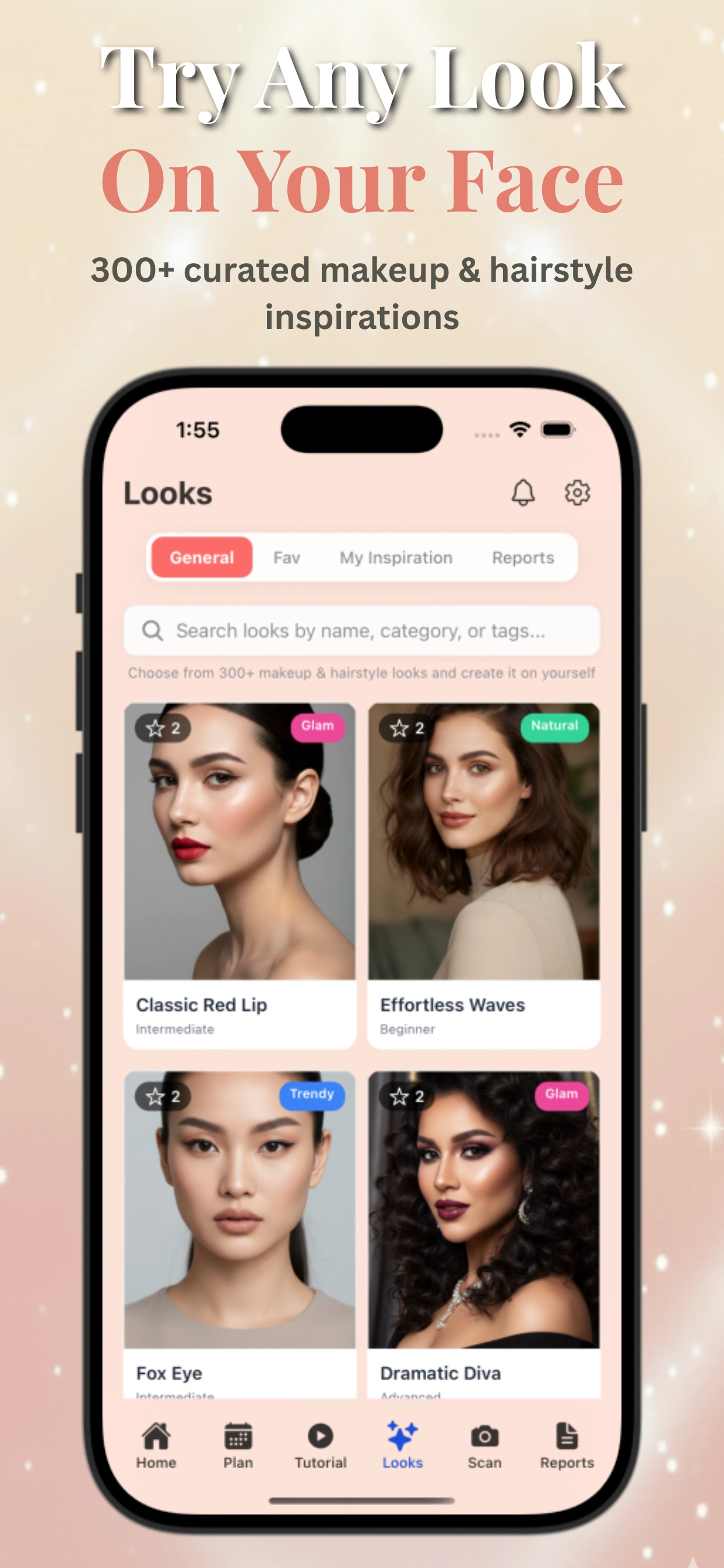
Don’t be afraid to practice beforehand. Apps like Makeup Check AI let you generate and try on 300+ looks, so you can practice until you find one that feels both comfortable and event-appropriate. Virtual try-ons help you identify what flatters your unique features and coloring, reducing day-of anxiety and ensuring you walk into the gallery with confidence.
Conclusion
Choosing makeup for art gallery openings is about harmonizing artful expression with sophisticated restraint. Whether you lean toward an everyday natural makeup look or a soft glam makeup approach, the goal is always to look polished, modern, and in tune with the creative setting. Remember: pick one statement feature, keep finishes fresh, and coordinate with your outfit for a gallery-ready result. No matter your skill level, preparation and thoughtful product choices ensure you look and feel your best among fellow art lovers.
If you want personalized advice or want to preview looks virtually, explore Makeup Check AI. With its AI-powered reports, color analysis, and virtual try-on features, you can feel confident walking into any art event—knowing your makeup is as curated as the art. The app’s ability to simulate different lighting and color scenarios makes it an indispensable tool for perfecting your gallery opening look. Embrace the opportunity to use your appearance as an extension of your appreciation for creativity and innovation.
FAQ
Q: What makeup should I wear to an art gallery opening?
A: Opt for polished, modern makeup—a radiant base, minimal eyes or a statement lip (but not both), and soft, neutral colors that complement your outfit and the gallery setting. Choose lightweight, buildable formulas that hold up under bright lights and can be refreshed easily throughout the evening.
Q: Should makeup be bold or natural for an art opening?
A: Natural makeup is best, with the option to highlight one feature (like a bold lip or defined eyes). Avoid heavy, dramatic makeup that might compete with the art or harsh gallery lighting. The goal is to look intentional and considered, not theatrical.
Q: Is a red lip appropriate for an art gallery opening?
A: Yes, a red lip is appropriate if paired with understated eye makeup and a fresh, radiant base. It adds a chic, artful focal point without overpowering your look. Prep lips carefully and choose a long-wear formula to ensure it lasts throughout the event.
Q: How do I do makeup for an evening gallery event?
A: Focus on a flawless, luminous complexion, either a statement lip or softly defined eyes, and avoid heavy glitter. Use long-wear formulas and set your makeup for lasting polish. Carry minimal touch-up products—blotting papers, lipstick, and a compact powder—for easy maintenance.
Q: What makeup looks best in gallery lighting?
A: Neutral and soft accent colors with a natural or radiant finish work best. Avoid heavy shimmer, harsh contours, or very dark tones that may look stark under gallery lights. Test your finished look in similar lighting, if possible, before the event.
Q: How do I match my makeup to an art gallery opening outfit?
A: Choose makeup shades that complement your outfit’s color palette without clashing or competing. Minimalist outfits can handle a pop of color; statement fashion pairs best with understated makeup. Use virtual try-on tools to preview and perfect your look before you go.