Repair Skin After Makeup: Restore Your Glow Overnight
Learn how to repair skin after makeup and restore your glow overnight with essential routines and expert tips.

Estimated reading time: 6 minutes
Key Takeaways
- Consistent post-makeup care supports barrier health and may help prevent long-term damage.
- Gentle cleansing and double-cleansing can help ensure more complete makeup removal.
- Hydration with ceramides, hyaluronic acid, and soothing serums is beneficial.
- Pre-makeup prep may reduce irritation and simplify recovery.
- Avoid harsh ingredients, over-exfoliation, and skipping nighttime removal when possible.
Table of Contents
- 1. Understanding the Effects of Makeup on Skin
- 2. Preventative Care Before Makeup
- 3. Immediate Post-Makeup Routine
- 4. Repair and Recovery Methods
- 5. Expert Tips & Additional Advice
- 6. Common Mistakes to Avoid
- 7. Conclusion
1. Understanding the Effects of Makeup on Skin
"Repair skin after makeup" generally refers to restoring your skin’s barrier, hydration, and clarity following cosmetic wear. Neglecting post-makeup care may contribute to dryness, irritation, clogged pores, and potentially accelerate signs of aging. For AI-driven analysis of your routine, check out Makeup Check AI, updated with current skin health algorithms.
1.1 Clogged Pores
When sebum, dead cells, and makeup accumulate in follicles, you might notice:
- Whiteheads, blackheads, and acne flare-ups
- Dull, uneven texture
- Enlarged pores over time
Incomplete removal of foundation and concealer can contribute to breakouts and a lackluster appearance, as discussed in Skincare Meets Makeup: Best of Both Worlds. Some recent sources suggest that even long-wear and waterproof formulas require careful removal to avoid pore congestion.
1.2 Dryness and Irritation
Ingredients such as alcohol-based formulas, synthetic fragrances, and certain preservatives may strip lipids, potentially leading to:
- Redness and sensitivity
- Flaking or itchiness
Restoring moisture is important to help reverse these effects. Formulations enriched with postbiotic ingredients are gaining attention for their potential barrier-soothing properties.
1.3 Accelerated Aging
Residual makeup may contribute to free radical damage, which can affect collagen and elastin. Possible signs include:
- Fine lines around eyes and mouth
- Loss of firmness
- Hyperpigmentation
Thorough removal and barrier repair may help slow premature aging. Some antioxidant-infused primers and setting sprays offer additional protection against environmental stressors post-application.
1.4 Expert Insight
Dr. Fricke recommends:
- Customizing cleansing to your skin type, considering microbiome-friendly cleansers
- Choosing makeup with supportive actives like hyaluronic acid, niacinamide, and peptides
- Understanding that makeup-infused skincare supplements but doesn’t replace a full repair routine
2. Preventative Care Before Makeup
Building a strong foundation may limit damage and simplify post-makeup recovery.
Step 1 – Cleanse
- Use a gentle, pH-balanced cleanser to remove oil and pollutants
- Creates a clean canvas for even makeup application (Why Skincare is Important for Makeup)
Step 2 – Moisturize
- Apply non-comedogenic hydrators with ceramides or hyaluronic acid
- Supports barrier function and helps prevent dryness under makeup
- Reduces friction and patchiness (Why Skincare is Important for Makeup)
Step 3 – Prime
- Choose a silicone- or water-based primer for a protective buffer
- Opt for antioxidant or peptide-enriched formulas (Benefits of Skincare-Infused Makeup)
- Consider primers with SPF 15-30 for added daytime protection, a trend increasingly popular in 2026
3. Immediate Post-Makeup Routine
Act promptly after makeup wear to support barrier recovery and hydration.
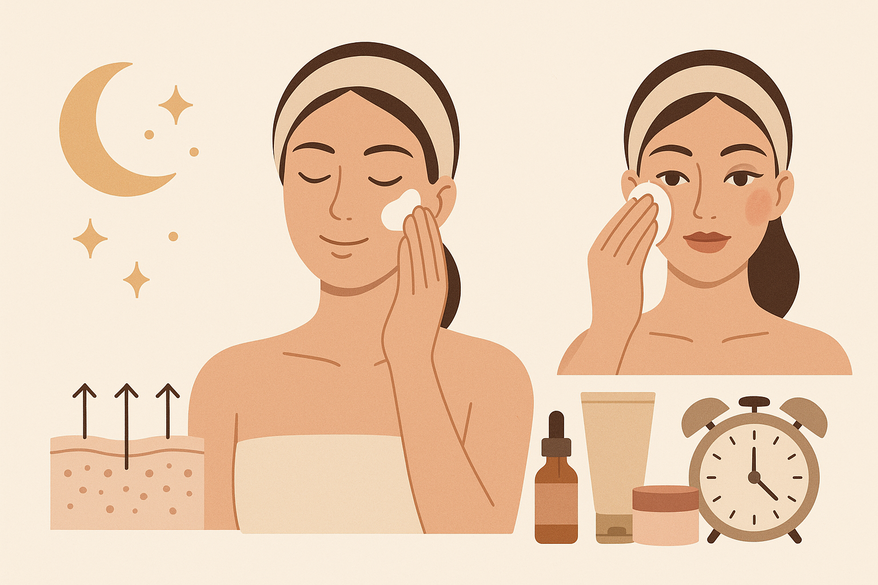
Step 1 – Gentle Makeup Removal
- Use micellar water, oil-based balms, or cleansing oils to dissolve pigment
- Avoid harsh wipes and alcohol-laden removers, which are generally discouraged by dermatologists for their drying effects
- Biodegradable, eco-friendly makeup removers are gaining favor for sustainability and skin health
Step 2 – Double Cleanse
- First pass: oil or balm cleanser
- Second pass: mild foam or cream cleanser to clear residue (Why Skincare is Important for Makeup)
- Consider cleansers with prebiotics or postbiotics to support microbiome balance
Step 3 – Pat Dry & Tone
- Gently pat skin with a soft towel
- Apply a hydrating toner with glycerin, rose water, or ingredients like centella asiatica extract
- Replace pH and add a light moisture layer
For more expert advice, read Essential Post-Makeup Skincare Tips.
4. Repair and Recovery Methods
Post-cleanse care focuses on rebuilding barrier integrity and soothing inflammation.
4.1 Suitable Cleansers & Exfoliators
- Opt for sulfate-free, non-abrasive cleansers
- Exfoliate 1–2× per week with mild AHA or enzyme-based products (PMC10144563 study)
- Gentle enzyme exfoliants including papain and bromelain are often recommended for sensitive skin
4.2 Soothing Moisturizers & Serums
Key actives for barrier repair include:
- Hyaluronic acid for hydration
- Ceramides to support the lipid matrix
- Niacinamide to regulate sebum and reduce inflammation
- Dexpanthenol (pro-vitamin B5) for tissue repair
- Postbiotic ingredients and adaptogenic botanicals like ashwagandha extract are being explored for skin resilience
Layer lightweight serums first, then seal with a richer cream to lock in moisture.
4.3 Natural Remedies
Aloe vera gel and chamomile extract may soothe and support healing. DIY mask: mix 1 tbsp aloe gel with ½ tsp chamomile tea concentrate; apply for 10 minutes, then rinse (PMC10144563 study). Some research also supports the addition of green tea extract for antioxidant benefits.
5. Expert Tips & Additional Advice
- Avoid comedogenic or high-alcohol products if prone to breakouts
- Use a targeted night cream or sleeping mask twice weekly with peptides, ceramides, or growth factors
- Hydrate your body: drink adequate water, eat antioxidant-rich foods, and aim for 7–9 hours of sleep
- Consider integrating facial mists with hydrating and antioxidant properties during the day for ongoing skin support
6. Common Mistakes to Avoid
- Skipping overnight makeup removal can contribute to pore congestion and inflammation
- Over-scrubbing or using harsh cleansers may damage the lipid barrier (Why Skincare is Important for Makeup)
- Exfoliating more than 2×/week can impair barrier recovery (PMC10144563 study)
- Omitting moisturizer post-cleanse may leave skin vulnerable to dehydration
- Ignoring environmental factors such as pollution and UV exposure can worsen post-makeup skin stress; incorporating antioxidant serums and SPF daily is advisable
7. Conclusion
Repairing skin after makeup benefits from a consistent approach: gentle cleansing, thorough removal, balanced hydration, and barrier support. This routine may help prevent long-term damage, maintain a radiant complexion, and strengthen resilience. For a deeper dive, explore The Ultimate Makeup Aftercare Routine.
How do you repair skin after makeup? Share your tips below and subscribe for more expert skincare guides and exclusive beauty advice. Your journey to a glowing complexion starts now.
FAQ
- How often should I double cleanse?
Double cleansing is generally recommended every night you wear makeup to help ensure all traces are removed, especially with long-wear or waterproof products. - Can I skip exfoliation?
Regular exfoliation (1–2×/week) can support cell turnover but avoid over-exfoliating to protect the barrier. Gentle enzymatic exfoliants may be preferable for sensitive skin. - Which active ingredients are best for repair?
Look for hyaluronic acid, ceramides, niacinamide, dexpanthenol, and postbiotic ingredients for hydration and barrier support. - Are natural remedies effective?
Aloe vera and chamomile may soothe inflammation, but always patch-test new masks. Green tea extract can provide antioxidant benefits. - What’s the biggest mistake?
Skipping nighttime makeup removal is a common error that can lead to clogged pores and barrier stress.