Professional Makeup Advice FAQ: Expert Tips & AI Insights
Discover expert professional makeup advice FAQ and AI makeup generator insights for achieving flawless makeup. Elevate your beauty routine today.

Estimated reading time: 8 minutes
Key Takeaways
- Foundation mastery: Techniques for matching and blending across all skin types in 2026, including new AI-powered shade matching tools.
- Everyday routines: Updated, skin-friendly steps for a fresh, natural look in less than 10 minutes.
- Pro tips: Latest blending methods, product selection, and prep for long-lasting, mask-resistant wear.
- AI integration: How an AI makeup generator personalizes virtual try-ons and product recommendations in 2026.
- Emerging trends: From skinimalism to hybrid beauty products and AI-powered skin analysis.
Table of Contents
- Section 1: Understanding Professional Makeup Advice FAQ
- Section 2: Expert Tips & Best Practices
- Section 3: Exploring AI in Makeup Advice
- Section 4: Integrating AI with Professional Guidance
- Conclusion & Further Reading
- FAQ
Section 1: Understanding Professional Makeup Advice FAQ
Professional makeup advice in 2026 leverages both expert knowledge and digital tools for clear, up-to-date guidance on products and techniques. Whether you’re a beginner or a seasoned artist, these insights help you build confidence and avoid common pitfalls.
Value for Beginners
- Foundation basics: Choose formulas for dry, oily, or combination skin, now with AI-powered quizzes and skin scans in most apps.
- Tool selection: Brushes, sponges, and application tips, including new eco-friendly synthetic options.
- Product intro: Understanding primers, concealers, and setting powders, with more options for sensitive and allergy-prone skin.
Value for Experts
- Advanced blending: Multi-dimensional shadows and pigment layering, including holographic and 3D finishes popular in 2026.
- Specialist methods: Airbrushing, contour mapping, UV-safe and blue light-protective makeup.
- Troubleshooting: Fixing patchy coverage, creasing, and uneven color—plus new fixes for mask lines and humidity-proofing.
Typical Challenges
- Creating a seamless base and mastering blend transitions with new lightweight, long-wear formulas.
- Selecting the right products for skin type, tone, and sensitivity, with more hypoallergenic and fragrance-free options available.
- Balancing everyday routines with special-occasion looks, now often hybridized for video calls and in-person events.
- Preventing breakouts and irritation, especially with increased use of wear-all-day makeup.
Real-World Example
A bride in 2026 matched her foundation using both neck-matching tips and an app-based AI shade finder, avoiding costly returns. On photoshoots, stylists now swap heavy powders for mineral or blurring serum formulas to prevent flashback and color shifts under studio lights.
Industry Usage
Makeup schools and creative studios embed these FAQs in their curricula to ensure consistency and industry standards (URO Paris Guide, Beautify Tips).
Section 2: Expert Tips & Best Practices
Blending
Blending is still the secret to a natural, seamless finish, but in 2026, new tools and textures make it easier:
- Circular buffing: Small, round motions to melt product into skin—now easier with ergonomic brush handles and skin-adaptive bristles.
- Windshield-wiper strokes: Back-and-forth on lids for even eyeshadow, especially with new cream-to-powder formulas.
- Tapping motions: Press cream products without streaks, using antibacterial silicone sponges for hygiene.
A beginner who mastered circular buffing with a new-gen vegan brush reported a flawless look on her first try.
Product Selection
Invest wisely to protect your skin and wallet:
- Neutral palettes for versatile eyes and lips, now with refillable pans to reduce waste.
- Non-comedogenic, hypoallergenic, and fragrance-free formulas, with AI-powered ingredient checkers in apps like Makeup Check AI.
- Seasonal rotations: lighter, breathable serums in summer, rich barrier creams and foundations in winter.
Pro Tip: Swap powder foundation for a mineral or serum-based alternative on hot days to reduce shine and prevent caking (source).
Skin Preparation
Prep is everything in 2026:
- Exfoliate 1–2 times weekly with gentle scrubs, fruit-acid toners, or sonic cleansing devices.
- Hydrate with moisturizers suited to your skin type—look for ceramides and niacinamide for barrier support.
- Use targeted primers: pore-blurring, blue light-protective, or glow enhancers.
- Allow products to absorb fully before makeup application—set a timer for 2–5 minutes.
Artists often use sheet masks or hydrogel patches before events for extra hydration and plumping (FaceTreat Artistry).
Technique
Smart tools and motions for 2026:
- Dense stippling brushes or microfiber sponges for light, buildable coverage.
- Flat-top buffing brushes for full coverage with new serum foundations.
- Damp sponges (now often infused with skincare ingredients) to blend creams and liquids.
- Thin layers to avoid cakiness—most pros recommend two thin coats over one thick one.
Example: A fan brush, now available in antimicrobial versions, removes fallout for a clean under-eye finish.
Trends & Emerging Methods
- Skinimalism: Minimal makeup with built-in skincare benefits—tinted serums and SPF-infused foundations are everywhere in 2026.
- Hybrid products: Tinted sunscreens, lip-to-cheek sticks, and foundation-serum hybrids.
- Soft contouring: Gentle shadows over harsh lines, with creamy, blendable sticks.
- Dewy finishes: Lit-from-within glow, often achieved with micro-pearl highlighters and hydrating mists.
- Clean beauty: Vegan, cruelty-free, refillable packaging, and carbon-neutral brands now mainstream.
Major brands now use AI-backed shade finders and ingredient transparency tools to merge tech and trend (source).
Section 3: Exploring AI in Makeup Advice
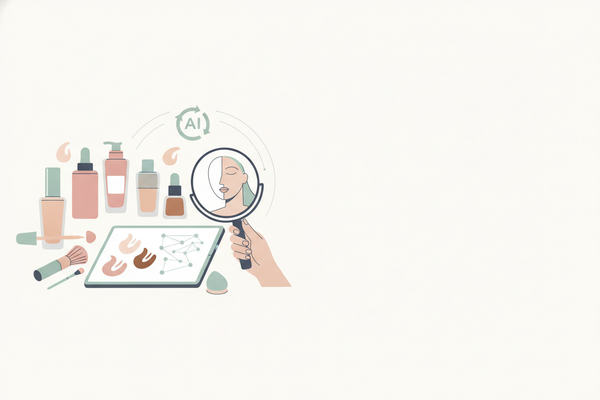
An AI makeup generator in 2026 is a digital beauty assistant that analyzes your photo—skin tone, landmarks, lighting, and now even skin texture—and applies virtual makeup in real time. It’s a game-changer for personalized guidance, product recommendations, and virtual try-ons without the need for physical testers.
How AI Works in 2026
- Face analysis: Detects eyes, nose, mouth, contours, and now identifies fine lines, blemishes, and skin hydration levels.
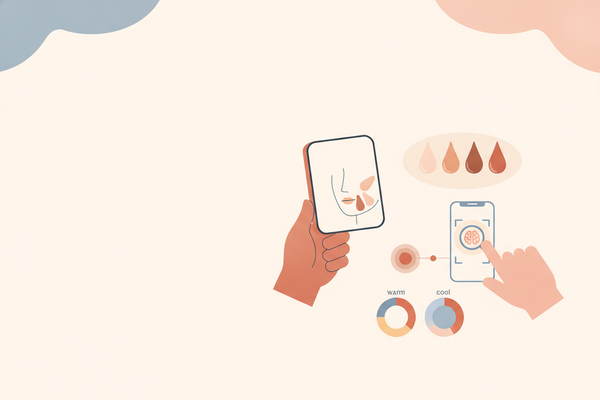
- Color mapping: Matches products to undertones, skin type, and even current skin condition (dry, oily, redness).
- Style library: Access thousands of pro and trend looks, including AR filters for live video and social sharing.
- Recommendation engine: Suggests by finish, brand, ingredient preferences, and budget—now with allergy and sensitivity filters.
Key Benefits
- Instant personalization: Custom shades and product matches in seconds.
- Time savings: No more endless in-store trials or product returns.
- Risk-free try-on: Experiment with looks virtually, including trending styles and pro favorites.
- Data insights: Track favorite colors, finishes, and get reminders for product expiration or repurchase.
Learn more about AI beauty advice at MakeupCheck AI Blog.
User Experience Example: A student in 2026 uploads a selfie, receives three foundation matches from different brands, tests nude and bold lip shades in AR, and shares before-and-after looks with friends and her makeup artist for feedback.
AI Memory & Learning: The tool remembers past looks, skin concerns, and preferred products, building a digital portfolio for highly tailored future suggestions.
Privacy & Security: In 2026, leading apps process images locally or on encrypted servers, and privacy policies are now standardized for transparency. Always check for compliance with the latest data protection laws before uploading your photo.
Section 4: Integrating AI with Professional Guidance
Use Case 1: Virtual Try-Ons
- Snap a clear selfie in natural light or use your device's 3D scan feature if available.
- Upload to the AI makeup generator.
- Browse or customize looks: foundation, blush, eyeshadow, brow styles, and even false lash simulations.
- Save and share virtual makeovers with friends, your artist, or on social media.
Use Case 2: Professional Consultations
- Artists load your virtual looks onto a tablet or AR headset.
- They annotate images with product notes, technique tips, and suggested swaps for your skin needs.
- Clients compare daytime, evening, and event options side by side using split-screen or AR overlays.
- Salon and bridal studios combine AI demos with live trials for maximum efficiency and satisfaction.
Limitations in 2026:
- Texture nuance: Scars, fine lines, or raised areas may still be overlooked by some algorithms, though improvements continue.
- Undertone shifts: Colored or artificial lighting can confuse even advanced AI, so always check in daylight.
- Real-world feel: Texture, scent, and application experience still matter—virtual try-on can’t replicate everything.
- Complex skin concerns (e.g., rosacea, eczema, severe acne) need hands-on, personalized care from professionals.
Conclusion & Further Reading
Combining expert FAQs with an AI makeup generator in 2026 gives you the best of both worlds: time-tested pro advice and instant, personalized virtual try-ons. From shade matching and quick routines to blending mastery and emerging trends, you now have a complete toolkit for any occasion or skin need.
Call to Action
Share your makeup success stories and let us know how AI has streamlined your routine in 2026!
Further Reading:
Try AI Beauty Apps:
- YouCam Makeup
- ModiFace
- L’Oréal Virtual Try-On
- Makeup Check AI (updated for 2026)
FAQ
Q1: How do I choose the right foundation shade?
A1: Match to your neck and chest in natural light, identify undertones (warm, cool, neutral), test three shades on your jawline, blend, wait a minute, and check for lines in daylight. In 2026, use an AI shade finder for even more accuracy and to preview the finish before you buy.
Q2: What is a quick everyday makeup routine?
A2: In under 10 minutes: moisturize with SPF, apply tinted moisturizer or light foundation (preferably with built-in skincare), spot-conceal, sweep neutral shadow, curl lashes with mascara, dust translucent powder, blend cream blush, and swipe tinted lip balm or hybrid stick.
Q3: How do I avoid makeup-related breakouts?
A3: Use oil-free, non-comedogenic, and fragrance-free products; double-cleanse; disinfect brushes and sponges weekly (or use self-cleaning tools); patch-test new items; and moisturize after removal to soothe skin. AI ingredient checkers can now flag potential irritants before you purchase.
Q4: What is the secret to long-lasting makeup?
A4: Prime based on skin type, blend foundation in thin layers with a damp sponge, set with translucent powder, and finish with a pro-grade setting spray. Opt for "long-wear," "mask-proof," or "24-hour" formulas, and consider AI recommendations for your unique skin profile.
Q5: Do I need to follow trends, or can I create my own style?
A5: Use trends for inspiration—watch shows, AR filters, and beauty blogs—then adapt colors and shapes to your features. Keep a digital mood board, practice at home, and blend trendy and classic looks for a personal twist. AI can help you experiment safely before committing!