Pick Foundation Shade for Hyperpigmentation: Step-by-Step Guide
Learn how to pick foundation shade for hyperpigmentation with undertone tests, oxidation tips, and shade finders for flawless coverage and natural finish.

Estimated reading time: 15 min
Key Takeaways
- Matching foundation shade for hyperpigmentation involves testing multiple areas like jawline, neck, and chest for a more accurate base, as skin tone can vary in these zones.
- Understanding your undertone—warm, cool, neutral, or olive—can help in picking a foundation that blends well and complements your natural complexion.
- Foundation oxidation can alter shade appearance; letting it dry and wear-testing over several hours can help avoid unexpected orange or muddy tones.
- Medium to full coverage foundations combined with color correctors and proper application techniques can help conceal dark spots and uneven pigmentation without looking cakey.
- Using online shade finders and AI-powered tools like Makeup Check AI may simplify personalized foundation matching and virtual try-ons, potentially saving time and reducing product waste.
Table of Contents
- Section 1: Why Matching Foundation for Hyperpigmentation is Different
- Section 2: How to Find Your Undertone – Warm, Cool, Neutral, or Olive
- Section 3: Where to Match Foundation – Jawline, Neck, or Chest?
- Section 4: Understanding Foundation Oxidation and How to Test It
- Section 5: Choosing the Best Foundation Coverage for Hyperpigmentation
- Section 6: Using Shade Finder Tools and AI for Perfect Matches
Section 1: Why Matching Foundation for Hyperpigmentation is Different
Understanding Hyperpigmentation Impact on Foundation Choice
Hyperpigmentation presents as dark spots, uneven skin tone, or discoloration patches on the face, which can complicate foundation matching. These areas vary in depth and color intensity, often influenced by factors such as sun exposure, hormonal changes, acne scarring, or inflammation. Rather than focusing solely on the darkest hyperpigmented area, it’s generally recommended to select a foundation shade that harmonizes with your natural skin tone, including the undertone and surrounding areas, to achieve a cohesive overall look.
Matching only the hyperpigmented area may result in a foundation that looks too dark or unnatural on other parts of your face, potentially creating a mask-like effect. The goal is to find a shade that blends well into your skin when applied properly, creating a smooth, even base. This means the foundation should help neutralize the hyperpigmentation while complementing the lighter skin around it, avoiding stark contrasts.
The Role of Color Correction Before Foundation
For pronounced dark spots, color correction can be helpful before applying foundation. Color correctors work by neutralizing unwanted hues on the skin, allowing your foundation to provide better coverage with less product. For example, hyperpigmentation may have blue, purple, or gray tones, which can be counteracted by peach or orange correctors depending on your skin depth.
- Apply color corrector sparingly on dark spots: Use a small amount with a precise brush or fingertip to avoid creating thick patches.
- Blend well to avoid patchiness: Gently tap to blend the edges into surrounding skin without disturbing the product underneath.
- Use foundation on top, focusing on seamless blending: Apply foundation using a damp sponge or brush to build coverage gradually and blend with the corrected areas.
For deeper hyperpigmentation, layering a corrector with a medium coverage foundation can improve the overall finish without appearing heavy.
Common Mistakes in Foundation Matching for Hyperpigmentation
- Matching foundation only to dark spots or hyperpigmented patches, which can create a mask effect.
- Ignoring undertones that may clash with your natural complexion, leading to unnatural or ashy finishes.
- Choosing too light or too heavy coverage, which can highlight texture, creases, or unevenness rather than concealing it.
- Testing foundation only in artificial lighting, which can distort color perception and lead to poor matches.
- Applying foundation with thick layers immediately rather than building coverage gradually.
- Not considering oxidation, which can change how foundation looks over time.
Section 2: How to Find Your Undertone – Warm, Cool, Neutral, or Olive
Why Undertone Matters in Foundation Selection
Your skin undertone is the subtle hue beneath the surface that affects how foundation shades appear on your skin. Even if your skin tone changes seasonally due to tanning or dryness, your undertone generally remains constant and is important for ensuring your foundation looks natural and radiant. Foundations with undertones that mismatch your skin may appear ashy, too yellow, or overly pink, which can draw unwanted attention rather than blending smoothly.
Undertones generally fall into four categories, each corresponding to specific foundation shade nuances:
- Warm: Yellow, golden, or peach hues that impart warmth. People with warm undertones often look best in foundations with gold or yellow base pigments.
- Cool: Pink, red, or blue hues that give a rosy or porcelain effect. Cool undertones pair well with pink or neutral beige foundations.
- Neutral: A balance of warm and cool tones, neither distinctly yellow nor pink. Neutral undertones have a wide range of foundation shade options and can often wear both warm and cool bases.
- Olive: Greenish or slightly ashy appearance. Olive undertones can be more challenging because they don’t fit neatly into warm or cool categories, often requiring foundations with subtle green or neutral bases to avoid looking sallow or gray.
Warm, Cool, or Neutral Undertone Test Methods
Several simple tests can help you identify your undertone at home without professional tools. It’s best to perform these tests in natural daylight for accuracy:
- Vein Test: Look at your wrist veins. Blue or purple veins may indicate cool undertones, green veins suggest warm undertones, and a mix of blue-green veins signals neutral undertones. This test is a general guideline as veins can appear differently on various skin tones.
- Jewelry Test: See if gold or silver jewelry flatters you more. Gold often suits warm undertones, silver suits cool, and both may look good on neutral undertones. If you find yourself equally drawn to both, you may be neutral.
- White Paper Test: Hold a white piece of paper next to your face in natural light. If your skin looks yellowish or golden compared to the paper, you’re likely warm; pinkish or rosy means cool; grayish or balanced suggests neutral undertone.
- Sun Reaction Test: Consider how your skin reacts to sun exposure. If you tan easily and rarely burn, you might have warm or olive undertones. If you burn quickly and don’t tan, you’re more likely cool-toned.
How Olive Undertones Affect Foundation Matching
Olive undertones are common among many ethnicities and skin types. They can make warm foundations appear too yellow and cool foundations too pink or ashy. Olive skin often has a subtle green or gray tint beneath the surface, which can cause some standard foundation shades to look unnatural.
Look for foundations labeled as olive or with a neutral base and subtle greenish hues. These formulas are designed to balance the olive tint without exaggerating it. If olive shades are not available, neutral foundations with a slight yellow base may sometimes work, but testing is important.
Using an AI tool like Makeup Check AI’s Free Color Analysis may help identify these nuances by analyzing your skin’s color signatures and suggesting foundations that accommodate olive undertones.
Section 3: Where to Match Foundation – Jawline, Neck, or Chest?
Why Matching Multiple Areas is Important
Skin tone often varies between your face, jawline, neck, and chest due to sun exposure, blood flow, and natural pigmentation differences. The face tends to have more color variation because of hyperpigmentation, redness, or acne, whereas the neck and chest are usually more uniform and lighter due to less sun exposure.
Matching foundation exclusively on your cheek or face center can create a visible mask or uneven lines where the foundation ends, especially if your neck and chest are lighter or warmer in tone. This mismatch is a common giveaway that makeup has been applied.
Experts often recommend swatching foundation shades along the jawline and blending down slightly onto the neck and chest to help ensure a seamless transition. This approach can help your foundation appear natural from all angles and lighting. It also helps prevent the “floating face” effect where the face color looks disconnected from the rest of the body.
Step-by-Step Foundation Matching on Skin
- Choose 2-3 shades close to your perceived skin tone: Pick shades that appear similar but vary slightly in depth or undertone.
- Apply small swatches on the jawline, neck, and chest: Use your finger or a brush to apply thin lines or dots.
- Observe which shade best blends evenly into all areas: The ideal shade should blend into the skin without obvious edges or color shifts.
- Test the chosen shade in natural light to confirm the match: Step outside or near a window to see the shade in daylight, as indoor lighting can alter perception.
- Wear-test the foundation for several hours: This helps identify oxidation or color changes throughout the day.
Avoiding Dark Patches vs. True-Tone Areas
While hyperpigmentation can tempt you to match foundation to those darker patches, a better approach is to use areas with minimal discoloration (usually the jawline or neck) as your “anchor tone.” This helps the foundation blend uniformly instead of emphasizing unevenness.
If hyperpigmentation is significantly darker, use color correctors to neutralize those areas and then apply foundation to the anchor tone. This technique helps preserve a natural look while concealing discoloration effectively.
Section 4: Understanding Foundation Oxidation and How to Test It
What is Foundation Oxidation?
Foundation oxidation is a chemical reaction that can occur when foundation pigments interact with the air, oils on your skin, or your skin’s unique chemistry, causing the foundation to darken or shift color over time. This process may alter the carefully chosen shade, sometimes resulting in an orange, muddy, or darker appearance that differs from the initial application.
Oxidation varies between individuals depending on skin type, the foundation’s ingredients, and environmental factors like humidity and pollution. Understanding oxidation can be helpful in selecting a foundation that maintains its true color throughout your day.
Why Does Foundation Oxidize Orange?
Several factors can contribute to oxidation turning foundation orange:
- High iron oxide content in pigments: Iron oxides provide color but can darken when exposed to oxygen and skin oils.
- Reaction with skin’s natural oils and sweat: Oily skin types may experience more oxidation due to increased sebum production.
- Exposure to air and environmental pollutants: Pollutants can accelerate chemical changes in the foundation formula.
Choosing foundations formulated to resist oxidation—often marketed as "long-wear," "oxidation-resistant," or "oil-control"—may help. Ingredients like silica or antioxidants can reduce oxidation effects.
How to Test Foundation Shade for Oxidation
Proper testing can minimize surprises later in the day and help ensure your foundation remains true:
- Apply foundation swatches on your jawline and neck: These areas best represent your natural skin tone and exposure.
- Let the foundation dry completely (5-10 minutes): This allows initial oxidation to occur.
- Observe the color immediately and again after 2-4 hours of wear, ideally in natural light: Check for any darkening, orange tint, or dulling.
- Note any color change or darkening: If the shade shifts significantly, it may oxidize on your skin.
- Choose the shade that maintains its true color and blends naturally: Even slight shifts can be noticeable, so opt for minimal or no oxidation.
Using AI-powered makeup apps like Makeup Check AI may simulate oxidation effects on your skin tone digitally by analyzing your skin chemistry and product formulas, potentially saving time and product waste. These apps also consider your undertone and hyperpigmentation areas to recommend shades less prone to oxidation.
Section 5: Choosing the Best Foundation Coverage for Hyperpigmentation
Coverage Levels Explained
Foundation coverage ranges from sheer to full, each suited for different skin goals and types of discoloration:
- Sheer: Lightly evens skin tone, provides minimal concealment, allowing natural skin texture to show. Suitable for very mild discoloration or healthy skin.
- Medium: Balances coverage and natural finish, concealing mild to moderate discoloration, including minor hyperpigmentation and redness.
- Full: Offers maximum coverage for significant hyperpigmentation, scars, or uneven skin tone. Ideal for those seeking a flawless finish but requires careful application to avoid heaviness.
Why Medium to Full Coverage Can Work Well
For hyperpigmentation, medium to full coverage foundations can help conceal dark spots effectively without the need for excessive layering that looks cakey or unnatural. They provide the right opacity to even out tone while blending smoothly into your skin texture.
- Opt for foundations labeled "buildable" for customizable coverage, so you can apply light layers and build intensity only where needed.
- Use a damp makeup sponge or dense brush for smooth, streak-free application that melds into the skin.
- Apply foundation with a light hand first, then build only on areas with hyperpigmentation or uneven tone to avoid a heavy mask look.
- Setting the foundation with a translucent powder or setting spray can help prolong wear and reduce oxidation.
Additional Tips: Blend Perimeter and Center of Face
To avoid the foundation looking like a mask, blend foundation carefully from the center of your face outward, including hairline, jawline, and neck. This creates a natural gradient and prevents harsh edges or color breaks.
Consider layering a color corrector first on dark spots, then applying foundation on top for a smooth finish. This layering technique can minimize the need for heavy foundation application while maximizing concealment.
For textured hyperpigmentation (such as post-acne marks), avoid thick layers that settle into creases. Instead, use lightweight concealers or primers designed to smooth skin surface before foundation application.
Section 6: Using Shade Finder Tools and AI for Perfect Matches
How AI and Shade Finder Tools Can Simplify Foundation Matching
Shopping for foundation online or in stores can be challenging, especially when dealing with hyperpigmentation and uneven skin tones. AI-driven shade finders analyze your face’s tones, undertones, and pigmentation areas to recommend matches tailored to your complexion.
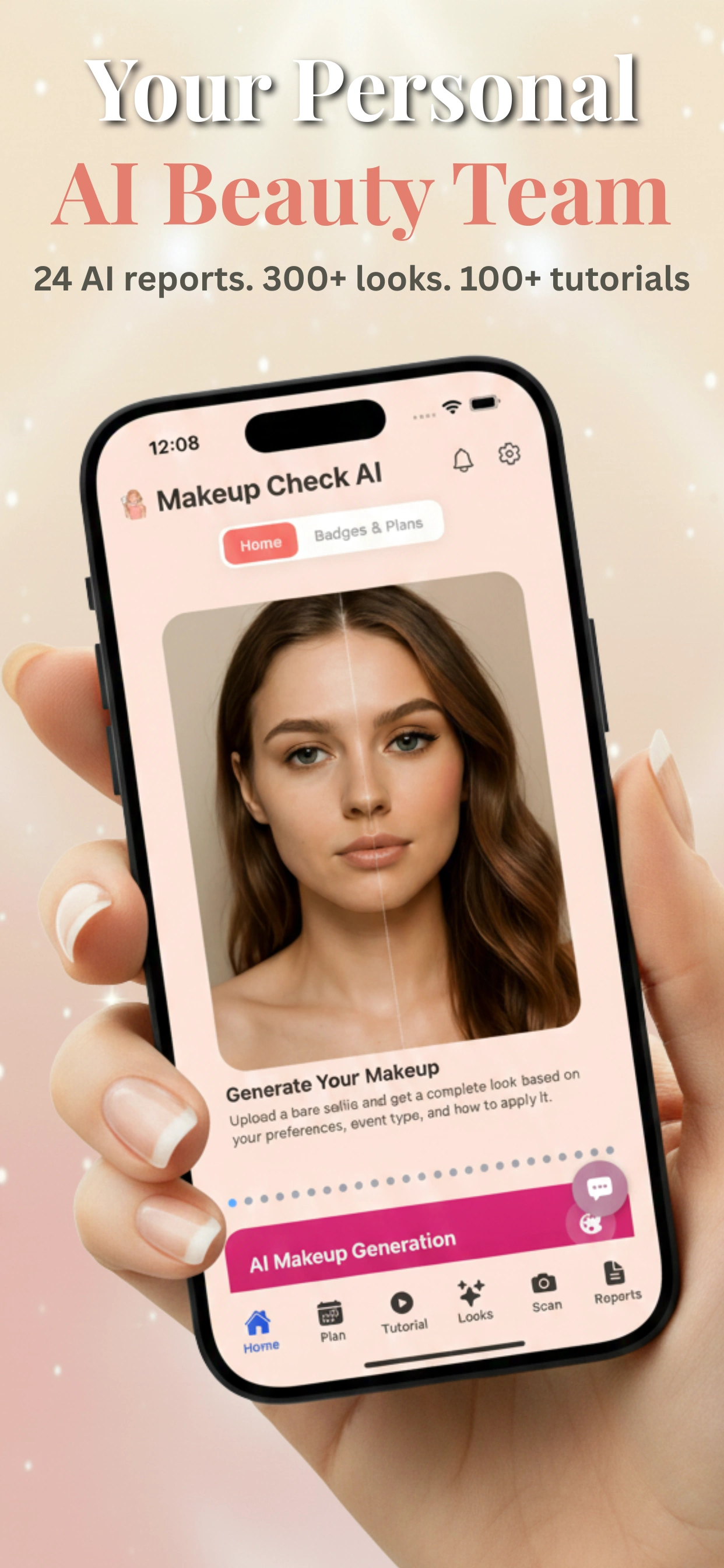
Makeup Check AI is an example of a beauty app offering technology to assist foundation matching and enhance your makeup routine:
- AI-powered reports including color-season and undertone analysis, providing insight into your skin’s characteristics.
- Personalized foundation shade recommendations based on skin scans that consider hyperpigmentation, skin texture, and oxidation potential.
- Virtual try-ons of makeup looks to preview foundation shades and finishes before purchase, reducing the need for physical samples.
- Beauty plans and video tutorials tailored to your skin type and concerns, helping improve application techniques and makeup longevity.
Benefits of Virtual Try-On and AI Analysis
- Feedback on how shades blend with your natural skin and hyperpigmentation, enabling informed decisions.
- Reduces guesswork and product returns by predicting how foundation will look in various lighting.
- Access to tutorials on foundation application, color correction, and blending techniques that address hyperpigmentation.
- Ability to test multiple shades side-by-side digitally, useful for those with complex skin tones or undertones.
- Potential time and cost savings by minimizing trial-and-error purchases and wasted products.
Combining AI Tools with In-Person Testing
While AI tools offer precision and convenience, combining their recommendations with physical testing in natural light can help ensure the best results. Swatch samples on your jawline, neck, and chest after receiving AI suggestions to confirm the match and observe any oxidation or texture issues.
Additionally, consider skin conditions like dryness or oiliness that may affect foundation wear and select formulas accordingly. AI tools may not fully account for these variables, so personal experience and testing remain valuable.
Explore AI-powered beauty technology and personalized foundation recommendations at Makeup Check AI to enhance your makeup routine with confidence and ease.
Conclusion
Picking the right foundation shade for hyperpigmentation involves more than matching dark spots alone. Understanding your undertone through warm, cool, neutral, or olive tests, matching foundation along your jawline, neck, and chest, and accounting for foundation oxidation are helpful steps to achieve a natural-looking complexion.
Medium to full coverage foundations combined with color correction can help conceal uneven pigmentation without masking your natural skin. Leveraging AI-powered shade finders and virtual try-on apps like Makeup Check AI may simplify this process, providing personalized recommendations and tailored beauty plans to help you find your foundation match with confidence.
Remember, the key to makeup with hyperpigmentation is patience, proper layering, and blending, alongside choosing products that respect your skin’s unique undertones and texture. With the right approach and tools, you can achieve a radiant, even complexion that enhances your natural beauty.
FAQ
Q: How do I choose a foundation shade if I have hyperpigmentation?
A: Focus on matching your foundation to areas with minimal discoloration like the jawline or neck rather than the dark spots themselves. Use color correctors first to neutralize hyperpigmentation, then apply a medium to full coverage foundation that blends well into your natural skin tone and undertone. Test your chosen foundation in natural light and wear it for several hours to check for oxidation or shade shifts.
Q: Should I match foundation to my neck, chest, or jawline?
A: It’s generally recommended to test foundation shades on your jawline and blend down to your neck and chest. This helps ensure the foundation matches your overall skin tone and avoids visible lines or mask effects. Since these areas often have more uniform tone, they serve as reliable reference points.
Q: What undertone should I pick for uneven skin tone or dark spots?
A: Identify your undertone using vein, jewelry, white paper, or sun reaction tests. Choose foundations labeled for your undertone category (warm, cool, neutral, or olive) to help ensure the shade blends naturally with your complexion. Olive undertones may require special foundation shades with neutral or greenish bases.
Q: Do I need a color corrector before foundation for hyperpigmentation?
A: Color correctors can help neutralize dark spots and uneven pigmentation, allowing your foundation to apply evenly without heavy layering or patchiness. Choosing the correct color corrector (peach, orange, or pink) based on your skin tone is important for effective results.
Q: How can I tell if my foundation shade is too light, too dark, or oxidizing?
A: Test foundation swatches on your jawline and neck in natural light. Let them dry and observe color changes over several hours. If the shade darkens or turns orange, it may be oxidizing. If it appears ashy, chalky, or noticeably lighter or darker than your skin, it may not be the right tone or lightness. Wear testing is key to confirming the right match.
Q: What coverage foundation is best for dark spots and discoloration?
A: Medium to full coverage foundations often work well to conceal hyperpigmentation while maintaining a natural finish. Build coverage gradually and blend thoroughly for optimal results. Pairing with color correctors and using appropriate application tools like damp sponges can also enhance coverage without heaviness.