How to Create a Monochromatic Makeup Look: Step-by-Step Tutorial
Master monochromatic makeup with step-by-step tutorials, color tips, and pro secrets for lips, cheeks, and eyes. Discover trending matchy makeup looks now.

Estimated reading time: 13 min
Key Takeaways
- Monochromatic makeup uses one color family across eyes, lips, and cheeks for a cohesive look.
- Choosing the right color palette and texture is key for flattering, non-flat results.
- Techniques vary for skin tone, undertone, and desired intensity—bold or subtle.
- Repurposing products and balancing finishes creates dimension and harmony.
- The trend is resurging thanks to TikTok and celebrity influence, with modern twists for 2024.
Table of Contents
- Section 1: What Is Monochromatic Makeup?
- Section 2: Classic Monochrome Makeup Tutorial
- Section 3: Choosing the Right Color Palette
- Section 4: Monochromatic Makeup for Every Skin Tone
- Section 5: Texture Play—Mixing Finishes for Depth
- Section 6: Trend Watch—Modern Takes on the Matchy Makeup Look
- Conclusion
- FAQ
Section 1: What Is Monochromatic Makeup?
Definition and Core Principles
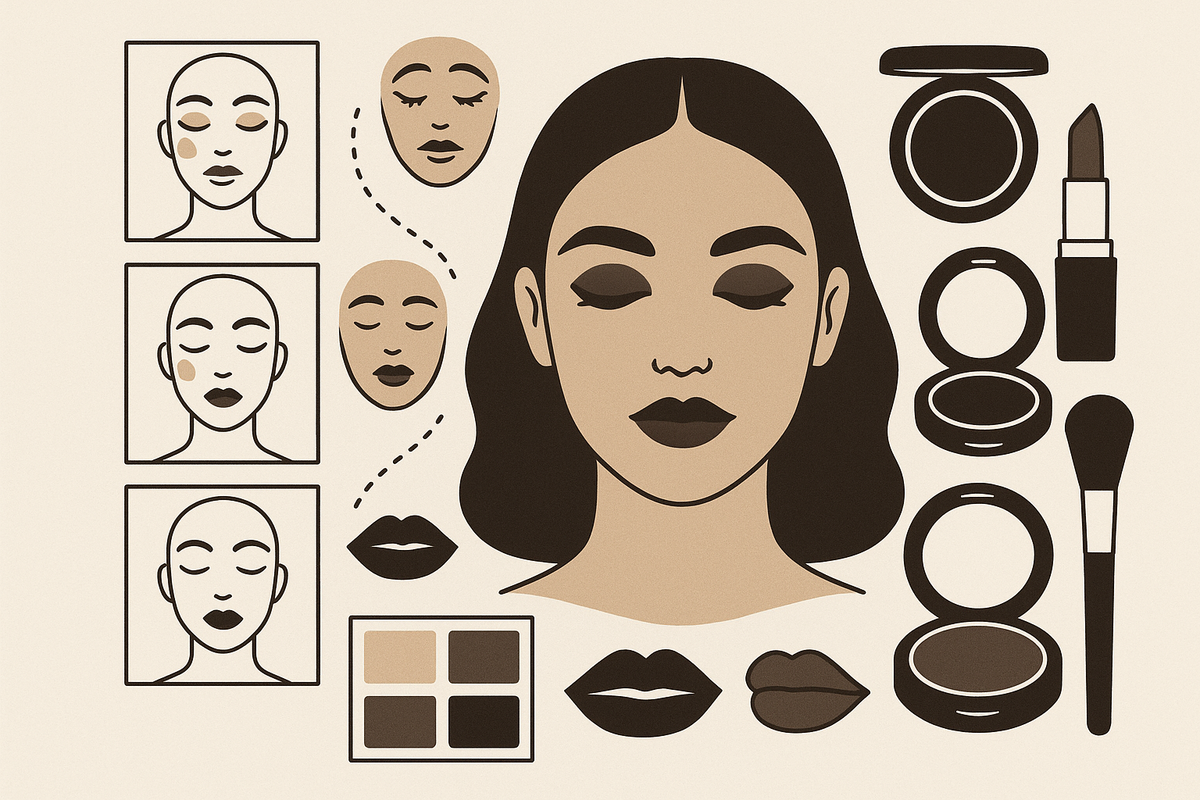
How to create a monochromatic makeup look starts with understanding that it is a beauty technique using a single shade or color family across your eyes, lips, and cheeks. This one shade makeup look creates a harmonious, seamless finish by repeating similar tones in different areas of your face. The effect can be subtle and natural, or bold and editorial, depending on your color and texture choices.
- One Color Family: All products are picked from the same hue—think all pinks, peaches, browns, or corals. It’s not about using the exact same product everywhere, but about maintaining tonal consistency. For example, you might use a dusty rose blush, a rose-tinted eyeshadow, and a rosy lipstick for a pink monochrome look.
- Lips, Cheeks, Eyes—One Color: The matchy makeup trend applies your chosen shade to all three main features for a unified appearance. This method works with both creams and powders, and with different product finishes for visual dimension.
- Easy to Personalize: Adjust intensity, finish, and placement for your unique vibe. For instance, you might opt for a sheer wash on the cheeks and a bolder, more pigmented swipe on the lips.
Why It Works
This technique flatters most faces by creating visual cohesion. It’s quick, minimizes clashing, and looks polished—even with minimal skill or time. Monochrome makeup is especially popular for its versatility: the same method works for day or night, casual or glam. Since the look pulls from a single color family, it’s nearly impossible to go wrong with color combinations, which is why it’s a go-to for both beginners and professionals. The approach also helps to visually sculpt the face, as the repeated color can enhance natural bone structure and create a soft, blended effect from every angle.
Monochromatic vs. Minimal Makeup
While both trends emphasize simplicity, monochromatic makeup focuses on color repetition for impact, whereas minimal makeup uses sheer coverage and barely-there shades for an understated finish. You can combine both for a modern, effortless look. For example, a monochrome palette in pale taupe, applied sheerly, combines the best of both worlds: the unity of monochrome and the freshness of minimalism. The key difference is that monochromatic makeup is intentionally matchy, while minimal makeup is about “barely there” enhancement.
Section 2: Classic Monochrome Makeup Tutorial
Step-by-Step Guide: The One Shade Makeup Look
If you’re wondering how to create a monochromatic makeup look, follow this step-by-step tutorial to master the one shade makeup technique:
- Pick a shade—like soft peach, muted rose, or bronze—suited to your skin tone and mood. For beginners, start with universally flattering tones such as rose or peach. If you’re feeling bold, opt for deeper berries or oranges.
- Use a cream or powder blush, lipstick, or multipurpose stick that’s safe for eyes, cheeks, and lips. Multipurpose sticks are especially handy, but don’t be afraid to use a lipstick as blush or vice versa for a truly monochrome effect.
1. Eyes: Wash of Color
Start by sweeping your chosen color across the eyelids. For extra cohesion, apply lightly to the lower lashline as well. Use a fluffy brush or fingertip for a diffused look, or layer for more drama. Cream blushes or creamy lipsticks can work as eyeshadow—apply a thin layer over a primed lid for longevity. For added staying power, set cream products with a matching powder shadow. For example, blend a soft coral blush over your lid and reinforce with a powder coral shadow for all-day wear. If you want extra depth, use a slightly deeper shade from the same color family in your crease.
2. Cheeks: Soft Flush
Smile and dab the same product onto the apples of your cheeks, blending upward toward the temples. Cream formulas melt seamlessly into skin, while powders offer a soft-focus effect. For extra radiance, layer a shimmer or satin finish on top. To intensify color, build up with light layers, focusing more product on the apples for a youthful effect or blending toward the hairline for a lifted look. If you’re using a lipstick, dot a small amount on the cheek and blend out with a damp sponge or fingers for a natural flush.
3. Lips: Finish the Look
Apply the same product or a matching lipstick to your lips. For a blurred, softer look, use your finger to tap color in the center and blend outward. Lip gloss or balm can be added for dimension. For more definition, use a lip liner in the same shade family, or top with a gloss for high-shine monochrome. If you’re using a cream blush, apply with a brush for the most precise finish, and layer as needed for opacity.
- Pro Tip: Use a clear balm as a base on eyelids and cheeks if using powder blush to prevent dryness. This also helps the product blend more easily and appear more luminous.
- Alt Method: Try a monochrome look using only your favorite lipstick across all three areas! Lightly blend on lids and cheeks, then swipe on lips—this is a popular TikTok hack for quick, travel-friendly makeup.
Try This Instantly
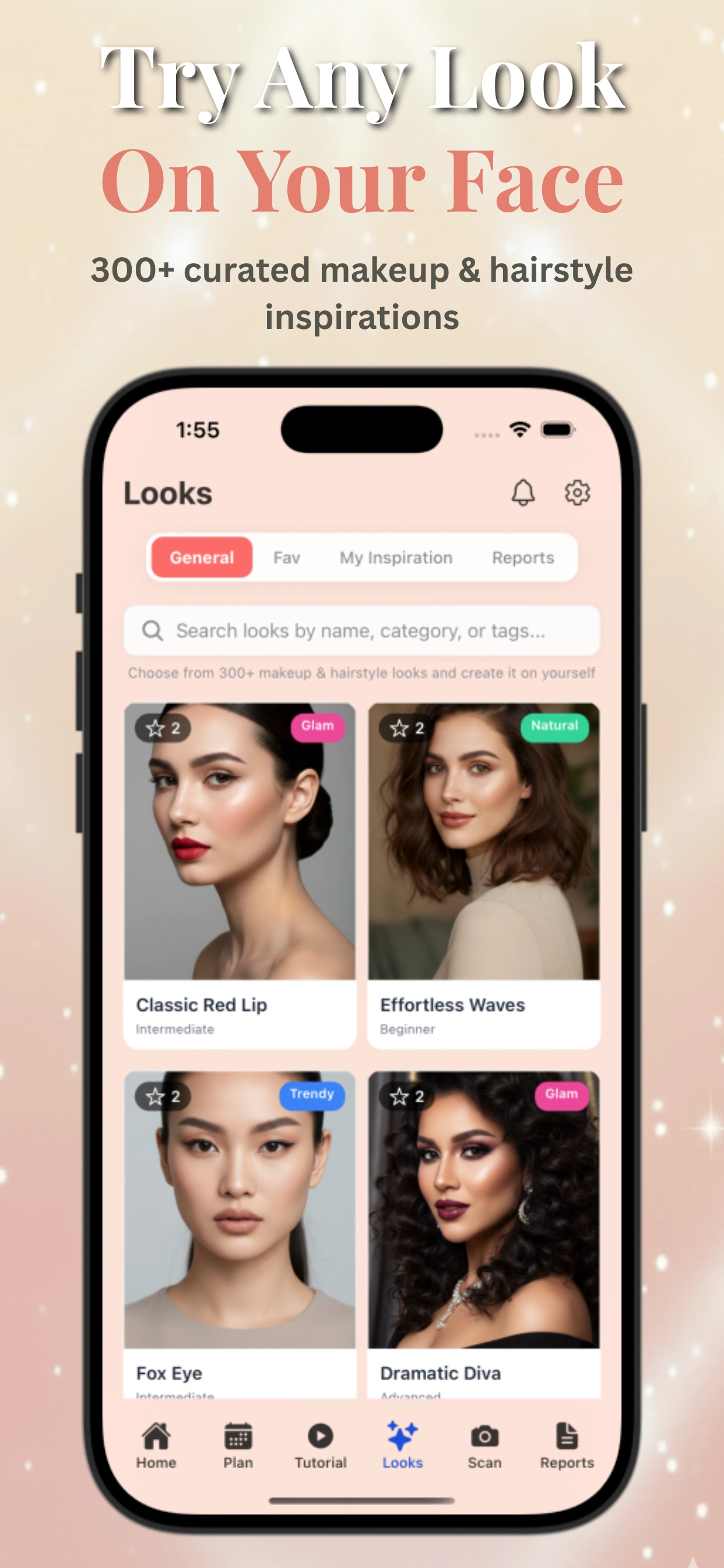
Not sure where to start? Makeup Check AI lets you scan your face and preview over 300+ looks—including classic and bold monochrome styles—so you can see what suits you before applying a single product. The app allows you to virtually experiment with different shades, intensities, and finishes, instantly visualizing how a soft pink or a deep berry monochrome would look on your unique features. You can even compare side-by-side or save your favorites for reference, taking the guesswork out of the process. For those with sensitive skin or allergies, this is a risk-free way to try bold shades without irritation.
Extra Tips for Longevity and Wear
- Prime: Always prep skin with moisturizer and a smoothing primer—especially on eyelids and cheeks—to help cream products grip and blend.
- Set Strategically: If you have oily skin, set the T-zone and eyelids with translucent powder before applying cream products, or finish with a setting spray for extra endurance.
- Layering: To intensify color or add dimension, layer cream and powder versions of the same shade. For example, apply a cream blush first, then dust a shimmery or matte powder blush on top for depth.
- Brushes vs. Fingers: Fingers warm up cream products for seamless blending, while brushes offer more controlled placement, especially on smaller areas like eyelids.
Section 3: Choosing the Right Color Palette
Best Colors for Monochromatic Makeup
- Browns/Nudes: Universally flattering, perfect for daily wear. Try tan, caramel, mocha, or chocolate for a chic one shade makeup look. These colors mimic natural shadows and suit both casual and professional settings. For olive or deep skin, rich chocolates and warm caramels add warmth and depth, while lighter beiges and taupes flatter fairer complexions.
- Corals/Peaches: Fresh and lively—especially flattering in spring/summer. Peach Fuzz, Pantone’s 2024 Color of the Year, is trending for its warm, glowing vibe. Corals and peaches enliven complexion and look especially radiant on medium to tan skin. For a sun-kissed effect, layer a peach blush high on the cheeks and temples.
- Pinks: From baby pink to deep rose, pinks create a soft, romantic effect or a bold, playful statement. Light pinks brighten fair skin, while deeper berries and magentas look stunning on deeper tones. Pinks are also ideal for a “flushed from within” look that mimics a healthy glow.
- Oranges: Vivid tangerine or burnt orange pops on medium to deep skin tones and looks editorial when paired with glossy textures. For festival or editorial looks, try a matte orange eye and a glossy orange lip for high-impact color.
How to Pick Your Monochrome Color
- Warm Skin Tones: Opt for corals, apricots, copper, and warm browns. These shades enhance golden undertones and add vibrancy without clashing.
- Cool Skin Tones: Try mauve, baby pink, soft plum, or taupe. Cooler hues complement pink or blue undertones, resulting in a harmonious finish.
- Neutral Skin Tones: Most shades work; pick based on your mood or outfit. Experiment with both warm and cool tones—neutrals can easily adapt to either side of the spectrum.
Matching Undertones—Avoiding the "Ghost Effect"
To prevent looking washed out, ensure your monochromatic shade contrasts slightly with your skin’s undertone. For example, if you have cool undertones, avoid ashy beiges; instead, use pinks or berries. Warm undertones should avoid overly yellow nudes and favor golden or peachy hues. For olive undertones, terracotta and brick reds work beautifully, adding warmth without turning sallow. Always swatch on your jawline or the inside of your wrist to see how a color reacts with your natural undertone in daylight.
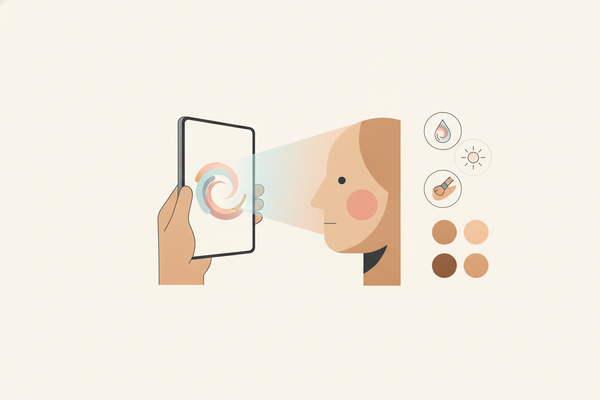
Want to find your perfect color family? Use the Free Color Analysis tool for instant, AI-powered recommendations tailored to your undertones and season. The tool analyzes your unique features, including hair, eye, and skin color, and suggests top trending shades that will enhance your natural beauty and keep you on-trend year-round.
Examples of Monochrome Palettes
- Soft Rose Monochrome: Rose blush, rose eyeshadow, rose lipstick. Perfect for romantic or bridal looks.
- Bronze Monochrome: Bronze cream shadow, bronzer on cheeks, copper-bronze lipstick. Great for summer or tanned skin.
- Berry Monochrome: Plum shadow, berry blush, berry-toned lipstick. Dramatic for evening events.
- Peach Monochrome: Peach shadow, peach blush, peachy-nude lipstick. Fresh for spring and universally flattering.
Section 4: Monochromatic Makeup for Every Skin Tone
Adapting the Look for Deeper Skin Tones
Monochromatic makeup shines on dark skin—especially when you embrace vibrant, saturated colors. Bright oranges, rich berries, and shimmering copper shades pop beautifully, creating warmth and radiance. For an editorial twist, try bold shimmering oranges or high-shine peach with gold undertones to contrast and illuminate deeper complexions. Deep skin can also handle double-intensity layering—for example, using both a matte berry blush and a metallic berry highlighter for cheeks.
- Shimmer and Contrast: Use metallic or satin finishes strategically to add dimension and contrast to the monochrome effect. This helps prevent the look from appearing flat on deeper skin tones.
- Layering Colors: Blend lighter and deeper shades from the same color family to create depth and interest.
Adapting the Look for Fair and Medium Skin Tones
For fair and medium skin tones, soft pinks, peaches, and warm browns work beautifully. Use sheer layers for a natural flush or build intensity for a more dramatic effect. Incorporate matte and satin finishes to add texture and prevent the look from appearing washed out. For cooler undertones, mauves and taupes create a flattering monochrome effect.
Section 5: Texture Play—Mixing Finishes for Depth
How to create a monochromatic makeup look that has dimension? Mixing different product finishes—matte, satin, shimmer, and gloss—adds depth and visual interest. For example, pair a matte eyeshadow with a satin blush and a glossy lip in the same color family. This layering technique prevents the look from appearing flat and enhances facial features by reflecting light differently across the face.
Using cream and powder formulas together also boosts longevity and texture contrast. Creams provide a dewy base while powders can set and add softness. This combination is especially effective for monochromatic looks that transition from day to night.
Section 6: Trend Watch—Modern Takes on the Matchy Makeup Look
Monochromatic makeup is resurging in 2024, fueled by TikTok trends and celebrity styles. Modern takes include mixing unexpected textures, incorporating metallics, and experimenting with bold saturation levels. The trend embraces personalization, encouraging you to tweak the intensity and placement of color to suit your vibe and occasion.
Apps like Makeup Check AI make it easy to create and customize monochromatic looks by scanning your face and generating personalized makeup tutorials and product recommendations. This AI-powered approach helps you master the placement of colors and finishes for a flawless one shade makeup look every time.
Conclusion
How to create a monochromatic makeup look is all about choosing a single color family and applying it thoughtfully across eyes, cheeks, and lips. By selecting flattering shades, mixing textures, and adjusting intensity for your skin tone and occasion, you can achieve a polished, cohesive look that suits any style. Use AI tools like Makeup Check AI to experiment virtually and discover your perfect monochrome palette, making the process effortless and fun.
FAQ
How do I create a monochromatic makeup look?
Start by selecting one color family that complements your skin tone. Apply similar shades across your eyes, cheeks, and lips using creams or powders. Mix finishes like matte and gloss for dimension, and adjust intensity based on your desired effect.
Can I use one lipstick for eyes, cheeks, and lips?
Yes! Many lipsticks and multipurpose sticks work well on eyes and cheeks, making it easy to create a quick monochromatic look. Just blend carefully and set with powder if needed for longevity.
What colors work best for monochromatic makeup?
Neutral browns, peaches, pinks, and corals are universally flattering. Choose warmer shades for warm undertones and cooler shades like mauve or plum for cool undertones. Experiment to find what suits you best.
How can I avoid the look being flat or washed out?
Mix different textures and finishes, layer lighter and deeper shades within the same color family, and ensure your chosen color contrasts well with your undertone. Using shimmer or gloss strategically adds dimension.
Is there an app to help me try monochromatic looks?
Yes, Makeup Check AI uses AI to scan your face and generate personalized monochromatic makeup looks and tutorials, helping you visualize and perfect your one shade makeup style before applying any products.