Smudge-Proof Makeup: What Actually Lasts All Day (2026)
Smudge-proof makeup that survives heat, humidity and glasses: the products, layering order and setting tricks that stop transfer - tested tips for eyes, lips and base.

Estimated reading time: 13 min
Key Takeaways
Free tools for this guide (run in your browser, nothing uploaded):
- Free AI makeup analysis (undertone, face shape, colour season)
- Virtual makeup try-on (26 looks, free)
- Smudge proof makeup relies on prep, product choice, and application technique.
- Transfer proof and long lasting makeup requires specific formulas and layering steps.
- Daily habits and environment play a major role in how to make makeup last.
- AI-powered tools like Makeup Check AI can personalize your smudge proof routine.
- Mastering these tips means flawless, all-day wear—even for oily or humid conditions.
Table of Contents
- Section 1: Understanding Smudge Proof Makeup
- Section 2: Prepping Your Skin for Long Lasting Makeup
- Section 3: Choosing Smudge Proof & Transfer Proof Products
- Section 4: Application Techniques for Maximum Wear
- Section 5: Advanced Long Lasting Makeup Tips
- Section 6: Digital Tools & AI for Smudge Proof Results
- Conclusion
- FAQ
Section 1: Understanding Smudge Proof Makeup
What Makes Makeup Smudge Proof?
Smudge proof makeup is designed to resist streaking, fading, or transferring throughout the day. The core idea is that your look stays pristine—no matter if you touch your face, sweat, or encounter humidity. Unlike regular formulas, smudge proof and transfer proof makeup contain ingredients that lock pigments in place and repel moisture. Some common ingredients include:
- Film-forming agents: These polymers create a flexible layer that holds color on the skin. Typical examples are acrylates copolymer and PVP, which act like invisible shields locking in makeup for up to 16 hours.
- Silicones and waxes: They give a smooth, water-resistant finish. Silicones like dimethicone help foundation glide on and stay put, while waxes in mascaras and eyeliners prevent smearing under heat or sweat.
- Long wear pigments: Specially treated to bind to skin and resist oil breakdown. Pigments coated with silicone or fluorinated materials increase adherence and longevity.
In addition, water-repellent emulsifiers and oil-absorbing particles (such as silica or kaolin clay) are often used to keep skin matte and makeup stable.
Why Do Most Makeup Looks Smudge?
Many factors contribute to makeup smudging or wearing off prematurely. These include:
- Oily or unprepped skin, which can break down makeup and cause it to slide.
- Poor product layering (e.g., creamy on top of powder), which destabilizes the base and encourages movement.
- Touching your face frequently—on average, people touch their face upwards of 15-20 times an hour, unknowingly disturbing their makeup.
- Environmental conditions—heat, humidity, rain, and even air pollution can erode makeup, especially on long commutes or outdoor activities.
- Using non-transfer proof makeup formulas, which lack the binding agents needed for real durability.
Understanding these triggers is the first step in learning how to make makeup last. By addressing each, you can dramatically improve longevity. For example, if you know you have oily skin and live in a humid climate, opting for mattifying and waterproof products becomes essential.
Smudge Proof vs. Transfer Proof: What’s the Difference?
Smudge proof makeup resists movement when rubbed or touched, while transfer proof refers to products that won’t leave marks on clothing, phones, or masks. For example, a smudge proof eyeliner may not smear with blinking or accidental rubbing, but a transfer proof lipstick will not leave stains on your coffee cup or face mask. The best long lasting makeup is both—offering a locked-in look that withstands real-life wear. Look for both claims on packaging, and test by gently pressing a tissue against your skin after application.
Section 2: Prepping Your Skin for Long Lasting Makeup
Cleanse and Moisturize for a Smooth Canvas
Prepping your skin is the foundation of any smudge proof makeup routine. Clean skin means makeup can adhere better and last longer. Start with a gentle cleanser that removes oil and buildup, then follow with a lightweight, non-greasy moisturizer. This step is overlooked by many, but it makes a significant difference in wear time and smoothness.
- For oily skin: Opt for a gel-based moisturizer, ideally with niacinamide or green tea extract to control excess sebum. Consider a mattifying primer that contains ingredients like silica or clay to absorb shine.
- For dry skin: Hydrate well, but avoid heavy creams that can break down makeup. Look for formulas with hyaluronic acid or glycerin, which hydrate without leaving a greasy residue.
Always allow moisturizer to fully absorb—wait at least 3-5 minutes—before moving on to primer.
Prime for Longevity
Primer is a must for long lasting makeup tips. The right primer creates a barrier between your skin and makeup, controls oil, and can even blur pores or fine lines. Some primers contain gripping ingredients that help foundation and concealer "stick" for hours. There are several types of primers, such as:
- Blurring and pore-filling primers: Great for smoothing texture and minimizing the look of pores. Look for dimethicone-based formulas.
- Mattifying primers: Absorb oil and reduce shine throughout the day. Useful for hot or humid climates.
- Hydrating primers: For dry or mature skin, these add a boost of moisture while helping makeup grip.
- Gripping or sticky primers: These have a tacky finish that really locks makeup in place—perfect for long events or sweaty days.
- Apply primer evenly after moisturizer and let it set for 1-2 minutes before foundation. If the primer feels sticky, wait until it feels slightly tacky before adding foundation.
- Focus on areas prone to makeup breakdown, such as the T-zone (forehead, nose, chin), under the eyes, and around the mouth, where movement is frequent.
Setting the Stage: Sunscreen & SPF
Sun protection is crucial, but many sunscreens can be greasy. For smudge proof makeup, choose a lightweight, fast-absorbing SPF (such as gel or water-based sunscreens), or use a sunscreen primer hybrid. Mineral sunscreens with zinc oxide or titanium dioxide are often less oily than chemical versions. Wait for sunscreen to dry before makeup—at least 3-5 minutes. If you need to reapply SPF during the day, opt for a powder or spray sunscreen to avoid disturbing your makeup base.
Ready to go deeper on prepping your base? Check out this expert foundation guide for more skin prep secrets.
Section 3: Choosing Smudge Proof & Transfer Proof Products
Foundation and Concealer: What to Look For
The heart of a smudge proof look is your base. Choose a foundation labeled as long-wear, matte, or transfer proof. Liquid and stick formulas often outperform powders for lasting coverage, as they can bond better with the primed skin underneath. Check for the following features:
- Oil-free, silicone-based: These build a flexible barrier against sweat and oil. Many professional makeup artists recommend silicone-based foundations for their longevity and blendability.
- Buildable coverage: Too much product can crack—layer thinly for a natural, breathable finish. Aim for 1-2 pumps of product, blending outward from the center of the face.
- Transfer resistant claims: Some foundations are specifically tested to withstand rubbing or mask use. Look for this on the packaging or in reviews.
For concealer, choose a creamy but self-setting formula. Dot under the eyes and on blemishes, and blend with a damp sponge for seamless coverage. Avoid overly thick formulas, which can crease or cake.
Eye Makeup that Stays Put
Long lasting eye makeup starts with a dedicated eye primer—a must for oily lids or hooded eyes. Cream shadows, gel eyeliners, and waterproof mascaras are top choices for smudge proof eyes. Look for transfer proof formulas in bold pigments that promise 12+ hour wear. Some best practices include:
- Gel or felt-tip liquid eyeliners are less likely to smudge than pencils. If you love pencil liners, opt for waterproof or gel-based pencils.
- Waterproof mascara resists humidity and tears. Tubing mascaras, which form tiny polymer tubes around each lash, are especially resistant to smudging and are easily removed with warm water.
- Set cream shadows with matching powder to "lock in" pigment. This technique is popular with makeup artists for wedding and event makeup.
- Use brow gels with strong hold to keep arches in place through sweat and movement.
Lip Color that Won’t Budge
Transfer proof liquid lipsticks are formulated to dry down completely and resist smudging—even through meals or drinks. For a less matte look, use a long-wear lip liner under traditional lipstick and blot between layers. Avoid overly creamy or glossy products if longevity is your goal. Additional tips:
- Apply a thin layer of lip balm, blot, then outline and fill lips with a waterproof lip liner.
- Apply liquid lipstick in a single, thin layer; let dry fully before pressing lips together.
- For bullet lipsticks, blot with tissue, dust with translucent powder, and reapply for added staying power.
- Use a setting spray or a lip topcoat designed for transfer resistance if available.
Product Testing with AI
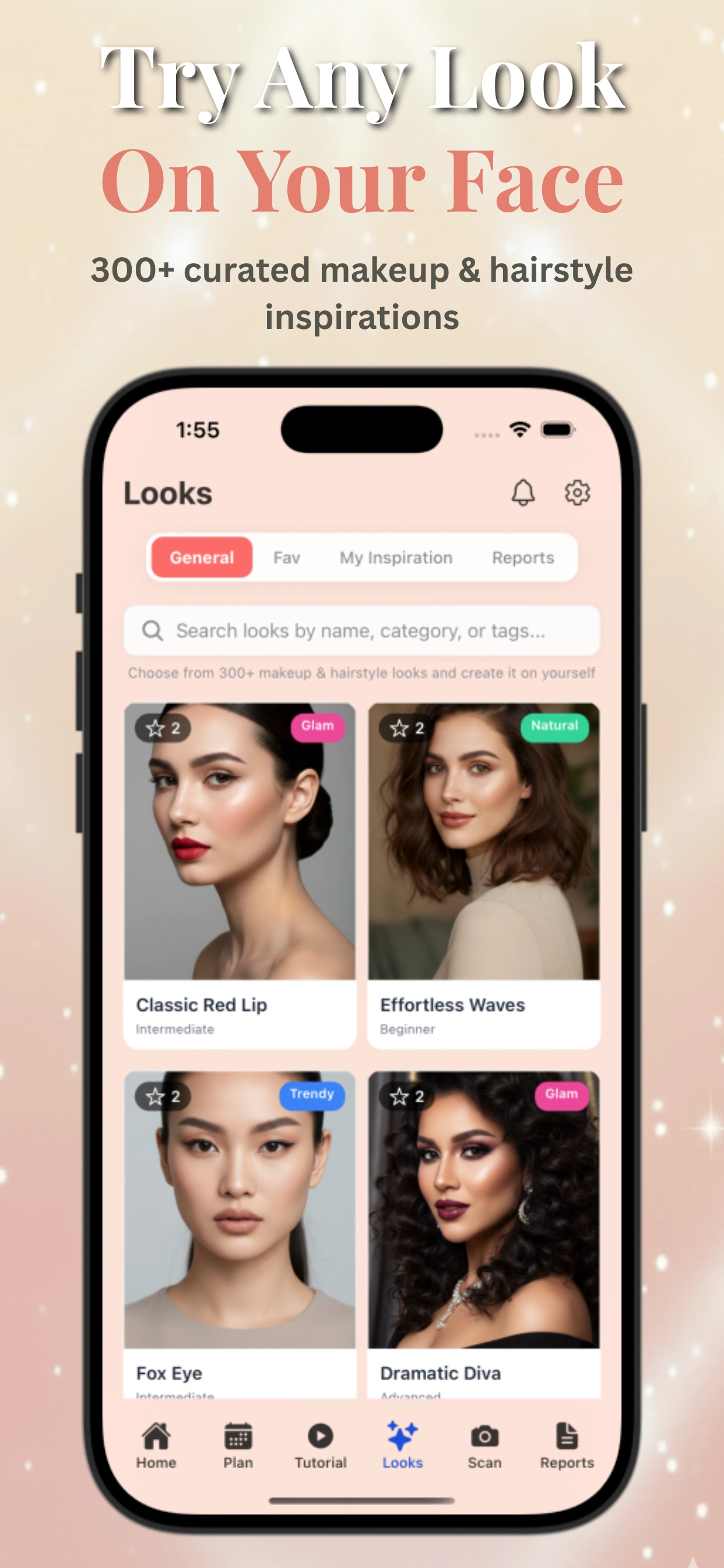
Apps like Makeup Check AI let you virtually try on hundreds of smudge proof makeup products to see which shades and finishes suit you best—before you buy. Use their AI-powered reports to discover product picks tailored to your skin type and lifestyle. The app considers your undertone, concerns (like oiliness or dryness), and even local weather data to recommend ideal options. This means you can avoid costly makeup mistakes and invest in products that truly deliver on long wear promises.
Section 4: Application Techniques for Maximum Wear
Layer Strategically for Smudge Proof Results
Product layering is the secret to smudge proof and transfer proof makeup. Thin, even layers grip better and last longer than thick applications. Here’s how to apply for maximum wear:
- Start with a small amount and build slowly. For example, use one pump of foundation and only add more if you need extra coverage in certain areas.
- Let each layer set before adding more—especially foundation and concealer. Wait 30-60 seconds between layers to avoid caking.
- Press (don’t rub) makeup into skin with a sponge or brush. Pressing helps meld product with your skin and primer, creating a more seamless, locked-in effect.
- For powder products, use a fluffy brush and tap off excess before applying. Pat powder into the skin (especially under eyes and T-zone) rather than sweeping, to avoid disturbing your base.
For eye makeup, use tapping motions with your finger or a dense brush to apply cream shadows. For blush and bronzer, try layering a cream formula under powder for double the staying power.
Setting Makeup: Powder and Spray
Setting products are your best friend for how to make makeup last. Translucent powders absorb oil and lock in liquids. Setting sprays create a seal that resists environmental stressors. Here’s how to set your makeup for the longest-lasting result:
- Lightly dust powder over oily zones and under eyes to prevent creasing. Use a small, tapered brush for precision.
- "Bake" oily areas (like the sides of the nose or under the eyes) by applying a generous layer of loose powder, letting it sit for 3-5 minutes, then dusting off the excess. This is a favorite technique for makeup artists working with TV talent or brides.
- Use a long-wear setting spray as the final step. Hold the bottle 8-10 inches from your face and mist in an "X" and "T" pattern for even coverage.
- Some setting sprays offer finishes for different skin types—matte for oily, dewy for dry, or blurring for smoothing texture.
Pro Tips for Touch-Up Free Makeup
Even the best long lasting makeup can need a mid-day boost. Carry blotting papers and a travel-size setting spray for emergencies. Avoid touching your face or reapplying heavy layers, which can disturb the base and cause smudging. Additional tips include:
- Choose transfer proof products for areas that touch clothing or masks, such as jawline and cheeks.
- For lips, reapply only a thin layer if needed—removing excess with a cotton swab first prevents buildup.
- Use oil-absorbing sheets instead of powder for touch-ups on the go, to avoid a cakey appearance.
- If you need to refresh your makeup, a hydrating mist followed by gentle tapping with a sponge can revive and reset your look.
Section 5: Advanced Long Lasting Makeup Tips
Customizing for Skin Type and Climate
What works for one person may not work for another—especially when it comes to humidity, oiliness, or dry air. Customizing your routine is key to true smudge proof makeup. For those in hot climates, seek out waterproof, sweat-resistant formulas. In dry or cold environments, hydrating but long wear products are essential. Consider:
- Mattifying primers for oily or combination skin. These can reduce shine for up to 8 hours and often contain salicylic acid or witch hazel for pore control.
- Hydrating mists for dry skin that still want smudge proof results. Look for mists with glycerin, aloe, or squalane for a comfortable finish.
- Waterproof cream blushes and bronzers for extended wear. These resist sweat and humidity, making them ideal for outdoor events or summer days.
- For extremely humid climates, use powder-based foundations or mineral makeup, which can absorb excess moisture and reduce shine.
- For cold, dry climates, prep with an extra layer of moisturizer and avoid heavy powders that could accentuate flakiness.
It’s also worth considering your daily activities. If you exercise or commute, opt for products tested for active wear. Some brands label products as "gym-proof" or "sweat-proof."
Common Mistakes That Cause Makeup to Smudge
- Applying skincare too close to makeup time—wait at least 5-10 minutes for serums and moisturizers to absorb fully, especially if using rich creams.
- Skipping primer or using incompatible formulas (oil-based with water-based). Always match your primer and foundation base for best results—water with water, silicone with silicone.
- Heavy, cakey product buildup. Less is more: apply in thin layers and build only where needed.
- Setting only with powder—skipping setting spray. Both steps work together: powder absorbs oil, spray locks everything in.
- Neglecting to set under-eye concealer, which can crease and smudge easily due to blinking and facial movement.
- Using non-waterproof products for sweaty or tear-prone areas (e.g., mascara, eyeliner, brow gel).
With the right habits, you’ll see a dramatic improvement in all-day wear. Take time to learn your skin’s unique needs; sometimes switching just one product can make all the difference in longevity.
Insider Hacks from Makeup Artists
- Use a thin layer of eyelid primer under brow products for transfer proof arches. This prevents brow pencils or pomades from fading or smearing, especially in humid weather.
- Mix a drop of setting spray into cream foundation for built-in grip. This trick is popular backstage at fashion shows for flawless, long wear under hot lights.
- Layer powder blush over cream for a budge-proof flush. Start with a cream blush for color intensity, then "lock" it in with a coordinating powder shade.
- To prevent lipstick feathering, apply a clear, wax-based lip liner around your lip line before color application.
- For oily eyelids, dust translucent powder over primer before applying shadow for extra grip.
- Try "reverse blending"—apply setting powder first, then gently layer foundation on top for ultra-matte, transfer-proof results (works well for photoshoots).
Want to see how AI can help you avoid common pitfalls? Explore how AI makeup tools are transforming routines in our in-depth guide.
Section 6: Digital Tools & AI for Smudge Proof Results
AI Beauty Apps: Your Personalized Makeup Team
Technology is changing the way we approach long lasting makeup. With apps like Makeup Check AI, you can scan your face and receive instant, personalized reports on the best smudge proof and transfer proof products for your skin type, tone, and climate. These tools analyze your unique features and recommend:
- Product combinations that resist fading and smudging. The AI factors in your skin’s oiliness, undertone, and even how makeup performs in your specific city’s weather conditions.
- Custom tutorials for flawless application, with step-by-step videos showing exactly how to layer products for your face shape and skin concerns.
- Daily beauty plans with reminders to optimize wear, including cues to reapply SPF, blot oil, or refresh setting spray during long days.
- Feedback tools that let you rate product performance, helping the system refine future recommendations for even better results.
Try-On and Technique Analysis
Virtual try-on features let you preview 300+ looks—including classic long wear and transfer proof styles—directly on your face with live AR (augmented reality). You can compare how different foundations, lipsticks, and eyeshadows appear against your unique skin tone, lighting, and facial features. Makeup Check AI even offers video analysis to refine your technique, ensuring you get the most from your products and application method. For example:
- Record yourself applying foundation and receive instant feedback on blending, coverage, and streaks, with tailored tips for improvement.
- Get suggestions for adjusting brush pressure, product amount, or layering order to reduce smudging.
- See side-by-side comparisons of different product combinations, so you can choose the most transfer-proof options for your routine.
This data-driven approach reduces trial and error, saving time and money while boosting your confidence in achieving all-day perfection.
Integrating AI with Your Beauty Routine
Combine AI insights with traditional smudge proof makeup tips for best results. Use data-driven product matching, follow step-by-step tutorials, and track your progress over time for continuous improvement. Apps like Makeup Check AI save your favorite looks, track which products last longest on your skin, and can even send reminders to restock hero items before you run out.
For more on how AI is revolutionizing beauty, visit our post on Makeup AI and personalized technology. As AI continues to evolve, expect even smarter, more personalized recommendations—tailoring your makeup routine for every season, skin change, and personal style shift.
Conclusion
Achieving truly smudge proof makeup is a blend of science, technique, and personalized product selection. From prepping your skin to mastering application and leveraging AI-powered advice, every step builds towards long lasting, transfer proof beauty that stands up to real life. Be patient as you refine your routine—small tweaks in prep or application can make a significant difference. Experiment with the tips above, try virtual makeovers with Makeup Check AI, and enjoy flawless all-day wear—no matter your skin type or schedule.
Remember, consistency is key: always prep your skin, select products suited for your environment, and don’t underestimate the power of modern tools like AI. With a thoughtful approach, you’ll enjoy makeup that looks as fresh at 8 pm as it did at 8 am—even through office days, events, or summer heat.
FAQ
Q: How do I make my makeup smudge proof in humid weather?
A: Use waterproof and sweat-resistant formulas, apply primer, and set makeup with both powder and setting spray. Blot oil throughout the day to maintain a matte finish. Consider carrying blotting papers or oil-absorbing sheets, and opt for powder blushes and bronzers for best results. When possible, touch up with a fine mist setting spray to refresh and lock in your look.
Q: What’s the best way to keep lipstick from transferring?
A: Opt for transfer proof liquid lipsticks, or layer long-wear lip liner under your lipstick and blot between coats. Finish with a setting spray designed for lips if available. Avoid applying glosses or balms on top of transfer proof lipsticks, as this can break down the seal and lead to smudging. For extra insurance, use a tissue to gently blot and set each layer.
Q: Can AI really help me find long lasting makeup?
A: Yes—AI-powered apps like Makeup Check AI can analyze your skin, recommend smudge proof products, and guide your application for optimized wear. By taking your unique skin type, undertone, and living environment into account, these apps offer targeted solutions that often outperform generic advice. They’re especially helpful for discovering new formulas, reviewing product longevity, and correcting application mistakes with video feedback.
Q: Which makeup products are most likely to smudge?
La elección de una camiseta deportiva suele depender del ajuste, el tejido y las preferencias personales de cada aficionado. Quienes comparan alternativas pueden usar camiseta del club Liverpool como punto de partida para observar tipos de camiseta y detalles básicos. Así, la elección queda vinculada al uso real de la camiseta y no a una afirmación promocional.
A: Creamy eyeliners, non-waterproof mascara, and dewy foundation formulas are typically the first to fade or transfer without proper prep and setting. Lip glosses and high-shine lipsticks are also prone to smudging, especially during meals or in hot weather. To prevent these issues, always layer products strategically and use primers and setting sprays designed for longevity.