Best Makeup Foundation Primer: AI-Powered Personalized Picks for Flawless Skin
The best foundation primers for oily, dry, combo and textured skin - what actually keeps foundation flawless for 12 hours, what to skip, and how to pick with an AI skin analysis.

Estimated reading time: 12 min
Key Takeaways
Free tools for this guide (run in your browser, nothing uploaded):
- Foundation shade matcher (1,300+ shades)
- Undertone test (from a selfie)
- Skin tone finder
- The best makeup foundation primer enhances foundation longevity, smooths skin, and targets specific concerns like oiliness, dryness, or large pores.
- Primer choice should be tailored to your skin type—oily, dry, combination, or sensitive—for optimal results.
- Pore-filling primers minimize texture, while hydrating formulas boost radiance for dry complexions.
- AI beauty tools like Makeup Check AI can scan your face, analyze your skin, and recommend the ideal foundation primer. Try personalized looks, get instant feedback, and see how different primers work for your unique skin type—all in one app.
- Proper primer application ensures a flawless, all-day makeup look and supports skin health.
Table of Contents
- Section 1: What Is Makeup Primer and Why Is It Essential?
- Section 2: Types of Makeup Primers Explained
- Section 3: Choosing the Best Makeup Primer for Your Skin Type
- Section 4: Top-Rated Makeup Primers for Every Concern
- Section 5: How to Apply Primer for Flawless Foundation
- Section 6: AI and Technology: Personalizing Your Primer Routine
- Conclusion
- FAQ
Section 1: What Is Makeup Primer and Why Is It Essential?
The Role of Makeup Foundation Primer in Your Routine
Every flawless makeup look starts with the right base—and that means choosing the best makeup foundation primer tailored to your skin type and concerns. A quality foundation primer acts as an invisible buffer between your skin and foundation, smoothing texture, blurring imperfections, and boosting the longevity of your makeup. Whether you want a matte finish or a dewy glow, the right primer unlocks your foundation's full potential. Using a makeup foundation primer helps your foundation apply more evenly and last throughout the day, even in challenging weather or under lights. With AI beauty apps like Makeup Check AI, you can scan your face and get personalized recommendations for the best primers and application tips based on your unique skin profile.
- Smoothing: Fills in fine lines and evens out skin texture. For example, mature skin with visible lines can benefit from primers that contain silicone polymers, which settle into creases and create a smoother surface.
- Blurring: Minimizes the appearance of pores and blemishes for a soft-focus effect. This is especially useful under high-definition cameras or strong lighting, where imperfections are more visible.
- Grip: Creates a tacky base that helps foundation adhere better and last longer. A primer with a gripping effect, such as those formulated with plant-based polymers, can extend makeup longevity by hours—even through heat and humidity.
- Targeting: Addresses specific issues like oil control, dryness, or redness. For instance, a color-correcting green primer can neutralize redness in rosacea-prone skin, while mattifying primers with silica help control excess sebum production.
Do You Really Need a Foundation Primer?
If you've ever wondered whether primer is worth the extra step, consider what it actually does. For those with oily skin, a makeup foundation primer for oily skin can dramatically reduce midday shine and makeup meltdown. If you struggle with dry patches, a hydrating primer creates a smooth canvas, preventing foundation from clinging to flakes. Those with enlarged pores will find that a pore-filling primer makes a world of difference in how foundation sits and wears. The right primer can also help your makeup resist sweat, humidity, and even mask transfer. Apps like Makeup Check AI let you see the difference instantly with AI-powered before-and-after previews and personalized recommendations for the best makeup foundation primer for your skin.
Makeup artists often stress that primer is not just for special occasions. Everyday use prevents common issues like foundation oxidation (when your base turns orange over time), uneven wear, and patchiness. Moreover, primers can act as a shield, preventing pigments from settling directly into pores and potentially causing breakouts or irritation.
Primer vs. Moisturizer: What’s the Difference?
Moisturizers hydrate and prep the skin on a skincare level, while primers are formulated to perfect skin texture and help makeup perform better. While some primers contain skin-loving ingredients, their main job is to enhance your makeup—think of moisturizer as skincare and primer as a makeup enhancer.
It’s crucial to distinguish the function of each product in your routine. Moisturizer is generally applied first, providing hydration and, in many cases, added skin benefits like antioxidants or SPF. Primer comes next, creating a uniform surface for makeup. Some hybrid products can blur the line—such as hydrating primers with added skincare benefits—but if you have dry skin, it’s best not to skip your dedicated moisturizer.
Section 2: Types of Makeup Primers Explained
Silicone-Based Primers
Silicone primers are best known for their smoothing, pore-filling powers. They create a silky layer on your skin, blurring imperfections and helping foundation glide on seamlessly. Look for ingredients like dimethicone or cyclopentasiloxane. These are often the best makeup foundation primers for oily, combination, or textured skin, as they control shine and minimize pores.
- Pros: Superior blurring and smoothing, long-lasting grip. Silicone-based primers are also water-resistant, making them ideal for humid climates or long events.
- Cons: Can feel heavy for very dry or sensitive skin types. Some people may experience clogged pores if they don’t thoroughly cleanse at night.
Example: Smashbox Photo Finish Foundation Primer is a classic silicone-based option that’s become an industry benchmark for its smoothing and long-wearing properties.
Water-Based and Hydrating Primers
If your complexion is dry, tight, or flakey, water-based primers deliver essential moisture and a radiant base. These formulas absorb quickly and feel lightweight. They often contain humectants like hyaluronic acid and glycerin to attract water to the skin, making them the best makeup foundation primer for dry skin.
- Pros: Lightweight, hydrating, enhances glow. Water-based primers are less likely to cause breakouts and are suitable for layering under both water and silicone-based foundations (though matching bases is ideal).
- Cons: May not control oil for long periods. If you have combination skin, you may need to pair with a mattifying product on the T-zone.
Example: Milk Makeup Hydro Grip Primer is a popular water-based option that uses blue agave extract for a sticky, long-wearing base and hyaluronic acid for intense hydration.
Mattifying and Oil-Control Primers
Those with oily or combination skin benefit from mattifying primers that absorb excess oil and keep shine at bay. Ingredients like silica, kaolin clay, or salicylic acid help regulate sebum, making these formulas the best makeup foundation primers for oily skin.
- Pros: Controls shine, extends makeup wear, minimizes oil breakthrough. These primers are excellent for events, photoshoots, or hot climates where makeup longevity is a challenge.
- Cons: Can feel drying if overused or not paired with moisturizer. If your skin is only oily in certain areas, try applying mattifying primer just on the T-zone.
Example: Becca Ever-Matte Poreless Priming Perfector is a cult-favorite for oily skin, providing a velvety, shine-free finish for hours.
Pore-Filling Primers
Pore-filling primers are often silicone-based but may also include blurring powders or polymers. They work by filling in uneven skin texture and large pores, creating a smooth, even finish under foundation. If you struggle with visible pores, these are must-haves.
- Pros: Instantly smooths, soft-focus finish, ideal for textured areas. They’re especially effective on the nose, chin, and cheeks where pores are most prominent.
- Cons: Can be too occlusive for acne-prone skin if not removed thoroughly. Always double cleanse to prevent build-up.
Example: Benefit POREfessional is a top pick for blurring and minimizing large pores, with a lightweight balm texture that works under or over makeup.
Color-Correcting Primers
Some primers are tinted—green to neutralize redness, peach for dark circles, lavender for sallowness. These are helpful for those with specific tone concerns but are best used in targeted areas.
- Green-tinted primers: Neutralize redness from acne, rosacea, or irritation. For example, Smashbox Photo Finish Reduce Redness Primer is a green-tinted formula designed for this purpose.
- Peach or orange-tinted primers: Brighten dark under-eye circles or hyperpigmentation on deeper skin tones.
- Purple/lavender-tinted primers: Correct yellow or sallow undertones, restoring brightness to dull complexions.
Remember, color-correcting primers should be used sparingly—apply only to the areas of concern and blend thoroughly before layering foundation.
Section 3: Choosing the Best Makeup Foundation Primer for Your Skin Type
Primer for Oily Skin
Oily skin types need a primer that offers oil control, minimizes shine, and helps foundation stay put through heat, humidity, or long days. Look for mattifying, pore-blurring formulas containing silica, clay, or niacinamide. Popular picks include:
- Benefit POREfessional: A cult-favorite pore-filling primer with a matte finish. It minimizes the look of pores on the nose and cheeks and keeps foundation from breaking apart.
- Smashbox Photo Finish Control: Mattifies and helps control excess oil. Contains salicylic acid, which helps prevent breakouts while controlling sebum.
- Fenty Beauty Pro Filt’r: Lightweight, soft matte primer for oily and combination skin. The formula is designed to last up to 12 hours without needing touch-ups.
For those with extremely oily skin, consider layering a thin blotting powder over your primer before applying foundation for maximum oil control. Or, use the Makeup Check AI app to scan your T-zone and get custom product suggestions for stubborn shine, helping you find the best makeup foundation primer for oily skin in seconds.
Primer for Dry Skin
Dry skin requires hydration and a base that prevents foundation from clinging to dry patches. Choose primers with hyaluronic acid, glycerin, or squalane. Top options:
- Too Faced Hangover Replenishing Primer: Coconut water and probiotics hydrate and soothe. This primer also helps reduce redness and inflammation caused by dryness.
- Milk Makeup Hydro Grip: Infuses skin with moisture and creates a dewy, grippy base. The formula is vegan and cruelty-free, suitable for sensitive, dry skin types.
- e.l.f. Hydrating Face Primer: Affordable, nourishing, and great for sensitive, dry skin. Contains vitamins A, C, and E for added antioxidant benefits.
Tip: For extra-dry skin, apply a hydrating serum before your primer to lock in moisture and create the smoothest foundation canvas.
Section 6: AI and Technology: Personalizing Your Primer Routine
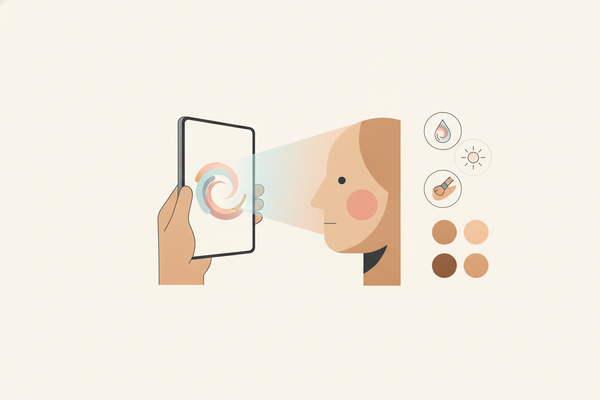
Technology is transforming how we find the best makeup foundation primer. AI-powered beauty apps like Makeup Check AI scan your face to analyze skin type, texture, and concerns in seconds. This personalized data helps recommend primers that perfectly match your needs—whether you need oil control, hydration, pore minimization, or color correction.
With AI makeup generators, you can preview how different primers and foundation combinations will look on your skin before buying. This reduces guesswork and product waste, ensuring you invest only in primers that truly enhance your makeup routine.
Personalized primer recommendations can also adapt as your skin changes with seasons, lifestyle, or age. This dynamic approach helps maintain flawless, long-lasting makeup every day.
FAQ
What is the best makeup foundation primer?
The best makeup foundation primer depends on your skin type and concerns. Silicone-based primers excel at smoothing and pore-filling, water-based primers hydrate dry skin, and mattifying primers control oil. AI tools like Makeup Check AI can help identify your perfect primer match.
How do I choose a foundation primer for oily skin?
Look for mattifying primers with ingredients like silica, clay, or salicylic acid to control shine and oil production. Pore-filling primers also help create a smooth base. Using AI apps can give you personalized product suggestions tailored to your oily skin.
Can a primer improve foundation wear time?
Yes. Primers create a smooth, adhesive base that helps foundation last longer and resist fading, melting, or patchiness throughout the day.
Is primer necessary if I have dry skin?
Absolutely. Hydrating primers prevent foundation from clinging to dry patches, boost radiance, and create a smooth canvas for flawless application.
How does AI help in finding the best makeup foundation primer?
AI analyzes your unique skin features from a selfie, including texture, oiliness, and redness, to recommend primers that address your specific needs. It also allows virtual try-ons to see how different primers perform before purchase.