Makeup Score Interpretation: A User Guide with AI Makeup Generator
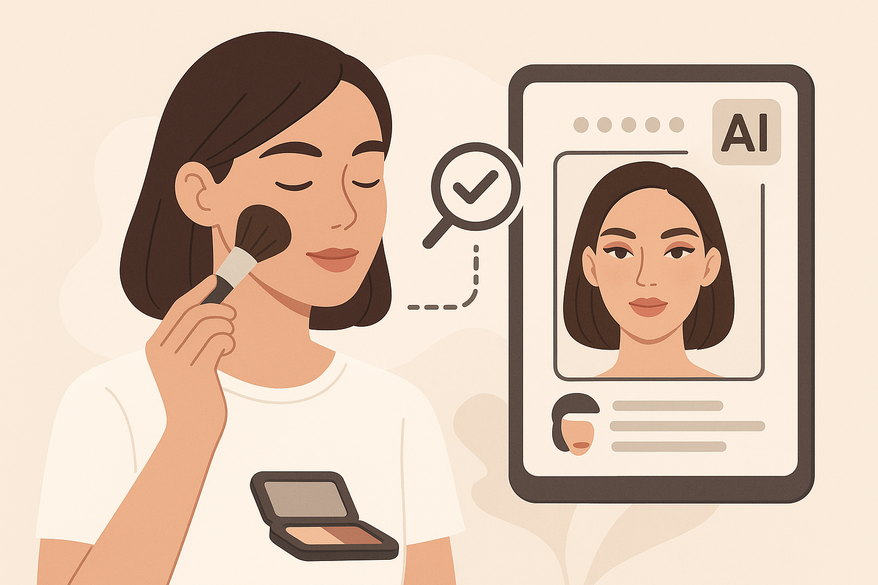
Discover how makeup score interpretation enhances your routine, using an AI makeup generator for precise, personalized beauty assessments and improvements.

8 min read
Key Takeaways
- Makeup scores quantify technique, product compatibility, and skin harmony using advanced AI analysis as of 2026.
- AI makeup generators now deliver real-time, hyper-personalized scoring and feedback using 2026-level computer vision and ingredient databases.
- Step-by-step interpretation helps prioritize strengths and weaknesses, with more granular subscores and actionable suggestions.
- Integrating AI tools accelerates skill improvement with data-driven insights and adaptive tutorials.
- Practical tips and 2026 user case studies illustrate measurable score gains and the impact of new product categories.
Table of Contents
- Understanding Makeup Score Interpretation
- Step-by-Step Guide to Interpreting Your Makeup Score
- Integrating Technology: AI Makeup Generator
- Practical Tips and Techniques to Improve Your Makeup Score
- Case Studies or User Examples
- Conclusion
- Additional Resources
- FAQ
Understanding Makeup Score Interpretation
Makeup score interpretation in 2026 leverages AI-powered analysis to break down your look into detailed metrics. These scores blend objective assessments of technical skill, product compatibility, and skin harmony, using up-to-date standards and ingredient safety data. Key factors include:
- Application technique – precision of blending, color transitions, and edge control measured by high-resolution photo analysis.
- Product usage – quality of formulations, ingredient safety (now cross-checked with 2026 ingredient-risk databases), and suitability for your skin type.
- Skin tone compatibility – harmony between makeup hues and natural complexion, with AI now able to detect subtle undertone mismatches.
- Skin clarity and evenness – texture, hydration, and blemish minimization, with AI scoring skin health as a separate metric.
- Artistic choices & trend alignment – creativity and adherence to current (2026) styling cues, including trending color palettes and eco-friendly product use.
Current evaluation systems include geometric facial analysis and ingredient-risk aggregation, now updated with 2026 ingredient safety data. A sample 2026 report might look like:
- Total score: 88/100
- Subscores: Technique 92, Skin Compatibility 85, Creativity 80, Ingredient Safety 95
- Recommendation: “Improve blending at hairline; try new peptide-infused foundation for enhanced skin texture.”
Understanding these components enables you to interpret your updated beauty rating and precisely target areas for improvement.
Step-by-Step Guide to Interpreting Your Makeup Score
- Identify Report Sections
- Technique – blending precision, edge sharpness, and application symmetry.
- Product Use – formulation quality, ingredient safety, and skin match.
- Skin Compatibility – undertone harmony, coverage evenness, and skin health.
- Creativity – trend alignment, color innovation, and sustainability (new for 2026).
- Understand Metric Definitions
- High values (90+) indicate mastery: seamless gradients, perfect shade matches, and safe, effective product use.
- Low values (below 70) signal growth areas: uneven application, mismatched tones, or flagged ingredients.
- Spot Strengths vs. Weaknesses
- Confirm what works by locating your highest subscore—often Technique or Ingredient Safety in 2026.
- Prioritize the lowest subscore—now often Creativity or Skin Compatibility—for targeted improvements.
- Review Comments & Suggestions
- Look for AI-generated notes like “foundation slightly cool for undertone” or “try peptide-based primer.”
- Implement actionable tips: “blend with a silicone-free sponge,” “switch to mineral-based setting powder.”
- Prioritize Improvements
- Tackle your weakest category first for the fastest score boost—often linked to new product innovations in 2026.
- Plan incremental practice sessions, product swaps, or ingredient upgrades.
Mini–Example Interpretation (2026): If your skin compatibility subscore is 68/100, switch to a foundation with bio-adaptive peptides or a serum-infused base for instant texture and hydration improvements.
Integrating Technology: AI Makeup Generator
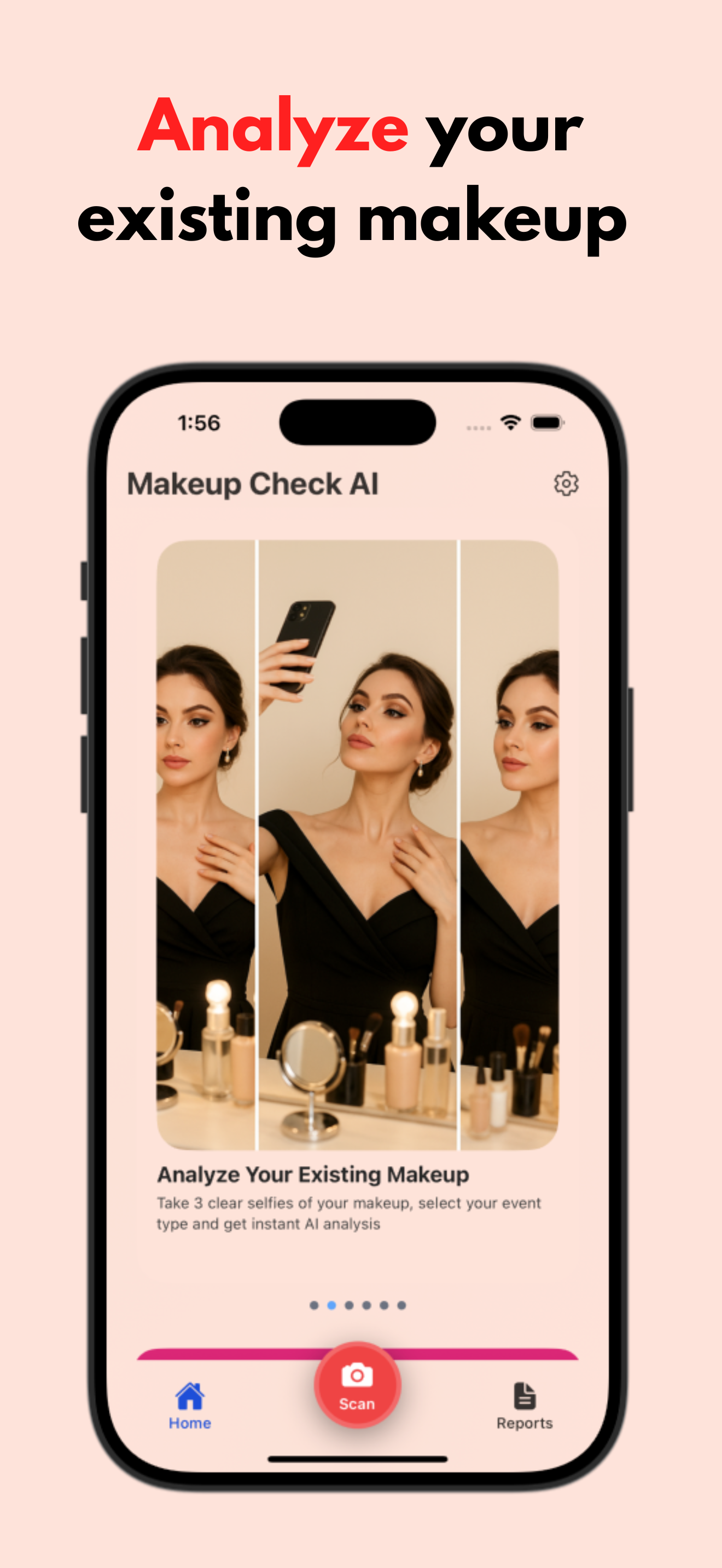
The 2026 AI makeup generator analyzes your photos and preferences, scores your look, and recommends enhancements using the latest machine learning and ingredient databases. The process unfolds in three stages:
- Input Stage – upload selfies or select style goals (e.g., “eco-glow,” “graphic liner,” “AI-inspired trends”).
- Analysis Stage – AI compares your features and makeup against a 2026 database of curated looks. Advanced geometric and color-matching models produce subscores for technique, compatibility, creativity, and ingredient safety.
- Output Stage – receive a personalized makeup score along with precise adjustments: trending shade swaps, product recommendations (now including sustainability ratings), or technique tweaks.
Watch a demo video:
Benefits in 2026:
- Real-time, data-driven feedback with improved accuracy accelerates learning.
- Virtual try-on now includes AR overlays and ingredient safety warnings before you buy.
- Personalized tutorials adapt to your facial features, product history, and score-identified weaknesses.
- Integration with ingredient databases and allergy alerts for safer product use.
By blending 2026-level AI insights with makeup score interpretation, you gain a dynamic, personalized roadmap for continuous improvement and safer beauty routines.
Practical Tips and Techniques to Improve Your Makeup Score
Technique Enhancements (2026)
- Blending – use a damp, latex-free sponge in circular motions for seamless gradients; try AI-recommended brush types for your face shape.
- Contouring – follow your bone structure, use cream-based sticks for natural definition, and soften edges with peptide-infused setting sprays.
- Precision – employ ultra-fine, eco-friendly brushes for eyeliner and lip definition; check symmetry with your AI app’s live overlay.
Product Selection Guidelines (2026)
- Choose formulas tailored to your skin type: oil-control for oily, peptide-rich for mature, hydrating for dry. Source: Yuka Cosmetics Scoring
- Match undertones by testing on the jawline in indirect daylight, and let the AI analyze for subtle mismatches.
- Avoid high-risk or banned ingredients flagged by updated ingredient-scoring apps (now with global 2026 safety standards) to maintain skin health.
- Check for allergy alerts and microplastic-free certifications, which are increasingly important in 2026.
Routine Adjustments
Incorporate a primer matched for your skin’s needs (hydrating, mattifying, or peptide-based). Use a layering order recommended by the AI: skincare → primer → color products → setting products. Finish with a blue-light-protective setting spray if you’re often in front of screens.
Feedback Loops
Re-scan your look weekly in the AI makeup generator to monitor progress. Log score changes and note which technique or product swaps caused improvements. Use the app’s trend tracker to see how your style aligns with 2026’s most popular looks.
Case Studies or User Examples
Case Study A: Technique-Focused Improvement (2026)
Profile: User A scored 62/100 overall; 58 in blending.
Action: Followed the AI’s updated buffer brush tutorial and used the live AR overlay to correct symmetry.
Result: Technique subscore rose to 87; overall score improved to 84.
Observation: Consistent practice and real-time feedback smoothed foundation gradients and improved edge control.
Case Study B: Product Compatibility Enhancement (2026)
Profile: User B scored 54 in skin compatibility due to reactive ingredients.
Action: Switched to fragrance-free, ceramide- and peptide-rich formulas with allergy alerts enabled. Source: Yuka Cosmetics Scoring
Result: Skin compatibility subscore increased to 83; texture and redness issues reduced.
Observation: Healthier skin improved makeup adherence, and AI-flagged ingredient swaps led to longer-lasting wear.
Case Study C: Creativity and Trend Alignment (2026)
Profile: User C scored 70 in creativity.
Action: Used the AI’s trend tracker to try a "holographic liner" look and eco-certified products.
Result: Creativity subscore increased to 88; overall score rose to 90.
Observation: Staying current with 2026 trends and sustainable products improved both creativity and ingredient safety scores.
Conclusion
Makeup score interpretation in 2026 clarifies your path to artistry by dissecting complex evaluations into actionable, personalized insights. Integrating a modern AI makeup generator brings precision, instant feedback, ingredient safety, and virtual try-ons to your routine. Use this guide’s step-by-step process, practical tips, and 2026 case studies to craft your improvement plan. Analyze your report, apply AI recommendations, and track your progress—your beauty journey is now smarter, safer, and more creative than ever!
Additional Resources
- Rate My Makeup Online Guide
- Understanding Makeup Score Methodologies
- Ingredient Safety & Evaluation Guide: Yuka Cosmetics Scoring
- Upcoming Post: Advanced Contour Techniques for Higher Makeup Scores (2026 Edition)
Stay tuned and keep scoring higher in 2026!
FAQ
- What is a makeup score?
A quantitative measure evaluating technique, product performance, skin harmony, and ingredient safety in your makeup application, using 2026 standards. - How does an AI makeup generator work in 2026?
It uses advanced computer vision and ingredient databases to analyze photos, score your look, and recommend enhancements tailored to your skin and product safety needs. - Which factors most impact my score?
Key drivers include blending precision, product compatibility, ingredient safety, skin tone match, and creative choices aligned with 2026 trends. - How often should I reassess my score?
Weekly check-ins are recommended to track improvements, adapt to new trends, and adjust techniques or products as ingredient data evolves. - Can I improve my score without AI?
Yes, by following targeted practice, product swaps, ingredient checks, and self-assessment guidelines outlined in this 2026 guide.