makeup for professional photoshoots: Step-by-Step App Guide for Every Look
Discover makeup for professional photoshoots with this app guide. Get camera-ready with pro tips, AI try-ons, and tailored looks for every occasion.

Estimated reading time: 15 min
Key Takeaways
- Master makeup for professional photoshoots with tailored advice for different occasions and camera settings.
- Discover how to prep skin, avoid flashback, and choose the right foundation, lashes, and colors for studio shoots.
- Get breakdowns for natural, soft glam, wedding guest, date night, festival, and job interview makeup looks.
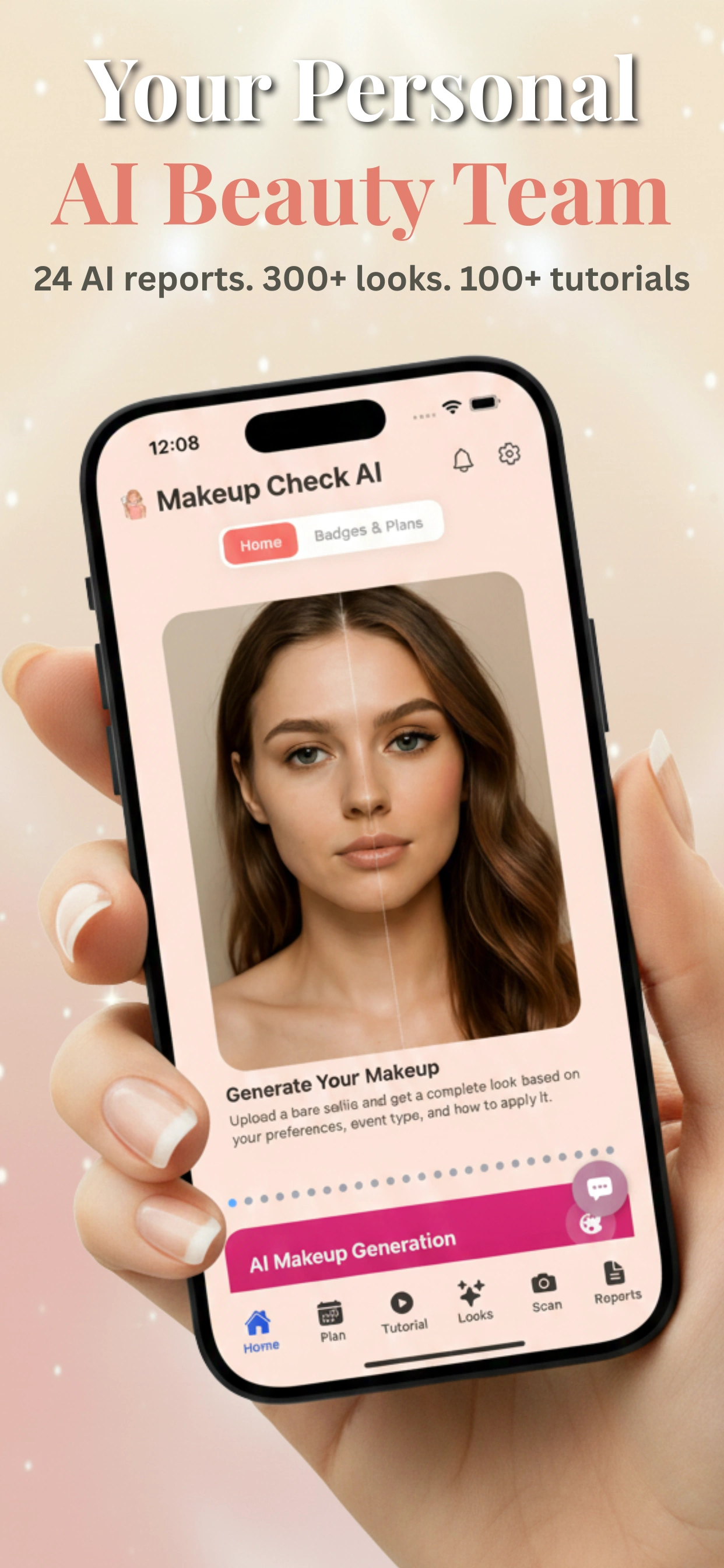
- Learn how Makeup Check AI can generate, customize, and help you practice any look before your session.
- Access actionable longevity and touch-up tips to keep your makeup flawless throughout long photo sessions.
Table of Contents
- Section 1: Camera-Ready Skin Prep Before Your Shoot
- Section 2: Foundation, Concealer, and Shine Control for the Camera
- Section 3: Essential Eye Makeup for High-Resolution Photos
- Section 4: Brows, Blush, and Lip Color for a Polished On-Camera Look
- Section 5: Tailoring Makeup for Every Photoshoot Occasion
- Section 6: Long-Lasting Makeup & Touch-Up Strategies for Photoshoots
- Conclusion
- FAQ
Section 1: Camera-Ready Skin Prep Before Your Shoot
Why Skin Prep Matters for Photoshoots
Flawless makeup for professional photoshoots starts with the right skin preparation. Studio lighting and high-resolution cameras reveal every pore and patch of texture. Whether you’re aiming for a radiant everyday natural makeup look or a bold fashion editorial, the quality of your skin prep determines how your makeup sits and photographs.
Step-by-Step Prep Routine
- Cleansing: Start with a gentle, non-stripping cleanser to remove oils and impurities. This prevents makeup from breaking down or slipping during the shoot.
- Exfoliation: Use a mild exfoliant (chemical or physical) 1–2 days before your shoot. This smooths texture and helps foundation glide on evenly.
- Hydration: Apply a lightweight, non-greasy moisturizer. Hydrated skin looks plump and healthy under the camera, but avoid heavy creams that can cause shine.
- Eye Cream: Dab under the eyes to minimize creasing and dryness, especially if you’ll be using concealer.
- Primer: Choose a primer suited to your skin type (mattifying for oily, smoothing for texture, hydrating for dry). For primer recommendations, see our primer guide.
SPF and Flashback: What to Avoid
For professional photoshoots, skip SPF in your base products. Sunscreens containing zinc oxide or titanium dioxide can cause a white cast (“flashback”) when photographed with flash. If you need sun protection, use a sunscreen designed for photography or apply it hours before makeup so it absorbs fully.
Real-World Example
Many makeup artists recommend prepping the skin with a hydrating toner and mist, then sealing with a primer. This creates a balanced canvas that minimizes texture and maximizes foundation longevity—crucial for everything from a no makeup makeup look to full glam.
Section 2: Foundation, Concealer, and Shine Control for the Camera
Foundation Finish and Coverage
The best makeup for professional photoshoots strikes a balance between natural skin and flawless coverage. Your foundation should be:
- Photo-friendly: Opt for liquid or cream formulas labeled as HD or camera-ready. Avoid mineral SPF or heavy dewy foundations that reflect flash.
- Medium to Full Coverage: This helps even out redness or discoloration, especially for headshots and branding shoots. For a more natural everyday makeup look, sheer out with a damp sponge.
- Matte or Satin Finish: Dewy finishes can translate as oily or sweaty on camera. A satin finish offers a healthy glow without unwanted shine.
Concealer Techniques
- Color Match: Use a concealer that matches your foundation exactly for blemishes, and one shade lighter for under-eyes to brighten.
- Application: Pat, don’t rub. Use a precise brush or your fingertip to target only the areas that need extra coverage.
- Blend Well: Edges should disappear into the foundation for an undetectable finish.
Powder and Shine Control
Studio lighting accentuates shine, especially on the T-zone. Set foundation and concealer with a finely milled, translucent powder. Focus on:
- Forehead, nose, and chin
- Under the eyes (to prevent creasing)
- Sides of the nose and under the cheekbones for subtle contour
Avoid over-powdering, which can make skin look flat or cakey. Blotting papers are excellent for touch-ups between shots, especially for oily skin types.
Expert Tip:
Makeup Check AI’s reports analyze your skin undertone and type, recommending photo-safe foundation shades and finishes for your next shoot. Explore more on AI-powered personalization in our AI Makeup App guide.
Section 3: Essential Eye Makeup for High-Resolution Photos
How Cameras See Eye Makeup
Eyes are the focal point in most photos. High-resolution images demand more definition and careful placement. Even subtle looks require strategic layering to avoid looking washed out. Here’s how to adapt:
Shadow, Liner, and Definition
- Shadows: Use matte and satin shades for crease work; reserve shimmer for the lid or inner corner. Avoid chunky glitter, which can cause fallout and flashback.
- Liner: Tightline the upper lash line for invisible depth. A clean wing or soft smudge enhances shape. Use waterproof formulas to prevent transfer.
- Lower Lash Line: Smoke lightly with a taupe or brown for definition without harshness.
Lash Choices: Mascara, Individuals, or Strip Lashes?
- Mascara: Two to three coats of volumizing mascara lift the eyes. Waterproof is best for long sessions or humid conditions.
- Individual Lashes: Offer a customizable, natural boost. They’re ideal for job interview makeup or no makeup makeup looks where subtle enhancement is key.
- Strip Lashes: Great for soft glam makeup, wedding guest makeup, or fashion/editorial shoots. Choose wispy, lightweight bands that blend with your natural lash line.
Pro Tip:
Try on different lash styles virtually with Makeup Check AI before committing. The app’s AR beauty try-on feature lets you preview how each lash style photographs, reducing guesswork and ensuring a camera-ready result. For more on virtual try-ons, see the future of AR beauty try-ons.
Section 4: Brows, Blush, and Lip Color for a Polished On-Camera Look
Brows: Framing the Face
Brows anchor the face in photos. Sparse or overly bold brows can distract, so aim for a balanced, softly structured look:
- Fill in only where needed using a fine pencil or powder.
- Brush upward and outward for a natural, lifted effect.
- Set with a clear or tinted brow gel to hold shape all day.
Tip: Avoid overly dark or blocky brows, which can appear harsh in high-res close-ups.
Blush and Contour
- Blush: Choose a matte or satin finish in soft rose, peach, or mauve. Cream blushes work for dewy skin but must be set with powder for longevity.
- Placement: Smile and apply blush on the apples, blending upward toward the temples for a lifted effect.
- Contour: Light sculpting under cheekbones, jawline, and temples gives subtle definition. Avoid heavy contour, which can look muddy in photos.
Lip Color: Choosing the Right Shade
Your lip color should complement your skin tone, outfit, and the shoot’s mood. For professional headshots and job interview makeup, a rose, nude, or berry shade feels polished and neutral. For wedding guest makeup or date night makeup look, experiment with richer pinks, mauves, or a classic red for a statement.
- Matte and satin finishes last longer and minimize glare.
- Gloss can photograph beautifully for editorial or fashion shoots but may require frequent touch-ups.
- Line lips for crisp edges and to prevent feathering.
Quick Fix:
Use Makeup Check AI’s color-season analysis to match the best blush and lip tones for your undertone. Try the Free Color Analysis tool for instant, personalized suggestions.
Section 5: Tailoring Makeup for Every Photoshoot Occasion
Everyday Natural Makeup Look
For business headshots, job interview makeup, or branding sessions, opt for a fresh, no makeup makeup look. The goal is healthy, even-toned skin, softly defined eyes, and lips just a shade brighter than your natural tone. Stick to neutral mattes and soft browns for eyes, a touch of mascara, and a soft rose blush.
Soft Glam Makeup
Popular for engagement photos, soft glam makeup layers neutral shadows, glowy skin, and wispy lashes for a romantic yet polished effect. Blend warm browns in the crease, a champagne shimmer on the lid, and add subtle highlight on cheekbones. Lips can be nude, rose, or muted berry.
Wedding Guest and Date Night Makeup Look
- Wedding Guest: Slightly more drama than everyday; think bolder lashes, radiant blush, and a lip color that pops without outshining the couple.
- Date Night: Experiment with smudged liner, peachy blush, or a glossy lip that catches the light. Add highlight on the cupid’s bow for dimension.
Festival Makeup Ideas
For music festivals or creative shoots, embrace color and sparkle—but adapt for camera by keeping base makeup matte and layering shimmer in small, controlled areas (e.g., inner corners, cheekbones). Face gems, graphic liner, or bold lip colors photograph well with balanced skin and brows.
Makeup Looks for Beginners
New to photoshoot makeup? Start with a simple routine: moisturizer, primer, foundation, blush, mascara, and a tinted lip balm. Use Makeup Check AI’s 100+ tutorials to practice and adapt each step for your face shape and features. For more tips, check out our AI Makeup Tutorial guide.
Editorial, Fashion, and Engagement Shoots
Editorial and fashion looks allow more experimentation with color, texture, and bold shapes. Engagement shoots often favor soft glam or natural looks that enhance your unique features. Always consult with your photographer or creative director for the desired mood and lighting, then adapt your routine accordingly.
Section 6: Long-Lasting Makeup & Touch-Up Strategies for Photoshoots
Prolonging Makeup Wear
- Layer Creams and Powders: Apply cream blush or contour first, then set with a matching powder to lock in pigment and prevent fading.
- Setting Spray: Finish with a makeup setting spray to melt layers together and boost longevity. Choose a matte or dewy spray depending on your desired finish.
- Blotting Papers: Essential for removing excess oil and shine without disturbing the makeup.
On-Set Touch-Up Kit
Pack a small touch-up bag for long sessions. Include:
- Pressed translucent powder
- Blotting papers
- Lip color (for reapplication)
- Mini setting spray
- Disposable mascara spoolie (for separating lashes or brushing brows)
Quick Fixes for Common Issues
- Cakey Foundation: Mist with setting spray and press with a damp sponge to refresh.
- Creased Concealer: Gently tap out creases with your fingertip, then set lightly with powder.
- Smudged Liner or Mascara: Use a cotton swab dipped in micellar water for precision cleanup.
App-Driven Longevity Insights
Makeup Check AI provides personalized longevity reports, analyzing your makeup’s wear time, skin type, and environmental factors. Use this data to optimize your prep and touch-up routine for all-day perfection.
Conclusion
Getting your makeup right for professional photoshoots isn’t just about artistic skill—it’s about understanding how products interact with light, camera sensors, and your unique features. With the right prep, product choices, and occasion-specific tweaks, you can create a look that’s flawless both in person and on film. Whether you’re a beginner or an experienced beauty enthusiast, tools like Makeup Check AI make it easy to scan your face, generate personalized looks, and practice with AI feedback before the big day. For even more insight into the evolution of virtual beauty, read our in-depth post on how AI is revolutionizing beauty.
FAQ
Q: What makeup is best for professional photoshoots?
A: Opt for matte or satin finish, medium to full-coverage foundations, camera-safe concealers, finely milled translucent powder, and photo-friendly eye/lip products. Avoid SPF or products with flashback. Tailor your look to the shoot type (natural, soft glam, etc.) and lighting conditions.
Q: Should I wear SPF or dewy foundation for headshots?
A: Avoid SPF in your foundation or primer for headshots, as it can cause flashback. Dewy foundations may look greasy on camera—choose a satin or soft matte finish instead.
Q: How do I avoid flashback in photos?
A: Skip products containing zinc oxide, titanium dioxide, or silica, which cause flashback under flash photography. Use photo-tested, flash-friendly formulas and set with translucent powder that’s free of reflective ingredients.
Q: Are false lashes too much for professional headshots?
A: Not if chosen carefully. Opt for natural-looking individual lashes or lightweight strips that enhance your eyes without overpowering your features. Mascara alone is also effective for a subtle look.
Q: What lip color looks best in professional photos?
A: Neutral pinks, roses, nudes, or berries suit most skin tones and look polished on camera. For bolder looks, try classic reds or mauves, but keep the finish matte or satin for best results.
Q: How do I make my makeup last through a long photoshoot?
A: Layer cream and powder products, set with long-wear setting spray, blot shine as needed, and pack a touch-up kit with powder, lip color, and blotting papers for quick fixes between shots.