Machine Learning for Cosmetic Ingredient Discovery: Transforming Beauty
Explore how machine learning for cosmetic ingredient discovery is revolutionizing skincare and makeup innovation with smarter, safer, and faster solutions.

Estimated reading time: 7 min
Key Takeaways
- Machine learning accelerates cosmetic ingredient discovery and formulation.
- AI helps identify safer, more effective, and sustainable ingredients.
- Advanced data analysis enables rapid prototyping and testing of new products.
- Consumers benefit from personalized skincare and makeup solutions.
- Apps like Makeup Check AI leverage AI to deliver tailored beauty experiences.
Table of Contents
- Section 1: Introduction to Machine Learning for Cosmetic Ingredient Discovery
- Section 2: How Machine Learning Identifies Innovative Cosmetic Ingredients
- Section 3: Benefits for Skincare and Makeup Brands
- Section 4: Personalized Beauty Powered by AI
- Section 5: Future Trends and Challenges
- Conclusion
- FAQ
Section 1: Introduction to Machine Learning for Cosmetic Ingredient Discovery
Understanding the Basics
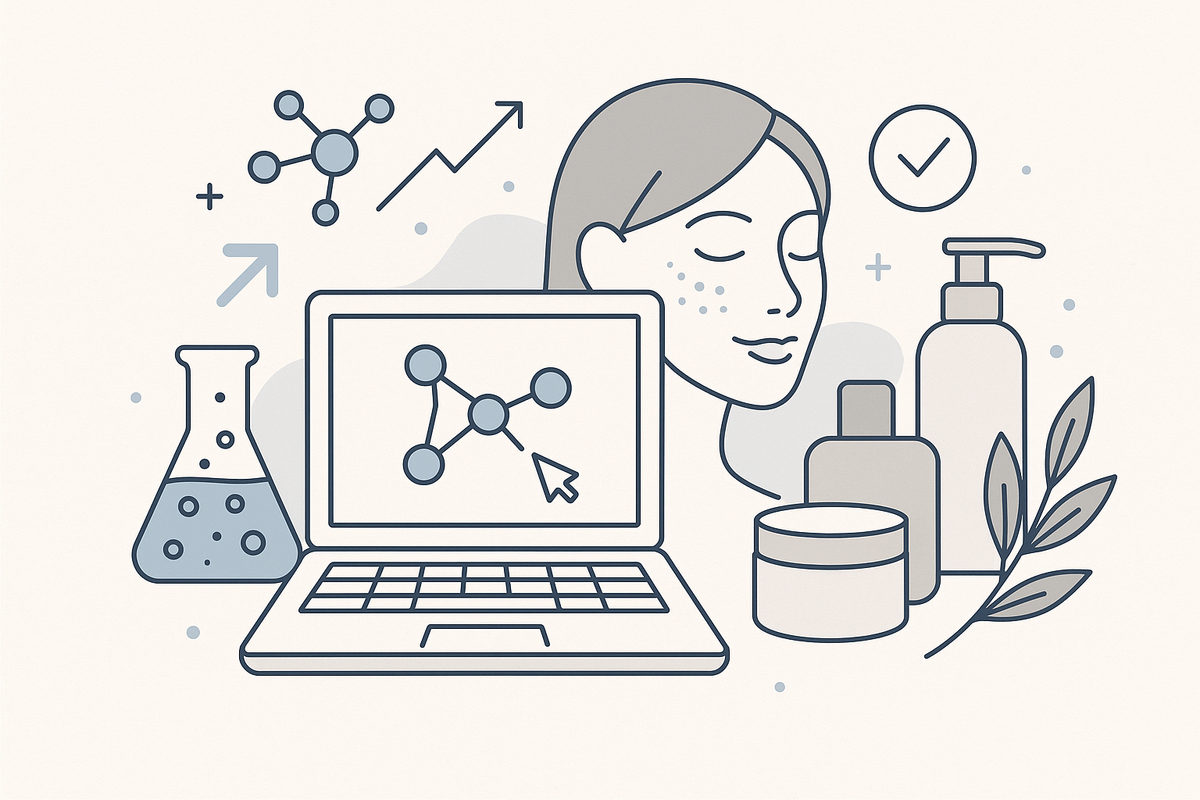
Machine learning for cosmetic ingredient discovery is revolutionizing how the beauty industry creates new formulations. By applying artificial intelligence (AI) and big data analytics, researchers can analyze thousands of compounds and their interactions with skin, hair, and other biological factors at record speed.
- Data-driven insights: AI algorithms process vast datasets from scientific literature, clinical studies, and historical ingredient performance.
- Innovative ingredient prediction: Machine learning models predict which molecules are likely to deliver desired cosmetic effects, such as hydration, anti-aging, or brightening.
- Reduced guesswork: Brands can bypass years of trial-and-error by leveraging AI-powered recommendations.
The Evolution of Cosmetic Science
Traditionally, ingredient discovery relied on manual research and slow, costly testing. Today, machine learning automates and accelerates this process, paving the way for safer, more effective, and eco-friendly formulas.
Section 2: How Machine Learning Identifies Innovative Cosmetic Ingredients
Predictive Modeling in Ingredient Research
At the core of machine learning for cosmetic ingredient discovery are predictive algorithms. These models analyze molecular structures and historical performance data to forecast new ingredients’ efficacy and safety.
- Pattern recognition: AI detects patterns in ingredient efficacy, allergenicity, and chemical stability.
- High-throughput screening: Machine learning screens thousands of ingredients digitally, narrowing the field to the most promising candidates.
- Safety profiling: AI anticipates possible side effects or sensitivities based on known molecular features.
Accelerating Sustainable and Natural Ingredient Discovery
Machine learning is especially valuable in identifying natural and sustainable ingredients. By integrating environmental data and green chemistry databases, AI helps brands find plant-derived or biodegradable alternatives without sacrificing performance.
Section 3: Benefits for Skincare and Makeup Brands
Efficiency and Innovation
Machine learning enables cosmetic companies to innovate faster than ever before. With AI, product development cycles shrink from years to months.
- Rapid prototyping: Brands can quickly test virtual formulations and optimize ingredient combinations before physical production.
- Cost savings: Reduced need for extensive in-lab testing lowers research and development expenses.
- Market differentiation: AI-driven ingredient discovery leads to unique, high-performance products that stand out.
Regulatory Compliance and Safety
Machine learning tools can also streamline compliance with international cosmetic safety regulations by flagging prohibited substances or allergenic compounds early in development.
Section 4: Personalized Beauty Powered by AI
Tailoring Ingredients to Individual Needs
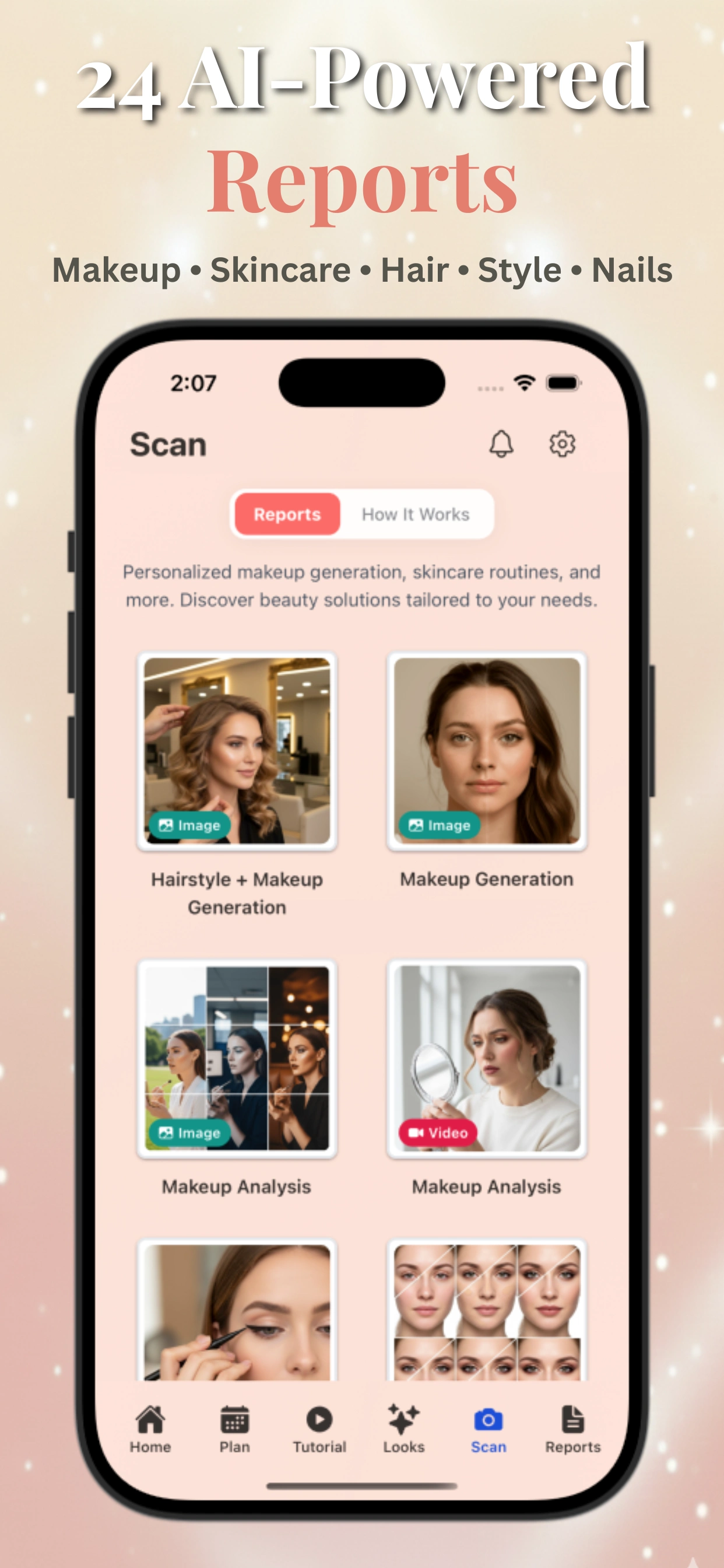
Just as machine learning is transforming ingredient discovery at the lab, AI beauty apps like Makeup Check AI are bringing personalization to consumers’ daily routines. These platforms analyze your unique skin profile and preferences, then recommend products or routines with ingredients optimized for your needs.
- Custom skincare routines: AI suggests cleansers, serums, and moisturizers matched to your skin type and goals.
- Ingredient transparency: Users can learn exactly which ingredients are in recommended products and why they were chosen.
- Continuous improvement: As you provide feedback, AI refines its recommendations for even better results.
Integration with Beauty Technology
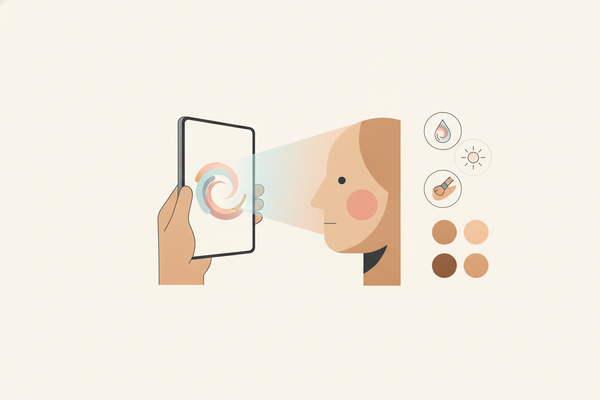
Modern AI beauty apps now deliver more than just product suggestions. With features like real-time skin scanning, color analysis, and video tutorials, platforms such as Makeup Check AI act as your personal beauty team, empowering you to make ingredient-based decisions with confidence. To explore how AI is personalizing beauty routines, see AI Makeup: The Future of Personalized Beauty Routines.
Section 5: Future Trends and Challenges
What’s Next for Machine Learning in Cosmetics?
The future of machine learning for cosmetic ingredient discovery points to even greater personalization, sustainability, and speed. As datasets grow and models become more sophisticated, expect:
- Real-time ingredient analysis integrated into beauty apps.
- Autonomous formulation tools that suggest new product concepts instantly.
- Deeper consumer insight via continuous feedback and biometric data.
Challenges to Overcome
Despite its promise, machine learning in cosmetics faces hurdles:
- Data privacy: Ensuring consumer information is secure and ethically used.
- Model transparency: Making AI decisions understandable for scientists and consumers alike.
- Global regulation: Navigating diverse safety and ingredient standards worldwide.
Conclusion
Machine learning for cosmetic ingredient discovery is transforming the beauty industry by enabling faster, safer, and more effective product development. As AI becomes more integrated into both research labs and consumer apps like Makeup Check AI, the future of beauty will be smarter, more personalized, and increasingly attuned to individual needs and values.
FAQ
Q: How does machine learning improve cosmetic ingredient safety?
A: Machine learning analyzes vast datasets to predict potential side effects, allergenicity, and regulatory issues before products reach consumers, reducing safety risks.
Q: Can AI recommend the best ingredients for my skin type?
A: Yes. AI beauty apps use facial analysis and questionnaires to suggest ingredients and products tailored to your unique skin profile and goals.
Q: Are machine learning-powered products better than traditional ones?
A: They offer faster innovation and potentially higher efficacy by leveraging data-driven insights, but results depend on the quality of data and model accuracy.
Q: Where can I learn more about AI in beauty?
A: Read Makeup AI: Revolutionizing Beauty with Personalized Technology for a deeper dive into AI-powered beauty advancements.