Improve Makeup Score Tips: Boost Your Beauty with Traditional Methods and an AI Makeup Generator
Discover improve makeup score tips using traditional methods and an AI makeup generator for personalized beauty enhancement.

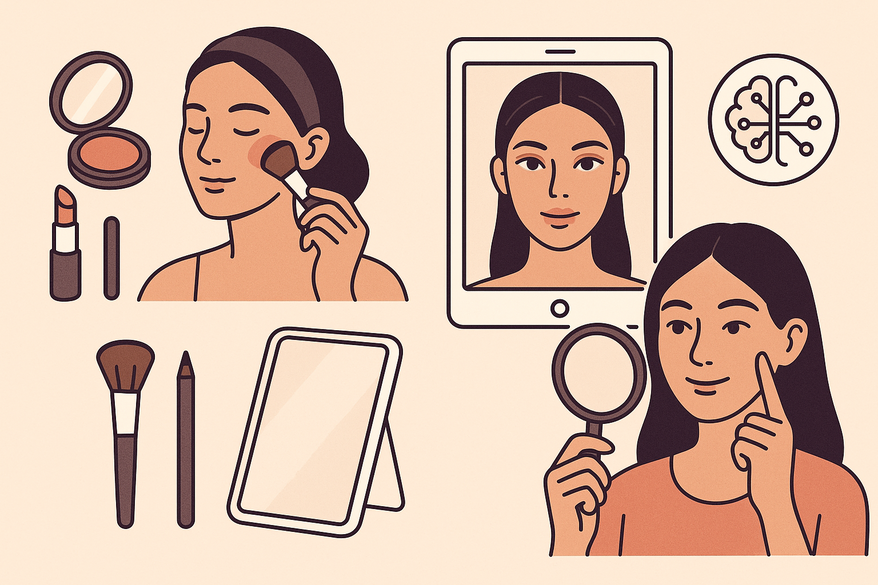
Estimated reading time: 8 minutes
Key Takeaways
- Understand makeup score: Standardized metric covering application quality, product safety, and aesthetics.
- Traditional methods: Canvas prep, product selection, application techniques, and tool hygiene.
- AI makeup generator: Personalized shade matching and virtual try-on with Makeup Check AI.
- Step-by-step guide: How to access, input data, review results, and implement suggestions.
- Integration: Blend manual artistry with AI precision for consistent, confident looks.
Table of Contents
- Understanding Makeup Score
- The Key Strategies
- Incorporating Technology with an AI Makeup Generator
- Step-by-Step Guide to Using an AI Makeup Generator
- Combining Traditional Techniques with an AI Makeup Generator
- Conclusion
Understanding Makeup Score
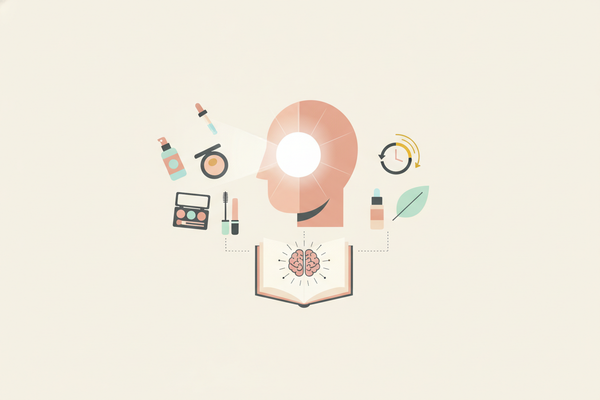
A makeup score is a standardized way to rate your look across three core dimensions:
- Application quality: How smooth and precise your makeup appears.
- Product safety: Assessment of ingredients for health and irritation risks.
- Aesthetic performance: Color match, trend alignment, and overall harmony.
Why it matters:
- Benchmarks your progress over time.
- Enhances transparency in product selection.
- Builds confidence in your beauty routine.
Key factors that influence your makeup score: product ingredient quality & safety (see Yuka evaluation guide), precision of application techniques, quality of tools, suitability for skin tone, and alignment with current beauty trends. For a deeper dive, visit Understanding Makeup Score.
The Key Strategies
Use these practical, easy-to-follow tips to lift your makeup routine and score.
Tip 1 – Prep the Canvas
- Cleanse: Remove dirt and oils with a gentle, pH-balanced cleanser suitable for your skin type.
- Moisturize: Hydrated skin plumps fine lines and ensures even product application. In 2026, barrier-repair moisturizers with ceramides and peptides are popular for prepping the skin.
- Prime: Use a silicone- or water-based primer tailored to your skin’s needs (e.g., mattifying for oily skin, hydrating for dry skin).
- Why it works: A smooth base makes blending seamless and long-lasting.
Tip 2 – Choose the Right Products
- Look for low-risk, high-performance formulas. In 2026, clean beauty certifications and AI-powered ingredient scanning apps (like Yuka and INCI Beauty) are widely used to assess product safety instantly in-store.
- Avoid hazardous or moderate-risk ingredients (see Yuka evaluation guide).
- Opt for products with transparent supply chains and allergen-free labeling; these are now standard among leading brands.
- Why it works: Safe products minimize irritation and deliver consistent results.
Tip 3 – Master Application Techniques
- Blending: Use small, dabbing motions for seamless transitions. In 2026, dual-fiber brushes and antimicrobial sponges are trending for their streak-free finish and reduced contamination.
- Contouring: Sculpt facial structure with light and dark shades, using cream or stick formulas for a natural, skin-like finish.
- Lining: Draw precise eyeliner and lip lines with short, light strokes. Gel pencils and liquid liners with flexible tips offer the most control.
Tip 4 – Match to Your Features
- Warm undertones: Peach and gold shades enhance warmth.
- Cool undertones: Pink and silver shades flatter cool complexions.
- Adapt face-shaping techniques for wide foreheads, round cheeks, or angular jawlines. In 2026, AI apps can scan your face and suggest the most flattering placements for blush and highlight.
Tip 5 – Use Quality Tools
- Brushes: Invest in synthetic, vegan brushes for foundation, blending, and angled liner applications. Many 2026 brushes include antimicrobial coatings for hygiene.
- Sponges: Use a damp beauty sponge for crease-free, airbrushed coverage. Replace sponges every 2-3 months for best results.
- Cleaning: Wash tools weekly with gentle soap and warm water, or use a UV sanitizing brush cleaner for extra protection.
Tip 6 – Avoid Common Mistakes
- Over-application: Less product prevents cakey looks. Build coverage gradually.
- Harsh lines: Soften edges with a clean brush or blending sponge.
- Mismatched tones: Always check makeup in natural daylight or use a daylight-mimicking LED mirror, now standard in many homes.
- Patch-test new products on your jawline for 24 hours before full use, especially if you have sensitive skin.
Tip 7 – Hygiene Matters
- Clean tools prevent breakouts and keep products pure.
- Method: gentle soap, warm water, and air dry on a clean towel. In 2026, quick-dry, antibacterial brush sprays are widely available for daily cleaning.
- Replace mascara and liquid eyeliners every 3-4 months to avoid eye infections.
Conclusion of tips: Photograph your final look, get feedback from friends, or use an AI makeup generator for objective scoring and improvement suggestions.
Incorporating Technology with an AI Makeup Generator
If you're looking for instant, personalized recommendations, Makeup Check AI delivers data-driven makeup suggestions based on your facial features and preferences. Its 2026 update offers real-time shade matching, ingredient safety checks, and AR-powered virtual try-on directly from your phone or desktop browser.
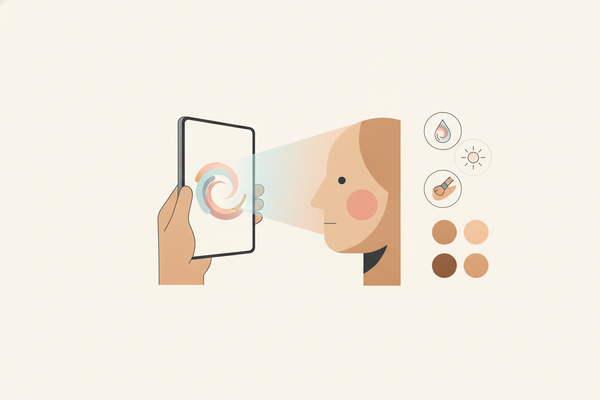
An AI makeup generator uses facial recognition and machine learning to provide tailored makeup suggestions:
- Facial analysis for tone, texture, and facial symmetry using advanced neural networks.
- Data-driven product and shade recommendations, including updated ingredient safety scores and allergy flags.
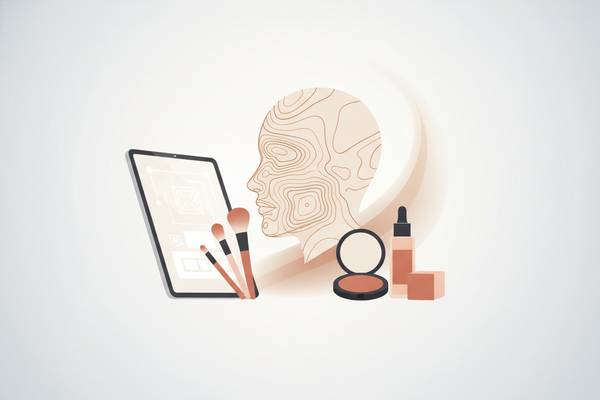
- Visual overlays showing application zones—now with dynamic 3D mapping for precise placement.
- Virtual try-on before you start, including real-time AR previews for lips, eyes, and complexion products.
Experiment with virtual try-on solutions like Real-Time Makeup Try-On for live previews. In 2026, these tools allow you to toggle between different brands and looks instantly, and even simulate makeup under various lighting conditions.
Step-by-Step Guide to Using an AI Makeup Generator
Want a quick demo? Watch how it works:
Step 1: Access the Tool
- Platforms: Makeup Check AI, BeautyPro AI, GlamourGenie, FaceArt Lab. In 2026, most offer free trials and tiered subscriptions (from $0 to $14.99/month for premium features).
- Choose based on features—Ingredient safety, AR try-on, or full makeup score tracking.
Step 2: Input Data
- Upload a clear, high-resolution face photo. Many apps now support live camera input for instant feedback.
- Enter age, skin concerns (acne, sensitivity, hyperpigmentation), and event type (work, party, wedding).
- Tip: Use indirect lighting and a neutral background. In 2026, apps will prompt you to adjust your position for optimal facial scanning.
Step 3: Select Preferences
- Style: natural, glam, editorial, or trending 2026 looks (e.g., "glass skin," "soft goth").
- Product categories: foundation, eyeshadow, blush, lip color, and even brow and lash recommendations.
- Coverage level: sheer, medium, or full. Some platforms now offer "skinimalism" presets for minimal, skin-focused looks.
Step 4: Review Results
- Recommended shades and brands, including links to purchase or ingredient analysis.
- Step-by-step application order, tailored to your skill level and face shape.
- Visual mock-up with digital makeup, now supporting side-by-side before/after and AR overlays in real time.
Step 5: Implement Suggestions
- Follow AI tips in your routine—many apps now offer voice-guided instructions as you apply.
- Blend and refine with manual techniques; adjust based on your personal preferences and lighting.
- Cross-check in real lighting and observe skin reaction. Log your results in the app for ongoing score tracking and trend analysis.
Combining Traditional Techniques with an AI Makeup Generator
Blending both approaches gives you the best of art and science:
Traditional Advice vs. AI Insights
- Manual blending with your brush vs. data-driven color analysis and placement guides.
- Freehand contour placement vs. precision overlay guides that adapt to your unique facial structure.
- Trial-and-error shade testing vs. instant feedback and matched shades, with ingredient safety flagged in real time.
Practical integration tips:
- Start with an AI-suggested shade, then tweak by eye for your lighting and preferences.
- Apply contour as AI shows, then blend with your go-to brush for a seamless finish.
- Track your makeup score in an app or journal; note manual and AI-driven changes to see what works best for you.
- Use AI-generated looks as inspiration, but trust your instincts and adapt for comfort and confidence.
Conclusion
Combining traditional makeup tips with an AI makeup generator helps you achieve safe, precise, and personalized results. With 2026’s advancements—like real-time AR try-on, ingredient safety scoring, and adaptive application guides—you’ll gain better product choices, smoother application, and more confidence in your look.
Experiment with these methods, share your progress, and try our recommended AI tool today. Bookmark these tips and subscribe for more beauty guides.
FAQ
What is a makeup score?
A makeup score is a numerical rating that evaluates your application technique, product safety, and aesthetic performance to help you improve over time. In 2026, many apps provide detailed breakdowns and trend analysis over multiple sessions.
How safe are AI makeup generators?
AI generators analyze only the image data you provide and suggest products based on algorithms; they do not store sensitive information. Always patch-test new products, and check for updated privacy policies as standards have improved in 2026.
Can AI replace traditional makeup application?
AI offers precise color matching, ingredient safety checks, and virtual try-on, but manual skills—like blending and contouring—still play a crucial role in achieving a flawless look.
How often should I review my makeup score?
Review your score whenever you introduce new products or techniques—ideally every 2–4 weeks—to track progress and make adjustments. Many apps now send reminders and trend reports.
Are AI recommendations accurate for all skin types?
Most AI tools perform well across a wide range of skin tones and textures, especially with 2026’s improved facial recognition algorithms. However, lighting conditions and photo quality still affect accuracy. Always cross-check in person and adjust as needed.