Designing Engaging Gamified Beauty Challenges to Elevate App Experiences
Discover how gamified beauty challenges invigorate app engagement with interactive tasks, rewards, and community building, driving user retention and brand loyalty.

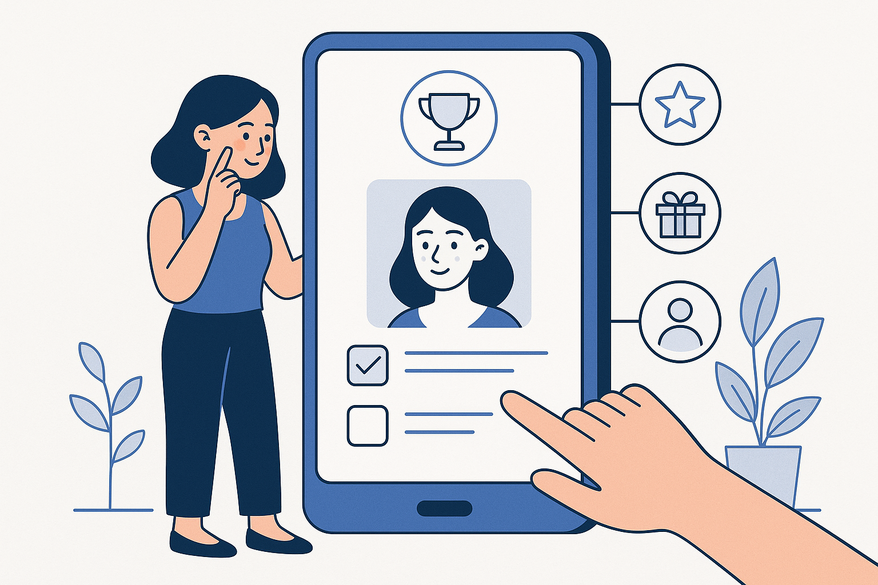
Estimated reading time: 8 minutes
Key Takeaways
- Gamified beauty challenges employ points, levels, badges, and leaderboards to motivate users.
- They drive higher engagement, longer session times, repeat visits, and stronger brand loyalty.
- Success stories include Sephora, L’Oréal, and in-app voting mechanics.
- Transform UX with interactive AR try-ons, virtual makeovers, and time-bound events.
- Effective rewards range from discount vouchers and free samples to early access and exclusive content.
- Implementation hinges on clear objectives, reward design, core mechanic integration, and content refreshes.
- Future trends point to AR/VR immersion, AI-driven personalization, and social community competitions.
Table of Contents
- Understanding Gamified Beauty Challenges
- Gamification in Beauty Apps
- User Experience and Engagement with Gamified Beauty Challenges
- Rewards and Incentives in Gamified Beauty Challenges
- Implementing Gamified Beauty Challenges
- Future Trends and Considerations for Gamified Beauty Challenges
- FAQ
Understanding Gamified Beauty Challenges
Core Mechanics of Gamified Beauty Challenges
- Points: Earned for watching AR tutorials, writing reviews, completing virtual try-ons; used as in-app currency.
- Levels: Points elevate users through tiers; higher levels unlock new badges and exclusive content.
- Badges: Digital tokens marking milestones (e.g., “First 5 Tutorials”), serving as social proof.
- Leaderboards: Public rankings fuel friendly competition with daily or weekly resets.
Typical User Journey
- Onboarding: Profile creation and beauty quiz unlocks beginner challenges.
- Tutorial Play: Watch a 2-minute AR makeup tutorial → earn 10 points.
- Level Up: Reach 50 points → attain the “Rising Artist” badge.
- Social Share: Share a virtual makeover on social media → bonus points awarded.
- Leaderboard Climb: Rank in the top 20 → receive an exclusive mini-challenge notification.
Brands ensure every interaction feels purposeful—turning beauty tasks into structured, motivational pathways.
Research: Snipp gamification examples, Bitly on cosmetic retail gamification, Glossy on Sephora’s gamified loyalty
Gamification in Beauty Apps
Top Three Benefits of Gamified Beauty Challenges
- Increased Engagement & Session Length: Sephora saw a 30% uplift in time spent per session after launching challenges for its 24 million members.
- Higher Return-Visit Rates: Fresh challenge loops boosted weekly active users by 25%.
- Enhanced Brand Loyalty: Incentive loops drove a 15% rise in repeat purchases.
Concrete Examples
- Sephora Beauty Insider Challenges: Tasks like shade matching, product reviews, and alerts; rewards include Beauty Insider Cash and exclusive badges. Outcome: 30% session uplift. Glossy case study.
- L’Oréal Makeup Genius and Beauty Squad: AR try-ons and social review rewards. Xoxoday gamification examples.
- In-App Voting on Makeup Looks: Weekly voting events earn bonus points and leaderboard rewards. Bitly article on in-app voting.
These examples layer game elements onto beauty tasks, cultivating active brand advocates.
Research: Snipp gamification examples, Xoxoday gamification examples, Bitly on cosmetic retail gamification
User Experience and Engagement with Gamified Beauty Challenges
- Interactive AR Try-Ons: Real-time virtual makeovers reduce purchase hesitation. See how AR try-on works: Makeup Check AI’s AR tutorial.
- Virtual Makeovers: Drag-and-drop tools encourage creative expression and social shares for badges.
- Leaderboards & Time-Bound Events: Weekly and seasonal events drive FOMO and daily log-ins.
“In one Sephora Daily Challenge, daily active users jumped by 22% as participants raced to top the leaderboard.”
— Snipp case study
By weaving these elements into the journey, apps convert routine browsing into dynamic, habit-forming experiences.
Research: Xoxoday gamification examples, The New Inquiry on gamifying beauty
Rewards and Incentives in Gamified Beauty Challenges
Common Reward Types
- Discount Vouchers: $10 Beauty Insider Cash for five completed challenges—drives immediate purchases.
- Free Product Samples: Mini-sizes encourage trial and review generation.
- Early Access: VIP previews of limited-edition collections spark urgency.
- Exclusive Digital Content: Members-only tutorials and masterclasses foster privilege and expertise.
How Rewards Drive Loyalty
- Discount voucher earners show a 20% higher repurchase intent.
- Free samples convert at a 40% future-purchase rate.
- Early access rewards generate a 35% social share rate.
- Exclusive content holders log 28% longer sessions.
Research: Snipp gamification examples, Xoxoday gamification examples, Bitly on cosmetic retail gamification, Glossy on Sephora
Implementing Gamified Beauty Challenges
Step-by-Step Guide to Launching
- Define Objectives: Align challenges with goals like user-generated content, installs, and conversions.
- Design Reward Structures: Map incentives such as shares and tutorials to points and badges.
- Integrate Core Mechanics: Embed points, levels, badges, and leaderboards with real-time tracking.
- Plan Periodic Refreshes: Use seasonal themes and influencer events to keep content fresh.
Best Practices
- Keep challenges on-brand with consistent tone and visuals.
- Ensure accessibility for all skill levels.
- Link challenge points with existing loyalty programs.
- Leverage analytics to iterate on difficulty and rewards.
Research: Bitly on retail gamification, Xoxoday gamification examples
Future Trends and Considerations for Gamified Beauty Challenges
- AR/VR Immersive Tutorials: 3D try-on rooms and multi-sensory demos.
- AI-Driven Personalized Pathways: Dynamic challenge recommendations based on user behavior and skin profile—see AI personalization tips.
- Social Sharing & Community Competitions: User-curated challenges and influencer events.
Forecasted Developments
- Cross-brand reward ecosystems with universal point redemption.
- Influencer-led real-time challenge streams.
- Balancing innovation with data privacy and user comfort.
Brands can integrate AI via Makeup Check AI for personalized makeup generation and analysis, helping users tackle challenges with creativity.
Research: Xoxoday gamification examples, Bitly on cosmetic retail gamification
FAQ
- What are gamified beauty challenges? Interactive tasks using game mechanics like points, levels, badges, and leaderboards to boost engagement in beauty apps.
- How do rewards impact user loyalty? Discounts, samples, and exclusive content incentivize repeat purchases, social sharing, and longer sessions.
- Which brands excel at beauty gamification? Sephora, L’Oréal, and community-driven voting platforms illustrate top examples.
- How can I implement these challenges? Define objectives, design meaningful rewards, integrate core mechanics, and refresh content regularly.
- What’s next for gamified beauty? Expect AR/VR immersion, AI-driven personalization, social competitions, and cross-brand ecosystems.