False Lashes for Different Eye Shapes: Ultimate Guide with AI Makeup Tips
Discover how to choose false lashes for different eye shapes with expert tips on eye shape identification, eyeshadow placement, and liner styles.
Estimated reading time: 15 min
Key Takeaways
- Identify your eye shape accurately to select false lashes and makeup techniques that best enhance your features.
- False lash styles can vary depending on eye shapes such as almond, round, hooded, monolid, downturned, close-set, wide-set, deep-set, and small eyes, with each shape potentially benefiting from different lash designs and makeup applications.
- Eyeshadow placement and eyeliner styles can be customized for your eye shape to enhance natural beauty and create effects like bigger, lifted, or more symmetrical eyes.
- Trimming false lashes to fit your eye width helps maintain lash shape, comfort, and a natural appearance without overhanging or gaps.
- Avoid common makeup mistakes for each eye shape, such as heavy lashes on small eyes or uncurled lashes for hooded eyes, which may detract from your overall look.
Table of Contents
- Section 1: How to Tell Your Eye Shape
- Section 2: False Lashes for Almond Eyes
- Section 3: Enhancing Round, Hooded, and Monolid Eyes
- Section 4: False Lashes for Downturned, Close-Set, and Wide-Set Eyes
- Section 5: Lashes for Deep-Set and Small Eyes
- Section 6: How to Trim False Lashes and Avoid Common Mistakes
- Conclusion
- FAQ
Section 1: How to Tell Your Eye Shape
Understanding the Basics of Eye Shapes
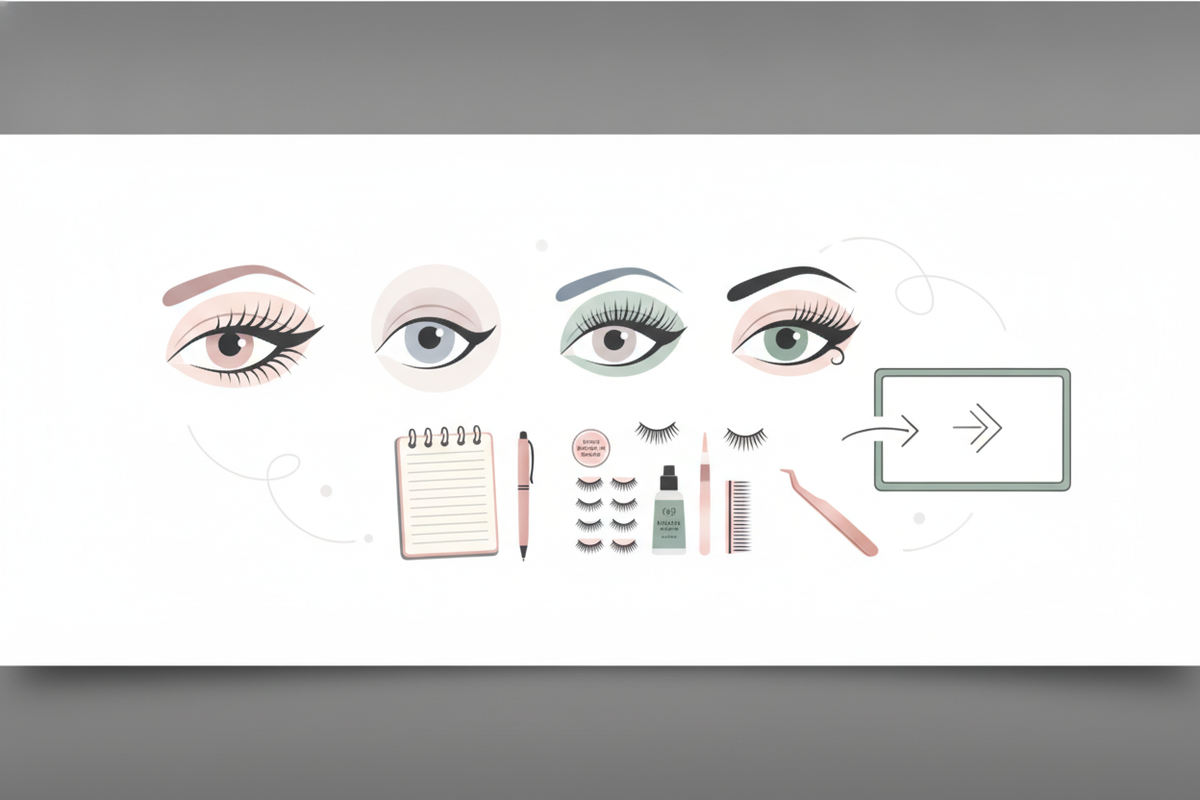
The foundation of choosing suitable false lashes and makeup lies in identifying your eye shape. Eye shapes vary widely, affecting how makeup looks and what styles may enhance your natural beauty best. Common eye shapes include almond, round, hooded, monolid, downturned, close-set, wide-set, deep-set, and small eyes. Each has characteristics that can influence how eyelashes and makeup techniques might be optimized for an appealing and comfortable result.
Steps to Identify Your Eye Shape
- Observe the visible crease: Stand in front of a mirror under natural light. Open your eyes naturally and observe if you can see a distinct crease above your eyelid. A visible crease often indicates almond or round eyes, while a hidden or absent crease suggests hooded or monolid eyes. For example, hooded eyes often have a fold of skin that partially or fully covers the crease when the eyes are open.
- Look at the outer corners: Examine the direction of your outer eye corners. Lifted or slightly upturned corners may suggest almond eyes, drooping or downward-tilted corners can indicate downturned eyes, and level corners may be characteristic of round or other shapes. A simple way to check is to draw an imaginary horizontal line from the outer corner of your nose through the outer corner of your eye. If the outer corner is below this line, your eyes may be downturned; if above, they may be upturned or almond-shaped.
- Examine eye size and spacing: Measure the distance between your eyes using a ruler or your finger. Close-set eyes generally have less than one eye-width space between them, which can create a more intense gaze. Wide-set eyes have more than one eye-width distance, lending an open, spaced-out look. This measurement can help inform lash density and placement to balance proportions.
- Check the eyelid coverage: Hooded eyes have skin folding over the crease, reducing the visible lid space, while deep-set eyes are set further back in the skull, often creating a shadowed effect around the eyes. Understanding this helps in choosing lash curls and eyeshadow techniques to open up or highlight the eyes.
Why Eye Shape Matters for Makeup
Knowing your eye shape can guide your approach to eyeshadow placement, eyeliner styles, and false lash choices. For example, hooded eye makeup often focuses on lifting and opening the eyes by placing eyeshadow slightly above the natural crease and using curled lashes to prevent eyelid heaviness. Almond eye makeup may emphasize symmetry and versatility, often incorporating tapered winged eyeliner and lashes that enhance the natural shape. Customizing your routine based on eye shape can help maximize your features' appeal and prevent makeup from looking disproportionate or uncomfortable.
You can explore personalized tutorials and eyeshadow placement recommendations for your eye shape at Makeup Check AI’s tutorial guide, which uses AI to analyze facial features and provide step-by-step guidance tailored specifically for you.
Section 2: False Lashes for Almond Eyes
Why Almond Eyes Are Versatile
Almond eyes are often considered a balanced shape due to their natural symmetry and subtle tapering at the inner and outer corners. Their shape resembles an almond nut, where the iris touches both the top and bottom eyelid without much white showing above or below. This shape can suit many false lash styles because it provides a balanced canvas, making it easier to experiment with different looks—whether natural daywear or bold evening glamour.
Because the eyelid space is well-defined and the crease is visible, lashes can be selected to enhance the natural lift and elongation of the eye. This versatility means you can wear a variety of lash materials, from natural mink to synthetic, without overwhelming your eye shape.
False Lash Styles Often Recommended for Almond Eyes
- Wispy lashes: These lashes add natural volume and length without overwhelming the eye. They typically feature varied lash lengths and spacing that mimic real lashes, suitable for everyday looks or subtle enhancement.
- Winged lashes: These lashes extend the outer corners, creating a cat-eye effect that accentuates the almond shape. They usually have longer, denser lashes toward the outer edge to create lift and elongation.
- Full-volume lashes: For evening or dramatic looks, fuller lashes with dense clusters add impact and glamour. These lashes can complement almond eyes without overpowering their natural shape.
Almond Eye Makeup Tips
Pair your false lashes with eyeshadow placement that accentuates the natural crease. Use a medium-toned matte shade in the crease, a slightly shimmery or lighter shade on the lid, and a darker color on the outer "V" to add depth. A classic winged liner helps elongate the eye further, drawing attention to the almond shape.
For a flawless finish, curl your natural lashes before applying the falsies, and use a thin, flexible lash band to blend seamlessly. Try AI-powered almond eye makeup tutorials to refine your technique and discover looks tailored to your unique features, helping your eye makeup elevate your almond shape beautifully.
Section 3: Enhancing Round, Hooded, and Monolid Eyes
Round Eyes: Creating a More Almond Look
Round eyes are characterized by a visible crease and a more circular shape, often making the eyes appear large and open. Makeup for round eyes often aims to elongate and lift the eye shape, creating a more almond-like contour while maintaining their bright, youthful quality.
False Lashes Often Recommended for Round Eyes
- Cat-eye lashes with longer outer corners help create the illusion of lifted eyes, typically featuring lash lengths that increase from inner to outer corners.
- Winged styles that extend beyond the natural lash line aid in elongating the eye and balancing the roundness. These can be paired with a sharp winged eyeliner for a dramatic effect.
- Medium volume lashes that balance size without adding too much bulk in the center help avoid emphasizing the roundness.
Hooded Eyes: Lashes That Open the Eye
Hooded eyes have a fold of skin that partially covers the eyelid, often hiding the crease when the eyes are open. This shape can make the eyes appear smaller or more closed off. The challenge lies in selecting lashes and makeup techniques that open and lift the eyes without weighing down the lids.
False Lash Features Often Suggested for Hooded Eyes
- Curled and lifted lashes prevent the lashes from drooping onto the eyelid skin, which can create a heavy or tired look. Curls such as D or C curl types have a pronounced upward bend.
- Shorter lengths near the inner corner, gradually increasing length towards the middle and outer edges, help open up the eye and avoid crowding the inner corner.
- Lightweight lashes made from thinner fibers or natural hair can help avoid pulling down the eyelid and add comfort throughout wear.
Monolid Eyes: Enhancing Definition and Dimension
Monolid eyes lack a visible crease, presenting a smooth eyelid surface. This unique shape can make applying makeup challenging, as traditional crease-based techniques don’t apply. The goal is to add depth, definition, and dimension through strategic lash and makeup choices.
Monolid False Lash Tips
- Choose lashes with a gradual length increase towards the center rather than the outer corners, creating a subtle lift that opens the eye without emphasizing flatness.
- Use dark eyeliner to define the lash line underneath the false lashes, which helps create the illusion of fuller lashes and adds contrast.
- Pair with eyeshadow placement that creates an illusion of a crease by applying a darker shade slightly above the lash line or using gradient techniques to add contour.
Section 4: False Lashes for Downturned, Close-Set, and Wide-Set Eyes
Downturned Eyes: Lifting the Outer Corners
Downturned eyes have outer corners that tilt downward, which can create a droopy or tired appearance. Makeup and lash techniques that lift and curl the outer corners can create a more youthful, awake, and balanced look.
Effective Lashes for Downturned Eyes
- Longer lashes concentrated on the outer edge help lift and visually raise the eye.
- Curlier styles, such as D curls, prevent lashes from pointing downward and instead direct them upward, counteracting the natural droop.
- Avoid heavy lashes on the inner corners, which can emphasize the downward tilt and weigh down the eye.
Close-Set Eyes: Creating the Illusion of Wider Spacing
Close-set eyes have less than one eye-width distance between them, which can make the face appear more tightly proportioned. The goal is to visually widen the spacing to create balance and harmony.
False Lash Placement Tips for Close-Set Eyes
- Trim lashes to keep the inner corners shorter, preventing emphasis on the tight spacing.
- Focus length and volume on the outer third of the lash strip to draw attention outward and create the illusion of wider-set eyes.
- Use eyeliner to elongate the eye shape towards the temples, extending the wing or flick beyond the natural lash line.
Wide-Set Eyes: Bringing Focus to the Inner Corners
Wide-set eyes have more than one eye-width distance between them, which can make the eyes appear far apart. The goal is to bring balance by drawing attention inward.
Best Lashes for Wide-Set Eyes
- Lashes with more fullness in the inner corners can help visually close the gap between the eyes.
- Even length lashes work well to avoid emphasizing the outer spacing and create a harmonious shape.
- Pair with eyeshadow emphasizing the inner eye area, using lighter shimmery shades close to the tear duct and blending outward to soften the distance.
Section 5: Lashes for Deep-Set and Small Eyes
Deep-Set Eyes: Highlighting the Center
Deep-set eyes are set further back into the skull, creating natural shadowing on the eyelids, which can make the eyes appear recessed or smaller. Makeup and lash techniques often aim to bring the eyes forward and brighten the gaze.
Lash Styles for Deep-Set Eyes
- Center-focused length can help balance the depth by drawing attention to the middle of the eye.
- Curled lashes that open the eyes, such as C or D curl types, can prevent shadows from making lashes appear flat or downward.
- Avoid overly thick or heavy lashes that deepen the shadow effect by blocking light from hitting the eyes.
Small Eyes: Wispy and Lightweight for Openness
Small eyes may benefit from lashes that don’t overpower or close the eye. Wispy, lightweight lashes can provide natural volume and length without overwhelming the limited eye space, creating an illusion of openness.
Small Eye False Lash Recommendations
- Short to medium length wispy lashes, typically ranging from 8-12 mm, add subtle length and volume without dominating the eye.
- Natural-looking volume with spaced-out clusters mimics real lashes and avoids a heavy effect.
- Avoid dense or overly long lashes that may shrink the eye by making it appear closed off or heavy.
Section 6: How to Trim False Lashes and Avoid Common Mistakes
Trimming False Lashes for a Better Fit
Trimming lashes to fit your eye width can improve comfort and appearance. Ill-fitting lashes may cause discomfort, lifting at the edges, or an unnatural look. Follow these steps for a better fit:
- Measure the lash strip against your natural lash line. Hold the lash strip against your eye (without glue) to check for overhang. Note how much needs trimming. It’s better to trim slightly less at first—you can always cut more later.
- Trim from the outer edge. Always cut the lash strip starting from the outer corner rather than the inner corner to preserve the natural lash shape and curl pattern.
- Maintain the lash band integrity. When trimming, ensure the lash band remains flexible and intact. Avoid cutting individual lash fibers, as this can cause unevenness. Use sharp small scissors for clean cuts.
- Test fit before applying glue. After trimming, place the strip again on your lash line to confirm the fit. The lash band should align without gaps or buckling.
- Adjust if necessary. If the lash ends still feel too long or uncomfortable, trim in smaller increments, always from the outer edge.
Common Mistakes by Eye Shape
- Almond eyes: Avoid lashes that are too short or sparse, as they may diminish the natural advantage of symmetry and shape.
- Round eyes: Avoid heavy lashes in the center that emphasize roundness and can make the eyes look disproportionate.
- Hooded eyes: Avoid uncurled, heavy lashes that weigh down lids and hide in the skin fold, which may make eyes appear smaller and tired.
- Downturned eyes: Avoid lashes that are heavy on inner corners, which can drag the eyes down further and accentuate droopiness.
- Small eyes: Avoid overly thick or long lashes that may close off the eye space, making eyes appear smaller.
Enhancing Your Look with AI Makeup Tools
For a personalized experience, Makeup Check AI offers AI-powered analysis to help identify your eye shape using facial recognition technology. This tool allows you to test false lash styles virtually on your own photo, which can help reduce guesswork.
Additionally, Makeup Check AI provides access to tutorials tailored to your features, with guidance for eyeshadow placement, eyeliner techniques, and lash application tips. The AI adapts recommendations based on your facial proportions, skin tone, and preferences, aiming to optimize your makeup routine.

Conclusion
Choosing false lashes suited to your eye shape can enhance your natural beauty and elevate your makeup look. Start by identifying your eye shape through observation and measurement. Then select lashes that complement and balance your features—whether winged lashes for almond eyes, curled and lifted styles for hooded eyes, or wispy, lightweight lashes for small eyes.
Pair your lashes with customized eyeshadow placement and eyeliner styles to create a flattering look tailored to your eye shape. Trimming your false lashes for a proper fit helps ensure comfort and a natural appearance without gaps or overhang.
Consider using AI technology like Makeup Check AI to personalize your routine, try on styles virtually, and access tutorials tailored to you. This approach can help reduce guesswork and support you in achieving makeup looks you feel confident wearing.
FAQ
Q: What false lashes are best for almond eyes?
A: Almond eyes often suit versatile lash styles, including wispy, winged, and full-volume lashes that enhance their natural symmetry and taper. Wispy lashes add subtle flutter, winged lashes elongate the outer corners, and full-volume lashes create dramatic impact for evening looks.
Q: What kind of false eyelashes make round eyes look more almond-shaped?
A: Cat-eye and winged false lashes that elongate the outer corners can help round eyes achieve a more almond-shaped, lifted appearance. These lashes typically have shorter inner lengths and longer, curled outer lashes to create a lifted, elongated effect.
Q: What lashes should I use for hooded eyes?
A: Curled, lifted, and lightweight lashes with shorter inner corners and longer outer edges are often recommended to open up hooded eyes effectively. C or D curl styles with a gradual length increase can help prevent lashes from drooping into the hooded fold.
Q: How do I choose false lashes for close-set eyes?
A: Lashes with shorter inner corners and longer, voluminous outer corners can visually widen close-set eyes. Trimming the inner lash length to avoid crowding and applying eyeliner wings can further enhance the appearance of wider spacing.
Q: What are the best false lashes for deep-set eyes?
A: Lashes with longer length in the center and upward curl can help bring deep-set eyes forward and brighten the gaze. Avoid overly thick lashes that cast shadows, opting instead for lashes that add definition without heaviness.
Q: Should you trim false lashes to fit your eye shape?
A: Yes, trimming false lashes from the outer edges to fit your eye width can improve comfort, maintain lash shape, and prevent gaps or lifting. Proper trimming is important for a natural and comfortable fit.