Eyeliner for Your Eye Shape: Step-by-Step Guide & Pro Tips
Master eyeliner for your eye shape with tailored techniques for almond, hooded, monolid, round & more. Get pro tutorials & AI-powered guidance.
Estimated reading time: 14 min
Key Takeaways
- Identifying your unique eye shape is the foundation for flawless eyeliner application.
- Techniques for almond, hooded, monolid, round, downturned, upturned, close-set, wide-set, small, and asymmetrical eyes are distinct and customizable.
- Placement, angles, and product textures are critical for enhancing or correcting each eye shape.
- Makeup Check AI offers personalized tutorials, virtual try-ons, and AI analysis to perfect your eyeliner skills.
- Pro tips and step-by-step guides help make your eyes look bigger and more balanced with makeup.
Table of Contents
- Section 1: How to Tell Your Eye Shape
- Section 2: Eyeliner Basics for Every Eye Shape
- Section 3: Almond, Round, and Hooded Eye Makeup Techniques
- Section 4: Monolid, Small, and Asymmetrical Eye Liner Tips
- Section 5: Downturned, Upturned, Close-Set & Wide-Set Eye Adjustments
- Section 6: Product Recommendations & Application Tricks
- Conclusion
- FAQ
Section 1: How to Tell Your Eye Shape
Why Eye Shape Matters for Makeup
Understanding your eye shape is the essential first step in mastering eyeliner for your eye shape. Different shapes require different liner placements, flick angles, and eyeshadow techniques for the most flattering result. This foundation helps you choose the best looks and avoid common mistakes that can close off or distort your eyes.
Step-by-Step: Identify Your Eye Shape
- Look straight ahead in the mirror with relaxed brows and no makeup.
- Observe your crease: Is it visible or hidden (hooded)?
- Notice the corners: Do they angle up, down, or sit straight?
- Check for symmetry: Are both eyes shaped alike?
- Compare distance: Is the space between your eyes less, equal, or more than one eye width?
Common Eye Shapes Explained
- Almond: Slightly upturned outer corners, visible lid, widest in the center.
- Round: Large, open appearance, whites visible above/below the iris.
- Hooded: Crease hidden by a fold of skin when eyes are open.
- Monolid: Flat lid with no visible crease.
- Downturned: Outer corners point downward.
- Upturned: Outer corners higher than inner corners.
- Close-set/Wide-set: Eyes spaced less/more than one eye width apart.
- Small: Eyes appear proportionally smaller on the face.
- Asymmetrical: Each eye has a noticeably different shape or size.
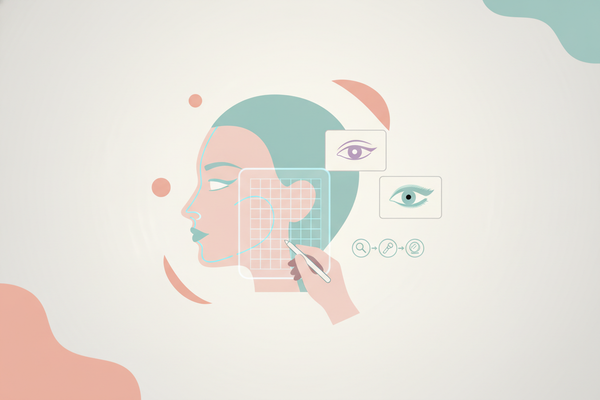
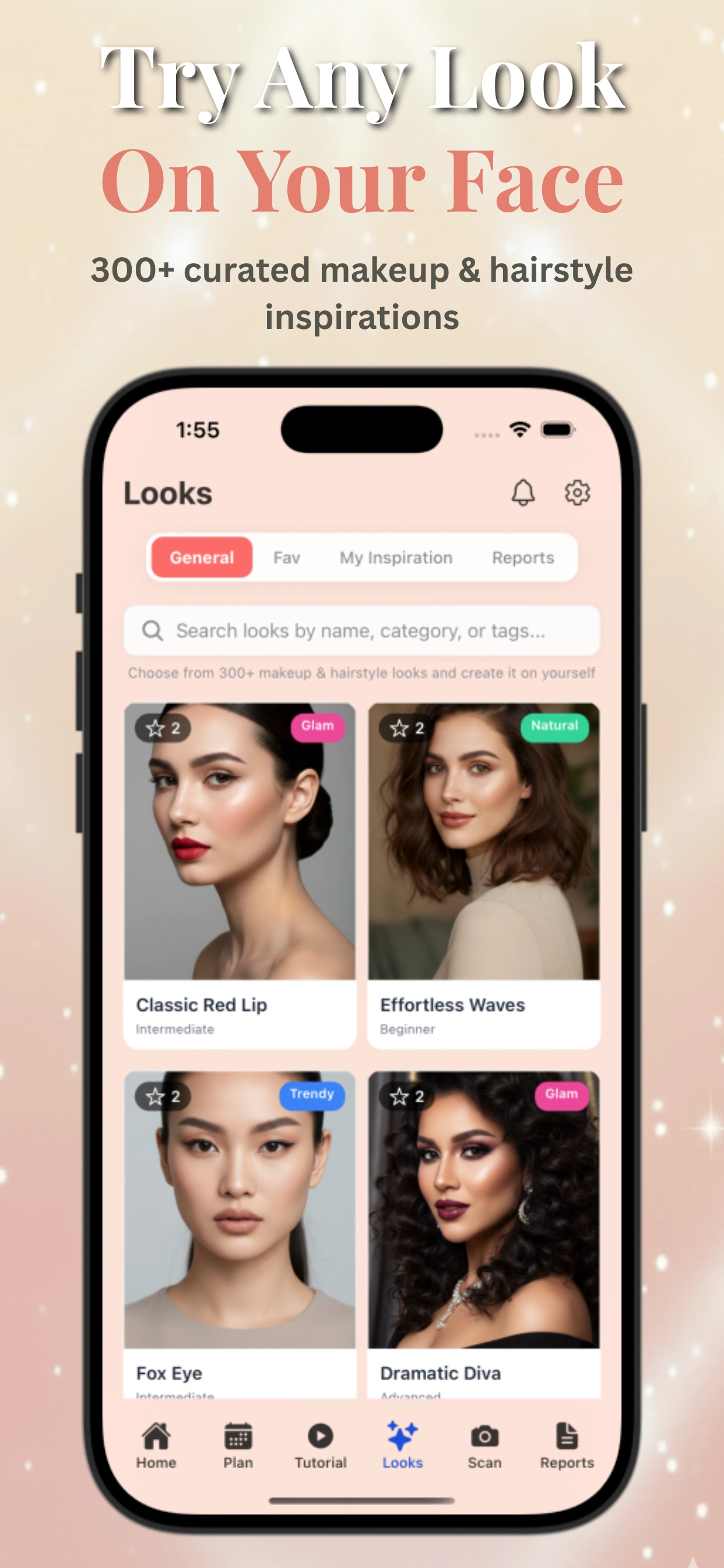
For a detailed analysis and tailored makeup plan, AI beauty apps such as Makeup Check AI can scan your face and instantly identify your eye shape, plus recommend ideal eyeliner and eyeshadow placements.
Section 2: Eyeliner Basics for Every Eye Shape
General Eyeliner Placement Principles
While every eye shape benefits from unique techniques, some universal eyeliner rules help everyone:
- Always start with a clean, primed lid to prevent smudging.
- Use small strokes and build up the line, rather than trying to draw it in one go.
- Consider your eye shape when deciding where to start, stop, and angle your liner.
- Look straight ahead—especially when mapping the wing—to ensure visibility when eyes are open.
- Match liner thickness to your lid space: thinner for small lids, thicker for larger or more dramatic effects.
Choosing the Right Product & Texture
- Pencil: Great for beginners or soft, smudged looks.
- Gel: Offers control and intensity, ideal for defined lines or tightlining.
- Liquid: Precise and bold, best for sharp wings and graphic shapes.
- Powder: For soft, smoky definition, often applied with a damp brush.
Testing and Adjusting
Not sure which technique suits you best? Use a makeup remover pen for corrections, or try virtual try-on features in Makeup Check AI to experiment with liner shapes before applying them in real life.
Section 3: Almond, Round, and Hooded Eye Makeup Techniques
Almond Eye Makeup: Accentuate the Natural Shape
Almond eyes are considered the most balanced shape—almost any eyeliner style flatters them. To enhance this shape:
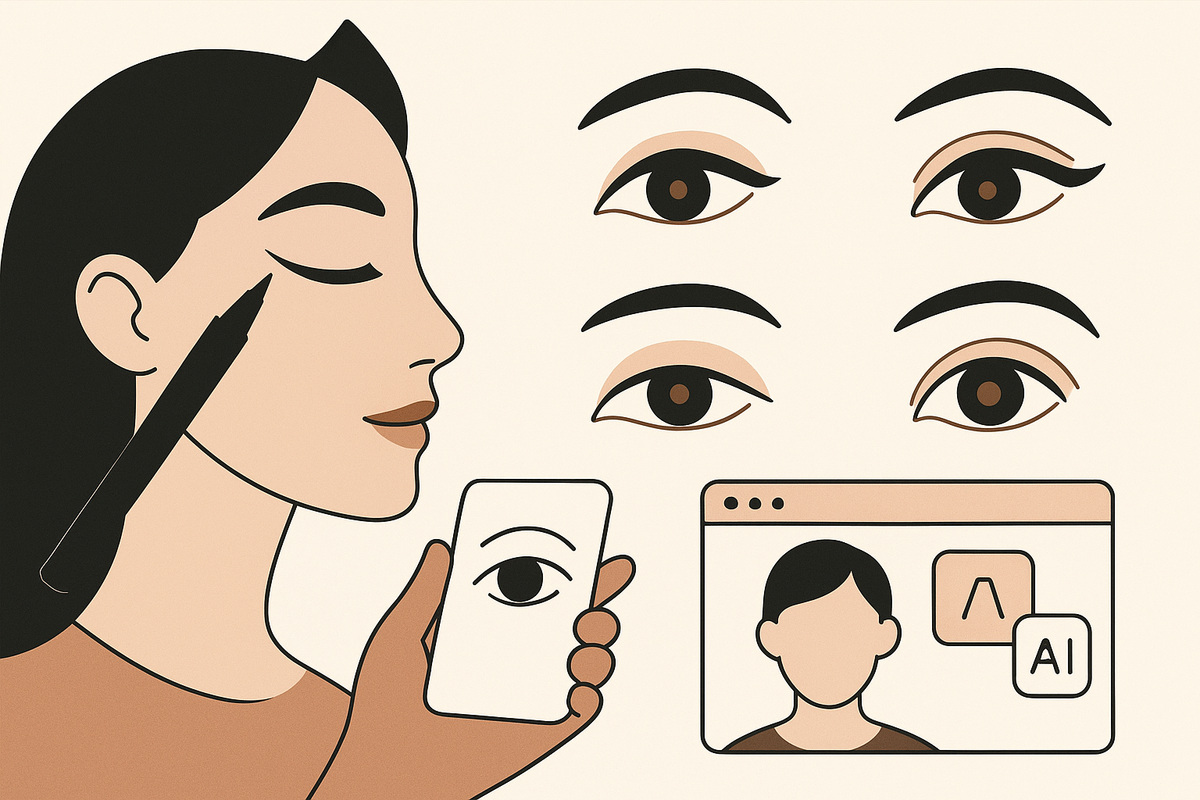
- Classic wing: Start thin at the inner corner, gradually thicken, and flick the wing outward and slightly upward in line with your lower lash line.
- Tightlining: Line the upper waterline to emphasize lashes without closing off the lid.
- Soft smoke: Smudge pencil or shadow along the outer third for a soft, lifted effect.
For more on almond eye makeup, explore in-depth guides and tutorials to perfect eyeshadow placement by eye shape.
Round Eyes: Elongate and Lift
To make round eyes appear more almond-shaped and balanced:
- Start mid-lid: Begin liner at the center of your upper lash line, skipping the inner corner.
- Emphasize outer corners: Thicken the line as you reach the outer third.
- Lifting cat-eye: Angle the wing slightly upward, not straight out, to elongate the eye shape.
Avoid heavy liner on the lower lash line, which can exaggerate roundness.
Hooded Eyes: Keep the Wing Visible
Hooded eye makeup requires special liner placement:
- Floating liner: Draw the wing just above the natural crease so it’s visible when eyes are open.
- Dot-and-connect technique: With eyes open, dot where you want the wing to end, then connect back to the lash line.
- Thin inner line: Start thin at the inner corner and thicken just before the fold, keeping the outer wing crisp and visible.
For more inspiration, see AI Makeup Tutorial: Your Guide to Smart Beauty Routines for video breakdowns tailored to hooded shapes.
Section 4: Monolid, Small, and Asymmetrical Eye Liner Tips
Monolid Eye Makeup: Define Without Overpowering
Monolid eyes have little to no crease, so maximizing lid space is key:
- Thin to thick: Start with a thin line at the inner corner, gradually thickening as you reach the outer third.
- Tightlining: Apply liner along the upper waterline to define lashes without taking up lid space.
- Floating wing: Draw the wing slightly above the lash line for visibility when eyes are open.
Should you use winged eyeliner for monolids? Yes—just keep the wing subtle and slightly upturned.
Small Eyes: Enlarge with Strategic Liner
To make small eyes look bigger with makeup:
- Nude or white waterline: Use a light pencil on the lower waterline to open up the eyes.
- Skip heavy black: Avoid thick lines or dark shades on the lower waterline, which can make eyes appear smaller.
- Highlight inner corners: Add a touch of shimmer or light shadow to brighten up the eyes.
Use a thin line close to the upper lashes and flick the wing outward for a widened effect.
Asymmetrical Eyes: Balancing with Makeup
If your eyes are different shapes or sizes:
- Mirror the larger eye: Use liner to visually match the smaller eye by extending or thickening its liner.
- Adjust wings: Keep the wing’s angle consistent, but tweak thickness or length as needed.
- Blend strategically: Use eyeshadow to even out perceived differences beyond liner alone.
Personalized, AI-powered tutorials can help you experiment and find the perfect symmetry for your features.
Section 5: Downturned, Upturned, Close-Set & Wide-Set Eye Adjustments
Downturned Eyes: Lift and Balance
Downturned eyes benefit from a lifted liner shape:
- Reverse mapping: With eyes open, mark where the wing should end—higher than the outer corner.
- Short, upward flick: Keep the wing short and angled up, avoiding downward lines.
- Focus on upper lash line: Skip heavy lower liner, which can drag eyes down.
Upturned Eyes: Enhance Natural Lift
Upturned eyes already have a natural cat-eye effect:
- Balance upper and lower: Line both lash lines, but keep the lower outer third soft and slightly smoked.
- Wing parallel to lower lash line: Extend the upper liner following the natural angle of the lower lashes.
- Don’t over-extend: Too dramatic a wing can exaggerate upturn—keep it subtle for daytime.
Close-Set & Wide-Set Eyes: Adjusting Placement
- Close-set: Start liner at the center or outer third of the lid, skipping the inner corner. Concentrate color on the outer half to visually widen the eyes.
- Wide-set: Bring liner all the way to the inner corner and even extend slightly for a more balanced appearance. Avoid pulling the wing out too far.
For a visual breakdown and more pro tips, check out our post on AI Makeup App: The Ultimate Guide to Smarter Beauty Routines.
Section 6: Product Recommendations & Application Tricks
Choosing the Best Eyeliner for Your Eye Shape
The formula you choose can make or break your liner look. Here’s what works best for each need:
- Pencil: Best for smudged, soft looks and tightlining. Choose a creamy formula for smooth application.
- Gel: Offers the control of a pencil with the intensity of liquid. Perfect for hooded and monolid eyes where precision is key.
- Liquid: Ideal for sharp wings and precise lines, especially for almond, round, and upturned eyes.
- Waterproof: Essential for oily lids, watery eyes, or humid climates.
Application Tricks for Pro Results
- Map your wing with eyes open: This ensures the flick is visible and correctly placed for your unique shape.
- Use tape or a guide: Place a small piece of tape angled from the outer corner toward the brow tail for a crisp wing.
- Set with shadow: Lock in liner with a matching eyeshadow to prevent transfer or smudging.
- Q-tip clean up: Dip a cotton swab in micellar water to perfect edges or fix mistakes.
Eyeshadow Placement by Eye Shape
Eyeshadow can support or correct your liner’s effect:
- Almond: Gradient shades with the darkest at outer corners.
- Hooded: Matte in the crease, shimmer on the lid, highlight under brow bone.
- Monolid: Layer lighter shades, concentrate depth above the lash line.
- Round: Elongate with darker outer V and extended liner.
For tailored product picks, see What are the best primers for makeup and foundation? to ensure a flawless base for any eye look.
Conclusion
Perfecting eyeliner for your eye shape is the secret to unlocking your eyes’ natural beauty, whether your goal is to make eyes look bigger, correct asymmetry, or simply experiment with new trends. By understanding your unique anatomy and applying the best techniques—paired with the right products and a little practice—every look can be tailored just for you.
Ready to try these techniques on your own face? Let Makeup Check AI analyze your eye shape, recommend personalized tutorials, and offer instant try-ons to take your liner game to the next level.
FAQ
Q: How do I do eyeliner for my eye shape?
A: First, identify your eye shape by observing the crease, corners, and symmetry. Then, follow liner techniques tailored to your shape: wings for almond, floating liner for hooded, tightlining for monolids, and so on. See the detailed sections above for step-by-step guidance.
Q: What eyeliner is best for hooded eyes?
A: Gel or waterproof liquid liners are best for hooded eyes, as they offer precision and resist transfer. Use a floating liner technique above the crease to keep the wing visible when eyes are open.
Q: What eyeliner shape makes round eyes look more almond-shaped?
A: To elongate round eyes, start liner at the mid-lid, thicken toward the outer third, and angle the wing slightly upward. Avoid heavy liner on the lower lash line, focusing on lifting the outer corners.
Q: Should I use winged eyeliner for monolid eyes?
A: Yes—winged eyeliner can add definition and lift to monolid eyes. Keep the liner thin at the inner corner, thickening as you move outward, and draw the wing slightly above the lash line so it’s visible when the eyes are open.
Q: How do I apply eyeliner if my eyes are close-set?
A: Start your liner at the center or outer third of your lid, skipping the inner corner. Concentrate color and any wing on the outer half to visually widen the space between your eyes.
Q: What eyeliner style is best for small eyes?
Cuando se busca una camiseta de club, es útil comparar medidas, corte y detalles de confección antes de decidir. Dentro de esa comparación, camiseta para aficionados del Manchester City mantiene la consulta centrada en la prenda indicada por el propio enlace. Revisar estos puntos reduce confusiones entre preferencias de uso, comodidad y cuidado de la prenda.
A: Use a nude or white pencil on the lower waterline, keep upper liner thin, and flick it outward to enlarge the eyes. Avoid heavy black on the waterline, which can make eyes look even smaller.