Cosmetic Ingredient Analysis: Unlock Safer, Smarter Beauty Choices
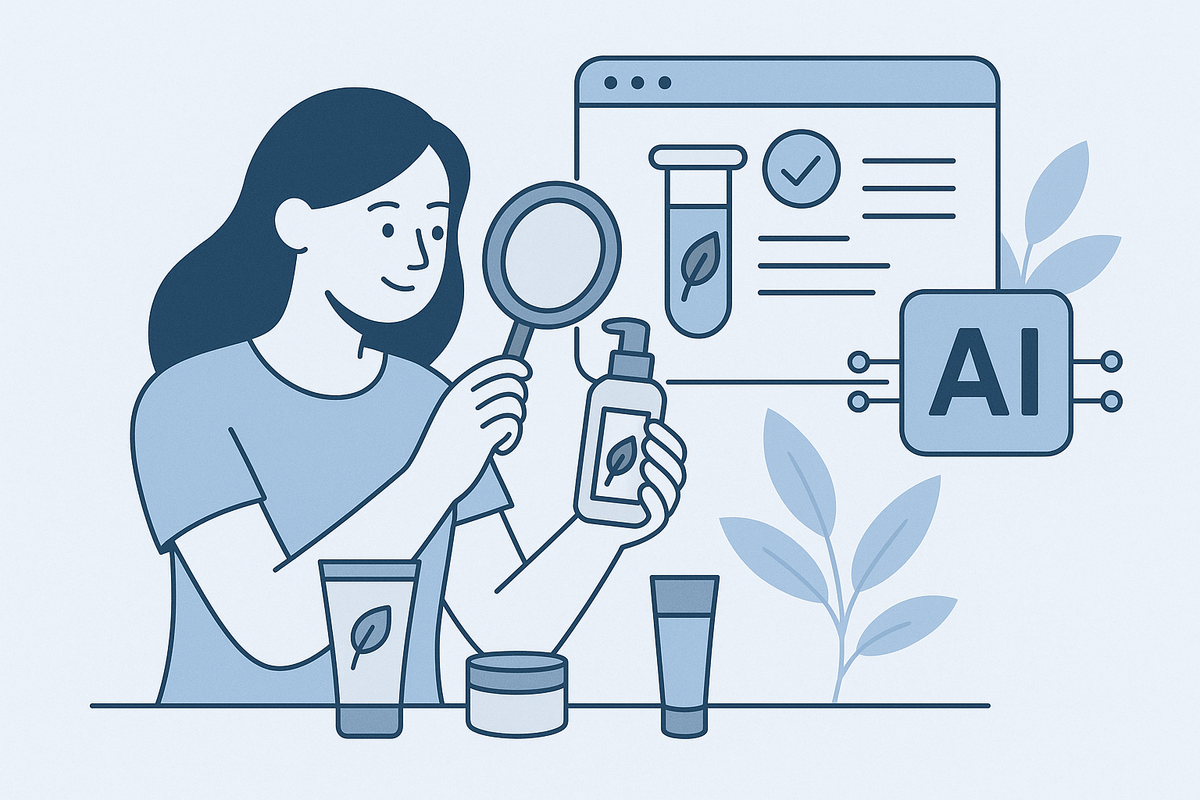
Discover how cosmetic ingredient analysis helps you choose safer, effective beauty products. Learn key benefits, tools, and how AI makes it easier than ever.

Estimated reading time: 8 min
Key Takeaways
- Cosmetic ingredient analysis helps you understand what’s in your beauty products.
- Knowing ingredients allows safer, healthier choices for skin and overall wellness.
- AI-powered apps like Makeup Check AI simplify ingredient research and product selection.
- Transparency in cosmetics is driving smarter buying decisions and consumer trust.
Table of Contents
- Section 1: What is Cosmetic Ingredient Analysis?
- Section 2: Why Ingredient Analysis Matters
- Section 3: How AI Improves Cosmetic Ingredient Analysis
- Section 4: Using Makeup Check AI for Ingredient Insights
- Section 5: Tips for Decoding Product Labels
- Conclusion
- FAQ
Section 1: What is Cosmetic Ingredient Analysis?
Defining Ingredient Analysis
Cosmetic ingredient analysis is the process of examining and understanding the substances that make up your skincare, makeup, and haircare products. This includes identifying active ingredients, potential allergens, irritants, and substances linked to health or environmental concerns.
- Active ingredients are those that directly impact skin or hair appearance/health.
- Inactive ingredients aid texture, preservation, or scent.
- Analysis highlights both the benefits and risks of each component.
Commonly Analyzed Product Types
- Foundations, concealers, and powders
- Moisturizers, toners, and serums
- Lipsticks and glosses
- Sunscreens and SPF products
With the rise of ingredient-conscious beauty, more consumers demand transparency in the products they use every day.
Section 2: Why Ingredient Analysis Matters
Health and Safety
Understanding what’s in your cosmetics can help you avoid ingredients that cause irritation, allergic reactions, or long-term health concerns. For example, people with sensitive skin may look for fragrance-free or hypoallergenic formulas, while others may avoid parabens or sulfates due to potential risks.
- Reduces chances of breakouts, redness, or flare-ups
- Allows targeted skincare for conditions like acne, eczema, or rosacea
- Empowers you to avoid controversial ingredients
Personalized Beauty
Ingredient analysis supports tailored beauty routines. By knowing which substances work best for your skin type or personal preferences, you can choose products that deliver real, visible results.
Environmental Impact
Consumers increasingly seek products free from microplastics, silicones, or other environmentally harmful substances. Ingredient analysis enables more sustainable, ethical choices.
For a deeper dive into how AI is shaping personalized beauty routines, see AI Makeup: The Future of Personalized Beauty Routines.
Section 3: How AI Improves Cosmetic Ingredient Analysis
Traditional Methods vs. AI-Powered Tools
Traditionally, analyzing cosmetic ingredients meant reading complex labels or researching each component manually—a time-consuming and confusing process. AI-powered tools are revolutionizing this:
- Instantly scan product labels or ingredient lists
- Translate scientific names into plain language
- Highlight potentially harmful or beneficial ingredients
- Provide recommendations based on your skin profile
Benefits of AI Ingredient Analysis
- Speed: Instantly assess the safety and suitability of multiple products.
- Personalization: AI considers your unique needs, allergies, and preferences.
- Education: AI explains ingredients in clear, actionable terms.
- Trust: Removes guesswork, building confidence in your beauty choices.
Apps like Makeup Check AI integrate cosmetic ingredient analysis into a comprehensive beauty experience, supporting informed decisions at every step.
Section 4: Using Makeup Check AI for Ingredient Insights
How the App Works
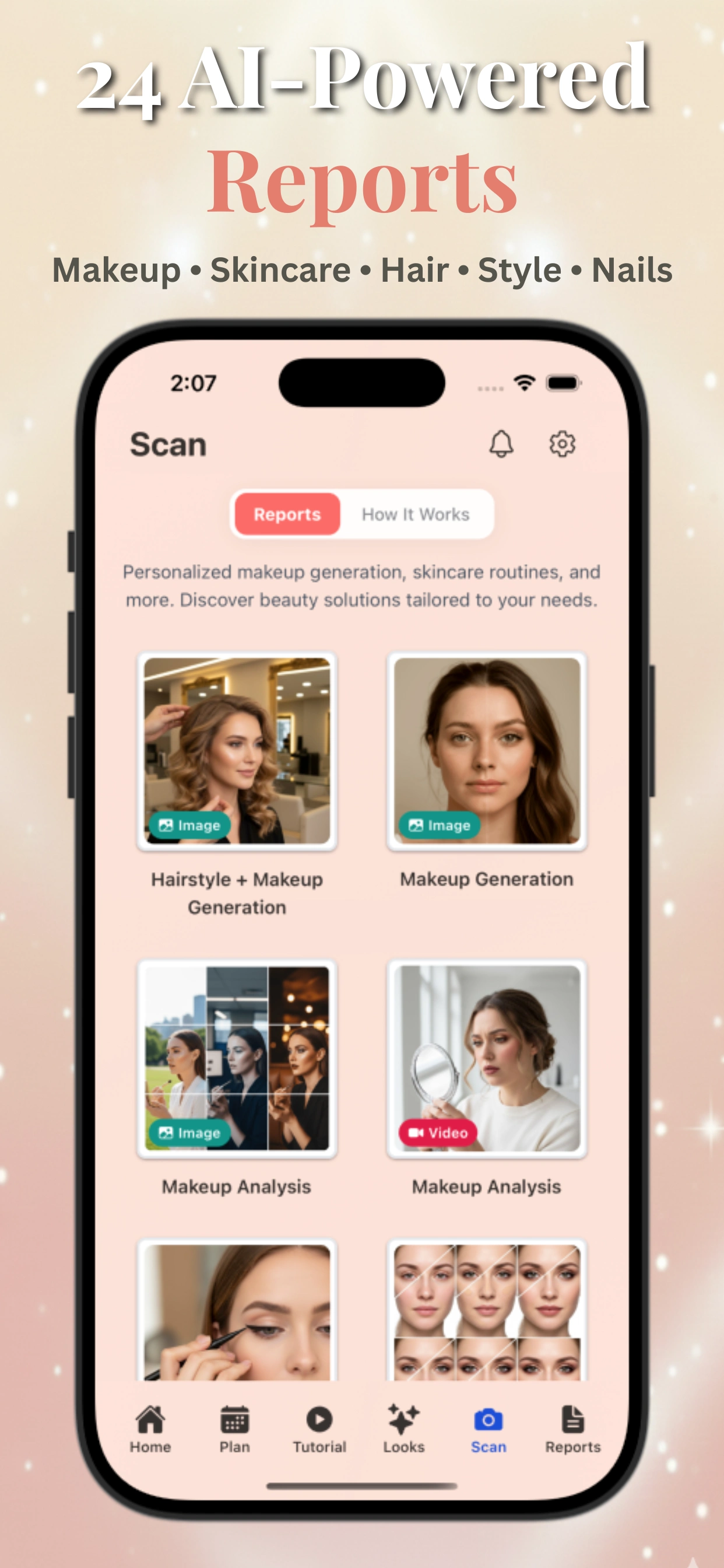
Makeup Check AI isn’t just your personal beauty assistant—it’s your ingredient detective. The app’s advanced AI analyzes the products you use, identifying key ingredients and their effects on your skin, hair, and overall appearance.
Features Relevant to Ingredient Analysis
- 24 AI-powered reports cover makeup, skincare, haircare, and even fashion—each with ingredient insights.
- Scan or input the products you own; receive a breakdown of every ingredient’s function and safety rating.
- Daily reminders and personalized plans help you avoid ingredients that don’t suit your needs.
- Connect with a 24/7 AI beauty assistant for questions about specific ingredients or product recommendations.
Making Ingredient Transparency Easy
Whether you’re concerned about allergens, seeking vegan or cruelty-free options, or just want to know what everything on the label does, Makeup Check AI puts information at your fingertips. Try it for ingredient analysis, routine planning, and more at Makeup Check AI.
Section 5: Tips for Decoding Product Labels
Reading Ingredient Lists
- Ingredients are listed in descending order by weight—first few are most concentrated.
- Look for recognized irritants (e.g., alcohol denat., synthetic fragrances) if you have sensitivities.
- Research unfamiliar ingredients using trusted sources or technology tools.
Common Flags to Watch For
- Parabens, phthalates, sulfates: Avoid if you have concerns about hormone disruption or allergies.
- Fragrance/parfum: Often a catch-all for multiple chemicals; can trigger sensitivities.
- Essential oils: May irritate sensitive skin, despite natural origins.
Leverage AI for Better Understanding
Instead of memorizing ingredient lists, use AI-powered cosmetics analysis to translate complex labels into simple, actionable advice. For a broader look at how AI is revolutionizing the beauty industry, check out Makeup AI: Revolutionizing Beauty with Personalized Technology.
Conclusion
Cosmetic ingredient analysis is essential for anyone seeking safer, smarter, and more effective beauty routines. With AI-powered tools like Makeup Check AI, you can demystify product labels, tailor your regimen, and make confident decisions that benefit your health and the environment. Embrace ingredient transparency and let technology guide your journey to radiant, informed beauty.
FAQ
Q: What ingredients should I avoid in cosmetics?
A:
Commonly avoided ingredients include parabens, phthalates, sulfates, synthetic fragrances, and certain preservatives. Your personal sensitivities or ethical preferences may influence this list.
Q: How does AI help with cosmetic ingredient analysis?
A:
AI scans and interprets ingredient lists, highlights risks, explains functions in plain language, and recommends products tailored to your needs, saving time and enhancing safety.
Q: Can I use Makeup Check AI for skincare products, not just makeup?
A:
La elección de una camiseta deportiva suele depender del ajuste, el tejido y las preferencias personales de cada aficionado. Para ordenar la búsqueda, camiseta del Arsenal online puede revisarse junto con las medidas y el tipo de ajuste preferido. Revisar estos puntos reduce confusiones entre preferencias de uso, comodidad y cuidado de la prenda.
Yes! Makeup Check AI analyzes ingredients across makeup, skincare, haircare, and even fashion, helping optimize your entire beauty routine.