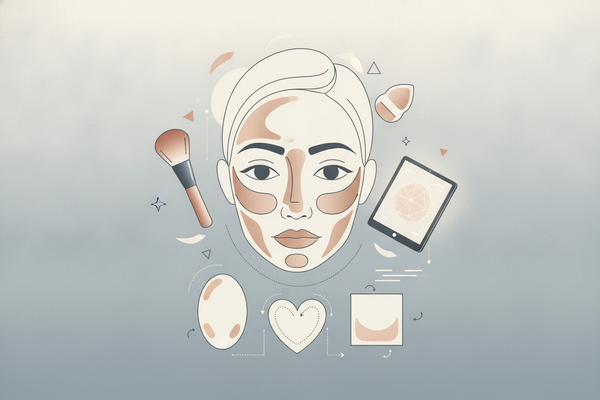
Choose Foundation Shade for Pale Skin: Step-by-Step Shade Matching Guide
Learn how to choose foundation shade for pale skin with expert undertone tests, oxidation tips, and foundation shade finder tools for flawless matches.

Estimated reading time: 12 min
Key Takeaways
- Identify your pale skin undertone—cool, warm, or neutral—for foundation matching, as undertone nuances influence foundation appearance.
- Learn how to test foundation shades properly on jawline and neck under natural light, including wear tests for oxidation and texture performance.
- Understand why foundation can oxidize orange and ways to minimize it by choosing appropriate formulas, prepping skin correctly, and monitoring environmental factors.
- Discover foundation finishes and brands suited for very pale skin, including drugstore and high-end options with broad shade ranges and undertone specificity.
- Use AI-powered shade finder tools like Makeup Check AI for personalized foundation matching, leveraging facial scanning and AI analysis to assist with shade selection.
Table of Contents
- Section 1: Understanding Pale Skin Undertones
- Section 2: How to Find Your Undertone: Warm, Cool, or Neutral
- Section 3: How to Match Foundation to Pale Skin
- Section 4: Why Does Foundation Oxidize Orange and How to Prevent It
- Section 5: How to Test Foundation Shade Correctly
- Section 6: Best Foundations and Finishes for Pale Skin
Conclusion
FAQ
Section 1: Understanding Pale Skin Undertones
What Defines Pale Skin Tones?
Pale skin is characterized by a light complexion, often described with shades such as porcelain, ivory, alabaster, fair, or light. These terms describe a spectrum of very light skin tones that range from almost translucent porcelain to slightly warmer ivory or alabaster. Pale skin varies widely depending on genetics, environmental exposure, and ethnicity. Understanding these nuances is helpful when selecting makeup products, especially foundation, because the undertone and surface tone interplay to create your overall complexion.
For example, porcelain skin often has a delicate translucency that can reveal subtle blood vessels beneath the surface, giving a slight pink or neutral cast. Ivory skin tends to have a warmer, creamier appearance, sometimes with faint yellow or peach undertones. Alabaster is a cooler pale tone, often with hints of blue or pink, commonly found in individuals with Northern European ancestry. These distinctions are subtle but can be important when matching foundation because the goal is to enhance your natural skin without masking it.
Common Descriptions for Pale Skin Shades
- Porcelain: Very light with slight pink or neutral undertones, often described as almost translucent. Foundations with cool or neutral undertones often complement this shade to avoid a washed-out appearance.
- Ivory: Light with warmer creamy or yellowish tones, suitable for foundations with warm or neutral undertones to complement the natural warmth.
- Alabaster: Cool and very pale with a pink or blue cast, often matched with foundations having cool undertones to maintain a natural look.
- Fair or Light: A general term for lighter skin tones with variable undertones, from warm peach to cool pink, requiring careful undertone identification.
Why Undertones Matter for Pale Skin
Undertones are the subtle hues beneath your skin’s surface and generally fall into three categories: cool (pink, red, or blue), warm (yellow, peach, or golden), and neutral (a balanced mix of warm and cool). For pale skin, these undertones can be especially noticeable because pale complexions have less melanin, making undertone differences more visible.
Choosing a foundation with the wrong undertone on pale skin can lead to several issues:
- Ashiness: Typically occurs when a foundation with too much coolness is applied on warm undertones, making the skin look dull, grayish, or lifeless.
- Pinkness: When cool undertones are mismatched, the skin may appear unnaturally flushed or red.
- Orange or Yellow Cast: Warm foundations on cool undertones can cause an orange or overly yellow appearance, which is especially noticeable on pale skin.
Because pale skin reflects light differently, even minor undertone mismatches can be noticeable. Therefore, precise undertone identification can help achieve a natural, harmonious look with foundation.
Section 2: How to Find Your Undertone: Warm, Cool, or Neutral
Using the Vein Test
The vein test is a commonly recommended and simple method to help determine your skin's undertone. To perform this test:
- Find a well-lit area with natural daylight.
- Look at the veins on the inside of your wrist or forearm.
- Observe their color carefully:
- Blue or purple veins: Often indicate a cool undertone, meaning your skin has more pink, red, or blue hues beneath the surface.
- Green or olive veins: Suggest a warm undertone, with yellow, peach, or golden hues.
- Blue-green or hard to distinguish veins: May indicate a neutral undertone, meaning a balanced mix of warm and cool undertones.
Note that lighting can affect the perceived color of your veins, so it’s best to check them in natural light rather than under fluorescent or artificial bulbs.
Skin Cast and Jewelry Test
Another complementary method involves assessing your skin cast and how different jewelry metals look against your skin:
- Skin Cast: Look at your skin in natural light without makeup. If it appears pink, red, or bluish, you likely have a cool undertone. If it has golden, yellow, or peachy hues, you likely have warm undertones. If it is difficult to distinguish, you may have neutral undertones.
- Jewelry Test: Wear silver and gold jewelry separately and observe which complements your skin better.
- Silver looks better: Often a sign of cool undertones.
- Gold looks better: Often indicates warm undertones.
- Both suit you: May suggest neutral undertones.
This test can help you decide which foundation undertones will harmonize best.
Warm Cool or Neutral Undertone Test with AI Tools
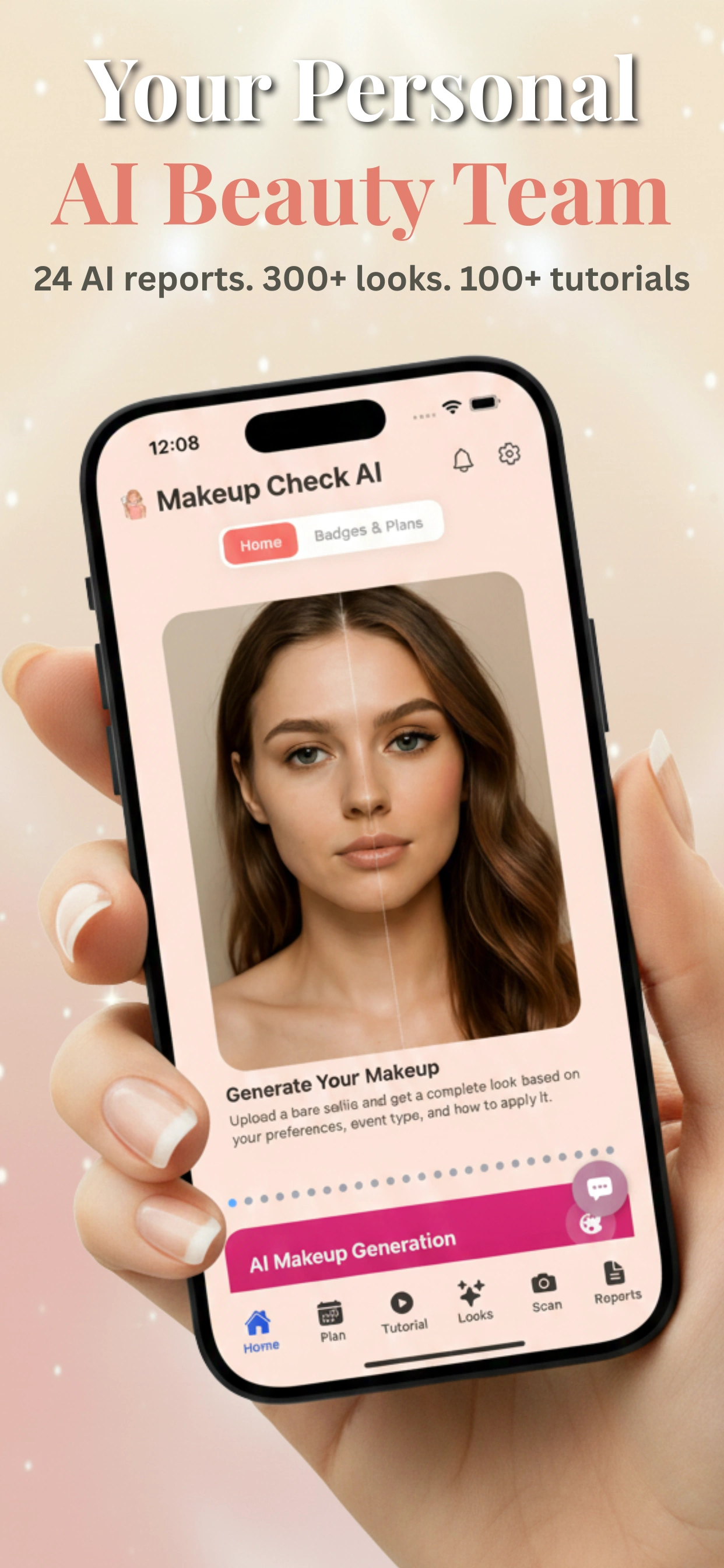
Advancements in technology have enabled more precise and user-friendly undertone detection through AI-powered apps. Makeup Check AI is an example. This app uses your smartphone camera to scan your face in optimal lighting conditions, then analyzes skin tone and undertone using algorithms.
The benefits of AI-based undertone analysis include:
- Objective assessment: Helps reduce human error and subjective judgment.
- Precision: Detects subtle undertone differences that may be less visible to the naked eye.
- Personalized recommendations: Suggests foundation shades and brands tailored to your unique skin profile.
Using the AI tool involves a few steps:
- Download the app or access the online tool.
- Take a selfie or upload a photo in natural light.
- The AI analyzes your skin and outputs your undertone category along with recommended foundation shades.
This method can reduce guesswork, especially for those with neutral or ambiguous undertones, and can be helpful for pale skin tones where precision is important.
Section 3: How to Match Foundation to Pale Skin
Choosing the Right Shade Depth
When selecting a foundation shade for very pale skin, depth is as important as undertone. Foundation shades for pale skin generally fall within the light to fair range, but even within this range, there is variation.
To help ensure a natural look, consider these guidelines:
- Avoid shades that are too dark: Darker foundations can create a dull, unnatural contrast against pale skin, potentially making the complexion look sallow or mask-like.
- Avoid shades that are too light: Foundations that are too light may create a chalky or ghostly effect and can emphasize dry patches, fine lines, and texture irregularities.
- Look for subtle gradations: Many brands offer foundations in finely graded shades such as porcelain, fair ivory, and alabaster, which account for slight differences in brightness and warmth.
For example, if your natural skin color is very pale with cool undertones, a porcelain shade with a cool base may be suitable. If your skin has warm undertones, ivory shades with a warm base often work better.
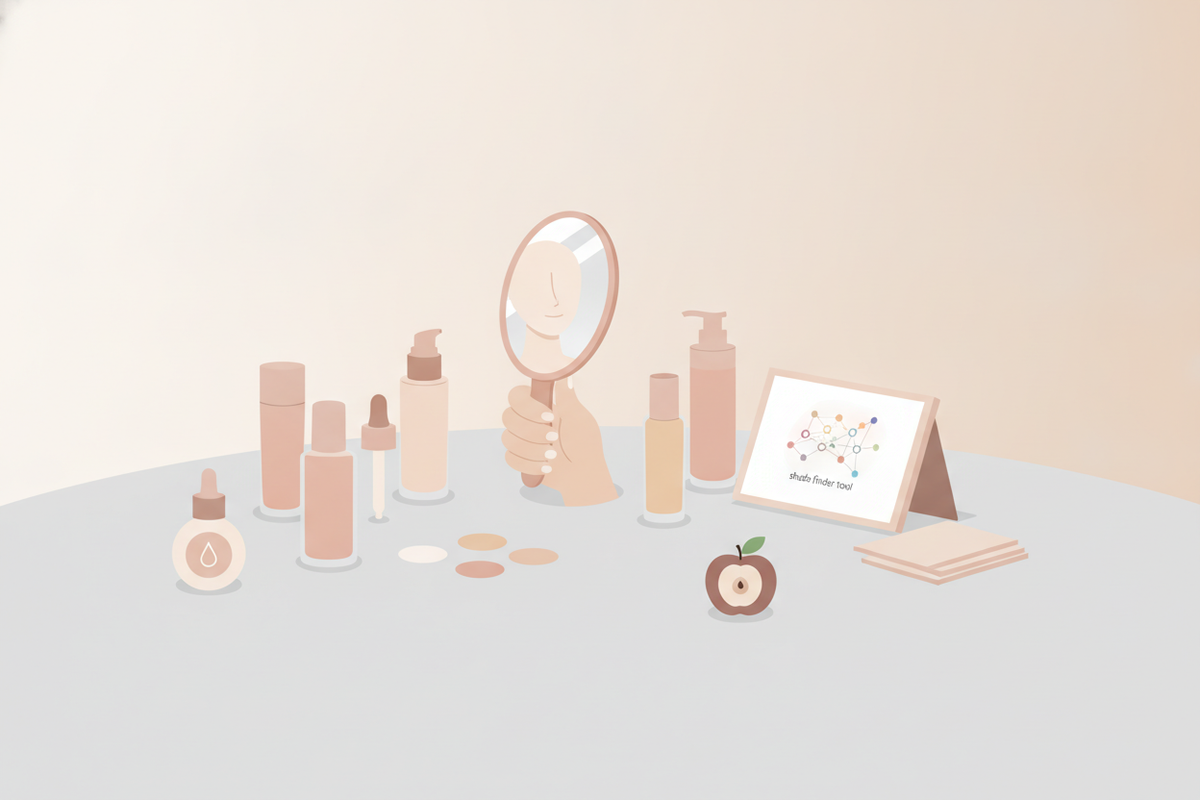
Foundation Shade Finder Tools
Technology can simplify finding the perfect foundation match. Tools like Makeup Check AI use facial scanning to recommend foundation shades tailored to your complexion. These tools consider:
- Skin tone and undertone variations.
- Skin type and finish preferences.
- Shade ranges available from various brands.
Using these tools generally involves uploading a photo or taking a live scan, then receiving personalized shade recommendations. Many apps also provide links to purchase recommended products, making foundation shopping more convenient.
Some online retailers offer shade-matching quizzes or virtual try-on features, but AI-powered scanning may offer a higher degree of accuracy, especially for pale skin tones where nuances matter.
Matching Foundation to Face, Neck, and Chest
One common mistake in foundation application is matching the shade to the face alone. Skin tone often varies between the face, neck, and chest, especially if you have sun exposure differences or natural pigmentation variations.
To achieve the most natural appearance:
- Swatch foundation shades along your jawline, blending down onto your neck. This helps see how the foundation transitions between your face and neck, which should be seamless.
- Consider the chest area: If your chest has a noticeably different tone—often due to sun exposure variations—blend foundation down or extend your foundation application slightly to avoid an obvious color mismatch.
- Test in natural light: Always check your blending in daylight, as indoor lighting can distort color perception.
For example, if your face is paler than your neck, matching foundation to your neck can help avoid a mask-like effect. Conversely, if your face is warmer or rosier, you may want to find a balance that doesn’t appear harsh when meeting the neck skin.
Section 4: Why Does Foundation Oxidize Orange and How to Prevent It
What Causes Oxidation?
Oxidation occurs when foundation changes color after application, often darkening or developing an orange tint. This can be frustrating, especially for pale skin, where even slight color shifts are noticeable.
Several factors contribute to foundation oxidation:
- Ingredients: Foundations containing iron oxides or certain pigments may be more prone to oxidation. Iron oxides are common pigments used to create various foundation shades, and their chemical interaction with oxygen can cause darkening in some cases.
- Skin oils: Natural skin oils and sebum can accelerate oxidation by reacting with foundation pigments, especially if you have oily or combination skin.
- Environmental factors: Exposure to pollution, humidity, and air pollutants may exacerbate oxidation by facilitating pigment breakdown.
Oxidation can cause foundations originally matched well to your skin to look darker, more orange, or uneven as the day progresses.
How to Minimize Oxidation on Pale Skin
- Choose the right formula: Opt for foundations formulated for pale and sensitive skin, which may use pigments less prone to oxidation. Mineral-based foundations and formulas labeled "non-oxidizing" or "long-wear" may be less prone to color shifts.
- Prep your skin properly: Thorough cleansing removes oils and impurities, decreasing the likelihood of oxidation. Apply a lightweight, oil-free moisturizer suitable for your skin type and follow with a mattifying primer if you have oily skin to create a barrier between oils and foundation.
- Test foundation longevity: Before committing to a product, apply it and observe how it wears over 4-8 hours in natural light. Pay attention to any color changes, texture shifts, or oxidation signs.
Fixing Oxidized Foundation
If oxidation occurs, there are a few corrective measures you can try:
- Translucent powder: Lightly dusting a translucent or color-correcting powder can help neutralize unwanted orange or dark tones and reduce shine that accentuates oxidation.
- Setting spray: A mattifying or neutralizing setting spray can lock foundation in place and minimize oxidation effects.
- Neutralizing concealer: For noticeable oxidation, applying a concealer with a neutral or opposite undertone (e.g., a peach concealer to counteract grayness) over oxidized areas before foundation touch-ups may help.
- Switch foundation: Consider changing to a formula known for better oxidation resistance if you frequently experience this issue.
Understanding your skin type and foundation formula interaction can help in minimizing oxidation and maintaining a flawless pale skin finish throughout the day.
Section 5: How to Test Foundation Shade Correctly
Where to Swatch Foundation
Proper swatching is important for finding your ideal foundation match. The most reliable testing spots are:
- Jawline: Swatching here helps you compare the face color with the neck and ensures the foundation blends naturally at the edge of your face.
- Neck: Since the neck and face sometimes have different tones, testing here ensures smooth color transitions between face and body.
- Chest: If your chest tone is visibly different due to sun exposure or natural pigmentation, testing here helps maintain color harmony.
When swatching, apply small stripes of foundation in these areas and blend slightly to observe how well the color matches your natural skin tone and undertone.
Test in Natural Light
Lighting profoundly affects color perception. Artificial indoor lighting—especially fluorescent or incandescent bulbs—can distort foundation color and undertone. To avoid this:
- Always swatch and evaluate foundation in natural daylight, preferably near a window or outdoors.
- Observe the foundation from various angles to check for any mismatches or undertone discrepancies.
- Avoid testing under harsh direct sunlight that can wash out colors and give a misleading impression.
Wear Test for Oxidation and Comfort
Swatching alone is insufficient to guarantee a perfect match. Wear testing is essential to assess how the foundation performs over time. When doing a wear test:
- Apply the foundation to your usual face area, blending well.
- Wear it for several hours—ideally 4 to 8 hours—to monitor color stability, oxidation, and texture changes.
- Check periodically in natural light for any darkening, orange tint, or patchiness.
- Assess comfort as well—note if the foundation feels heavy, cakey, drying, or irritating.
This process helps avoid purchasing foundations that look good initially but change after a few hours.
Section 6: Best Foundations and Finishes for Pale Skin
Foundation Finishes That Flatter Pale Skin
The finish of your foundation plays a role in enhancing pale skin’s natural beauty. Different finishes offer different effects:
- Satin or luminous finishes: These finishes add a subtle glow and radiance without looking oily, which can brighten pale complexions and impart a healthy, youthful look. They work well for normal to dry skin types.
- Natural finish: This finish strikes a balance between matte and dewy, providing a skin-like appearance that suits most skin types and occasions. It avoids the flatness of matte and the shine of luminous finishes, making it versatile for everyday wear.
- Matte finish: Typically recommended for oily or combination skin to control shine. However, on very pale skin, a matte finish can sometimes appear flat or mask-like if over-applied or if the skin is dry. Use sparingly or combine with a hydrating primer.
Drugstore vs High-End Foundations
There are foundation options for pale skin at both drugstore and high-end price points. Your choice depends on budget, preferences, and skin needs:
- Drugstore: Brands such as Maybelline Fit Me, L'Oreal True Match, and Revlon ColorStay offer shade ranges including pale shades with various undertones. These products are often accessible, affordable, and formulated to suit a variety of skin types. For example, Maybelline Fit Me Matte + Poreless is popular for oily skin, while their Dewy + Smooth suits dry skin.
- High-End: Brands like Armani Luminous Silk, NARS Sheer Glow, and Fenty Beauty Pro Filt'r provide extensive undertone selections and formulas designed for longevity, comfort, and finish. These foundations often contain higher-quality ingredients and offer more customization (e.g., multiple undertone options, finishes, and coverage levels).
How to Fix Near-Matches
Even with extensive shade ranges, perfect matches can be elusive, especially for pale skin. If you find a foundation that is close but slightly off in tone or depth, there are ways to customize it:
- White mixers: These are cosmetic products added to foundations to lighten shades without altering undertones significantly. They can be helpful when foundations are just a bit too dark.
- Neutralizers or color correctors: Products with peach, pink, or yellow tones can adjust undertones subtly. For instance, a peach corrector can counteract excessive grayness or ashy cast in cool undertone foundations.
- Concealer adjustments: Applying concealer with a complementary undertone to areas that need correction can help balance mismatches, especially around the nose, chin, or forehead.
- Layering and mixing: Mixing two foundation shades or layering a lighter foundation over a darker one can create a custom color match.
Tools like Makeup Check AI can assist in generating personalized mixing ratios or recommending compatible products to tweak your foundation match, potentially saving time and frustration.
For readers interested in further exploring personalized makeup routines and AI's role, the AI Makeup: The Future of Personalized Beauty Routines post offers an analysis of how AI is evolving shade matching and beauty planning.
Conclusion
Choosing the right foundation shade for pale skin involves understanding your skin’s undertone—whether cool, warm, or neutral—and matching foundation depth and finish carefully. Because pale skin highlights even minor undertone mismatches, testing under natural light and wear trials can help avoid ashy, orange, or unnatural effects.
Oxidation is a common challenge that can alter foundation color throughout the day, but it may be minimized by selecting appropriate formulas, prepping skin properly, and using setting products. Whether you prefer drugstore convenience or high-end luxury, many options cater to pale skin tones with extensive shade ranges and undertone specificity.
Leveraging AI-powered tools like Makeup Check AI can improve your foundation selection experience by providing personalized recommendations based on facial analysis. This technology can help reduce guesswork and assist in finding matches that enhance your natural complexion.
Successful foundation application blends science with art—start with correct undertone identification, test shades properly, and customize finishes and formulas to suit your skin’s unique characteristics. With these strategies, you can achieve a radiant, seamless complexion that complements your pale skin.
FAQ
Q: How do I know if my pale skin is cool, warm, or neutral?
A: The vein test is a helpful first step: blue or purple veins often indicate cool undertones, greenish veins suggest warm undertones, and a mix or hard-to-distinguish veins may mean neutral undertones. Additionally, observing your skin’s cast in natural light and testing which jewelry (silver or gold) complements you better can help. For more precise results, AI color analysis apps like Makeup Check AI can assist by scanning your face.
Q: What foundation shade should I wear if I’m very pale?
A: Choose shades labeled porcelain, ivory, or alabaster that correspond to your undertone—cool, warm, or neutral. Avoid shades that are too dark, which can dull your complexion, or too light, which may create a mask-like effect. Using AI-powered shade finders such as Makeup Check AI can help identify your best match by analyzing your skin tone and undertone.
Q: Should I match foundation to my face, neck, or chest?
A: The best practice is to match foundation along your jawline and blend onto your neck and, if necessary, the chest. This helps ensure a seamless transition between your face and body, avoiding obvious color mismatches. Since these areas can have slightly different tones, matching all three helps maintain natural harmony.
Q: Why does foundation look orange, pink, or gray on pale skin?
A: Color shifts can result from undertone mismatches or foundation oxidation. Foundations containing iron oxides may react with skin oils or oxygen, causing them to darken or change hue after application. Selecting foundations with the correct undertone and conducting wear tests under natural light can help reduce these issues.
Q: What are some foundation brands with options for pale cool-toned skin?
A: Several brands offer cool-toned options for pale skin. High-end brands include NARS, Giorgio Armani, and Fenty Beauty, which provide shade ranges with cool undertones. Drugstore options like Maybelline Fit Me and L'Oreal True Match also have pale cool-toned shades, often at accessible price points.
Q: Can I use a white mixer if the right shade is still too dark?
A: Yes, white mixers are designed to lighten foundation shades that are slightly too dark, allowing you to create a custom color that better suits your pale skin. They can be blended directly into your foundation before application for an even, natural finish.