Best Colors for Your Skin Tone: How to Find Your Perfect Palette
Discover the best colors for your skin tone with a step-by-step guide to color analysis, seasonal palettes, undertones, and free tools to try at home.


Estimated reading time: 12 min
Key Takeaways
- Understand what color analysis is and why it can be helpful for your look
- Learn some common ways to find your skin undertone (warm, cool, neutral) at home
- Explore the 12 seasonal color categories and how they may guide your best colors
- Discover how to test flattering colors using simple methods like veins and jewelry
- Use AI tools like Makeup Check AI’s free color analysis for personalized color recommendations
Choosing colors that complement your skin tone can enhance your makeup, wardrobe, and confidence. With many shades and palettes available, it can feel overwhelming. Color analysis aims to identify your unique skin undertone and seasonal color family to suggest flattering hues. This guide covers what color analysis means, how to find your undertone and color season at home, the 12 color seasons explained, and tips to test your best colors. Plus, discover how AI beauty apps like Makeup Check AI can help personalize this process.
1. What Is Color Analysis and Why It Matters
Color analysis is a method used to identify colors that may complement your natural skin tone, hair, and eye color. It can help you select makeup shades, clothing, and accessories that enhance your appearance and make your skin look radiant.
At its core, color analysis categorizes individuals into color seasons based on undertones and other factors. These categories suggest palettes that may harmonize with your features rather than washing you out or clashing.
Using color analysis can be a helpful tool to save time shopping, improve your style, and boost your confidence by guiding you toward colors that suit you.
2. How to Find Your Skin Undertone: Warm, Cool, or Neutral
Knowing your undertone is a foundational step in color analysis. Undertones are the subtle hues beneath your skin’s surface, often classified as warm, cool, or neutral.
Here are some common ways to estimate your undertone at home:
- Vein Test: Look at the veins on your inner wrist. If they appear greenish, you may have a warm undertone. Blue or purple veins suggest a cool undertone. If you see a mix or can’t clearly tell, your undertone may be neutral.
- Jewelry Test: Wear gold and silver jewelry. If gold flatters your skin more, you might be warm-toned. If silver looks better, you might be cool-toned. Neutral undertones often look good in both.
- White Fabric Test: Drape a pure white cloth around your face. If your skin looks brighter and more radiant against it, you might be cool-toned. If off-white or cream suits you better, you might be warm-toned.
These simple steps provide a helpful starting point. For more precision, apps like Makeup Check AI offer free color analysis with AI-powered scans to help determine your undertone.
3. The 12 Color Seasons Explained
Traditional seasonal color analysis divides people into four seasons: Spring, Summer, Autumn, and Winter. Some modern systems expand this to 12 seasons, offering more nuanced palettes:
- Spring: Warm and bright with clear, fresh colors. Subtypes include Light Spring, True Spring, and Warm Spring.
- Summer: Cool and soft with muted, pastel shades. Variations include Light Summer, True Summer, and Soft Summer.
- Autumn: Warm and deep with rich, earthy tones. Includes Soft Autumn, True Autumn, and Deep Autumn.
- Winter: Cool and high contrast with bold, vivid colors. Variants are Cool Winter, True Winter, and Deep Winter.
Knowing your approximate season can help you select clothing and makeup hues that harmonize with your natural coloring. For example, a soft summer vs deep winter contrast illustrates how subtle differences in brightness and warmth affect your best colors.
4. How to Do Color Analysis at Home: Step-by-Step
Performing color analysis at home can be straightforward. Consider these steps:
- Start by estimating your undertone using the vein, jewelry, and fabric tests described above.
- Consider your skin depth and contrast level (light, medium, deep; low or high contrast between hair, skin, and eyes).
- Use natural daylight to compare yourself against different colored fabrics or clothing items.
- Observe which colors make your skin look vibrant versus dull or tired.
- Take notes on patterns and narrow down to a seasonal palette that fits your undertone and contrast.
For those wanting a quicker and more tailored approach, a seasonal color analysis quiz or app can provide personalized results.
5. Best Colors for Warm Undertones
If you have warm undertones, your skin may have golden, peachy, or yellow hues. Colors that enhance this warmth and brightness often look flattering.
Try these palette favorites:
- Earthy tones: terracotta, burnt orange, mustard yellow
- Warm reds: coral, tomato red, warm brick
- Golden hues: camel, honey, warm beige
- Olive and moss greens
- Warm whites and creams
Warm undertones often look good in autumnal shades and rich textures. Some overly cool or icy colors may not be as flattering.
6. Best Colors for Cool Undertones
Cool undertones often have pink, red, or bluish hues beneath the skin. Colors that complement cool tones tend to be crisp, clear, and jewel-like.
Colors to consider include:
- True blues and navy
- Emerald and forest greens
- Berry shades like raspberry and plum
- Cool grays and charcoal
- Bright whites and cool pastels
Cool undertones often shine in winter and summer palettes with high contrast and muted softness. Some warm, yellowish colors may not harmonize as well.
7. Best Colors for Neutral Undertones
Neutral undertones are balanced between warm and cool, allowing versatility in color choices. Many hues can work well without clashing.
Colors often flattering for neutral skin tones include:
- Soft rose and blush pinks
- Light peach and apricot
- Medium grays
- Teal and turquoise
- Light beige and taupe
Neutrals can experiment with both warm and cool palettes, often looking best in soft, muted shades that complement their natural coloring.
8. How Skin Depth and Contrast Affect Your Color Choices
Besides undertone, the depth (lightness or darkness of your skin) and contrast between hair, eyes, and skin also influence which colors may suit you best.
If you have high contrast (e.g., dark hair and light skin), bold and saturated colors can look striking. Lower contrast individuals (similar tones in hair, skin, and eyes) may benefit from softer, more blended hues.
Understanding this can help refine your seasonal palette from broad categories to colors that flatter your unique coloring.
9. How to Test Flattering Colors Using Simple Methods
Want to experiment before committing? Try these at-home tests:
- Vein and jewelry tests: Confirm your undertone as described earlier.
- Fabric draping: Hold different colored fabrics near your face in natural light and observe which make your skin look vibrant.
- Makeup swatches: Use lipstick or eyeshadow shades in warm and cool tones to see which harmonize better.
These easy tests provide immediate feedback and can be complemented by AI-powered apps for more detailed analysis.
10. How AI Color Analysis Apps Simplify Finding Your Best Colors
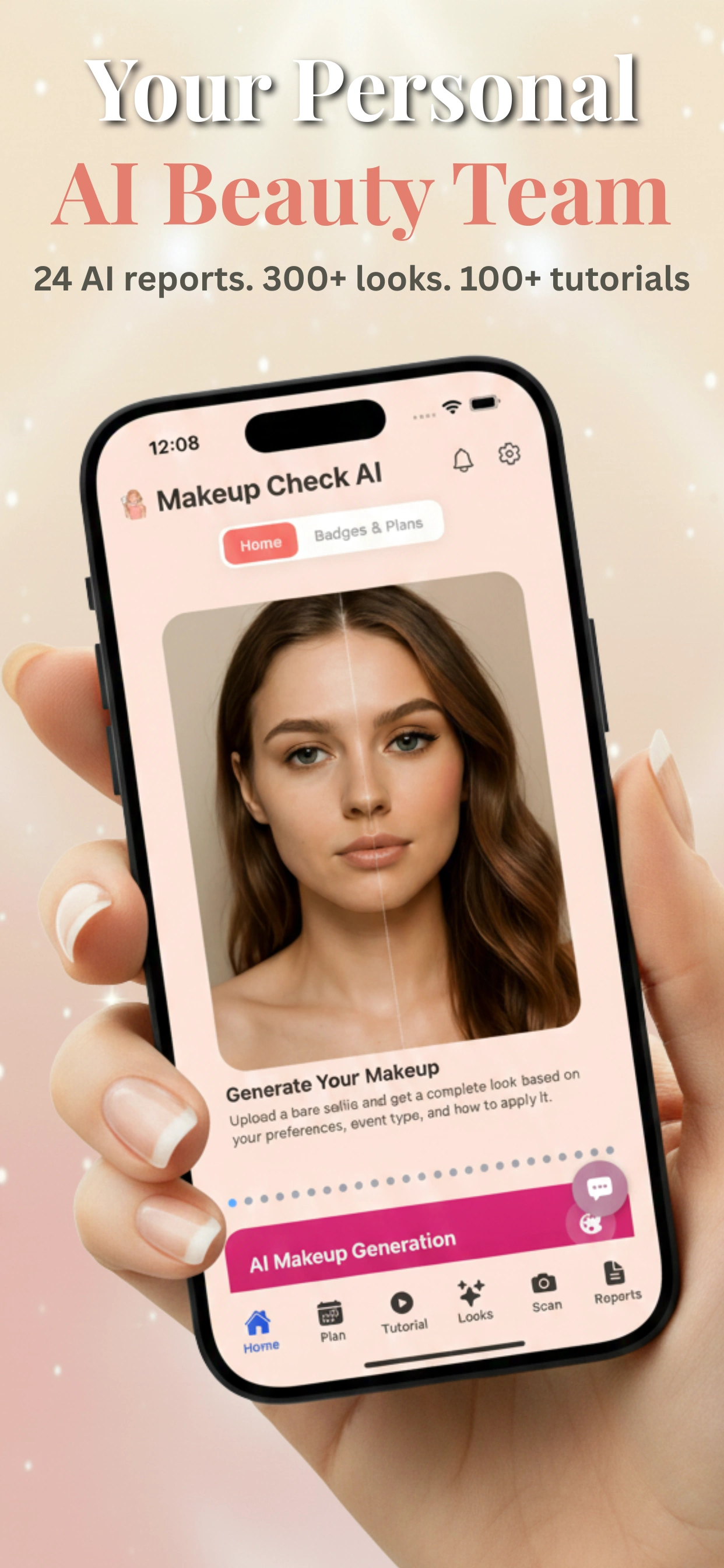
Advances in AI have made personal color analysis more accessible. Apps like Makeup Check AI scan your face, analyze skin undertones, and suggest a color season quickly.
Features may include:
- Free color analysis quizzes and AI scans
- Personalized makeup, skincare, and fashion recommendations
- Virtual try-ons with looks in your best colors
- Beauty plans tailored to your palette and preferences
Using AI tools can reduce guesswork and provide expert-level color advice conveniently, helping you look your best every day.
Conclusion
Finding colors that suit your skin tone starts with understanding your undertone and seasonal color family. By learning how to do color analysis at home or using AI-powered apps like Makeup Check AI’s free color analysis, you can discover palettes that highlight your natural beauty. Whether warm, cool, or neutral, light or dark, embracing your unique colors can enhance your makeup, wardrobe, and confidence. Explore the 12 color seasons and test colors with simple methods at home, then elevate your style with personalized AI recommendations and virtual try-ons.
FAQ
Q: How do I know what colors look best on my skin tone?
A: Start by estimating your skin undertone (warm, cool, or neutral) using vein and jewelry tests. Then explore seasonal color palettes that match your undertone and skin depth. Testing colors near your face in natural light helps confirm your best hues.
Q: Am I warm, cool, or neutral undertone?
A: Check the color of your veins (green = warm, blue/purple = cool, mix = neutral), observe whether gold or silver jewelry flatters you more, and see how your skin reacts to white versus off-white fabrics. These clues can help reveal your undertone.
Q: What colors should I wear if I have a warm skin tone?
A: Warm undertones often look great in earthy shades like terracotta, mustard, and olive green, as well as warm reds and golden hues like camel and honey.
Q: What colors should I wear if I have a cool skin tone?
A: Cool undertones are often complemented by jewel tones such as emerald, sapphire, plum, cool grays, and crisp whites.
Q: Can neutral skin tones wear both warm and cool colors?
A: Yes, neutral undertones can often wear a wide range of colors from both warm and cool palettes, especially softer, muted shades that harmonize well.
Q: What are the best neutral colors for my skin tone?
A: Neutral colors like soft rose, blush pink, taupe, light beige, and medium grays tend to work well across undertones and can serve as versatile wardrobe basics.