AI-Curated Makeup Looks: The Ultimate Guide to AI-Powered Makeup Inspiration
Discover how AI-curated makeup looks can transform your beauty routine with personalized, trend-driven inspiration and mood boards. Perfect for makeup enthusiasts.
Estimated reading time: 7 minutes
Key Takeaways
- Hyper-personalization: AI analyzes facial features and preferences to design truly unique makeup looks.
- Efficiency & Inclusivity: Automated mood boards save time and cater to every skin tone, style, and trend.
- Data-Driven Trends: Real-time algorithms tap into beauty trends and user feedback for on-point suggestions.
- Step-by-Step Workflow: From selfie upload to continuous refinement, AI streamlines the entire process.
Table of Contents
- Introduction
- What Are AI-Curated Makeup Looks?
- The Rise of AI in Beauty
- How AI Curates Makeup Inspiration
- Creating Your Own AI-Curated Makeup Mood Board
- Conclusion
- Call to Action
- FAQ
Introduction
AI-curated makeup looks represent a paradigm shift in beauty inspiration. No longer are we limited to manual collages or hours of in-store swatching—**machine learning** now crafts personalized styles and product combos in seconds. By leveraging advanced image recognition and trend analysis, these tools deliver digital mood boards tailored to your unique features and preferences. For a seamless way to generate looks, try Makeup Check AI and experience instant, personalized mood boards.
What Are AI-Curated Makeup Looks?
At their core, AI-curated looks use big data, image recognition, and user feedback to suggest styles that truly suit you. These systems:
- Analyze current beauty trends and social-platform aesthetics.
- Scan facial features (eye shape, lip size, skin undertones) via image recognition.
- Incorporate your preferences and past feedback for refined suggestions.
Discover a popular virtual makeup assistant that guides users from upload to final mood board.
The Rise of AI in Beauty
AI is reshaping brand-consumer connections through virtual try-ons, trend forecasting, and interactive experiences. These technologies drive higher engagement and data-driven product launches. For a deep dive into AR-powered trials, explore virtual makeup experiences.
Leading Platforms:
- Sephora Virtual Artist: Virtual try-on with full product curation.
- PulpoAR: Real-time AR overlays for live sampling.
- Modiface: AI-driven style and shade recommendations.
Consumer Impact:
- Increased willingness to experiment with bold looks.
- 30% fewer returns at Sephora thanks to better online previews.
- Brands launching new products with data-backed confidence.
How AI Curates Makeup Inspiration
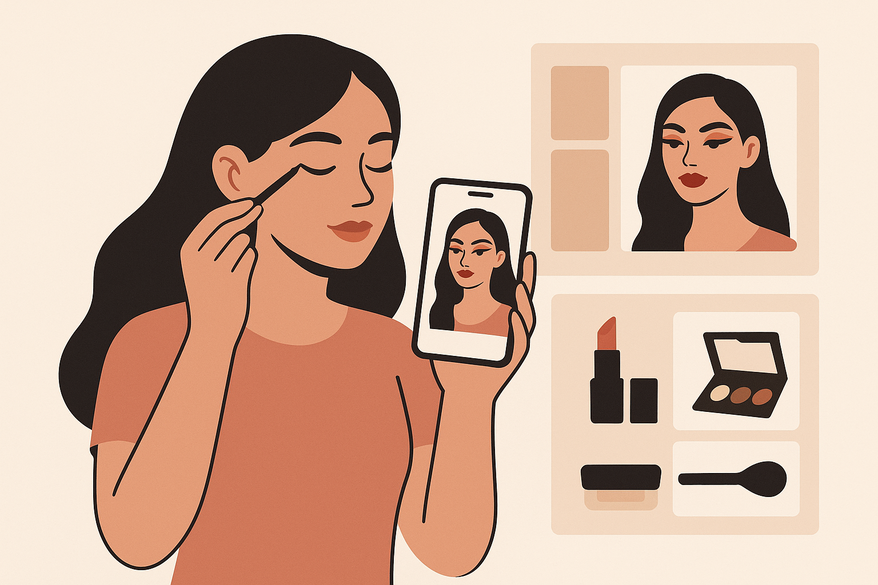
Creating a digital mood board involves a four-step AI workflow:
1. Photo Upload/Scan
- AI detects skin tone, facial structure, and undertones from your selfie.
2. Data Analysis & Matching
- References trend databases, product metadata, and your history.
3. Digital Mood Board Creation
- Auto-assembles colors, techniques, and product swatches into a shareable board.
4. Continuous Refinement
- Learns from your feedback for even better future suggestions.
Check out a dedicated AI mood board creator to see this workflow in action.
Creating Your Own AI-Curated Makeup Mood Board
Follow these steps to craft a reusable and shareable mood board:
Top AI Tools:
- YouCam Makeup: Real-time AR & palette mixing.
- Modiface: Advanced style recommendations.
- Sephora/L’Oréal kiosks: In-store virtual try-ons.
Practical Tips:
- Upload a clear, well-lit selfie for best detection.
- Experiment with multiple color palettes and finishes.
- Save favorite looks in organized digital boards.
- Share your mood board with a makeup artist or friends for feedback.
- Use AI suggestions to discover new brands aligned with your profile.
Conclusion
AI-curated makeup looks combine personalization, efficiency, and inclusivity to revolutionize beauty discovery. Whether you’re crafting daily wear or experimenting with runway trends, these tools simplify the process and boost your confidence. Let AI guide your next makeup journey!
Call to Action
Share your AI-curated makeup looks on social media and inspire others. Explore tools like YouCam Makeup, Modiface, and Sephora Virtual Artist for your next mood board. Subscribe for the latest AI beauty innovations and keep your makeup game on trend.
FAQ
- What is AI-curated makeup? AI-curated makeup uses algorithms to analyze your features and preferences to suggest personalized makeup looks and mood boards.
- How accurate are virtual try-ons? With advanced image recognition and AR technology, virtual try-ons can be up to 90% accurate in color matching and style prediction.
- Can I trust AI for skin-tone matches? Yes, AI tools leverage extensive datasets and real-time feedback to ensure inclusivity across all skin tones and undertones.
- Are AI mood boards reusable? Absolutely. Most platforms allow you to save, edit, and share your mood boards indefinitely.
- Do I need a professional photo? A clear, well-lit selfie is ideal, but most AI systems can work with a standard smartphone image.