
Adjust Foundation Shade for Seasonal Changes with Precision
Learn how to adjust foundation shade for seasonal changes using undertone tests, shade matching tips, and expert foundation shade finder tools.


Estimated reading time: 18 min
Key Takeaways
- Seasonal changes can affect your skin tone, which may require foundation shade adjustments to maintain a natural look.
- Understanding your undertone (warm, cool, neutral) is helpful for selecting a foundation shade that complements your complexion year-round.
- Testing foundation shade on the jawline, neck, and chest can help ensure seamless blending and avoid visible lines.
- Mixing foundation shades or using lightening/darkening drops allows for customized color matching during transitional seasons like fall and spring.
- Utilizing AI tools like Makeup Check AI can simplify shade matching, undertone detection, and seasonal adjustments with personalized recommendations.
Table of Contents
- Section 1: Why Seasonal Changes Affect Your Foundation Shade
- Section 2: How to Find Your Undertone: Warm, Cool, or Neutral
- Section 3: How to Match Foundation to Skin: Best Places to Test
- Section 4: Understanding Foundation Oxidation and Its Impact
- Section 5: Mixing Shades and Using Drops for Seasonal Transitions
- Section 6: Adjusting Foundation Finish and Coverage for Skin Changes
- Conclusion
- FAQ
Section 1: Why Seasonal Changes Affect Your Foundation Shade
Skin Tone Variations Between Winter and Summer
Your skin tone can experience variations throughout the year, influenced by environmental factors such as sun exposure, temperature fluctuations, humidity levels, and changes in skin hydration. During summer months, increased ultraviolet (UV) exposure stimulates melanocytes to produce more melanin, which can result in a deeper, often warmer complexion. This tanning effect may darken your skin by one to two shades on the average foundation scale, or sometimes more depending on your natural skin tone and the intensity of sun exposure.
In contrast, winter typically brings reduced UV exposure, cooler temperatures, and often lower humidity, which can lead to paler, sometimes dull or dehydrated skin. This seasonal shift may reduce your skin’s natural radiance and cause your complexion to appear lighter and possibly cooler in tone. The difference in skin tone between winter and summer can be noticeable enough that a foundation shade suited for winter might look too light or chalky during summer, and vice versa.
Additionally, seasonal factors like indoor heating in winter can dry out skin, causing texture changes that affect how foundation sits on the skin surface.
Undertone Shifts With the Seasons
While your skin’s base undertone (warm, cool, or neutral) generally remains consistent, seasonal influences can subtly shift the perceived prominence of these undertones. For example, warmer undertones with yellow or golden hues may become more emphasized in summer due to tanning, as the skin’s melanin reflects light differently and enhances warmth. Conversely, cooler undertones with pink or blue hues might seem more visible during winter when the skin lightens and redness from dryness or sensitivity can be more apparent.
These shifts are nuanced but can impact how your foundation shade and undertone choice appear on your skin, influencing whether your makeup looks harmonious or off. Some individuals may notice their undertone appears more neutral during transitional seasons like fall and spring, which can make shade selection more challenging without customized tools.
Why Adjusting Foundation Shade Seasonally is Helpful
- Enhances natural appearance: Using a foundation that closely matches your current skin tone and undertone helps prevent the mask effect, where makeup looks unnatural, cakey, or mismatched. This is especially important in photographs and close-up settings.
- Improves makeup longevity: Matching the right foundation shade and formula to seasonal skin changes such as increased oiliness in summer or dryness in winter can affect how long makeup lasts and how it wears throughout the day.
- Reduces oxidation issues: Seasonal adjustments may help reduce the risk of your foundation oxidizing to an orange or patchy color, which can happen if the shade is too light or dark relative to your skin’s current condition.
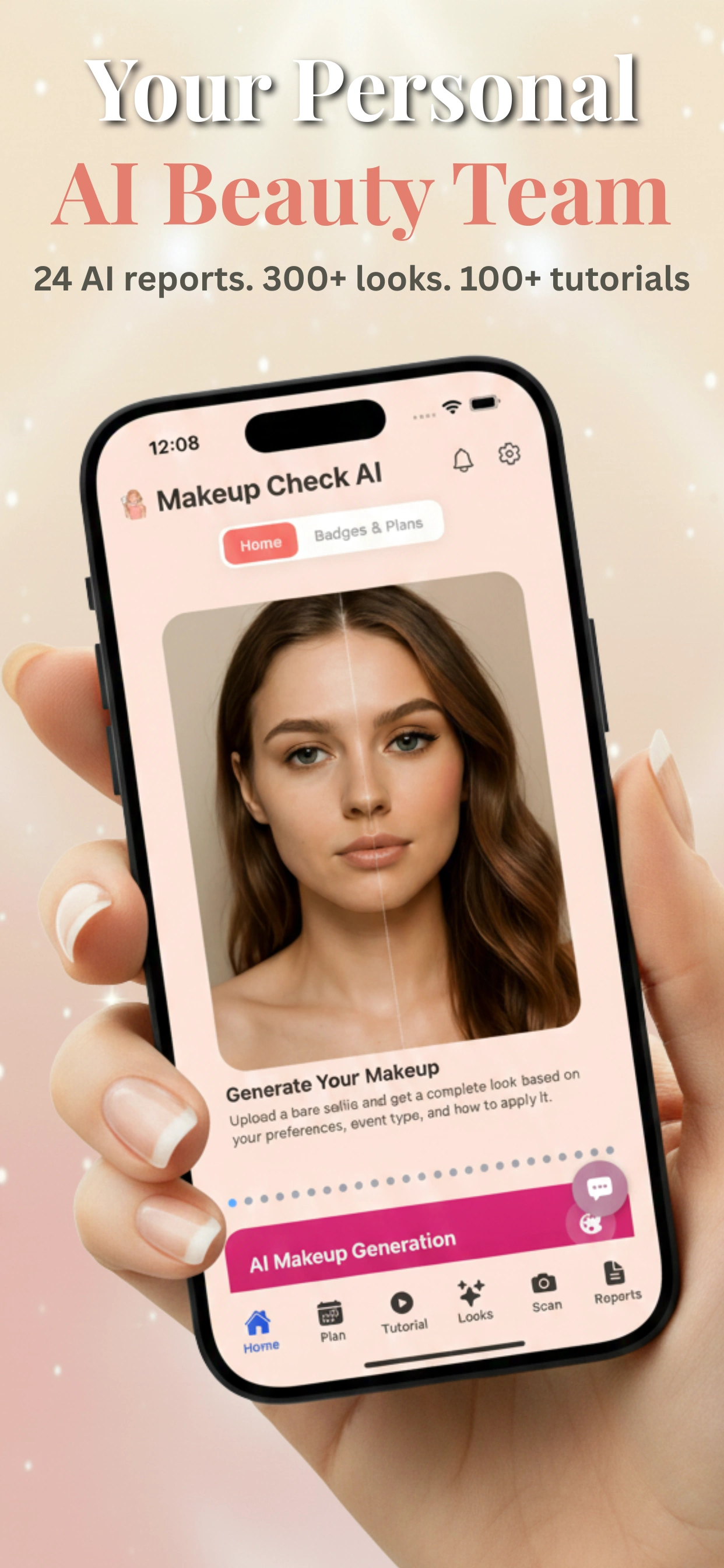
To assist with these seasonal adjustments, AI-powered tools like Makeup Check AI use color-season analysis algorithms. These technologies analyze your facial images under consistent lighting to help identify foundation shades suitable throughout the year, accounting for subtle tone shifts and undertone changes.
Section 2: How to Find Your Undertone: Warm, Cool, or Neutral
Understanding Undertones
Undertones are the subtle hues beneath your skin’s surface that influence how colors appear on your complexion, including makeup. Unlike surface skin tone, which can vary with tanning or redness, undertones tend to remain consistent and are important in selecting foundation shades that complement you naturally.
There are three main categories of undertones:
- Warm Undertones: Characterized by yellow, peachy, or golden hues. People with warm undertones often look vibrant in earth tones, gold jewelry, and warm colors.
- Cool Undertones: Defined by pink, red, or blue hues beneath the skin. Cool undertones are flattered by silver jewelry, jewel tones, and cooler shades.
- Neutral Undertones: A balanced mix of warm and cool tones, allowing for a versatile range of colors and jewelry that complement the skin.
Warm, Cool, or Neutral Undertone Test Methods
Here are some commonly used methods to identify your undertone at home without specialized equipment:
- Vein Test: Look closely at the veins on the inside of your wrist under natural daylight. If your veins appear predominantly greenish, you may have warm undertones. Blue or purple veins suggest cool undertones. A mix of green and blue or veins that are hard to distinguish may indicate neutral undertones.
- Jewelry Test: Try on gold and silver jewelry in natural light. If gold jewelry flatters your skin more and enhances your natural glow, you may have warm undertones. If silver looks better, you may have cool undertones. If both gold and silver suit you equally, you may have neutral undertones.
- White Paper Test: Hold a pure white sheet of paper next to your face in natural light. If your skin appears yellowish or golden against the white, you may have warm undertones. A pinkish or rosy hue indicates cool undertones. If your skin doesn’t pull strongly towards yellow or pink, you are probably neutral.
- Sun Reaction: Consider how your skin reacts to sun exposure. If you tan easily and rarely burn, you may have warm undertones. If you burn quickly and tan minimally, you may have cool undertones. Neutral undertones often burn but also tan gradually.
Using AI Undertone Analysis for Precision
Manual undertone tests can sometimes yield ambiguous results, especially for neutral skin types or when lighting is inconsistent. AI-powered tools can help by analyzing subtle color signals in your facial skin under controlled conditions.
Makeup Check AI’s Free Color Analysis uses image recognition and machine learning to scan your face via a selfie or uploaded photo. It detects undertones with precision, factoring in natural lighting, skin texture, and color variations that may be difficult to discern otherwise. This approach can help ensure your foundation shade matches your undertone well, reducing trial and error.
Additionally, AI tools often provide shade recommendations from multiple brands, helping you find your best matches across various product lines and formulas.
Section 3: How to Match Foundation to Skin: Best Places to Test
Why Location Matters When Testing Foundation
Choosing where to test foundation on your skin is important for accurate shade matching. Skin tone and undertone can vary subtly but noticeably across different areas of the face, neck, and chest. Testing foundation in the wrong area may result in a shade that looks perfect initially but causes visible lines or mismatches once blended.
Experts often recommend testing foundation on areas that represent your overall complexion and how your face transitions to your neck and chest. This helps ensure your foundation blends seamlessly, avoiding stark contrasts.
Top Areas to Test Foundation Shade
- Jawline: A commonly recommended spot for foundation testing. The jawline bridges the face and neck, allowing you to see how well the foundation matches both areas. Applying foundation here helps avoid a face that looks disconnected from the rest of your skin.
- Neck: Testing on the neck can help ensure that your face doesn’t look lighter or darker than your natural skin tone below the jaw. This is especially useful if your neck tone differs from your face due to sun exposure or skin conditions.
- Chest/Decolletage: Useful particularly if your chest area is notably darker or lighter than your face and neck. This can happen due to varying sun exposure or pigmentation differences. Matching this zone helps maintain an overall balanced look, especially when wearing low necklines.
How to Perform the Test
- Apply a small swatch of foundation along your jawline, about 1 inch in length.
- Blend the swatch slightly but avoid rubbing it off completely; you want to see how it settles on your skin.
- Observe the shade in natural daylight, preferably near a window, to assess color accuracy and blending.
- If unsure, repeat the test on your neck and chest and compare how the foundation looks on each area.
- Wait 15-30 minutes to check for any color change due to oxidation.
For assistance with matching, AI apps like Makeup Check AI use facial scanning technology to analyze these zones simultaneously. The app then recommends shades that harmonize with your face, neck, and chest tones, helping reduce guesswork and product waste.
Section 4: Understanding Foundation Oxidation and Its Impact
What Is Foundation Oxidation?
Foundation oxidation is a chemical reaction that can occur when the foundation formula interacts with oxygen, skin oils, environmental pollutants, or your unique skin chemistry. This reaction may cause the foundation to darken, deepen in color, or shift tone over time after application.
Oxidation can result in foundation turning slightly orange, reddish, or darker than its initial shade. It can also cause patchiness or uneven color, reducing the natural finish you initially achieved.
Why Does Foundation Oxidize Orange?
- Ingredients: Foundations containing iron oxides and certain pigments may be more prone to oxidation. These ingredients can react with oxygen or oils on the skin, altering their color. Pigments that are warm or have high concentrations of yellow or red tones can intensify oxidation effects.
- Skin pH and Oiliness: A person’s skin pH level and oil production can influence oxidation. Oily skin may accelerate oxidation because oils break down pigments faster. Similarly, acidic skin pH can cause color shifts in foundation pigments sensitive to pH changes.
- Environmental Factors: Exposure to heat, humidity, pollution, and UV rays can exacerbate oxidation by increasing chemical reactions in the foundation layer.
How to Test for Oxidation
To avoid unexpected color changes, you can test your foundation for oxidation before full-face application. The steps are:
- Apply a small amount of foundation on your jawline or wrist.
- Allow it to sit for 15 to 30 minutes without touching.
- Observe any noticeable changes in color or finish under natural light.
- If the foundation darkens or shifts to an orange/red hue, it may oxidize on your skin.
This process can help you identify formulas that maintain their true color over time, improving your makeup's long-term appearance.
Choosing Foundations to Minimize Oxidation
Look for foundations labeled as "non-oxidizing" or those with stable pigment formulations. Some brands develop formulas with antioxidants and pH-balanced ingredients to reduce oxidation. Additionally, foundations with lighter pigment concentration or mineral-based pigments may be less prone to color changes.
AI beauty apps like Makeup Check AI may integrate oxidation data into their recommendations. By analyzing your skin type, undertone, and oxidation history, these tools can suggest formulas and shades that maintain color fidelity, helping you avoid products that may turn orange or patchy.
Section 5: Mixing Shades and Using Drops for Seasonal Transitions
Why Mix Foundation Shades?
Seasonal skin tone shifts, especially during fall and spring, tend to be gradual rather than abrupt. Purchasing separate foundation bottles for every subtle shade change can be costly and wasteful. Mixing two foundation shades allows you to create a customized color that fits your current skin tone, adapting as your complexion transitions.
For example, blending your deeper summer shade with your lighter winter shade in varying proportions offers a customized formula that evolves with your skin. This approach can be especially helpful for those whose skin tone shifts moderately or for uneven tanning.
How to Mix Foundations Effectively
- Start with your winter foundation shade as the base.
- Add small, incremental amounts of your summer shade to warm up the color. For instance, begin with a 3:1 ratio (winter:summer) and adjust as needed.
- Use a clean mixing palette, ceramic dish, or the back of your hand for blending. Avoid mixing in the foundation bottle to prevent contamination.
- Mix thoroughly to achieve a uniform color and consistency.
- Test the mixed shade on your jawline, blending slightly to check for seamless transition.
- Adjust the ratio gradually until you find the preferred balance.
Using Lightening or Darkening Drops
Lightening and darkening drops are concentrated pigments designed to alter foundation shade without changing its texture, formula, or coverage. These drops offer precise shade customization and can be cost-effective alternatives to purchasing multiple foundations.
- Lightening drops: Typically white or pale-tinted, these drops are added in small quantities to foundation to lighten the shade, ideal for winter or paler skin phases.
- Darkening drops: Usually brown or golden tinted, these help deepen foundation color for summer or when your skin is more tanned.
When using drops, start with 1-2 drops per teaspoon of foundation, mix well, and test before adding more. Overusing drops can alter the foundation’s finish or coverage, so gradual increments are recommended.
Combining mixing drops with accurate undertone knowledge can help your foundation look natural and flawless across seasons. Many makeup brands sell proprietary drops compatible with their foundations, and some AI tools recommend compatible products to streamline this process.
Section 6: Adjusting Foundation Finish and Coverage for Skin Changes
Seasonal Skin Texture and Type Variations
Seasonal environmental changes can affect not only your skin tone but also skin texture and type, which should inform your foundation choices.
Winter: Cooler temperatures and dry indoor heating often cause skin dehydration, flakiness, and dullness. Skin may feel tight and show fine dry patches that can emphasize texture if the foundation is too matte or powdery.
Summer: Increased heat, humidity, and perspiration often lead to oilier skin, larger pores, and shine. Sweating can cause makeup to slide off or break down faster, making longevity a priority.
Tips for Seasonal Foundation Selection
- Winter: Choose moisturizing, hydrating foundations with a dewy or satin finish. Formulas enriched with skin-conditioning ingredients like hyaluronic acid, glycerin, or squalane may help maintain skin hydration and create a luminous glow. Medium coverage foundations can work well to even out uneven texture without emphasizing dryness.
- Summer: Opt for oil-control, matte, or water-resistant foundations that withstand heat and humidity. Look for formulations with mattifying agents like silica or kaolin clay, and ingredients that control sebum production. Lightweight, buildable coverage can avoid heaviness and allow skin to breathe.
- Coverage Adjustments: In summer, layering lighter coverage foundations or tinted moisturizers can help maintain a natural look while controlling shine. In winter, building coverage with concealer or layering foundation can add warmth and conceal redness or dullness.
Using AI to Tailor Foundation Finish and Coverage
AI beauty assistants such as Makeup Check AI analyze your skin type, current skin condition, and seasonal factors through imaging and questionnaires. Based on this data, they recommend foundation formulas and finishes tailored to your needs, balancing hydration, oil control, coverage, and undertone matching.
These personalized recommendations can help you adapt your makeup routine with changing seasons, enhancing comfort, appearance, and confidence. Additionally, AI can alert you to potential formula incompatibilities with your skin type or environmental conditions, saving time and money.
Conclusion
Adjusting your foundation shade and formula based on seasonal changes can help achieve a natural, flawless makeup look year-round. Understanding your undertone and how it can subtly shift, testing foundation on key areas like the jawline, neck, and chest, and accounting for oxidation can improve your shade matching accuracy.
Employing mixing techniques or specialized lightening and darkening drops provides an economical and customizable approach for dealing with transitional seasons like fall and spring. Furthermore, tailoring foundation finish and coverage to your skin’s seasonal texture and type changes can enhance both the appearance and longevity of your makeup.
Leveraging AI-powered tools such as Makeup Check AI can reduce guesswork in shade matching and product selection, offering personalized, science-informed recommendations. With the right knowledge and technology, your foundation can look like a natural second skin, no matter the season.
FAQ
Q: How do I know if my foundation shade needs to change with the seasons?
A: Observe your skin tone changes due to sun exposure, hydration, and environmental factors. If your foundation appears too light or dark compared to your neck or chest, or if it oxidizes noticeably after application, it may be time to adjust your shade. Testing in natural light and using AI shade-matching apps can help identify the right adjustments.
Q: Should I match foundation to my face, neck, or chest?
A: It is generally recommended to test and match foundation along your jawline since it bridges your face and neck tones. Also consider testing on your neck and chest to avoid stark color differences, especially if your skin tones vary across these areas due to sun exposure or pigmentation.
Q: How many shades darker should foundation be in summer?
A: Typically, a foundation 1-2 shades darker than your winter shade may work well for summer, depending on your natural tan intensity. If you tan moderately, one shade darker may suffice; for deeper tans, two shades or mixing with darkening drops may be helpful.
Q: How do you mix foundation shades for fall and spring?
A: Gradually mix your summer and winter foundation shades to customize a transitional tone. Start with a higher proportion of your winter shade and add summer shade incrementally, testing the blend on your jawline for seamless color. Adjust the ratio as your skin tone changes throughout the season.
Q: Can I lighten foundation with moisturizer or mixing drops?
A: While moisturizer can thin foundation and affect its coverage and finish, lightening or darkening drops specifically designed for foundation adjustment generally maintain formula integrity better. These drops allow precise color changes without compromising texture or wear.
Q: How do I make foundation look natural when my skin tans or gets paler?
A: Adjust your foundation shade seasonally using mixing techniques or drops to match your current skin tone. Always test in natural light on your jawline and choose formulas suited to your skin’s present texture and undertone. Using AI tools for personalized shade matching can enhance natural results.