Viral Makeup Look Sharing Tips: How to Craft Shareable Beauty Content
Learn viral makeup look sharing tips to create engaging, shareable beauty content that elevates personal brands and sets beauty trends on social media.

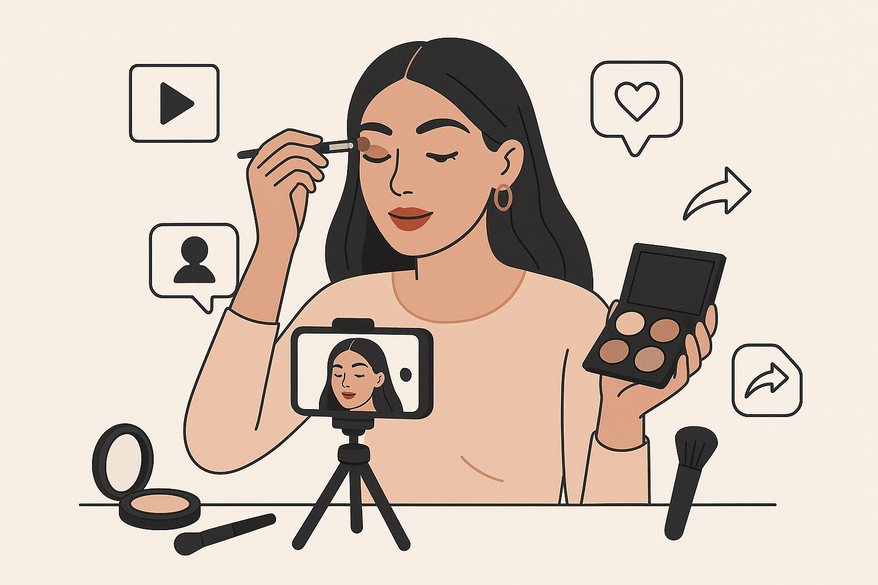
Estimated reading time: 8 minutes
Key Takeaways
- Grasp the viral makeup look landscape for trend insights.
- Produce high-quality visuals with proper lighting and authentic editing.
- Craft a compelling narrative that emotionally connects and educates.
- Optimize each platform’s formats for maximum engagement.
- Leverage influencer collaborations to expand reach authentically.
- Monitor metrics and adapt your strategy based on data.
Table of Contents
- Understanding the Viral Makeup Look Landscape
- Quality Content Creation for Viral Makeup Look Sharing Tips
- Crafting a Compelling Narrative
- Optimizing Social Media Strategies
- Leveraging Influencer Collaborations
- Monitoring and Adapting Your Strategy
- Conclusion
- FAQ
Section 1: Understanding the Viral Makeup Look Landscape
Viral makeup looks achieve high share‐and‐save rates by tapping into trends, cultural movements, or unique aesthetics. To stay ahead, know which looks are poised to go viral:
- Full-face makeup with no mascara – a fresh‐faced focus on skin and hue, foregoing lash coating for a modern twist.
- Fully rimmed eyeliner – bold outlines around the eyes for graphic impact.
- Cool-toned and maximalist eyes – icy blues, purples, and intricate blending.
- Satin and “butter” skin finishes – skin that glows like soft silk.
- Black cherry or deep berry lips – rich, moody shades that pop.
- Cherry Girl 2.0 – monochromatic berry tones on lips, cheeks, and eyes.
- Neon or pastel lashes and eyeshadows – unexpected pops of color on the lashes.
- Subtle anti-trend, natural brows – soft, feathery arches instead of blocky shapes.
For more in-depth trend insights, see the Makeup Trends 2025 guide.
Section 2: Quality Content Creation for Viral Makeup Look Sharing Tips
High-quality visuals are nonnegotiable when aiming for shareable beauty content. Accurate color representation and crisp imagery build trust and keep viewers coming back.
Lighting setups:
- Natural daylight near a north-facing window – soft, even light without harsh shadows.
- Ring light – diffuse white light; position two lights at 45° angles to eliminate shadows and highlight facial dimensions.
Discover more selfie and lighting hacks.
Camera and video equipment:
- DSLR or mirrorless camera with manual white balance.
- Smartphone in “Pro” or “Expert” mode for quick, high-res capture.
- Always clean lenses to avoid smudges and glare.
- For video: keep the camera at eye level for a natural angle and add a soft background light for depth.
Explore advanced photography techniques.
For streamlined virtual try-ons and AI-driven look generation, check out Makeup Check AI.
Editing tools and workflows:
- Adobe Lightroom – color correction to maintain true-to-life skin tones.
- Facetune – minimal blemish control; avoid over-smoothing to preserve authenticity.
- InShot or CapCut – trim clips, add text overlays, sync music, and use smooth transitions.
Section 3: Crafting a Compelling Narrative
Storytelling transforms a makeup demo into a shareable journey that resonates emotionally:
- Emotional connection: Encourages shares and saves.
- Memorable themes: Boost brand recall and inspire future creations.
- Contextual color choices: Educate viewers on why each shade works.
Incorporate personal inspiration with mood boards and color swatches, then reveal event-driven looks (seasonal or celebratory) to keep content fresh.
Share behind-the-scenes glimpses:
- Product lineup – highlight each tool and shade.
- Workspace setup – show lights, mirrors, and brushes.
- Real-time mistakes and fixes – authenticity fosters trust.
Use a clear tutorial structure:
- Prep (skincare and base).
- Key feature focus (eyes, lips, or cheeks).
- Blending and finishing techniques.
- Reveal with styling tips (outfit pairing, hair suggestions).
Section 4: Optimizing Social Media Strategies
Tailor your approach for each platform to maximize share potential:
Best platforms and formats:
- Instagram
- Feed photos – maintain a cohesive grid aesthetic.
- Stories – quick BTS, polls, and swipe-up links.
- Reels – 15–60 second tutorials or transformations.
- TikTok
- 15–60 second tutorials, trend participation, hashtag challenges.
- Use trending sounds and effects to boost algorithm reach.
- YouTube
- 8–15 minute deep-dive tutorials, product reviews, and full routine demos.
Section 5: Leveraging Influencer Collaborations
Collaborations merge audiences, boost credibility, and feel like peer recommendations rather than ads:
- Research influencers with aligned aesthetics and strong engagement.
- Craft a pitch that offers mutual value (co-hosted giveaways, sneak peeks).
- Agree on deliverables: number of posts, Stories, or video duets/stitches.
- Plan a cross-promotion calendar with shared hashtags.
- Track performance via UTM links, promo codes, or affiliate tags.
Section 6: Monitoring and Adapting Your Strategy
Use data to stay ahead of shifting trends and algorithms:
- Views: Overall exposure.
- Likes and shares: Immediate social proof.
- Saves: Indicator of strong interest.
- Watch time: Engagement depth for video content.
Conclusion
By combining six pillars—landscape insights, quality visuals, compelling storytelling, smart social strategies, influencer collaborations, and data-driven adaptation—you’ll unlock true shareable beauty content. Pick a trend, apply these tips, use #yourbrandViralMakeup, and watch your community grow!
FAQ
- What makes a makeup look “viral”?
It’s a mix of trend alignment, eye-catching visuals, authentic storytelling, and easy-to-share formats that encourage audience interaction. - How long should my tutorial videos be?
Keep social snippets between 15–60 seconds for TikTok and Reels; use 8–15 minutes for YouTube deep dives. - Which platform should I prioritize?
Choose based on your audience: visually driven tutorials on Instagram and TikTok, long-form how-tos on YouTube. - What metrics matter most?
Track views, shares, saves, and watch time to gauge both reach and engagement quality.