Your Ultimate Thick Curly Hair Routine: Frizz Prevention, Waves Between Washes & Quick Fixes
Discover the ultimate thick curly hair routine for frizz prevention, maintaining waves between washes, and quick fixes for common issues like bad layers.

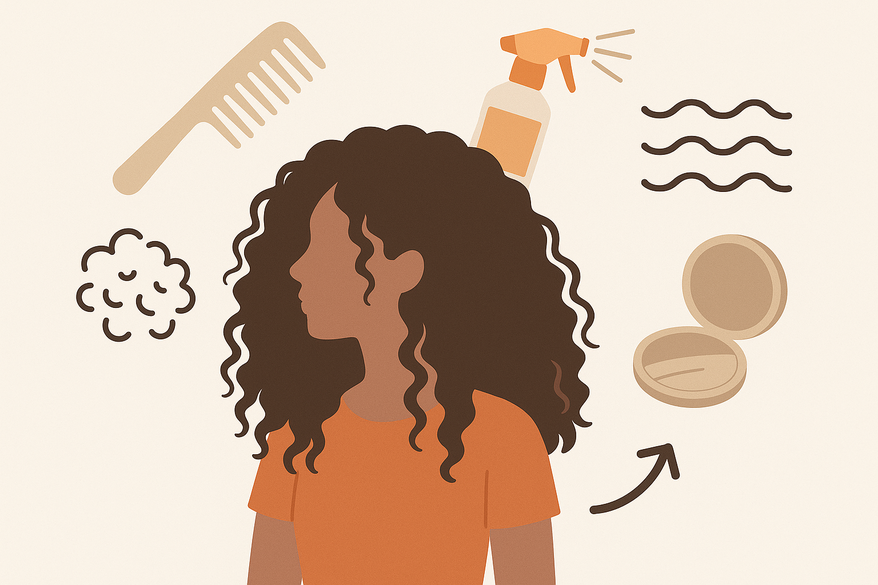
Estimated reading time: 6 minutes
Key Takeaways
- Moisture & Definition: A tailored routine seals cuticles, fights frizz, and enhances curl shape.
- Frizz Prevention: Incorporate co-washes, gentle detangling, product layering, deep conditioning, and proper drying.
- Salon Success: Choose stylists trained in DevaCut or Ouidad, ask targeted questions, and insist on dry cuts.
- Refresh Techniques: Light mists, lightweight stylers, scrunching, and protective sleeping methods extend wave life.
- Problem Solving: Maintain blue tones with depositing conditioners, rescue bad layers with trims and protein masks.
Table of Contents
- Understanding Thick Curly Hair
- Frizz Prevention Techniques
- Navigating Curly Hair Salons
- Maintaining Waves Between Washes
- Fixes for Specific Hair Issues
- Conclusion
Understanding Thick Curly Hair
What makes hair “thick” and “curly”?
- Dense strands: More hair per square inch creates bulk.
- Tight curl patterns: Ringlets or coils that interlock and amplify volume.
- High porosity: Raised cuticles that let moisture escape and invite frizz.
Why high porosity leads to frizz
- Open cuticles absorb moisture then swell in humidity.
- Swollen strands lose their elastic shape and tangle easily.
- Result: Dry, uneven waves prone to frizz.
Need for a tailored routine
- Seal the cuticle: Follow washes with oils or proteins to lock in hydration.
- Reduce breakage: Gentle detangling and minimal heat styling preserve strength.
- Enhance natural body: Correct product order defines curls without weighing them down.
Frizz Prevention Techniques
Weekly Wash Routine
- Co-wash or low-poo 1–2 times per week to preserve natural oils.
- Detangle on wet hair with a wide-tooth comb or fingers, working from ends to roots.
- Rinse gently—avoid high water pressure that roughs up the cuticle.
Product Layering & Application
- Leave-in conditioner (lightest)
- Curl cream or balm
- Styling gel or cream (heaviest)
Recommended product: NutriCurls Curlixir Balm for definition.
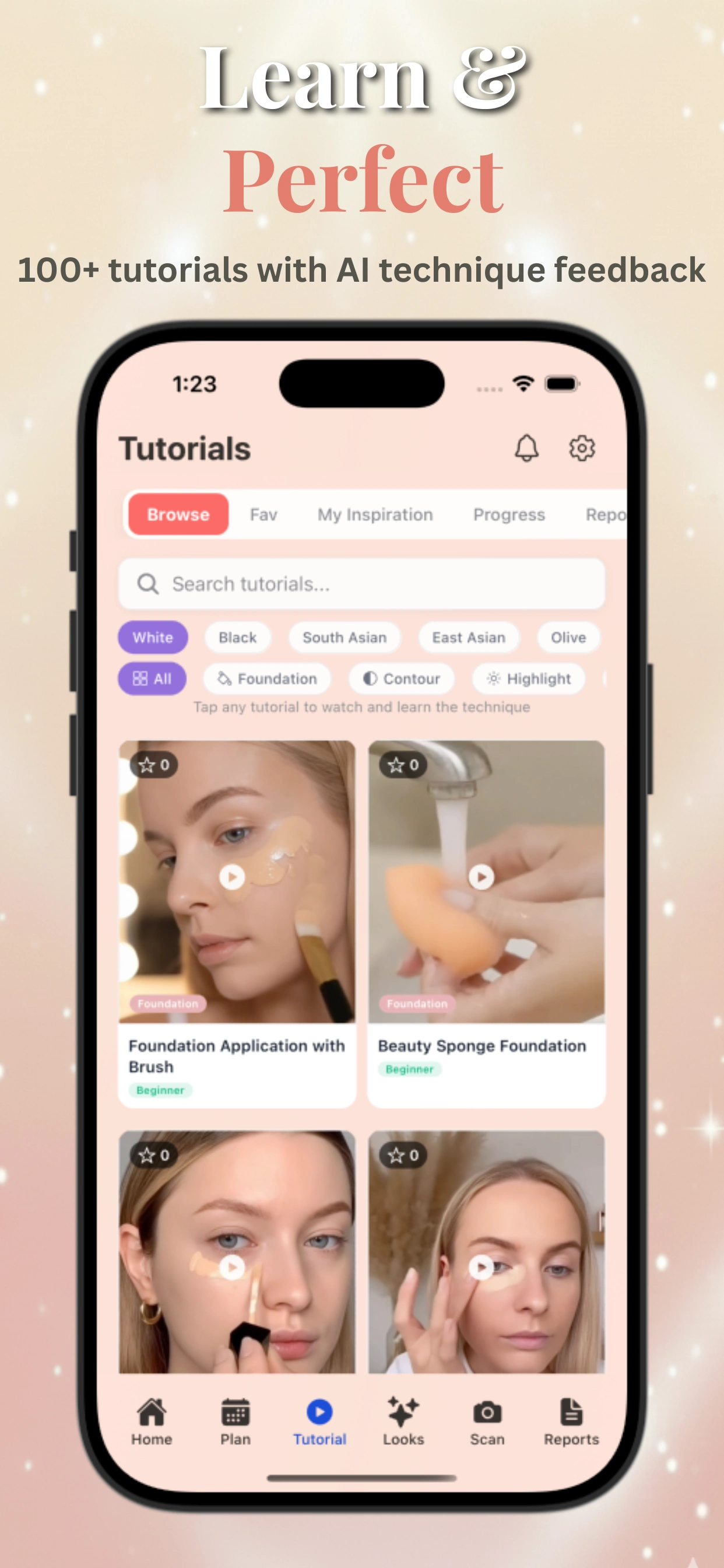
For deeper insights on matching tech with your curls, explore Makeup Check AI for personalized analysis.
Deep Conditioning & Humidity Control
- Weekly mask: 5–10 minutes on towel-dried hair; rinse with lukewarm water • NutriCurls Deep Treatment or Restore and Shine Hair Masque.
- Night care: Silk or satin pillowcases reduce friction and lock in moisture.
Drying & Styling Tools
- Diffuser: Use low heat and airflow to set curls without frizz.
- Air-dry preference: Let hair dry naturally and keep hands off.
Navigating Curly Hair Salons
Salon Selection Criteria
- Curly-hair specialists: Look for DevaCut, Ouidad, or similar certification.
- Experience with thick, high-porosity textures.
- Reviews and before/after photos showcasing dense curls.
Key Questions to Ask
- “Which products do you use on dense, high-porosity curls?”
- “Do you perform dry cuts to assess my natural curl pattern?”
- “How do you approach layering for thick curly hair?”
What to Expect During a Visit
- In-depth consultation: Curl typing, porosity test, moisture check.
- Custom cut: Strategic layers to remove bulk and preserve shape.
- Professional treatments: • Deep conditioning with a heat cap • Bonding treatments for damage repair
Tips to Avoid Common Missteps
- Bring clear reference photos of your ideal curl shape.
- Insist on a dry cut so the stylist sees how your curls fall naturally.
Maintaining Waves Between Washes
Step-by-Step Refresh Routine
- Lightly mist hair with water or a 1:1 water + conditioner mix.
- Finger-detangle sections, starting at the ends.
- Apply a tiny amount of lightweight styler: • Serum for frizz control • Foam for volume
- Scrunch hair upward and diffuse briefly or air-dry.
- Sleep in a satin bonnet or on a satin pillowcase to hold your shape.
Extra Tips
- Use a microfiber towel or T-shirt to scrunch out excess water.
- Pineapple hair loosely on top of your head for lift.
- Watch a visual tutorial for step-by-step guidance.
Fixes for Specific Hair Issues
Blue Hair Not Showing Fix
- Porous curls lose pigment quickly.
- Use a weekly color-depositing conditioner or mask: Joico Color Infuse Blue.
- Alternate with purple shampoo to counter brassiness.
- Seal the cuticle post-color with a nourishing mask like Wella Ultimate Repair.
Bad Layers Haircut Fix
- DIY interim trim every 6–8 weeks: Remove split ends with sharp shears, focusing on uneven lengths.
- Protein treatments: Weekly masks strengthen and support healthy growth.
- Styling camouflages: • Volumizing mousse at roots • Gel on ends for unified volume and definition
- Long-term: Schedule a textured trim with a curly-hair specialist to blend layers seamlessly.
Conclusion
A comprehensive thick curly hair routine prioritizes moisture, definition, and expert care. By:
- Preventing frizz with smart wash and styling habits
- Choosing the right curly hair salons for cuts and treatments
- Refreshing waves between washes
- Fixing color issues like blue hair not showing
- Repairing bad layers haircuts
You’ll enjoy stronger, more defined curls. Try these techniques, share your results, and book a consultation at a specialized curly hair salon today!
FAQ
- How often should I wash my thick curly hair?
Co-wash or low-poo 1–2 times per week helps maintain natural oils and reduce frizz. - Can I use a diffuser on high-porosity hair?
Yes—use low heat and low airflow settings, and apply a heat protectant before drying. - What if my layers are still uneven after trimming?
Book a textured trim with a curly-hair specialist who can blend layers while dry. - How do I keep blue hair vibrant?
Use a weekly color-depositing conditioner or mask, and seal with a nourishing treatment. - Is co-washing enough to prevent frizz?
Combine co-washing with leave-in conditioner, proper styling, and deep conditioning for best results.