Understanding Transparent Makeup AI Metrics: Elevating Beauty Transparency with Data-Driven Insights
Explore how transparent makeup AI metrics enhance beauty transparency through data-driven insights, building trust and integrity in modern beauty ecosystems.

Estimated reading time: 7 minutes
Key Takeaways
- Combines transparent disclosure of ingredients and sourcing with quantified AI performance and fairness scores.
- Fosters consumer trust by reducing greenwashing and offering auditable dashboards.
- Enhances product development through data-driven insights on quality, blendability, and wear-time.
- Streamlines compliance with real-time ingredient checks and audit trails for regulators.
- Outlines future innovations like standardized frameworks, hyper-personalization, and blockchain provenance.
Table of Contents
- Section 1: Defining Key Concepts for Transparent Makeup AI Metrics
- Section 2: Intersection of AI in Makeup Transparency
- Section 3: Benefits of Transparent Makeup AI Metrics
- Section 4: Case Study: Transparent Makeup AI Metrics in Action
- Section 5: Challenges in Transparent Makeup AI Metrics
- Section 6: Future Trends and Innovations in Transparent Makeup AI Metrics
- Conclusion and Call to Action
- FAQ
Transparent makeup AI metrics describe a model where brands openly disclose ingredients, sourcing, and algorithmic performance through auditable, data-backed scores and dashboards. This approach merges full product transparency with quantified AI evaluation. Early in the beauty industry, consumers only saw marketing claims. Today they demand real proof—what’s in products, where ingredients come from, and how AI recommendations are generated. Learn how these metrics build trust in modern beauty ecosystems (Transparent Makeup AI Metrics: Building Trust).
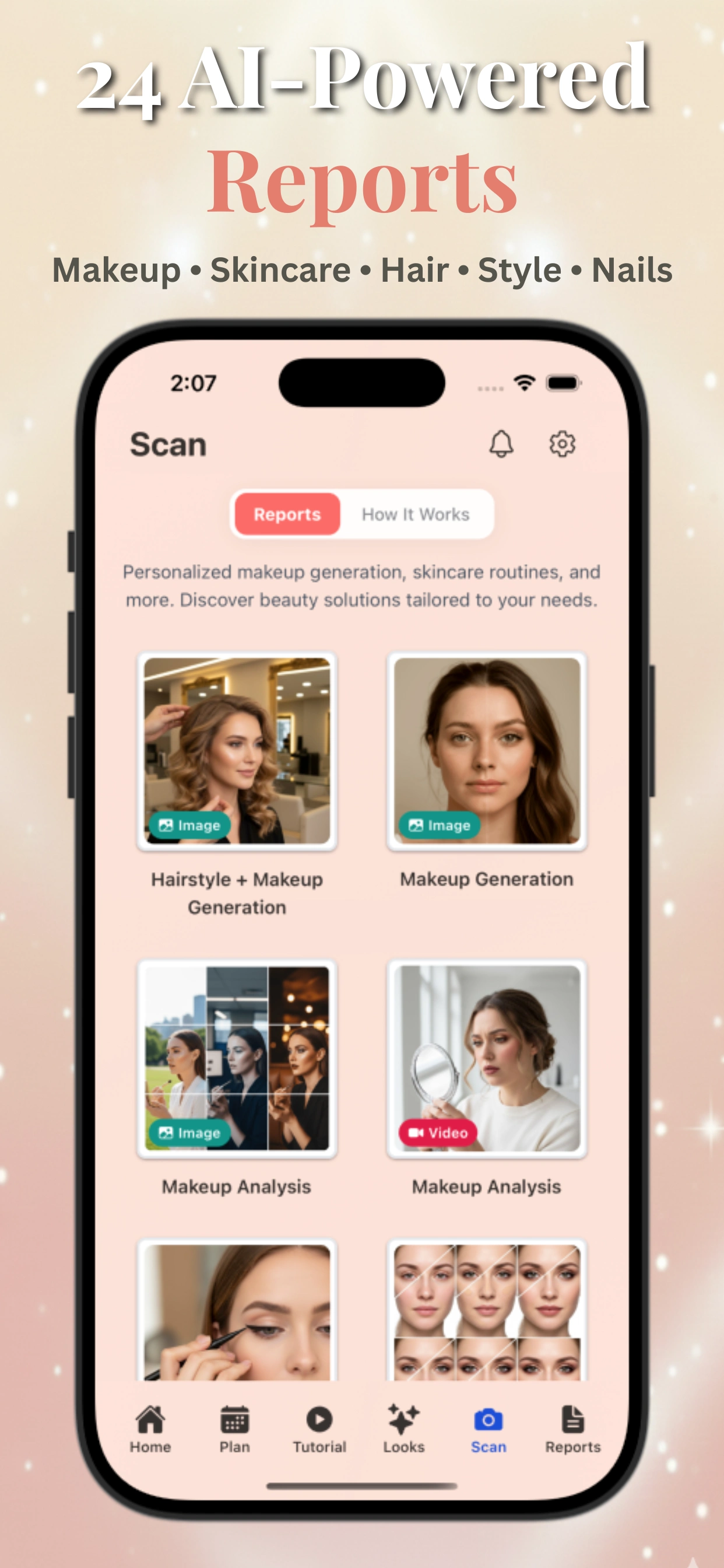
Transparency in makeup has become a must-have as shoppers seek clear ingredient lists and ethical sourcing data. They also want to know AI metrics on fairness and safety. By integrating AI metrics, brands reduce greenwashing, build genuine trust, and foster responsible innovation. Additionally, solutions like Makeup Check AI provide personalized dashboards that let consumers explore performance and fairness scores in real time.
Section 1: Defining Key Concepts for Transparent Makeup AI Metrics
What Is Transparent Makeup?
- Full ingredient disclosure
- Brands list all INCI ingredients following FDA and EU guidelines.
- Consumers see detailed formulas and potential allergens.
- Ethical sourcing
- Trace ingredient origins, cruelty-free certification, fair labor practices, and environmental impact.
- Honest labeling
- Claims like “clean” or “hypoallergenic” are validated against safety data and regulatory lists.
- Consumer accountability
- Dashboards or downloadable reports let users verify safety and ethics themselves.
What Are AI Metrics?
- Performance metrics
- Accuracy, precision, recall, and F1-score for shade matching, skin analysis, and blendability tests.
- Fairness/bias metrics
- Demographic parity and equal opportunity checks to ensure equity across skin tones, ages, and genders.
- Explainability metrics
- SHAP and LIME feature-importance scores reveal which ingredients or skin features drive AI decisions.
- Real-world impact metrics
- User trust scores, satisfaction rates, error and complaint rates, and drift detection in live deployments.
Section 2: Intersection of AI in Makeup Transparency
Ingredient Tracking & Disclosure Depth: AI ingests complete ingredient lists plus toxicity databases like CosIng and CIR. It flags restricted or risky components and scores disclosure completeness. This level of granularity makes every formula checkable.
Ethical Sourcing & Provenance Verification: Machine learning links supplier certificates with batch data to track “% ethically sourced ingredients” and “traceability completeness.” Brands can surface these metrics in public dashboards.
Quality Control & Consistency: Computer vision inspects product appearance, shade uniformity, and packaging authenticity. It detects defects or counterfeit products, ensuring every batch meets brand standards.
Claim Verification: Data analytics correlate formulas with lab safety logs, user feedback, and clinical tests to validate claims such as “long-wear,” “non-comedogenic,” or “suitable for sensitive skin.”
Section 3: Benefits of Transparent Makeup AI Metrics
Enhanced Consumer Trust
- Verifiable dashboards on ingredient safety, ethical sourcing, and model fairness build real confidence. (Source: Transparent Makeup AI Metrics – Beauty)
- Fairness metrics reduce bias, ensuring shade-matching tools work across all skin tones.
Improved Product Development & Quality Assurance
- Data-driven R&D uses AI metrics on wear-time, blendability, and coverage to optimize formulas faster.
- Iterative improvements come from user behavior metrics, satisfaction scores, and error analysis.
Streamlined Regulatory Compliance
- Real-time ingredient scans flag non-compliant ingredients against global safety lists.
- Audit trails and metric logs serve as structured evidence for regulators.
Section 4: Case Study: Transparent Makeup AI Metrics in Action
Case Study 3 – Makeup Check AI Scoring Framework: Cross-references 2,000+ ingredients with toxicity databases. Computes Blendability Score via pixel-variance algorithm. Publishes training data demographics and model logic for transparency. Outcomes: 92% F1 score on blendability detection; heightened confidence.
Section 5: Challenges in Transparent Makeup AI Metrics
Data Privacy & Consent: Handling face images and personal skin data demands anonymization and clear consent flows.
Cost & Technical Complexity: AI infrastructure, fairness testing, and explainability tooling can be expensive and resource-intensive.
Algorithmic Bias & Representation: Underrepresentation of certain demographics in training data can skew fairness metrics.
User Comprehension: Complex dashboards risk overwhelming non-expert consumers if not simplified.
Section 6: Future Trends and Innovations in Transparent Makeup AI Metrics
- Standardized transparency frameworks for ingredient disclosure, fairness benchmarks, and explainability.
- Hyper-personalized dashboards: risk scores tailored to individual allergies, skin profiles, and ethical preferences.
- Real-time & predictive compliance: AI forecasts regulatory risks for new formulations.
- Blockchain integration: immutable provenance records linked with AI metrics to reinforce sustainability claims.
- Advanced trend forecasting: neural networks predict popular shades and ingredients with embedded transparency metrics.
Conclusion and Call to Action
Transparent makeup AI metrics unite full disclosure of ingredients, sourcing, and labeling with rigorous, explainable AI evaluation of performance, fairness, and safety. This combination builds consumer trust, accelerates responsible R&D, and simplifies compliance with evolving regulations.
By embracing these standards, beauty brands can lead with integrity, and consumers can make informed choices in an era of data-driven beauty.
FAQ
- What are transparent makeup AI metrics?
Transparent makeup AI metrics combine open disclosure of product ingredients and sourcing with data-driven measures of AI performance, fairness, explainability, and real-world impact.
- How can consumers access AI transparency dashboards?
Many brands embed personalized dashboards on their websites or companion apps, allowing users to explore safety scores, ethical sourcing data, and fairness metrics in real time.
- How do brands implement these metrics?
Brands start by aggregating complete ingredient lists and supply-chain data, then apply machine learning and analytics pipelines to generate performance, bias, and explainability scores, publishing results via auditable dashboards.