Makeup Analyzer: AI Tools for Personalized Makeup and Beauty Reports
Discover how a makeup analyzer uses AI to scan your face, detect skin tone, and recommend makeup. Get personalized looks with Makeup Check AI.

Estimated reading time: 13 min
Key Takeaways
Free tools for this guide (run in your browser, nothing uploaded):
- Free AI makeup analysis (undertone, face shape, colour season)
- Virtual makeup try-on (26 looks, free)
- A makeup analyzer uses AI to assess your features from a photo, providing tailored makeup and skincare recommendations.
- Modern apps scan skin tone, undertone, shape, and facial details for highly personalized results.
- Makeup analyzers generate full reports, suggest products, and offer try-on experiences for 300+ looks.
- Advanced solutions like Makeup Check AI include tutorials, daily routines, and 24/7 AI beauty assistants.
- These tools empower smarter beauty decisions for every face shape, skin type, and style preference.
Table of Contents
- Section 1: Understanding Makeup Analyzer Technology
- Section 2: Skin Tone & Undertone Detection
- Section 3: Face Shape and Feature Analysis
- Section 4: Eye, Brow, and Lip Structure Assessment
- Section 5: Personalized Makeup Recommendations
- Section 6: Makeup Analyzer Reports & Use Cases
- Conclusion
- FAQ
Section 1: Understanding Makeup Analyzer Technology
What is a Makeup Analyzer?
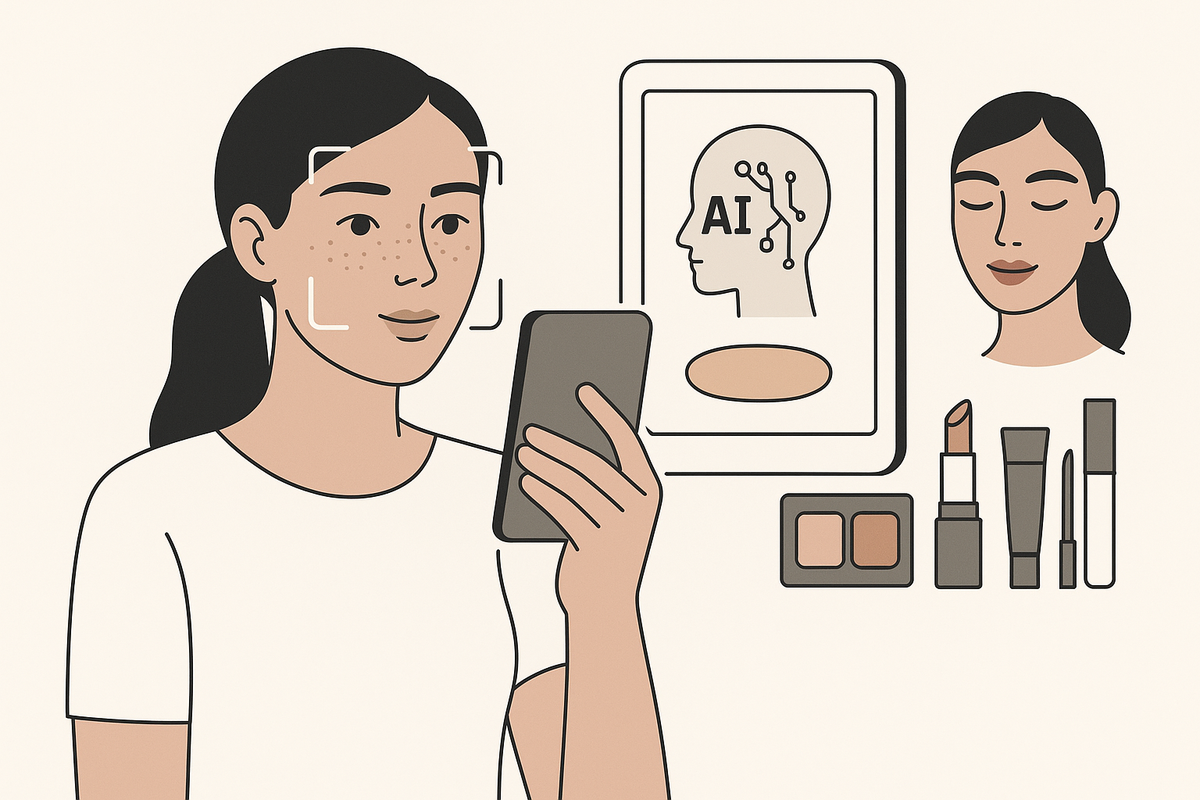
A makeup analyzer is an AI-powered tool that evaluates your facial features from a photo or live camera input. By leveraging advanced computer vision and deep learning, it provides personalized analysis and beauty recommendations. These tools have transformed how we approach makeup routines, offering insights previously accessible only from professional artists or stylists.
The technology behind makeup analyzers has matured rapidly. Instead of relying on manual measurements or subjective judgments, these apps use millions of data points from diverse faces to recognize subtle distinctions. For example, Makeup Check AI’s system can differentiate between over a dozen face shapes and skin undertones, outperforming most human experts in speed and consistency. The blend of artificial intelligence and augmented reality (AR) means even novices can see pro-level results instantly, making beauty personalization accessible to all.
How Does AI Analyze Your Face?
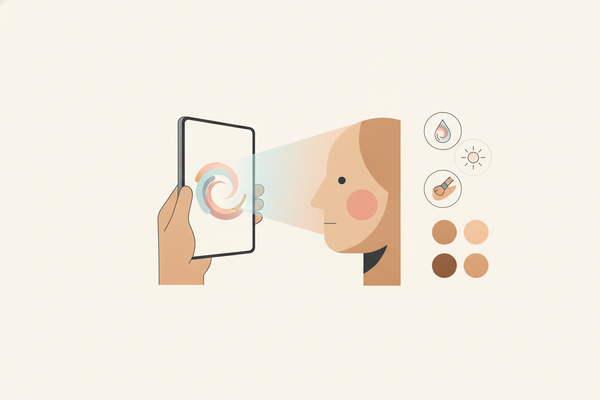
AI makeup analyzers use sophisticated algorithms to recognize facial landmarks—such as the eyes, lips, nose, and jawline. They measure proportions, symmetry, and unique features. By referencing large beauty datasets, the AI identifies what makeup styles, colors, and techniques will best enhance your natural appearance. This process is instant and non-invasive, requiring just a clear photo.
The process typically begins with facial detection, where the app identifies 60-100 key points on your face. These points map out the geometry of your features: the curve of your cheekbones, the angle of your jaw, the fullness of your lips, and the distance between your eyes. The AI then cross-references your data with thousands of successful makeup applications in its database, considering factors like skin tone, eye color, and age. This enables the system to generate hyper-personalized recommendations—whether you’re seeking a natural daytime look, bold evening glam, or skincare-focused routine.
Evolution of AI in Beauty
- Early Tools: Relied on basic measurements and color matching, often yielding generic suggestions. These systems could identify only broad categories, such as ‘light’ or ‘dark’ skin, and recommended limited makeup shades, often missing nuances in undertones or face shape.
- Modern Apps: Blend machine learning with AR, allowing users to try on virtual looks and receive dynamic feedback. Today’s apps simulate the effect of over 300 different makeup combinations, and even let you adjust intensity or finish in real time. For example, you can see how a matte versus a dewy foundation would look on your actual skin, or how different eyebrow shapes impact your expression.
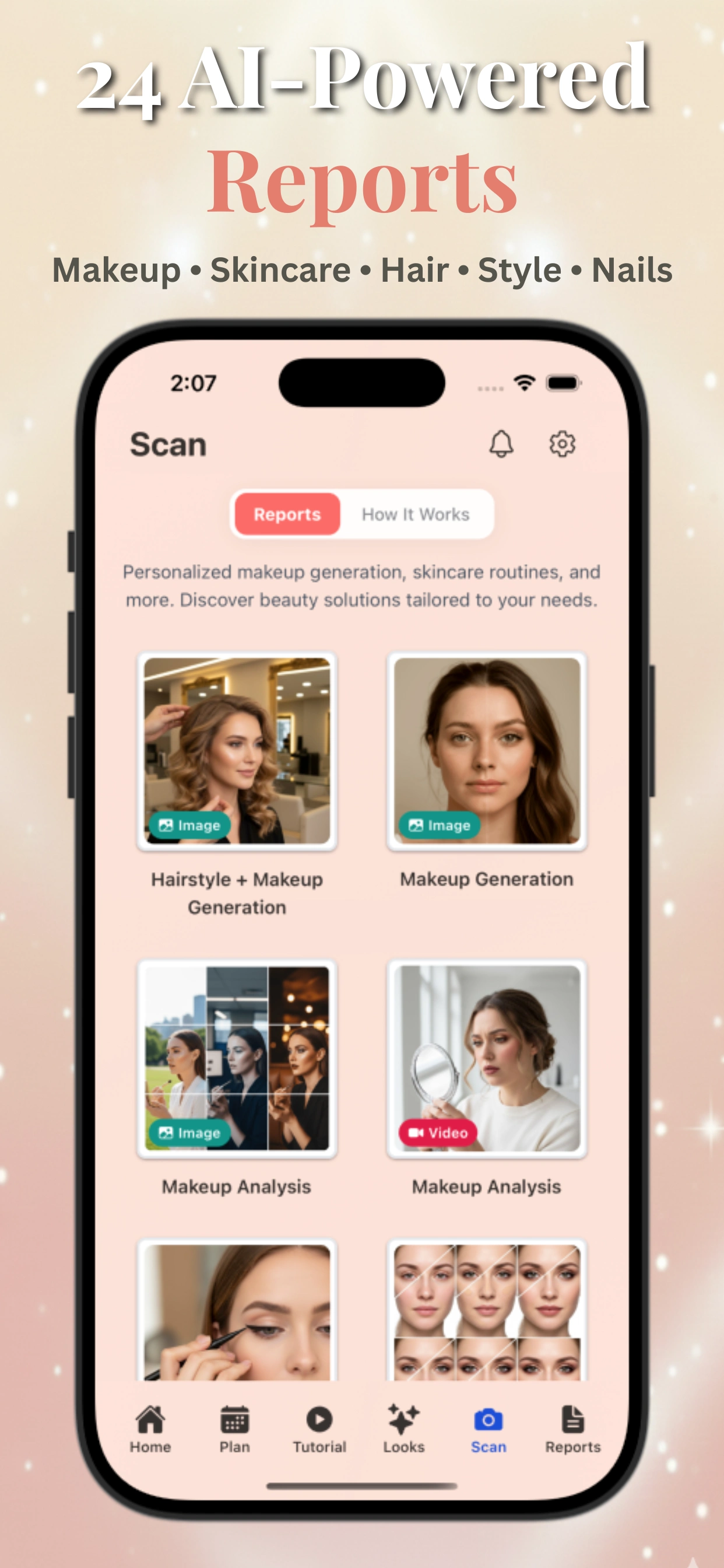
- Personalization: Today’s analyzers (like Makeup Check AI) support 24/7 AI chat, custom routines, and even daily reminders to form better habits. They offer ongoing support, so your virtual beauty assistant adapts as your needs or style preferences change—whether you’re dealing with seasonal skin changes, experimenting with new looks, or preparing for a special event.
The impact is significant: makeup analyzers now empower everyone to discover their ideal styles, experiment risk-free, and learn from AI-driven tutorials. For more on how AI is revolutionizing beauty, see Makeup AI: Revolutionizing Beauty with Personalized Technology.
Security and Privacy
Top makeup analyzer apps prioritize user privacy: photos are processed securely, and no data is shared without consent. Always check an app’s privacy policy before uploading images.
Reliable platforms use encrypted data transfer and may process photos locally or on secure servers that comply with data protection standards (such as GDPR in Europe). Look for features like auto-deletion of uploaded images after analysis, the ability to opt out of data storage, and transparency in how your information is used. Makeup Check AI, for example, never sells or shares your images with third parties, and all facial data is anonymized for research or improvement purposes. This ensures you can enjoy the benefits of AI-driven beauty analysis with peace of mind.
Section 2: Skin Tone & Undertone Detection
Why Skin Tone and Undertone Matter
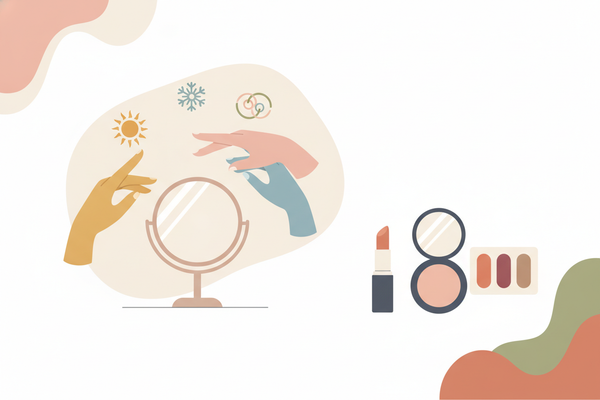
Matching makeup to your skin tone and undertone is crucial for a natural, flattering look. While skin tone is the surface color (fair, medium, deep, etc.), undertone is the subtle hue beneath—cool, warm, or neutral. The right match ensures foundation blends seamlessly and colors enhance your unique complexion.
Failure to match both can result in products appearing ashy, orange, or mask-like. For example, a foundation that’s perfect in depth but wrong in undertone can make even the best-applied makeup look unnatural. Blush and lipstick can either brighten your appearance or clash, depending on how well they suit your underlying tones. Professional makeup artists spend years mastering this skill—AI analyzers now put it in everyone’s hands.
How AI Detects Your Skin Tone
- Photo Analysis: The AI scans your image, evaluating pixel values across cheek, jaw, and forehead regions to avoid shadows or highlights skewing results. It selects representative areas, analyzes color consistency, and uses machine learning models trained on thousands of skin samples.
- Color Calibration: Algorithms account for lighting conditions, adjusting for daylight, indoor, or artificial light impacts. Some apps prompt users to upload photos in natural light or provide a reference (like a piece of white paper) to improve calibration accuracy.
- Skin Tone Mapping: The tool categorizes your photo into a defined palette, often referencing color-season analysis (e.g., Spring, Autumn) to refine suggestions. This mapping can identify subtle differences, such as distinguishing between olive and golden undertones in medium skin.
Advanced systems continually improve accuracy by learning from user feedback—if you indicate a recommended shade looked too light or dark, the AI adjusts future suggestions accordingly.
Undertone Detection Process
AI makeup analyzers use subtle cues to determine undertone:
- Vein color on the wrist (blue/purple = cool, green = warm). AI may digitally enhance images for better vein visibility or prompt you to select a reference area for analysis.
- Natural lip and cheek shades. The analyzer identifies the underlying hue in your lips and cheeks—rosy (cool), peachy (warm), or beige (neutral)—to refine its assessment.
- Response of skin to sun exposure. If you tan easily, you’re more likely to have warm undertones; if you burn, cool undertones are probable. Some analyzers ask about your tanning habits or let you upload summer and winter photos for comparison.
Some apps, like Makeup Check AI, even provide a Free Color Analysis tool for instant undertone results. This tool cross-references your input with a comprehensive database of skin undertones, improving accuracy for diverse skin types and ethnicities.
Benefits of Automated Tone Matching
- Removes guesswork from foundation and concealer shopping, saving time and money. Many users report higher satisfaction and fewer returns when using AI recommendations for shade selection.
- Suggests blush, bronzer, and highlighter shades that look harmonious—not just in theory, but as proven by thousands of real-world applications in the system’s database.
- Boosts confidence in makeup purchases and application, especially for those who have struggled with mismatched shades in the past.
Automated tone matching is especially helpful for people shopping online or those with complexions that are underrepresented in traditional shade ranges. It levels the playing field, ensuring even those with unique undertones or combination skin can find their perfect match.
Section 3: Face Shape and Feature Analysis
Face Shape Identification with AI
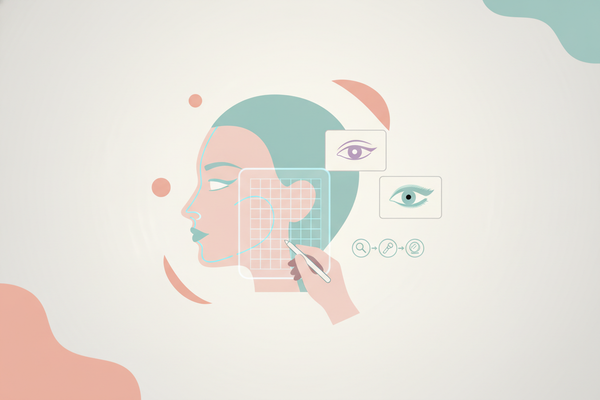
Face shape is a major factor in makeup placement and styling. AI makeup analyzers map out your facial structure—determining if you have an oval, round, square, heart, or diamond face. This is done by measuring distances between key points: forehead width, cheekbone span, jawline, and overall length.
For example, the system might calculate the width of your forehead compared to your jaw, the prominence of your cheekbones, and the length of your face from hairline to chin. It then matches these ratios to established face shape profiles:
- Oval: Balanced proportions, gently curved jawline. Suited to most makeup styles; AI may suggest experimenting with bold looks.
- Round: Equal width and length, fuller cheeks. The analyzer may recommend contouring under cheekbones and along the jaw to add definition.
- Square: Strong jaw and broad forehead. Suggested techniques often include softening the jawline with contour and highlighting the center of the face.
- Heart: Wider forehead, narrow chin. AI can advise on balancing proportions by highlighting the chin and contouring the temples.
- Diamond: Cheekbones are widest, pointed chin. The system may recommend highlighting the temples and chin while contouring the cheeks for balance.
Some advanced analyzers can even detect less common shapes, such as oblong or triangular, and adapt recommendations accordingly.
Why Face Shape Matters for Makeup
Understanding your face shape helps optimize contouring, highlighting, and the placement of blush or bronzer. AI analyzers show you exactly where to apply products for slimming, accentuating, or balancing features, taking the guesswork out of makeup technique.
For instance, a round face can appear more sculpted by applying contour just below the cheekbones and blending toward the ears, while a heart-shaped face benefits from highlighter on the chin and brow bone. The AI’s guidance is based on proven artistry principles, but it tailors them to your exact proportions. This precision is invaluable for beginners and seasoned beauty lovers alike, ensuring you maximize your natural strengths.
Feature Analysis in Detail
- Symmetry Assessment: AI calculates the symmetry ratio of your facial halves, suggesting techniques to enhance harmony. For example, if one brow sits slightly higher, the app may recommend adjusting your fill shape to create balance.
- Proportion Mapping: Identifies the distances between eyes, nose, lips, and brows to recommend tailored makeup placement. If you have a wider-than-average forehead, the analyzer might suggest contouring the temples and focusing highlighter on the center of the face.
For a comprehensive look at how AI-driven analysis can transform your beauty routine, read AI Makeup App: The Ultimate Guide to Smarter Beauty Routines.
AI can also identify unique features, such as a prominent chin or high cheekbones, and provide advice on either accentuating or softening them with specific product placements. This level of detail helps users avoid common mistakes, like over-contouring or misplacing blush, which can distort facial proportions.
Section 4: Eye, Brow, and Lip Structure Assessment
Eye Shape and Size Analysis
Eye makeup can dramatically change your appearance, but only when tailored to your unique eye shape. AI makeup analyzers classify eyes as almond, round, hooded, monolid, or downturned. They also measure size and spacing to recommend the best liner, shadow, and mascara techniques.
- Almond Eyes: Balanced, slightly upturned outer corners. AI often suggests winged liner or gradient shadows to accentuate this shape.
- Round Eyes: Large, open appearance. The tool may recommend liner on the outer third and blended shadows to elongate the shape.
- Hooded Eyes: Lid folds partially or fully hide the crease. AI demonstrates techniques like cut-crease or raised shadow placement to open up the eyes.
- Monolid: Smooth eyelid surface without a defined crease. The analyzer suggests layering colors and using gradient techniques to create dimension.
- Downturned: Lower outer corners. Recommendations may include upturned winged liner and highlighting inner corners to lift the eyes.
Spacing is also assessed: close-set eyes benefit from lighter shades on the inner corners, while wide-set eyes appear more balanced with darker shades near the nose bridge. Advanced analyzers can measure the exact millimeters between your eyes for truly tailored advice.
Brow Mapping
Brow shape frames the face and can influence perceived age and expression. AI tools map brow arch, length, and thickness relative to your bone structure. They suggest optimal brow shapes, fill techniques, and even color choices to complement both hair and skin tone.
For example, if your brows are naturally flat but your face shape would be balanced by a higher arch, the AI may provide a step-by-step outline for reshaping. It can also recommend products—powders, pencils, gels—based on your brow density and desired finish (natural vs. defined). Some apps offer AR overlays so you can preview the effect of different brow shapes before making changes.
Lip Structure and Color Suggestions
- Lip Shape: AI detects fullness, symmetry, and cupid’s bow definition. Thin lips may receive suggestions for subtle overlining, while full lips could benefit from ombre techniques to enhance dimension.
- Color Match: Recommends lipstick and gloss shades that enhance your natural undertones. For instance, cool undertones might receive berry or rose shades, while warm tones are paired with coral or terracotta.
- Techniques: Suggests overlining, ombre, or gloss placement for desired effects (e.g., fuller appearance). The AI demonstrates where to apply highlighter on the cupid’s bow or gloss in the center for a plumping effect.
By analyzing these features, makeup analyzers ensure that every product and technique is uniquely suited to your face—not a one-size-fits-all approach. This precise matching helps you avoid common pitfalls, such as using lipstick shades that wash out your complexion or brow shapes that conflict with your bone structure.
Additionally, the AI can recommend products that work well for your specific needs—such as smudge-proof liner for deep-set eyes, or hydrating lip formulas for thinner lips. This level of customization saves time, money, and frustration, making makeup routines more enjoyable and effective.
Section 5: Personalized Makeup Recommendations
Foundation, Blush, and Contour Matching
One of the biggest advantages of a makeup analyzer is its ability to recommend specific makeup products, shades, and placement for your features. Here’s how it works:
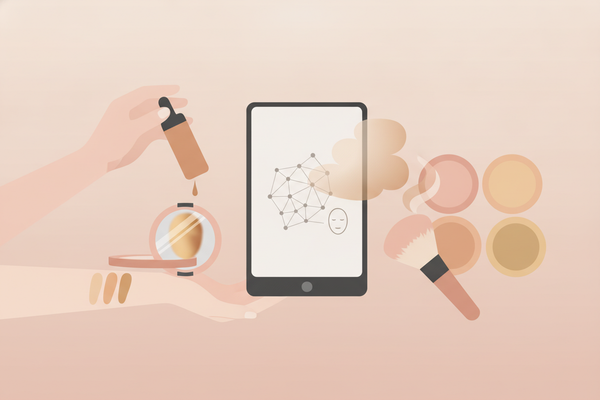
- Foundation: The AI finds your closest shade match—factoring in skin tone, undertone, and even finish preferences (matte, dewy, etc.). It may also recommend formulas based on your skin type (oily, dry, combination, sensitive) and coverage needs (light, medium, full).
- Blush: Suggests colors that bring life to your complexion and shows precise placement for your face shape. For example, peach tones for warm undertones, or pinks for cool; placement may be higher for oval faces and more central for round faces.
- Contour/Highlight: Custom maps for where to deepen or brighten, enhancing bone structure and symmetry. The AI provides diagrams indicating lines for contour (cheeks, jawline, forehead) and where to apply highlighter for best effect.
For more product-specific recommendations, visit the guide on best primers for makeup and foundation. The analyzer can also suggest solutions for common issues, such as primers for minimizing pores or reducing redness.
Some apps go further, letting you input your favorite brands or products you already own, and then integrating them into your recommended routine. This makes transitioning to AI-guided routines seamless and cost-effective.
Lip and Eye Color Pairing
- Seasonal Color Theory: AI considers your color season (Spring, Summer, Autumn, Winter) to suggest palettes. For example, a Winter profile might get recommendations for jewel tones and cool reds, while Autumns receive earthy golds and brick reds.
- Contrast Levels: The analyzer matches makeup intensity to your natural coloring, ensuring neither too harsh nor too subtle a result. Users with high contrast between hair, eyes, and skin benefit from bold looks, while those with low contrast appear best in softer, blended shades.
The AI takes into account your day-to-day needs, suggesting lighter shades for daytime and more dramatic options for evening or special events. This level of nuance helps users confidently build a versatile makeup wardrobe.
Try-On and Experimentation
With leading apps, you can virtually try on over 300 looks before you buy or apply. Styles range from "no-makeup" natural to dramatic evening glam, with instant previews and how-to guides for each. Makeup Check AI even provides video tutorials and daily plans tailored to your analysis—making self-improvement seamless and fun.
The virtual try-on feature is especially valuable when experimenting with new trends or bold colors. For example, you can see how a graphic liner, bold red lip, or colorful eyeshadow looks on your unique features—no risk, no mess. You can save favorite looks, share them with friends, or even generate a shopping list directly from your analysis.
Apps often allow side-by-side comparisons of different styles, making it easier to choose between subtle and statement looks, or to plan coordinated makeup for multiple occasions (work, parties, photoshoots, etc.).
Section 6: Makeup Analyzer Reports & Use Cases
What Does a Makeup Analyzer Report Include?
- Facial Feature Breakdown: Summarizes your face shape, skin tone, undertone, and unique characteristics. The report often includes annotated images, so you can visualize these features for better understanding.
- Product & Shade Recommendations: Lists ideal foundations, blushes, eyeshadows, and lip colors for your profile. Many analyzers provide links to purchase recommended products or allow you to substitute your preferred brands.
- Technique Tips: Provides diagrams or AR overlays for where to apply each product. Some reports feature video tutorials or step-by-step written guides tailored to your face.
- Color Season Analysis: Outlines which hues harmonize with your natural coloring. This can include recommendations for clothing, hair color, and accessories, creating a cohesive personal style.
- Styling Suggestions: Includes hairstyle, accessory, and even fashion tips based on your analysis. For example, if you have a heart-shaped face, the app might suggest side-parted hairstyles or earrings that complement your bone structure.
The comprehensiveness of these reports means you receive not just a list of products, but a full beauty strategy—guidance that would otherwise require multiple appointments with different professionals.
Use Cases for Beauty Enthusiasts and Professionals
- Everyday Users: Quickly discover what flatters you, avoid product mismatches, and learn new looks without professional appointments. The AI can help you build a capsule makeup collection suited to your lifestyle and preferences.
- Influencers: Create content with accurate, AI-backed recommendations and demonstrate dramatic before/after transformations. The detailed reports can be shared with followers, adding credibility to product reviews and tutorials.
- Makeup Artists: Use reports as a baseline for consultations—saving time and boosting client satisfaction. Artists can upload client photos in advance to prepare tailored looks and product lists, streamlining trial sessions.
- Retail & E-Commerce: Reduce returns by guiding customers to their perfect shade and style at first purchase. Brands can integrate makeup analyzers into their websites, offering instant virtual try-ons and personalized shopping experiences.
Other use cases include event preparation (weddings, proms, photoshoots), team-building or group beauty sessions, and even personal development—tracking your style evolution over time using uploaded photos and AI analysis history.
Beyond Makeup: Holistic Beauty Planning
Advanced analyzers like Makeup Check AI go further by offering skincare routines, hair advice, and fashion insights. Their 24 AI-powered reports cover every aspect of your beauty journey, complete with daily reminders and 24/7 chat support from your virtual beauty assistant. You can even upload inspiration photos or track your progress with regular check-ins.
For example, the system may recommend morning and evening skincare routines tailored to your skin type and concerns (acne, dryness, aging), or suggest seasonal updates as your needs change. The AI might also advise on haircuts, hair color, or accessories that harmonize with your makeup and wardrobe, creating a fully integrated beauty plan. Personalized reminders help you stick to routines, while chat support means you’re never alone in your beauty journey.
To see how AR and AI technologies are shaping the future of try-on and virtual beauty, check out AR Beauty Try On: The Future of Virtual Makeup and Skincare.
Conclusion
AI-powered makeup analyzers have permanently changed the landscape of beauty. From instant skin tone and face shape detection to curated makeup, hair, and skincare routines, these tools empower users to look and feel their best—every day and at every skill level. With hundreds of looks to try on, comprehensive reports, and step-by-step tutorials, apps like Makeup Check AI truly become your complete AI beauty team. Whether you’re a beauty enthusiast or a professional, integrating a makeup analyzer into your routine means smarter choices, less guesswork, and a more confident you.
Thanks to ongoing advances in machine learning, computer vision, and AR, the future of beauty is more inclusive, accessible, and personalized than ever. Makeup analyzers bridge the gap between artistry and technology—delivering professional-level guidance at the touch of a button, 24/7. No matter your skin tone, face shape, or style, these tools ensure you always put your best face forward.
FAQ
Q: What is a makeup analyzer?
A makeup analyzer is an AI-powered tool that scans your face from a photo to provide personalized recommendations for makeup, skincare, and more. It evaluates your features, skin tone, and undertone to generate a customized beauty report and product suggestions.
Q: How does AI makeup analysis work from a photo?
The AI analyzes facial landmarks and color data from your uploaded image. It assesses proportions, symmetry, skin tone, and undertones, then recommends the best makeup styles, shades, and techniques for your unique features.
Q: Can a makeup analyzer tell my skin undertone?
Yes, advanced makeup analyzer apps can accurately detect your skin undertone by analyzing subtle color cues in your skin, lips, and veins, even adjusting for lighting conditions in your photo.
Q: What makeup colors suit my face shape and skin tone?
A makeup analyzer recommends shades and techniques that complement your specific face shape and skin tone, such as matching blush placement to your cheekbone structure or suggesting lip colors that enhance your undertones.
Q: Are AI makeup analyzer apps accurate?
Modern AI makeup analyzers are highly accurate, especially when using high-quality photos in good lighting. They draw on large beauty datasets and sophisticated algorithms to provide tailored, reliable recommendations.
Q: What does a makeup analyzer report include?
Reports typically feature face and skin analysis, foundation and color matches, contour maps, product suggestions, color season analysis, and personalized application tips for a complete beauty routine.