Understanding Transparent Makeup AI Metrics and Their Importance
Explore transparent makeup AI metrics and discover how they quantify transparency, ethics, and fairness in beauty products, enhancing consumer trust.

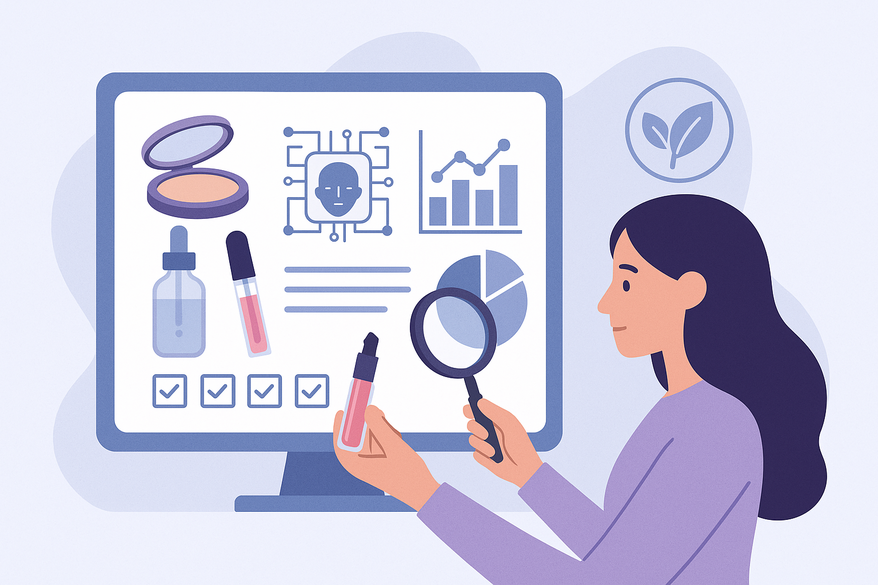
Estimated reading time: 6 minutes
Key Takeaways
- Transparent makeup means full ingredient, ethical, performance, and marketing disclosure.
- AI metrics quantify disclosure completeness, fairness, and explainability in beauty tech.
- Core applications include formulation screening, virtual try-ons, and trend analytics.
- Real-world benefits: objective benchmarking, faster R&D, continuous quality control, and consumer trust.
- Challenges include data bias, privacy concerns, complexity overload, and regulatory gaps.
Table of Contents
- Defining Transparent Makeup
- Overview of AI in Cosmetics
- Deep Dive into AI Metrics
- How AI Metrics Enhance Transparency in Makeup
- Case Studies / Examples
- Challenges and Limitations
- Future Trends in Transparent Makeup and AI
- Conclusion & Call-to-Action
- FAQ
Defining Transparent Makeup
Transparent makeup refers to products that provide full ingredient disclosure, ethical sourcing details, clear performance data, and open marketing claims. Brands embracing transparency share:
- Ingredient transparency – complete INCI lists, allergen alerts, toxin disclosures.
- Ethical sourcing – cruelty-free certifications, sustainable provenance, supplier traceability.
- Performance transparency – wear-time data, shade-inclusivity metrics, before/after analytics.
Consumer demand for ingredient clarity has surged: 73% of shoppers read labels for potential irritants, and 65% check for cruelty-free seals. Regulatory bodies like the EU’s Cosmetics Regulation and FDA guidance push brands to publish accurate INCI names, nano-material usage, and safety assessments. Certifications from Leaping Bunny and Fair Trade USA bolster ethical sourcing, while performance claims such as “16-hour wear” must now be backed by real-world testing data to avoid misleading advertising.
As consumers equate transparency with trust, transparent makeup AI metrics give brands objective scores for disclosure completeness, ethical footprint, and proven performance, shifting “clean beauty” from buzzword to data-driven reality.
Overview of AI in Cosmetics
AI in beauty leverages computer vision, machine learning, and data analytics to analyze products, faces, and consumer behavior at scale. From formula screening to virtual try-ons, AI transforms how brands design, recommend, and validate makeup.
Core AI applications include:
- Product analysis & quality control – shade consistency, counterfeit detection, safety prediction models.
- Personalized recommendations & virtual try-ons – facial landmark detection, skin-condition scanning, recommendation engines.
- Market and trend analytics – social-media mining, sentiment analysis, sales pattern clustering.
These tools rely on transparent makeup AI metrics—like fairness scores and explainability outputs—to ensure unbiased, interpretable recommendations. For related insights, see trust in beauty tech transparency and transparent makeup AI metrics beauty.
Deep Dive into AI Metrics
AI metrics are quantitative outputs produced by AI systems to score products and algorithms. They provide objective measures of ingredient disclosure, performance, and algorithmic fairness.
- Formulation & Disclosure Metrics – completeness of INCI lists, safety scores from CosIng/CIR.
- Application & Performance Metrics – coverage efficiency via pixel analysis, blendability, wear-time indices.
- AI System Transparency Metrics – accuracy, precision, recall; fairness parity; SHAP/LIME explainability scores; real-world impact.
How AI Metrics Enhance Transparency in Makeup
AI metrics power an end-to-end data pipeline that delivers clear transparency scores:
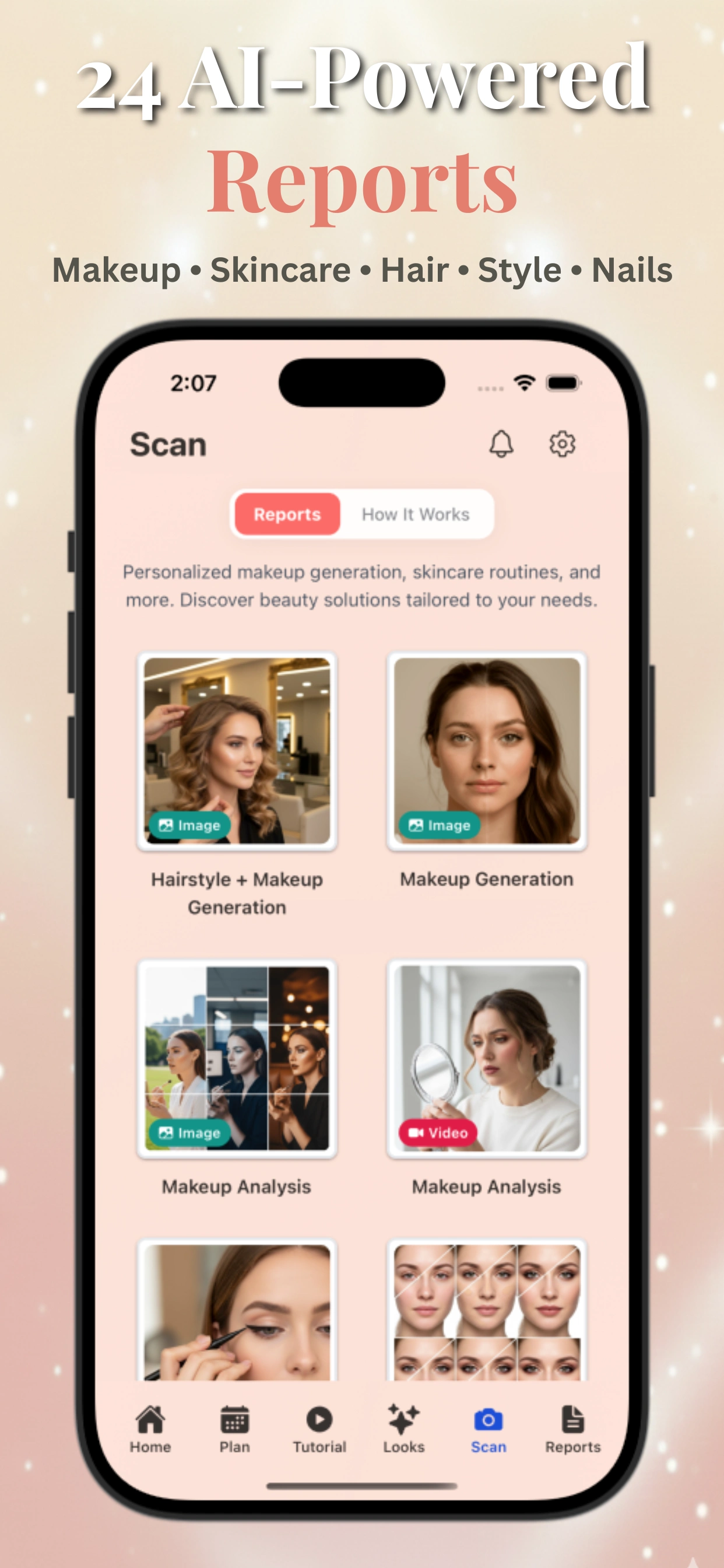
1. Data ingestion from ingredient databases, supplier audits, user feedback.
2. Model training & evaluation with fairness tests.
3. Scoring & dashboards presenting multi-dimensional transparency ratings.
Benefits include objective benchmarking against safety/ethics standards, faster R&D feedback loops, continuous quality control, clear consumer insights, and explainable AI recommendations.
Case Studies / Examples
Makeup Check AI trains on 100,000+ facial and application images to generate an “AI Makeup Score.” It cross-references ingredient lists against 2,000+ chemicals, analyzes blendability and symmetry, and publishes demographic breakdowns for fairness.
Brand X Skin-Scanner App integrates hyper-personalized transparency dashboards showing antioxidant content, cruelty-free status, and explainability details on each recommendation.
Challenges and Limitations
Despite benefits, transparent makeup AI metrics face hurdles:
- Data quality & bias from unbalanced datasets.
- Privacy & consent in facial and skin scans.
- Complexity overload that may confuse consumers.
- Regulatory complexity under emerging AI laws.
- Need for standardized frameworks and third-party audits.
Future Trends in Transparent Makeup and AI
- Standardized “beauty facts” labels integrating AI fairness metrics.
- Real-time hyper-personalized transparency via on-device scanning.
- Blockchain traceability linked to AI scores.
- Growth of AI governance: model cards and transparency reports.
- Consumer-centric dashboards with narrative summaries of complex metrics.
Conclusion & Call-to-Action
Transparent makeup AI metrics unite ingredient disclosure, ethical sourcing, performance data, and algorithm transparency into one measurable framework. By quantifying safety scores, fairness indices, and explainability outputs, brands earn consumer trust and regulators gain clearer oversight.
Drive change by asking brands for AI transparency reports, favoring products with visible, explainable scores, and exploring AI fairness in beauty tech further. For hands-on AI beauty insights, check out Makeup Check AI, your complete AI beauty team.
FAQ
- What are transparent makeup AI metrics? They are data-driven scores that quantify ingredient disclosure, ethical sourcing, performance data, and algorithmic fairness.
- How do brands collect these metrics? Brands ingest data from ingredient databases, supplier audits, user feedback, and apply AI models with fairness evaluations.
- Why is AI fairness important in cosmetics? Fairness ensures shade-matching and recommendations work equally well across all skin tones, preventing bias.
- Where can consumers find transparency scores? Look for transparency dashboards on brand websites or third-party platforms like Makeup Check AI.