Ultimate Thick Curly Hair Routine for Frizz Prevention and Maintenance
Discover a thick curly hair routine that ensures hydration, frizz prevention, and salon-level styling. Learn expert tips for vibrant curls and fixes for common hair issues.

Estimated reading time: 4 minutes
Key Takeaways
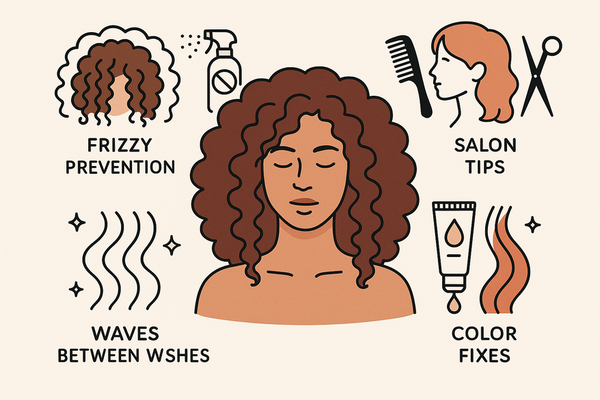
- Hydrate and define with a moisture-rich Curly Girl Method routine.
- Prevent frizz by sealing cuticles and clarifying regularly.
- Refresh waves between washes without stripping natural oils.
- Select curl-certified salons for cuts and color corrections.
- Fix color intensity issues and uneven layers with targeted treatments.
Table of Contents
- Building a Thick Curly Hair Routine
- Frizz Prevention Strategies
- Managing Waves Between Washes
- Navigating Curly Hair Salons
- Solutions for Common Color and Haircut Issues
- Conclusion
- FAQ
Building a Thick Curly Hair Routine
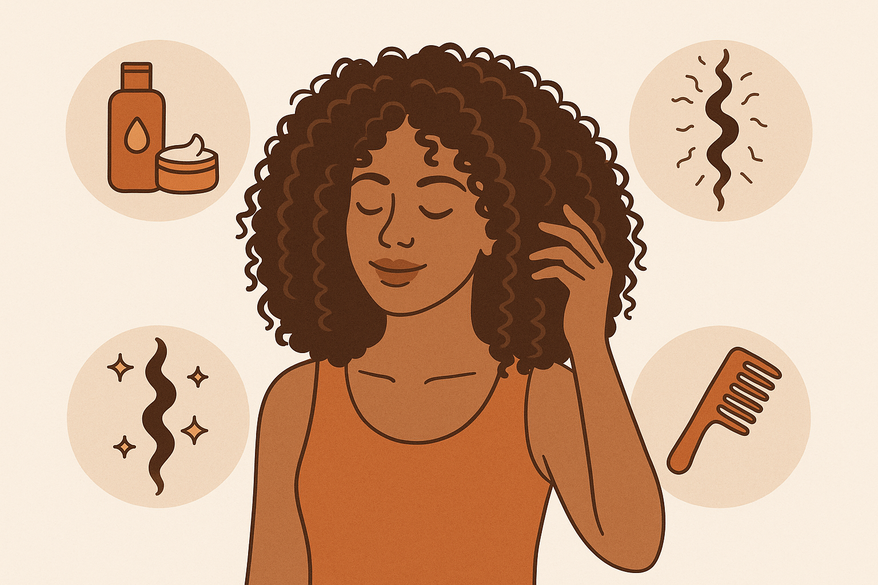
A proper thick curly hair routine follows Curly Girl Method principles: gentle cleansing, deep conditioning, targeted moisturizing, styling for curl definition, and air- or low-heat drying. This method enhances moisture uptake and builds strong, elastic ringlets.
For digital beauty insights, explore Makeup Check AI to see how AI-driven analysis can inform your styling choices.
Daily Maintenance Tips
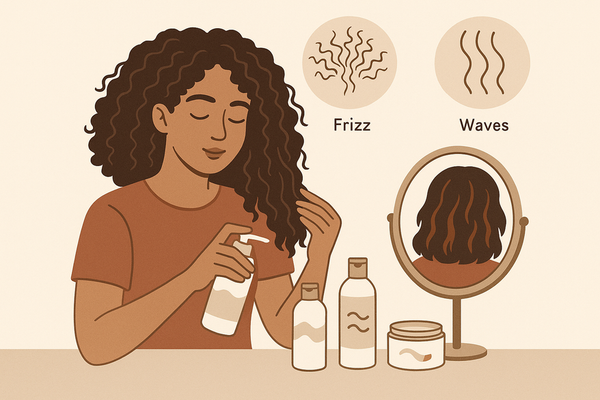
- Spritz hair lightly with water or a water–leave-in conditioner mix each morning to reactivate styler cast.
- Apply a small amount of leave-in conditioner or curl cream to damp sections, then scrunch upward to define individual curls.
- Use fingers or a wide-tooth comb for gentle detangling on wet hair to avoid breakage.
Weekly/Monthly Maintenance
- Clarify once a month with a gentle or chelating shampoo to strip mineral buildup and product residue.
- Deep condition weekly, leaving treatment on for 20–30 minutes under a plastic cap or gentle heat.
- On wash day, try plopping with a cotton T-shirt for 10–15 minutes, then apply lightweight serum and a gel or custard to set your pattern.
"Squish to condish": after applying conditioner, scrunch hair inwards to force conditioner deep into curls, maximizing hydration.
Frizz Prevention Strategies
Frizz in thick curls arises from dryness, product buildup, humidity, damaged cuticles, or mechanical rubbing. Controlling these factors seals the hair shaft and keeps curls smooth.
- Seal cuticles on wet hair by applying gel or custard immediately after styling. Scrunch upward to form a gel cast that locks in moisture.
- Clarify every 4–5 washes to reset moisture balance, then follow with a rich deep conditioner.
- Sleep on a silk or satin pillowcase, or wear a silk bonnet, to reduce friction-induced frizz and preserve curl shape.
Use natural oils (argan, jojoba) applied after drying to soften the gel cast and add flexible shine.
Managing Waves Between Washes
Waves between washes are all about refreshing without overwashing, which can strip scalp oils and weaken curl pattern. A light revamp keeps volume and bounce.
Refresh Techniques
- Lightly spritz hair with water or a diluted leave-in conditioner mixture in a spray bottle.
- Scrunch gently to reactivate your existing product cast and re-form curls.
- Optionally diffuse briefly on low heat for added volume without drying hair completely.
Apply the pineapple method overnight: gather hair into a high, loose ponytail on top of your head with a silk scrunchie.
Navigating Curly Hair Salons
Choosing a curly hair salon with certified stylists ensures you get a cut and consultation tailored to dense, textured hair.
- Seek salons advertising curl specialists or Curly Girl Method certifications.
- Confirm they offer dry curl cuts or “curly cuts” that shape hair in its natural state.
During your visit, request a dry cutting session so each ringlet falls perfectly and discuss corrective color or layering techniques if you’ve had issues like blue hair not showing or bad layers.
Solutions for Common Color and Haircut Issues
Blue Hair Not Showing Fix
- Pre-wash with a color-safe clarifying shampoo to clear away buildup and open the cuticle.
- Apply a repair or bond-building treatment before re-coloring to strengthen hair and ensure even dye uptake.
- Use a professional toner or glaze rich in blue pigment. Leave on for the recommended time to intensify color saturation.
Bad Layers Haircut Fix
- Diffuse upside-down on low heat to lift shorter underlayers and blend lengths.
- Clip-curl shorter sections at the roots with duckbill clips to add lift and balance volume.
- Apply curl cream to define and clump shorter pieces into tighter ringlets, masking uneven cuts.
Conclusion
An integrated thick curly hair routine tackles every aspect of dense, textured hair care—from proper wash-day steps and frizz prevention to waves-between-washes refresh, savvy salon visits, and targeted fixes for color or cut mishaps. By layering moisture-rich products on soaking-wet hair, sealing with gels, and protecting curls overnight, you’ll build hydration and definition. Regular trims at a curl-certified salon and corrective color treatments keep your style fresh and vibrant.
Experiment with plopping, the pineapple method, and LMG sequencing (liquid, mousse, gel) to fine-tune your routine. The result: healthy, vibrant curls—no fluff, just maximum shine and shape.
FAQ
- How often should I wash my thick curly hair?
You can co-wash or shampoo every 4–7 days, depending on oil build-up and product use. - Can I use silicone products if I'm following the Curly Girl Method?
Avoid non-water-soluble silicones; look for labels that say "CG-friendly" or water-soluble ingredients. - How do I maintain volume without adding frizz?
Diffuse on low heat upside-down and use stretch techniques like clip curls at the root for lift. - Does pineappleing damage curls?
No, when done loosely with a silk scrunchie it preserves shape without creases.