How to Treat Allergic Reaction to Makeup: Fast Relief & Prevention
Discover how to treat allergic reaction to makeup with effective steps, relief tips, and prevention strategies. Learn when to seek help and how to avoid future issues.

Estimated reading time: 7 min
Key Takeaways
- Identify symptoms early for faster recovery from makeup allergies.
- Immediate removal of the irritant is crucial to minimize skin damage.
- Proper skincare and over-the-counter remedies can relieve mild reactions.
- Prevention is key: patch testing and ingredient awareness matter.
- Seek medical attention for severe or persistent reactions.
Table of Contents
- Section 1: Understanding Allergic Reactions to Makeup
- Section 2: Immediate Steps—How to Treat Allergic Reaction to Makeup
- Section 3: Home Remedies & Over-the-Counter Relief
- Section 4: Prevention Strategies for Makeup Allergies
- Section 5: When to Seek Professional Help
- Conclusion
- FAQ
Section 1: Understanding Allergic Reactions to Makeup
Common Signs and Symptoms
Knowing how to treat allergic reaction to makeup begins with recognizing the warning signs. Symptoms can appear minutes to hours after product use and may include:
- Redness or rash on the face or eyelids
- Itching, burning, or stinging sensations
- Swelling or hives
- Dry, flaky, or blistered skin
These reactions are triggered by sensitive skin’s response to ingredients like fragrances, preservatives, or dyes found in makeup products.
Why Reactions Happen
Makeup allergies usually result from an immune system response to specific chemicals. Even products labeled "hypoallergenic" can cause irritation, especially if your skin barrier is compromised or you have underlying sensitivities. Regularly changing products or trying new brands increases your risk.
Section 2: Immediate Steps—How to Treat Allergic Reaction to Makeup
Stop Using the Product
First, discontinue use immediately. Continuing to apply the culprit makeup will worsen symptoms and slow healing.
Gently Remove All Traces
- Use a mild, fragrance-free cleanser or micellar water.
- Avoid harsh scrubbing; pat the area dry.
- Do not use makeup wipes with added fragrances or alcohol, as they may exacerbate irritation.
Apply a Cool Compress
- Soak a clean washcloth in cold water, wring it out, and apply to the affected area for 10-15 minutes.
- This soothes itching and reduces swelling.
Document the Reaction
Take a photo of the affected area and the product used. This helps if you need to consult a dermatologist or report the issue. Apps like Makeup Check AI can help you keep track of your skin’s response and product usage history with detailed reports.
Section 3: Home Remedies & Over-the-Counter Relief
Moisturize and Soothe
- Choose a gentle, unscented moisturizer to support skin barrier repair.
- Look for calming ingredients like ceramides, glycerin, or colloidal oatmeal.
Try OTC Anti-Itch Creams
- Apply 1% hydrocortisone cream sparingly to relieve inflammation (avoid eye area).
- Oral antihistamines (like cetirizine or loratadine) may help with itching and swelling.
Avoid Further Irritants
- Skip makeup, harsh skincare, exfoliants, and retinoids until your skin has fully recovered.
- Stick to a simple skincare routine: gentle cleanser, fragrance-free moisturizer, and sunscreen.
Monitor Your Skin’s Progress
Track improvement daily. If symptoms worsen or spread, stop all home treatments and consult a healthcare professional.
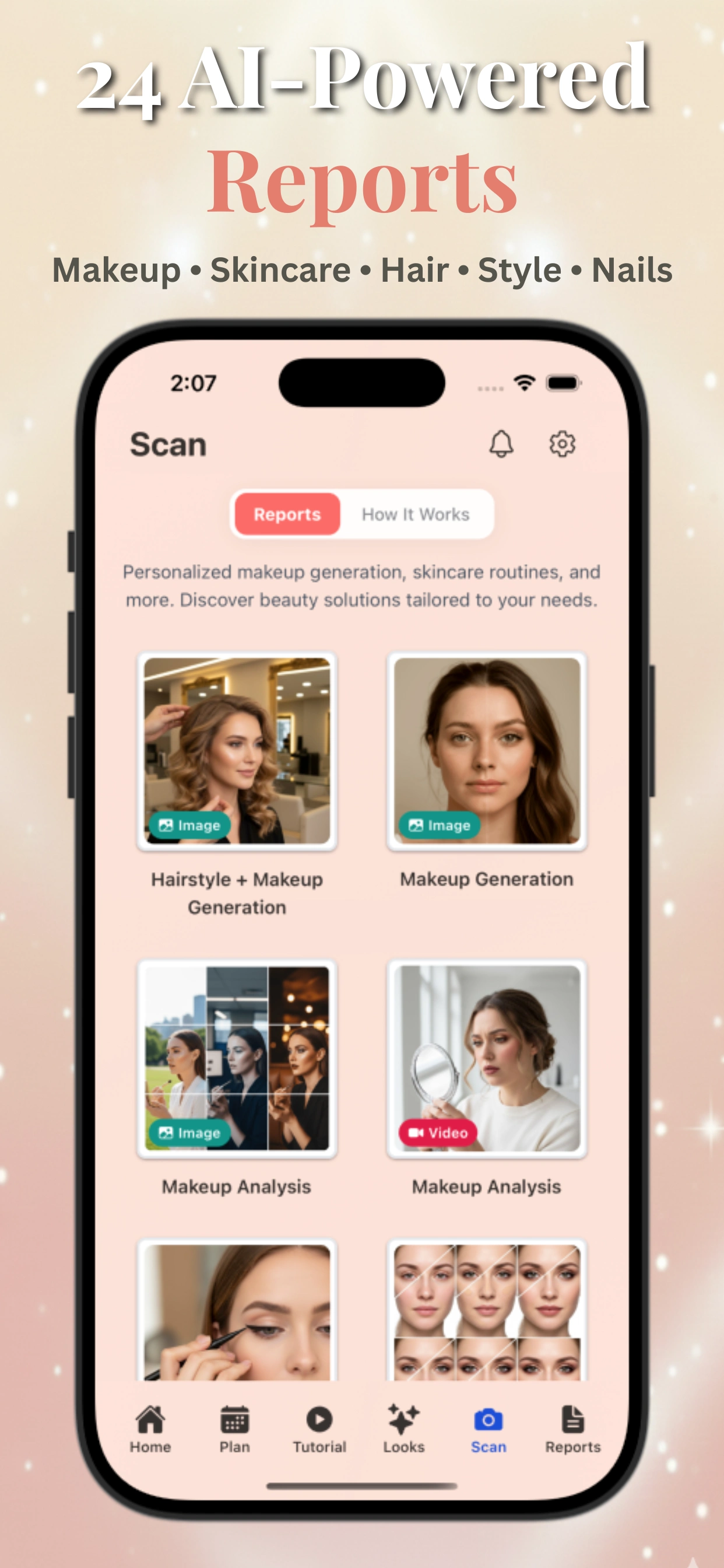
With apps like Makeup Check AI, you can receive personalized skincare guidance and daily reminders to support skin recovery and prevent future allergic reactions.
Section 4: Prevention Strategies for Makeup Allergies
Patch Testing New Products
- Before using a new makeup item, apply a small amount to your inner forearm for 24-48 hours.
- Watch for redness, itching, or bumps.
Read Ingredient Labels
- Be wary of common allergens: fragrance, parabens, formaldehyde releasers, and certain dyes.
- Choose products labeled “fragrance-free,” “allergy-tested,” or “sensitive skin.”
Keep Your Tools Clean
- Wash makeup brushes and sponges weekly with gentle soap.
- Replace old or expired products.
Personalized Prevention Plans
Apps like Makeup Check AI help you analyze your makeup routine, flag potential irritants, and suggest safer alternatives. For more on AI-powered personalization, see AI Makeup: The Future of Personalized Beauty Routines.
Section 5: When to Seek Professional Help
Escalating Symptoms
- Rash spreads rapidly or covers large areas
- Severe swelling, especially around eyes or lips
- Difficulty breathing or swallowing (call emergency services)
- Oozing, yellow crust, or signs of infection
Consult a dermatologist if your reaction persists beyond a few days, or if you’re unsure which product caused it. Prescription creams or oral medications may be necessary for severe cases.
Medical Allergy Testing
If you experience frequent reactions, an allergist can identify specific triggers through patch or prick testing. This helps you avoid future flare-ups and informs safer product choices.
Conclusion
Knowing how to treat allergic reaction to makeup empowers you to act quickly and prevent future discomfort. The keys are removing irritants, soothing your skin, and establishing a prevention plan. With digital tools like Makeup Check AI, you can track reactions, receive personalized advice, and build a beauty routine that truly works for your skin’s unique needs.
FAQ
Q: How long does an allergic reaction to makeup last?
A: Mild reactions typically improve within a few days with proper care. Severe or untreated reactions may last a week or more. Consult a doctor if symptoms persist or worsen.
Q: Can I use makeup again after a reaction?
A: Wait until your skin is fully healed. Patch test any new products before applying to your face, and consider reviewing your ingredient list with a dermatologist or using AI-based tools for safer options.
Q: What ingredients commonly cause makeup allergies?
A: Fragrances, parabens, formaldehyde releasers, and certain dyes are frequent culprits. Always read labels and consider allergy testing for persistent issues.
Q: How can technology help prevent allergic reactions to makeup?
A: Apps like Makeup Check AI offer ingredient analysis, patch test reminders, and personalized skincare routines based on your history, reducing your risk of future reactions.