How to Evaluate Makeup Haul: A Complete Step-by-Step Guide
Learn how to evaluate makeup haul with step-by-step methods, including qc makeup haul, shade accuracy checks, makeup tools value, and more.

Estimated reading time: 7 minutes
Key Takeaways
- Five-Pillar Framework: Systematically assess quality control, shade accuracy, tool value, finishing powder, and foundation wear.
- QC Essentials: Test appearance, odor, pH, viscosity, and texture & finish.
- Shade Matching: Swatch under various lights and compare with brand imagery for reliable hue accuracy.
- Tool Durability: Calculate cost-per-use after cleaning routines and performance tests.
- In-Depth Testing: Follow clear protocols for powder reviews and full-day foundation wear assessments.
Table of Contents
- Section 1: Understanding the Evaluation Process
- Section 2: Quality Control in Makeup Hauls
- Section 3: Shade Accuracy Checks
- Section 4: Evaluating Makeup Tools
- Section 5: Detailed Product Testing
- Section 6: Comparative Analysis and Final Assessment
- Conclusion
Section 1: Understanding the Evaluation Process
Why follow a structured plan to evaluate your makeup haul? It turns random testing into reliable results and prevents wasted time, money, and shelf clutter.
Five Key Pillars of Your Haul Evaluation:
- Quality control (qc makeup haul)
- Shade accuracy checks
- Makeup tools value
- Finishing powder review
- Foundation wear test
Address each pillar in sequence to generate an overall haul score, guiding you on which products to keep, swap, or gift.
Section 2: Quality Control in Makeup Hauls
Defining qc makeup haul: A mini manufacturer-style stability check you perform at home—think of it as quality assurance for your new beauty stash.
Five QC Parameters and How to Test Them:
- Appearance
– Inspect under natural daylight and warm indoor bulbs.
– Look for discoloration, separation, or mold specks. - Odor
– Sniff each product out of its packaging.
– Off-scents (vinegar, sour milk, chemical notes) signal degradation. - pH
– Use 0–14 pH strips on liquid or cream items (cleansers, primers).
– Confirm acidity matches brand claims: a cleanser at pH 5–6 preserves the skin barrier; higher pH can be drying. - Viscosity
– Stir liquid and cream textures with a clean spatula.
– Check for lumps, thinning, or water separation—signs of formula breakdown. - Texture & Finish
– Swipe a small amount on your forearm or hand.
– Note slip (how easily it glides), blendability, and the initial dry-down finish.
Home-Test Durations:
- Cleansers: 1 week minimum.
- Creams & Serums: 4 weeks to reveal stability issues.
- Record daily observations—color shifts or odd textures.
By following these simple checks, you ensure every item in your makeup haul meets basic safety and performance standards.
Section 3: Shade Accuracy Checks
Shade accuracy checks verify that the hue you ordered matches real-life color swatches—no more surprises when you apply foundation or lipstick.
Step-by-Step Shade Accuracy Method:
- Prep a neutral skin area (jawline or inner forearm).
- Swatch one product at a time in a thin line.
- View swatches in:
– Daylight (north-facing window)
– LED/fluorescent indoor bulbs - Photograph swatches next to the brand’s online imagery for side-by-side comparison.
Pro Tip: Use a white index card behind your swatch to isolate true pigment and eliminate background casts.
Real-World Example: I compared a Maybelline Fit Me foundation swatch on my jawline to its online promo shot. Under daylight it matched, but under warm bathroom LED it looked too orange—proper swatch lighting helped me avoid an ill-fitting shade. For even more precision, try a dedicated analyzer like How to Use a Skin Tone Analyzer for Perfect Foundation Matching.
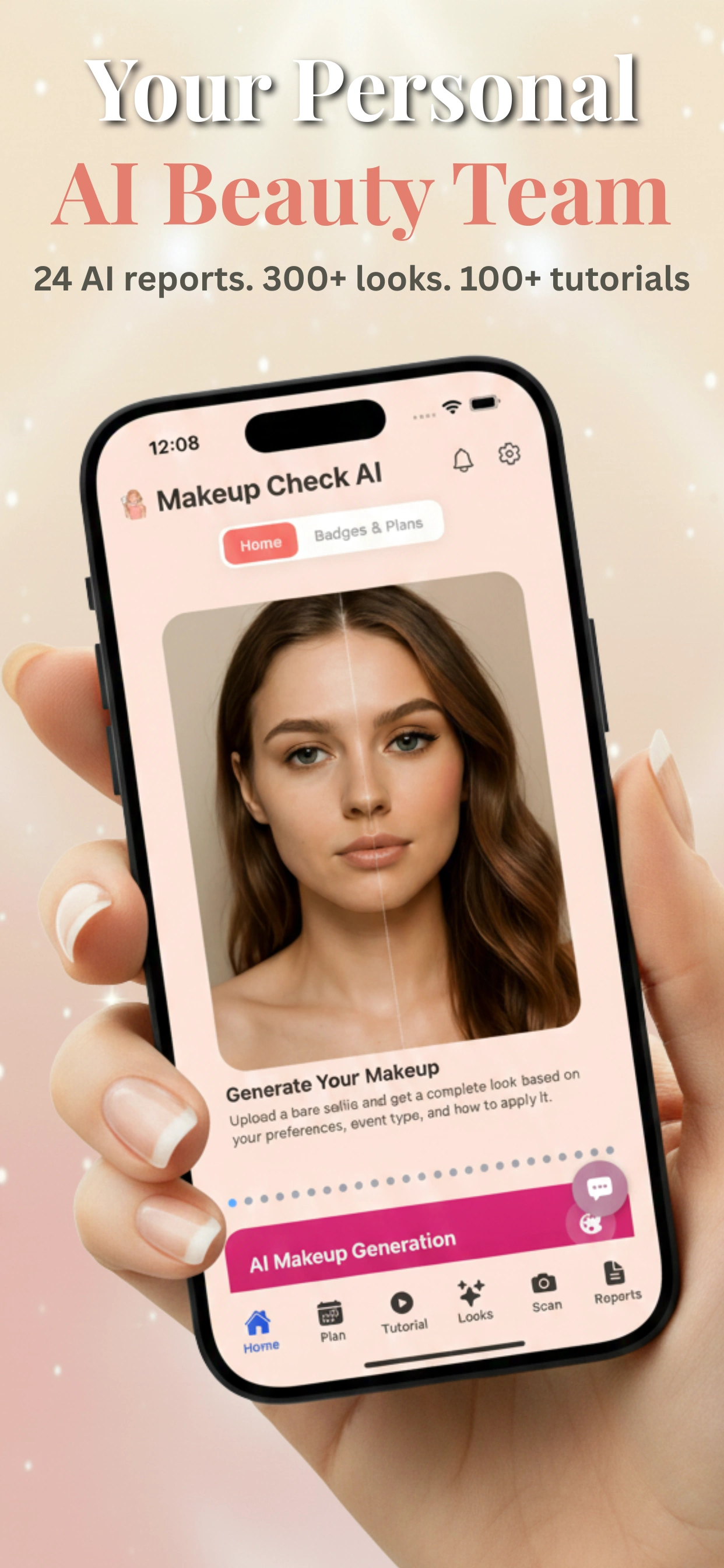
For an even more streamlined analysis, Makeup Check AI offers automated shade accuracy and detailed QC reports with just a photo, making it simple to validate your findings.
Section 4: Evaluating Makeup Tools and Their Value
Makeup tools value refers to cost-per-use durability and performance—brushes, sponges, blenders: are they worth your investment?
Value Criteria and Testing Protocol:
- Material Quality
– Brushes: Check bristle density and stiffness—synthetic vs. natural hair.
– Sponges: Assess pore size, spring-back, and softness. - Ergonomics
– Handle weight, balance point, and grip comfort.
– Test with a full makeup routine to identify hand fatigue. - Longevity
– Wash every week for a month.
– Track shedding, bristle splaying, glue leaking, or seam splits. - Performance
– Brushes: Test product pickup (dip/swipe) vs. release on skin.
– Sponges: Note blend-out speed, finish uniformity, and absorption rate.
Price Tier Comparison:
- Drugstore (under $10): Low cost per brush, but often need replacement within 2 months.
- Mid-Range ($10–$25): Better bristle retention, lifespan of 3–6 months.
- Luxury ($30+): High-density fibers, 6+ months durability if cleaned properly.
Cost-Per-Use Calculation Example:
- Drugstore sponge at $5 with twice-weekly use for 6 months (~48 uses): $0.10/use.
- Luxury sponge at $20 with the same use: $0.42/use but better rebound and less product waste.
Section 5: Detailed Product Testing
Finishing Powder Review
A finishing powder is a lightweight, translucent or tinted dust that sets makeup and tames shine.
Testing Steps:
- On clean skin, apply foundation to half your face.
- Set with finishing powder using:
– A fluffy brush on one cheek.
– A puff or sponge on the other. - Note initial texture: silky, chalky, or powdery.
- Record finish: matte, natural, or dewy.
- Wear for 8–10 hours. At 2-hour intervals, check shine control and oil buildup.
- Test under flash photography to detect white cast or flashback.
User Tip: Compare brush vs. puff applications—in my tests, a dense puff delivered stronger coverage and better oil control at hour six. For insight on powder vs spray, see Setting Powder vs Spray.
Foundation Wear Test
A foundation wear test examines coverage, durability, comfort, and finish over a full day.
- Prep skin: cleanse, tone, and prime evenly.
- Apply foundation with the same tool on each side to ensure consistency.
- Record initial coverage level and finish type (dewy, matte).
- Photograph face at application, then at 4h and 8h. Note:
– Oxidation (color change)
– Caking in pores or creases
– Separation around nose or forehead - Rate comfort: tightness, dryness, or oiliness by end of the day.
- Control variables: maintain constant humidity, use the same moisturizer, and avoid blotting between checks to ensure objective comparison.
Pitfall Note: Skip layering new products during the test—stick to your normal base routine to isolate foundation performance. For extra blending tips, check out How to Apply Foundation Evenly.
Section 6: Comparative Analysis and Final Assessment
Now that you’ve run all tests, compile data into a simple comparison chart.
Create a Product Assessment Chart:
Columns:
– Product Name
– QC Score (1–5)
– Shade Match %
– Tool Value Score (1–5)
– Powder Longevity (hours shine-free)
– Foundation Wear Score (1–5)
How to Rate:
– 1 = Poor, 3 = Average, 5 = Excellent.
– Sum scores for an overall haul rating out of 30.
Use totals to decide:
– ≥25: Top-tier products — keep and incorporate.
– 15–24: Middling — consider occasional use.
– <15: Return, gift, or declutter.
Conclusion
Evaluating a makeup haul becomes straightforward when you break it into five pillars:
- qc makeup haul
- shade accuracy checks
- makeup tools value
- finishing powder review
- foundation wear test
This method satisfies both informational and investigational search intent by giving you a clear, actionable roadmap. Keep a digital log of your data for seasonal re-tests, and share your results or questions below—our beauty community thrives on honest feedback!
Now you know exactly how to evaluate makeup haul items like a pro: quality, shade, tools, powder, and foundation—checked, scored, and sorted. Enjoy a clutter-free vanity and makeup you truly love.
FAQ
- What is qc makeup haul?
Quality control (qc makeup haul) is a home-based stability check that inspects appearance, odor, pH, viscosity, and texture to ensure safety and performance. - How long should I test finishing powder?
Wear your finishing powder for 8–10 hours, checking shine control and flashback at regular intervals to evaluate longevity and coverage. - How do I perform shade accuracy checks?
Swatch your product on a neutral area, view under multiple lighting conditions, and compare photos to brand imagery for reliable matching. - How is cost-per-use calculated for makeup tools?
Divide the tool’s price by the number of realistic uses (e.g., twice-weekly cleaning over 6 months) to determine value per application. - What overall score indicates a top-tier haul?
Sum your scores across all criteria; a total ≥25 out of 30 signifies top-tier products worth keeping and incorporating into your routine.