Eco Beauty Innovation with AI: Transforming Sustainable Beauty Through Technology
Discover how eco beauty innovation with AI leads to sustainable products, reduced waste, and personalized experiences, reshaping the beauty industry.


Estimated reading time: 7 minutes
Key Takeaways
- AI accelerates eco-friendly product development by scanning ingredient databases and optimizing formulations.
- Smart sourcing and supply chain algorithms significantly reduce carbon footprints and waste.
- Personalized regimens and AR-powered virtual try-ons boost consumer engagement and minimize overproduction returns.
- Virtual screening and green chemistry foster biodegradable ingredients, protecting biodiversity.
- Brands gain a competitive edge through faster R&D, cost efficiency, and transparent sustainability initiatives.
Table of Contents
- Eco-Friendly Product Development with AI
- Environmental, Consumer, and Industry Advantages
- Leading Brands and Sustainable Breakthroughs
- Conclusion and Call to Action
- FAQ
Eco-Friendly Product Development with AI
Eco beauty innovation harnesses machine learning, predictive modeling, and big data to design greener, safer cosmetics with fewer physical tests and a smaller carbon footprint.
- AI for Ingredient Discovery: Scans vast chemical and botanical databases to pinpoint sustainable actives and uses NLP on scientific literature to flag novel eco-friendly molecules.
- AI-Driven Formulation Tools: Simulates ingredient interactions to ensure clean, stable blends without extensive lab trials, creating “by-design” eco-conscious formulas.
- Sustainable Sourcing Optimization: Recommends low-impact substitutes for water-intensive or deforestation-linked ingredients and evaluates supplier footprints via life-cycle analysis.
- Supply-Chain Efficiency: Aligns production with real-time demand forecasts and optimizes logistics to cut transport emissions and reduce overstock waste.
- Manufacturing Process Optimization: Applies computer vision and IoT sensors to adjust batch parameters, slashing energy and water use while ensuring consistent quality.
- Green Chemistry & Novel Actives: Employs virtual screening to discover lab-grown or bio-identical alternatives and prioritizes biodegradable ingredients to prevent microplastic pollution.
Environmental, Consumer, and Industry Advantages
Environmental Benefits
- Reduced Waste: Precise forecasting cuts overproduction and unsold inventory, while inventory control minimizes expired batches and packaging disposal.
- Packaging Redesign Insights: AI-driven usage analytics reveal consumer preferences for recyclable or refillable formats, testing lightweight materials for strength and sustainability.
- Lower Carbon Footprint: AI recommends ingredients and packaging with the lowest lifecycle GHG emissions and enables virtual prototyping to reduce lab energy use.
Consumer Benefits
Personalized routines and transparency tools delight customers and curb overconsumption. For deeper dives, see our guide on Clean Beauty Makeup: Top Sustainable Trends for Ethical Glam and how to Reduce Makeup Waste with AI.
- Tailored Regimens: Apps like L’Oréal Skin Genius and Neutrogena Skin360 use AI to refine routines over time, reducing trial-and-error waste.
- Virtual Try-Ons: AR shade-matching reduces returns and tester usage at major retailers, lowering pigment waste.
- Ingredient Transparency Engines: AI scans labels for harmful chemicals and highlights certified organic or vegan options, empowering informed purchasing.
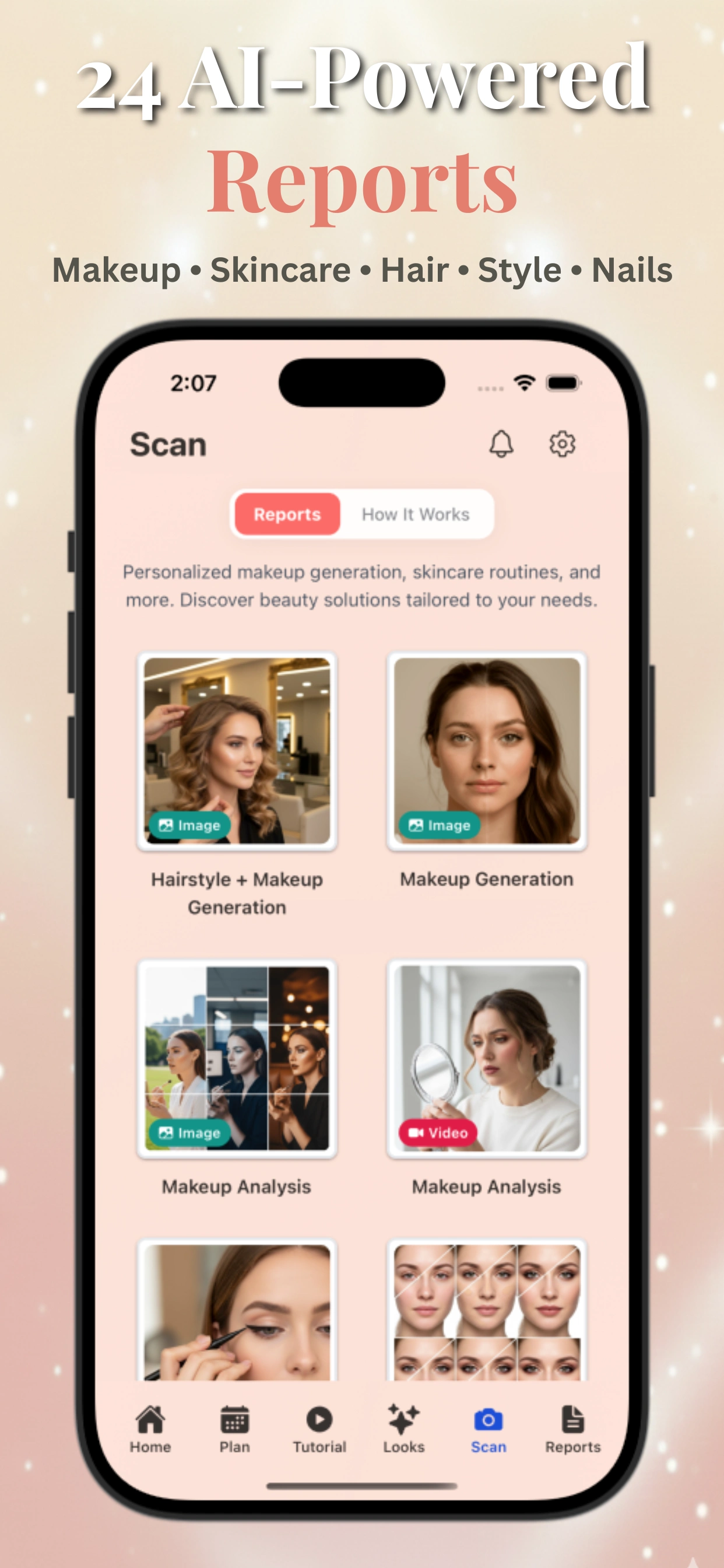
Innovators leverage automated assessments in apps like Makeup Check AI, offering streamlined sustainability reports and personalized beauty plans.
Industry Benefits
- Faster R&D & Cost Reduction: Predictive modeling narrows lab trials to top candidates and early analytics cuts redevelopment expenses.
- Higher Quality Standards: Continuous feedback loops via sensors and reviews ensure uniform formula performance and rapid refinement.
- Brand Differentiation: Integrating AI with sustainability appeals to eco-conscious consumers, building trust and loyalty.
Leading Brands and Sustainable Breakthroughs
Real-world case studies reveal how industry leaders use AI to drive eco beauty innovation—from automated ingredient screening to lifecycle impact analysis, brands are pioneering groundbreaking, sustainable formulations.
Conclusion and Call to Action
Eco beauty innovation with AI is no longer a future promise—it’s happening now. By reducing waste, cutting emissions, and crafting personalized, high-performance formulas, AI drives authentic sustainability in beauty.
Consumers: Support brands that publish AI use and sustainability data.
Brands: Adopt AI tools for ingredient screening, life-cycle analysis, and demand forecasting.
Researchers: Develop open, ethical AI models for green chemistries and inclusive beauty.
Together, we can advance a more sustainable, transparent, and equitable beauty industry.
FAQ
- What is eco beauty innovation with AI? It’s the integration of AI technologies in cosmetic R&D and supply chains to create sustainable, low-impact beauty products.
- How does AI reduce environmental impact? AI optimizes sourcing, formulates biodegradable ingredients, forecasts demand to cut waste, and designs eco-friendly packaging.
- Can consumers benefit from AI in beauty? Yes—through personalized skincare routines, virtual try-ons, and transparency tools that promote conscious purchasing.
- How can brands get started? Begin with AI-driven ingredient screening, life-cycle analysis, and demand forecasting to enhance sustainability throughout product lifecycles.
- Where can I learn more? Explore resources like Makeup Check AI and industry blogs on sustainable beauty technology.