How to Reduce Makeup Waste with AI: Sustainable Beauty Solutions
Discover how AI-driven strategies can reduce makeup waste by optimizing recycling and predicting demand, ensuring a sustainable future in beauty.

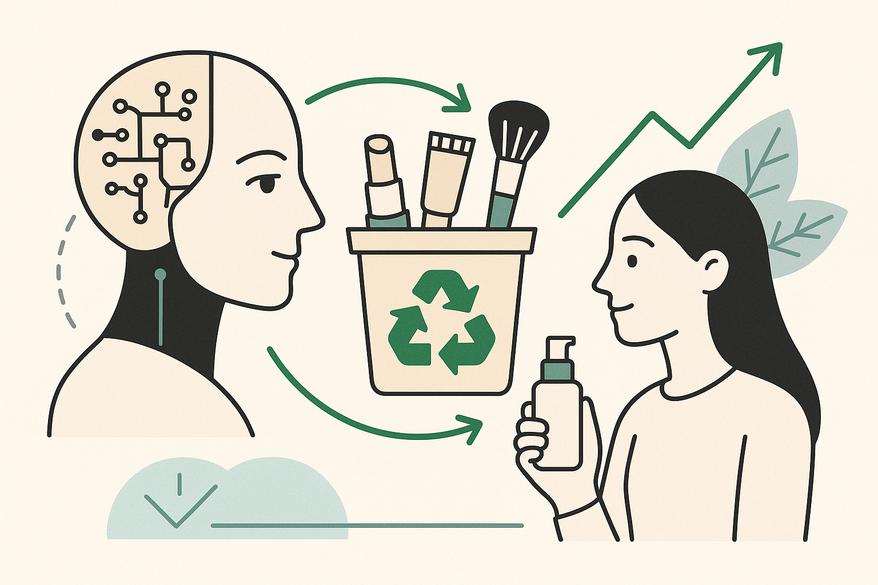
Estimated reading time: 6 minutes
Key Takeaways
- AI-driven demand forecasting cuts makeup waste by predicting sales and reducing overproduction.
- Predictive analytics optimize ingredient sourcing and production schedules to minimize excess stock.
- Computer vision automates waste sorting, boosting recycling efficiency and reducing landfill volume.
- Personalized AI tools match products to users, cutting return rates and unnecessary samples.
- Future innovations like generative AI packaging design and blockchain traceability promise a circular beauty ecosystem.
Table of Contents
- Understanding the Makeup Waste Problem
- How AI Drives Sustainability in Beauty
- Real-World AI Applications to Slash Waste
- Benefits of AI for Sustainable Beauty
- Overcoming AI Adoption Challenges
- Future Trends in AI-Powered Sustainable Beauty
- Conclusion
- FAQ
Understanding the Makeup Waste Problem
Every year, the beauty industry churns out 120 billion packaging units, yet 95% of them end up as trash. Only 9–14% of cosmetic containers are recycled, while single-use items—sachets, cotton swabs, sheet masks—shedding microplastics into soil and marine ecosystems. Global water consumption for makeup factories tops 10 million tons annually, and palm oil sourcing continues to drive deforestation. Consumers are pushing back: 68% demand “clean” beauty solutions free of harmful plastics and chemicals. By 2034, the sustainable beauty market could hit $433 billion, urging brands to adopt AI strategies at every stage.
How AI Drives Sustainability in Beauty
Artificial intelligence—including machine learning, predictive analytics, and computer vision—empowers brands to:
- Forecast demand by analyzing sales history, weather data, and social trends.
- Optimize sourcing and production schedules to prevent surplus inventory.
- Automate waste sorting to distinguish recyclable from non-recyclable materials.
Consumer-facing platforms like Makeup Check AI let you scan barcodes, track usage, remind you to recycle, and recommend zero-waste alternatives.
Real-World AI Applications to Slash Waste
Smart Inventory Management
AI models analyze regional sales, seasonality, and promotions to forecast stock requirements, cutting unsold inventory by up to 30%.
Personalized Sampling & Shade Recommendations
Computer vision and recommender systems match formulations and shades to individual skin tones and preferences, reducing sample giveaways and returns by 40%.
Optimized Supply Chains
Real-time machine-learning tools fine-tune raw-material orders, production runs, and logistics, lowering spoilage and carbon emissions.
Sustainable Sourcing & Ingredient Traceability
AI platforms vet suppliers using carbon data and lifecycle assessments, promoting biodegradable inputs and compostable packaging.
Benefits of AI for Sustainable Beauty
- Environmental: Shrinks landfill volume, microplastic pollution, and water usage.
- Cost Savings: Lowers disposal fees and cuts storage costs for unsold items.
- Efficiency: Speeds time to market and boosts recycling rates with automated sorting.
- Innovation: Enables refill-and-reuse models and eco-design for recyclable packaging.
Overcoming AI Adoption Challenges
- High Upfront Costs: Collaborate with plug-and-play AI vendors to spread investment.
- Data Quality & Privacy: Rely on anonymized, consented datasets and comply with GDPR.
- Infrastructure Variability: Align packaging designs with local recycling capabilities.
- Transparency & Trust: Use explainable AI to validate sustainability claims and avoid greenwashing.
Future Trends in AI-Powered Sustainable Beauty
- Generative AI for Packaging Design: Crafts minimal-waste shapes and materials optimized for recyclability.
- Blockchain + AI Traceability: Delivers end-to-end transparency of ingredients and packaging lifecycles.
- AI Consumer Education Apps: Offer refill reminders, recycling drop-off maps, and eco-rewards.
- Circular Beauty Ecosystems: Leverage IoT-enabled packaging to track usage and incentivize returns.
Conclusion
By embracing AI-driven forecasting, personalization engines, and smart recycling tools, beauty brands and consumers can dramatically reduce makeup waste. These innovations not only cut costs and carbon footprints but also meet the rising demand for clean, circular beauty. The future of sustainable cosmetics hinges on deploying AI-led strategies today.
For practical tips on disposing and repurposing makeup packaging, see our guides:
FAQ
- What is AI-driven demand forecasting?
AI-driven demand forecasting uses historical sales, market trends, and external data to predict future product needs, minimizing overproduction. - How does computer vision improve recycling?
Computer vision systems scan and sort waste streams, distinguishing recyclable materials from non-recyclables and boosting recovery rates. - Are AI sustainability tools expensive?
Initial costs can be high, but partnering with turnkey AI providers and calculating long-term savings on waste disposal makes the investment worthwhile. - Can consumers use AI apps today?
Yes—apps like Makeup Check AI let users track product use, receive refill reminders, and find nearby recycling centers.