The Ultimate Thick Curly Hair Routine for Frizz Prevention and Maintained Waves
Discover the ultimate thick curly hair routine for frizz prevention, maintaining waves between washes, and finding the best curly hair salons for cut and color fixes.

Estimated reading time: 8 minutes
Key Takeaways
- Establish a four-step regimen—cleansing, conditioning, moisturizing, styling—to keep curls healthy and defined.
- Prevent frizz with hydration, strategic product layering, gentle drying, and minimal heat.
- Refresh waves between wash days using light mists and spot-treatment techniques.
- Choose curl-specialist salons and communicate your routine, inspiration photos, and past issues.
- Fix dull or patchy blue hair by clarifying, pre-lightening safely, and using color-depositing masks.
- Repair bad layers with short-term styling hacks and a long-term dry-cut plan from a curl expert.
Table of Contents
- Building Your Thick Curly Hair Routine
- Frizz Prevention Techniques
- Enhancing and Maintaining Waves Between Washes
- Navigating Curly Hair Salons
- Fixing Color Concerns – Blue Hair Not Showing Fix
- Repairing a Bad Layers Haircut – Bad Layers Haircut Fix
- Conclusion
- FAQ
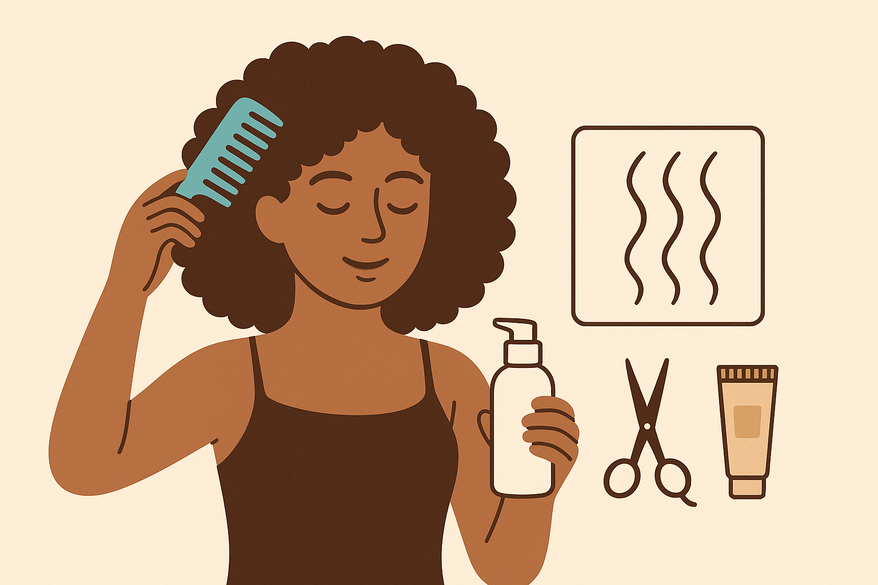
A thick curly hair routine is a clear, step-by-step plan for washing, conditioning, styling, and caring for dense, curly hair. It helps you keep curls hydrated, well-defined, and strong.
For more in-depth guidance, check out our Ultimate Thick Curly Hair Routine, which covers everything from hydration to cut corrections.
Section 1: Building Your Thick Curly Hair Routine
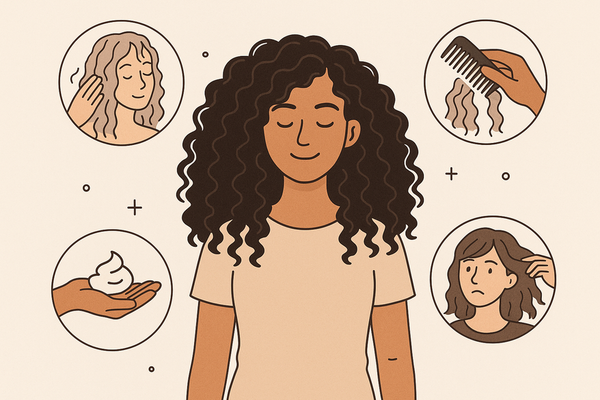
A solid thick curly hair routine rests on four pillars. Each step boosts curl health, definition, and shine.
- Cleansing
– Use a sulfate-free shampoo or a cleansing conditioner to clean without stripping moisture.
– Clarify once a month with a clarifying shampoo to remove product buildup and hard-water minerals. - Conditioning & Detangling
– Apply a rich rinse-out conditioner right after shampoo, focusing on ends.
– Detangle gently using fingers or a wide-tooth comb while hair is slippery.
– Do a weekly deep conditioning mask to restore moisture and fight dryness. - Moisturizing (Leave-in)
– On soaking-wet hair, spread a creamy leave-in conditioner from roots to ends. This seals cuticles and locks in hydration. - Styling & Drying
– Layer your stylers: start with lightweight products (mousse or light curl cream), then heavier gels or custards for hold.
– Choose air-drying or diffuse on low heat. Use a microfiber towel or old cotton T-shirt to scrunch out excess water gently.
Section 2: Frizz Prevention Techniques
Frizz prevention starts with understanding why it happens. Frizz is your hair’s cuticle lifting due to dryness or environmental moisture.
- Hydration focus: Use weekly deep masks, moisture-rich shampoos, and creamy conditioners.
- Leave-in conditioner: Coat strands immediately after washing to seal in moisture.
- Product layering:
- Apply leave-in on soaking-wet hair
- Use a curl cream or mousse for definition
- Finish with gel or custard for hold and a humidity barrier
- Gentle drying: Swap rough towels for microfiber towels or T-shirts. Scrunch rather than rub.
- Limit heat: Rinse with warm water, diffuse on low heat, and avoid touching hair until 100% dry.
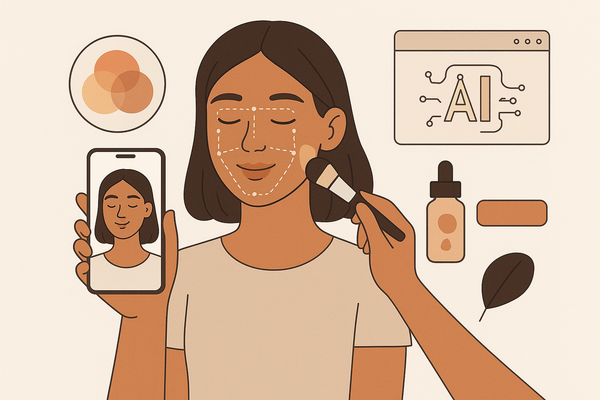
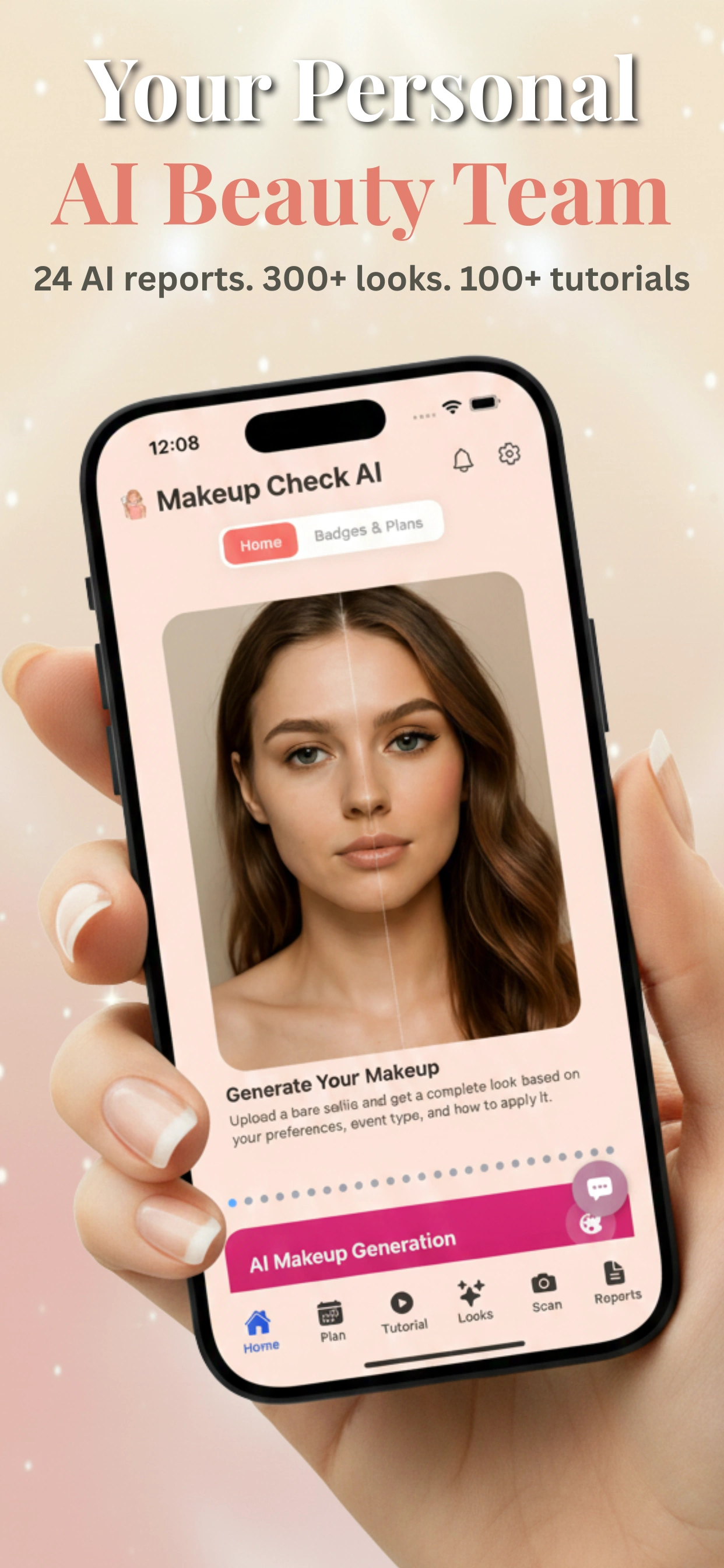
For an extra boost, you can quickly simulate and test new color ideas or haircut corrections with Makeup Check AI, which offers easy virtual try-ons and tutorials tailored to your hair texture.
Section 3: Enhancing and Maintaining Waves Between Washes
Waves between washes let you skip full restyling while keeping curls fresh.
What Is Refreshing?
It’s reactivating your existing curl pattern without a full wash and dry.
- Water-based mist: Lightly spritz problem areas to reactivate the gel cast.
- Leave-in/curl cream touch-ups: Mix a bit of product with water in a spray bottle, mist strands, and scrunch to revive curls.
- Spot refreshing: Focus on the crown and hairline, not the entire head, to avoid build-up.
Product Suggestions
- Lightweight leave-in sprays or milky conditioners
- Soft-hold custards or light gels for definition on day two or three
Section 4: Navigating Curly Hair Salons
Finding the right curly hair salons means better cuts that respect your curl shape and density.
- Salon Selection Criteria:
- Look for studios that advertise curl-specialist cuts or dry, curl-by-curl techniques.
- Check before/after galleries showing clients with similar curl patterns.
- Confirm they use and retail curl-friendly products (sulfate-free, silicone-free).
- Communication Tips:
- Bring inspiration photos for curl shape, length, and layering.
- Explain your current thick curly hair routine—wash days, product types, and drying method.
- Highlight past issues: frizz hotspots, unwanted volume, or bad layers.
- Ask about their cutting method: wet vs. dry, curl-by-curl, and thinning vs. shaping.
Section 5: Fixing Color Concerns – Blue Hair Not Showing Fix
Blue hair not showing fix covers why your vivid hue looks dull or patchy and how to correct it.
- Why Blue May Be Invisible:
- Dark base color: without pre-lightening, blue won’t pop on dark hair.
- Warm undertones: yellow or orange remnants can muddy blue.
- Product buildup and uneven porosity block even dye uptake.
- Quick Blue Hair Not Showing Fix:
- Clarify: Use a clarifying shampoo to remove buildup before coloring.
- Professional pre-lightening & toning: Visit a colorist for safe bleaching and toning for a neutral base.
- Color-depositing conditioners or masks: Maintain and refresh blue tones at home.
- Lock in moisture: Keep using deep conditioners and leave-ins to prevent patchy fading.
Section 6: Repairing a Bad Layers Haircut – Bad Layers Haircut Fix
A bad layers haircut fix combines styling hacks today and a long-term plan with a curl expert.
- Common Bad Layers Issues:
- Pyramid shape: too much volume at the sides and bottom.
- Choppy lengths: harsh, uneven steps that break curl flow.
- Uneven shrinkage: layers that ride up much shorter than expected.
- Short-Term Styling Hacks:
- Use stronger hold gels or creams on bulky sections to tighten curls.
- Diffuse upright to minimize crown volume; skip upside-down if top is too big.
- Pineapple or half-up styles to hide choppy layers.
- Use waves between washes tricks to draw attention away from uneven cuts.
- Long-Term Bad Layers Haircut Fix:
- Consult a curl specialist with photos and your normal routine.
- Request weight removal in targeted areas and dry cutting in your natural curl state.
- Ask for delicate layering or shaping rather than blunt, steep layers.
Conclusion
A personalized thick curly hair routine builds a strong base for fighting frizz, keeping waves between washes, and solving salon or color issues. Experiment with products and techniques as your hair, weather, and style goals change. Stick to the routine, refine regularly, and watch your curls thrive.
FAQ
- How often should I wash thick curly hair?
Aim for 1–2 washes per week, plus one clarifying shampoo session monthly to strip buildup. - What are the best frizz prevention products?
Look for deep conditioning masks, creamy leave-ins, curl creams, and strong hold gels or custards. - How do I refresh waves between washes?
Use a water mist to reactivate gels, add light leave-in or curl cream, then scrunch gently in key areas. - What should I ask at curly hair salons?
Request a curl-specialist or dry curl-by-curl cut, show your routine, and share photos of your curl goals. - Why isn’t my blue hair showing?
Blue dye needs a light, neutral base. Clarify first, pre-lighten safely with a pro, and use color-depositing masks. - How can I fix a bad layers haircut?
In the short term, use strong hold products and up-dos. Long term, see a curl expert for dry shaping and weight removal.
Ready to take your beauty journey even further? With AI Makeup App, you can upload your selfies to preview new colors, analyze hair images, and plan your next salon visit—all from your phone.