Your Ultimate Thick Curly Hair Routine: From Frizz Prevention to Salon Success
Master a thick curly hair routine with frizz prevention tips, waves revival between washes, and expert advice on choosing curly hair salons for stunning results.

Estimated reading time: 8 minutes
Key Takeaways
- Build moisture-rich, low-manipulation routines to enhance curl health.
- Seal hair cuticles to prevent frizz and preserve curl definition.
- Refresh waves without over-washing using mists, finger-coils, and diffusers.
- Choose salons skilled in curl science, dry cutting, and sulfate-free products.
- Restore faded blue tones with bond-builders, color-deposit masks, and gloss treatments.
- Camouflage bad layers at home, or seek curl-by-curl corrections for extreme cuts.
Table of Contents
- Understanding Your Thick Curly Hair Routine
- Frizz Prevention Techniques
- Maintaining Waves Between Washes
- Curly Hair Salons: Making the Right Choice
- Addressing Color Concerns – Blue Hair Not Showing Fix
- Fixing Haircuts: Bad Layers Haircut Fix
- Putting It All Together: A Comprehensive Routine
- Conclusion
- FAQ
1. Understanding Your Thick Curly Hair Routine
What Is a Thick Curly Hair Routine?
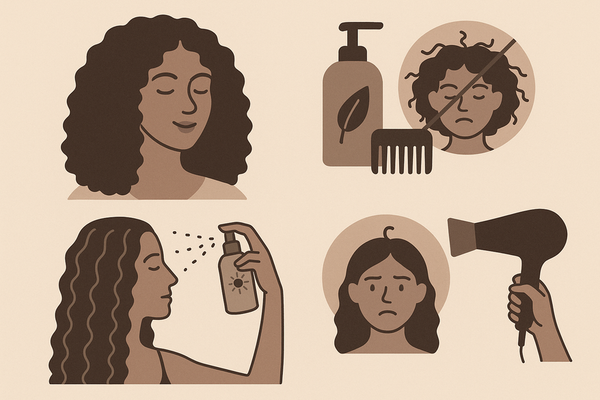
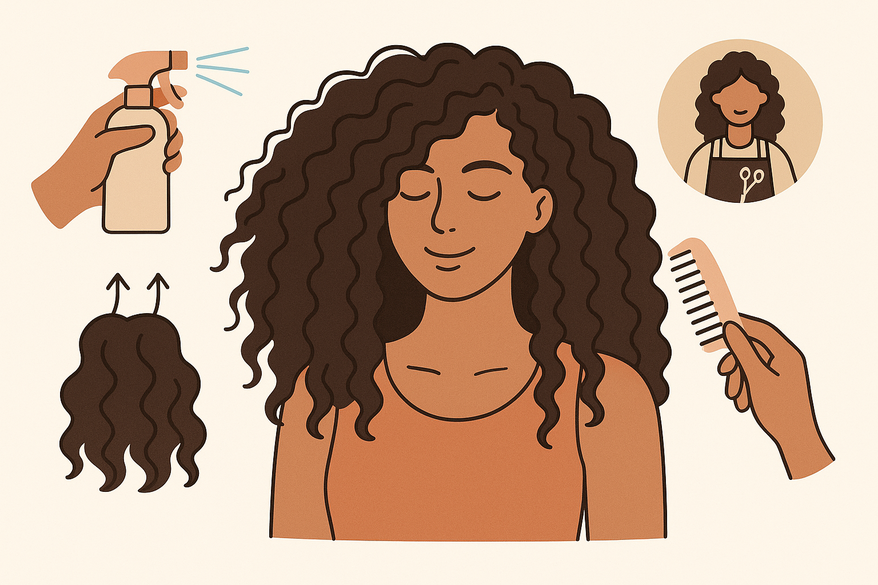
A thick curly hair routine is a series of moisture-rich, low-manipulation steps to enhance curl definition, elasticity, and scalp health. It focuses on feeding your hair what it needs most—water, nutrients, and gentle handling.
Why Consistency Matters
- Prevents breakage by keeping strands hydrated
- Reduces frizz by sealing the cuticle
- Preserves natural curl pattern for lasting shape
(Source: Wella Professional)
The Three Pillars of Your Routine
- Moisture Retention
- Use sulfate-free cleansers to avoid stripping oils
- Apply leave-in conditioners after every wash
- Gentle Detangling
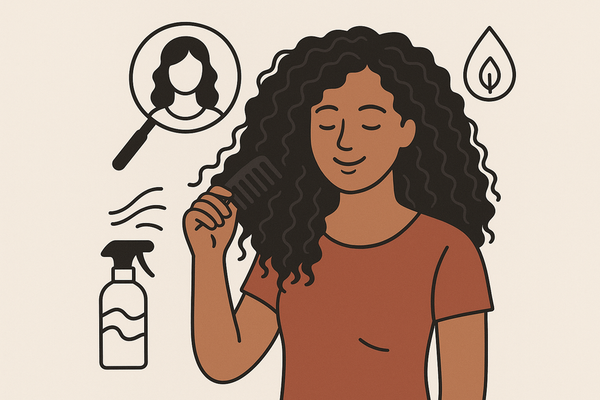
- Work with a wide-tooth comb or your fingers
- Start at the ends and gently move toward the scalp
- Protective Styling
- “Pineapple” updos keep curls safe overnight
- Silk scarves or pillowcases cut down on friction
2. Frizz Prevention Techniques
What Is Frizz Prevention?
Frizz prevention means sealing the hair cuticle to lock in moisture and smooth strands. Well-hydrated cuticles lie flat and reflect light, giving hair a sleek look.
(Source: Wella Professional)
Common Causes of Frizz
- High porosity hair that soaks up moisture then dries quickly
- Dryness from over-shampooing or harsh products
- Humidity that swells each hair shaft
- Mechanical damage from rough towels or brushing
Step-by-Step Frizz-Proof Routine
- Rinse with Warm Water
- Avoid hot water—it lifts the cuticle
- Deep-Condition Weekly
- Apply a rich mask for 10 minutes or overnight under a satin cap
- Apply Curl-Defining Balm
- Work Nutricurls Curlixir Balm (or similar) into damp hair
- Scrunch from ends upward to encourage loops
- Diffuse on Low Heat
- Cup curls gently—don’t over-touch
- Finish with Lightweight Oil
- Target frizzy ends once hair is dry
- Sleep on Silk
- Silk bonnet or pillowcase cuts down breakage
(Source: Living Proof)
Top Ingredients for Frizz Prevention
- Humectants: glycerin, aloe vera juice
- Proteins: hydrolyzed keratin, wheat protein
- Sealants: argan oil, jojoba oil (dimethicone-free)
3. Maintaining Waves Between Washes
Skip daily shampooing to protect natural oils, but waves can fall flat or go frizzy. The goal is to refresh definition without over-cleansing.
Refresh Techniques
- Light Mist Spray—Mix water with a small amount of leave-in conditioner or curl cream; apply from mid-lengths to ends only
- Finger-Coil Sections—Wrap 1-inch strands around your finger to re-clump curls
- Pea-Size Gel Boost—Smooth gel on targeted areas for extra hold; let dry, then scrunch out the cast
- Texture Boosters—Sea salt spray or lightweight foam for beachy texture; avoid roots to keep volume balanced
- Hover-Diffusing—Flip head upside down; diffuse without touching hair until fully dry
4. Curly Hair Salons: Making the Right Choice
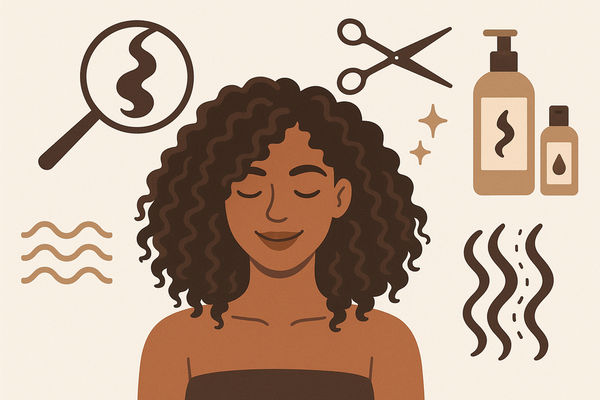
Curly hair salons train stylists in curl science, including dry cutting and product layering. They respect your hair’s unique shape and shrinkage factor.
Pre-Appointment Checklist
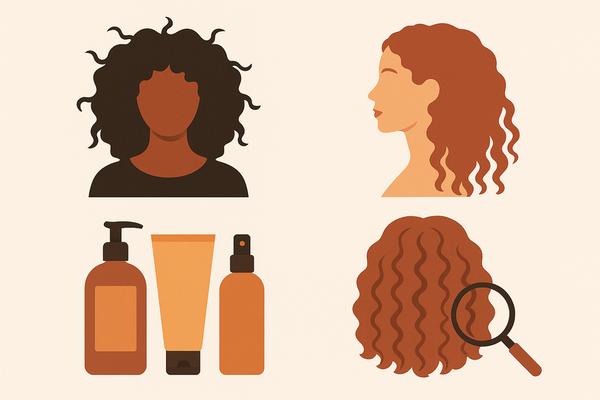
- Ask About Curl Types—Stylists should know 3A–4C patterns
- Cutting Methods—Curl-by-curl shaping vs. blunt layers; dry cuts reveal true curl length
- Requested Services—Deep conditioning treatment; porosity test; diffuser styling
- Product Safety—Confirm use of sulfate-free, color-safe lines
(Source: Living Proof)
5. Addressing Color Concerns – Blue Hair Not Showing Fix
Porous curls soak up dye fast but also release pigment unevenly. The result: muted or splotchy blue tones.
Restoration Protocol
- Bond-Rebuilding Shampoo & Conditioner
- Look for AHA (alpha hydroxy acids) and Omega-9 fatty acids
- Color-Depositing Mask or Diluted Direct Dye
- Follow the product instructions closely
- pH-Balancing Gloss Treatment
- Seals cuticle and locks in pigment
- Schedule Touch-Ups Every 4–6 Weeks
- Prevents overprocessing and breakage
(Source: Wella Professional)
Salon Option: Book a professional gloss service for even color distribution and extra shine.
6. Fixing Haircuts: Bad Layers Haircut Fix
Uneven layers can break up curl clumps, intensify frizz, or flatten volume at the crown. The wrong cut disrupts your shape.
At-Home Styling Fixes
- Curl-Weighting Serum—Apply at mid-lengths and ends to blend shorter pieces
- Finger-Coil Problem Areas—Twirl shorter strands to match longer curls
- Root Lift—Use a wide-tooth comb or pick to gently lift at the scalp before drying
- Diffuse Upside Down—Reshape your silhouette and camouflage choppy layers
(Source: Wella Professional, Ogario London)
When to Seek Professional Help: Book a “layer correction cut” with a curl-specialist who works curl-by-curl to restore balance.
7. Putting It All Together: A Comprehensive Routine
Weekly Schedule
- Wash Day (2–3×/Week)—Clarify once a month; gently shampoo with sulfate-free formula; deep-condition, detangle, and style with leave-in + cream + gel
- Midweek Refresh—Waves between washes routine (see Section 3)
- Weekly Mask—Intensive hydration overnight under a satin cap
- Monthly Salon Visit—Trim split ends, porosity check, professional gloss if needed
In conjunction with these proven techniques, you can explore AI-powered beauty and hair insights via Makeup Check AI for personalized recommendations and virtual try-ons.
Daily Checklist
- Wide-tooth comb or fingers
- Silk pillowcase or bonnet
- Curl-specific shampoo & conditioner
- Leave-in conditioner
- Curl cream and gel
- Lightweight oil or serum
Synergy Is Key: Each step—from frizz prevention to salon care—reinforces your thick curly hair routine. The better you follow it, the stronger and more defined your curls become.
Conclusion
- Smoother, more defined curls
- Lasting waves between wash days
- Confidence with your chosen curly hair salons
- Revived blue tones when hair color starts to fade
- Rescued shape after a bad layers haircut
Experiment with each detailed step, stay consistent, and watch your curls transform.
FAQ
How often should I wash my thick curly hair?
Aim for 2–3 wash days per week. Clarify once a month, and use sulfate-free cleansers to preserve natural oils and prevent dryness.
What’s the best way to prevent frizz in humid weather?
Follow a frizz-proof routine: rinse with warm water, deep-condition weekly, apply curl-defining balm, diffuse on low heat, finish with a lightweight oil, and sleep on silk.
How can I refresh my waves between washes?
Use a light mist of water mixed with leave-in conditioner, finger-coil sections, apply a pea-size gel boost, or hover-diffuse to revive curl pattern without over-cleansing.
Can I fix a bad layers haircut at home?
Yes—blend shorter pieces with a curl-weighting serum, finger-coil problem areas, lift roots with a wide-tooth comb, and diffuse upside down. For extreme fixes, seek a curl specialist.