The Ultimate Thick Curly Hair Routine: Frizz Prevention, Waves Between Washes, Curly Hair Salons & Fixes
Master your thick curly hair routine with tips on frizz prevention, wave maintenance, choosing curly hair salons, and fixing blue hair and bad layers.

Estimated reading time: 7 minutes
Key Takeaways
- A specialized routine hydrates and smooths thick, curly hair to prevent persistent frizz.
- Refreshing techniques extend bounce and definition between wash days.
- Clear salon communication ensures the perfect curl-cut without unwanted layers.
- Targeted solutions restore blue hair vibrancy and correct bad layers.
- Layering leave-in, creams, and gels locks in moisture without weighing down curls.
Table of Contents
- 1. Understanding Thick Curly Hair
- 2. Step-by-Step Thick Curly Hair Routine
- 3. Frizz Prevention Strategies
- 4. Achieving Waves Between Washes
- 5. Navigating Curly Hair Salons
- 6. Fixing Color and Cut Issues
- Conclusion
1. Understanding Thick Curly Hair
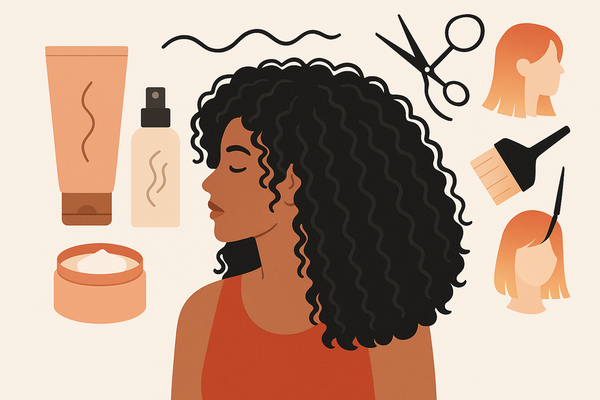
Dense curls and coils feature wide cuticles that block natural oils from traveling down the shaft. This often leads to dryness, tangles, volume overload, and that infamous frizz. A specialized routine matters because:
- Deep hydration is essential when natural oils can’t reach the ends.
- Wide cuticles benefit from gentle handling and smoothing agents.
- Curl-enhancing products define your shape and manage volume without crunch.
Key characteristics of thick curly hair:
- Tight coils or loose waves with high strand density.
- Prone to dryness and tangling due to cuticle structure.
- Susceptible to environmental humidity and friction-induced frizz.
By focusing on moisture layers, gentle detangling, and curl-friendly styling, you’ll seal and smooth cuticles for lasting definition.
2. Step-by-Step Thick Curly Hair Routine
2.1 Cleanse
Use a sulfate-free, moisturizing shampoo applied only at the scalp. This removes oil and impurities without stripping your ends.
Once a month, clarify with a gentle clarifying shampoo to lift buildup that blocks moisture and pigment.
2.2 Condition
Distribute a rich conditioner from mid-lengths to ends. Finger-detangle to minimize knots and breakage.
Leave a bit of conditioner in for extra slip, softness, and improved curl formation.
2.3 Moisturize
On soaking-wet hair, scrunch in a creamy leave-in conditioner. This smooths cuticles, boosts hydration, and makes detangling a breeze.
2.4 Style
Layer a curl cream or lightweight serum from mid-shaft to ends for moisture and definition.
Seal with gel, mousse, or custard to lock in hold without stiffness. Avoid the roots to preserve natural lift and prevent buildup.
2.5 Dry
Scrunch out excess water. Plop your hair in a microfiber towel or cotton T-shirt to reduce friction frizz.
Air-dry or diffuse on low heat, flipping hair upside-down for volume. Clip roots if you need extra lift at the crown.
2.6 Finish
Once fully dry, break the gel cast with a few drops of lightweight oil. This adds shine, softness, and locks in moisture.
2.7 Maintenance
Limit washes to twice a week to preserve natural oils.
Mid-week, refresh curls with a light mist of water plus small amounts of leave-in and gel for renewed definition.
3. Frizz Prevention Strategies
Causes of frizz in thick curls include raised cuticles, dryness, towel friction, and humidity. Combat frizz with:
- Serums or leave-in conditioners on wet hair to seal cuticles.
- Deep conditioning immediately after clarifying to restore moisture.
- Cold water rinse to flatten cuticles and boost shine.
- No-touch drying techniques (plopping) to minimize friction.
4. Achieving Waves Between Washes
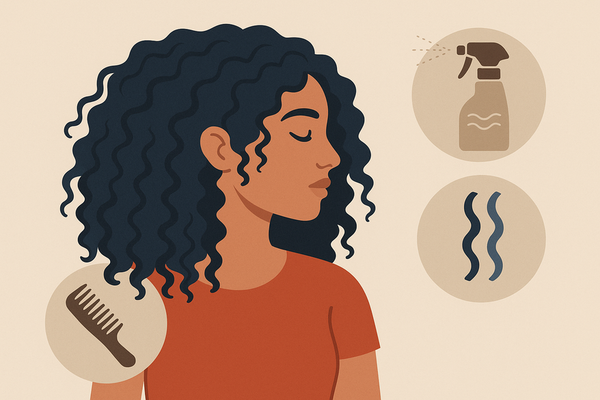
“Waves between washes” means reviving curl shape and bounce without a full shampoo. Key refresh techniques:
- Lightly mist frizzy sections with water or curl-refresh spray. Scrunch in a touch of cream or gel.
- Pineapple at night: gather hair loosely atop your head to preserve shape and volume.
- Diffuse damp roots on low heat, flipping upside-down for root revival. Leave ends undisturbed.
- Hands off until fully dry to prevent new frizz.
5. Navigating Curly Hair Salons
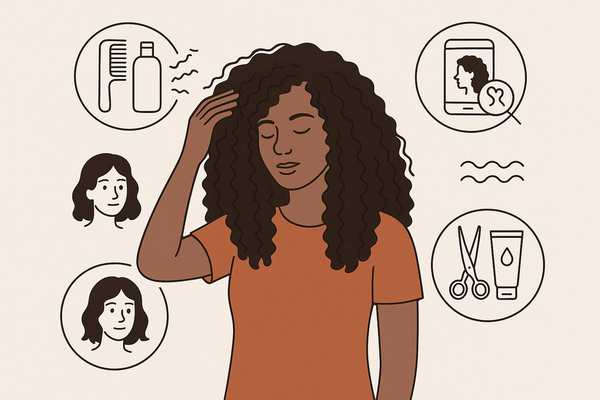
Finding the right salon and communicating your needs can prevent future corrective visits.
- Look for stylists advertising as “curl specialists.”
- Opt for dry-cutting techniques—cut your curls in their natural state.
Communication tips:
- Bring diverse reference photos showing your curl type and desired shape.
- Specify layer length; avoid excessive thinning and request natural volume framing.
- Ask for a “test trim” or partial cut first to gauge their skill.
6. Fixing Color and Cut Issues
6.A Blue Hair Not Showing Fix
Blue pigments can hide under warm undertones, buildup, or uneven porosity in curls. Try:
- A blue-toning or color-correcting shampoo to neutralize warmth and lift old pigment.
- A professional gloss or toner treatment to deposit fresh blue pigment.
- Applying a clear or semi-permanent blue gloss mid-shaft to ends if roots hold pigment better.
6.B Bad Layers Haircut Fix
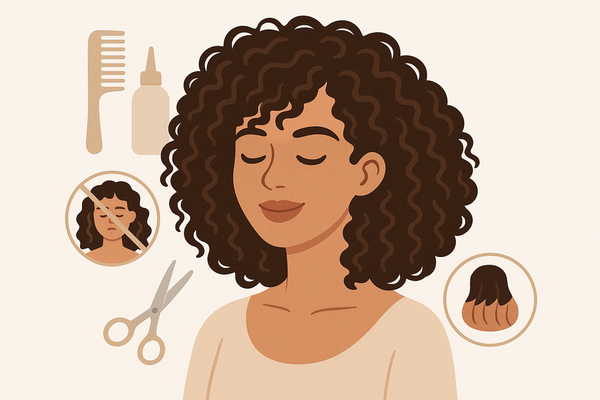
Uneven layers create mismatched curl clumps, frizz, and unruly volume. Corrective steps:
- Allow hair to grow for 6–8 weeks before reshaping.
- See a curl specialist for a dry cut that blends lengths and respects each curl’s spring factor.
- Use styling techniques to balance layers: heavier custard on shorter layers to weigh them down, thicker creams on longer layers to enhance definition.
Conclusion
- Follow this complete routine for lasting hydration and curl definition.
- Prevent frizz by layering moisture, sealing cuticles, and ditching rough towels.
- Refresh waves between washes to extend your style 2–3 days.
- Choose the right salon partners—seek curl specialists and communicate clearly.
- Fix blue hair fading with toners, glosses, and color-correcting shampoos.
Ready to transform your curls? Check out related routines like Ultimate Thick Curly Hair Routine for Beautiful Curls and Mastering Your Thick Curly Hair Routine: Frizz Prevention & Style Tips for more expert advice.
For personalized beauty guidance, explore Makeup Check AI—your AI-powered companion for hair, makeup, skincare, and more.
FAQ
How often should I wash thick curly hair?
Wash no more than twice a week to preserve natural oils and prevent overdrying. Use a co-wash or lightweight refresh mist on off days.
What’s the best way to refresh curls between washes?
Lightly mist with water or curl-refresh spray, scrunch in a small amount of leave-in and gel, then let air-dry or diffuse on low.
How can I minimize frizz on humid days?
Seal cuticles with a cold-water rinse, apply anti-frizz serum on wet hair, and avoid rough towel-drying by plopping instead.
How do I fix uneven layers at home?
Use heavy styling custard on shorter layers to weigh them down and a defining cream on longer layers to balance shape until you can visit a curl specialist.