The Ultimate Thick Curly Hair Routine: Frizz Prevention, Salon Tips, and More
Discover the ultimate thick curly hair routine for frizz prevention, salon tips, and managing waves between washes for vibrant curls.

Estimated reading time: 8 minutes
Key Takeaways
- Consistency in cleansing, conditioning, and moisturizing is crucial for healthy, defined curls.
- Frizz Prevention relies on proper hydration, cuticle sealing, and strategic product layering.
- Salon Selection should focus on curl specialists, dry cutting, and bond-building treatments.
- Refresh Techniques like spot-scrunching extend your style between washes.
- Color and Layer Fixes involve pre-clarification, post-color bond repair, and corrective dry cuts.
Table of Contents
- Establishing a Thick Curly Hair Routine
- Frizz Prevention Techniques
- Navigating Curly Hair Salons
- Achieving Waves Between Washes
- Solving Color Challenges: The Blue Hair Fix
- Fixing Bad Layers in Haircuts
Establishing a Thick Curly Hair Routine
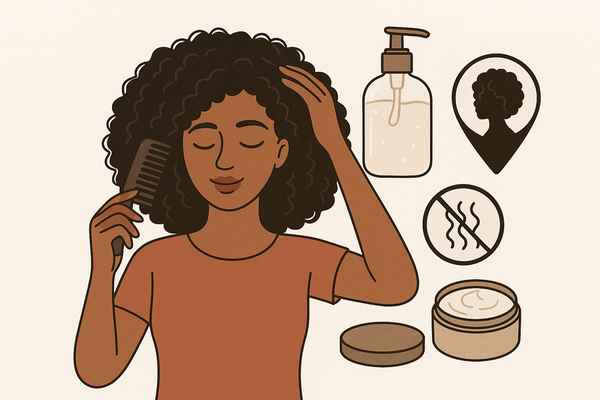
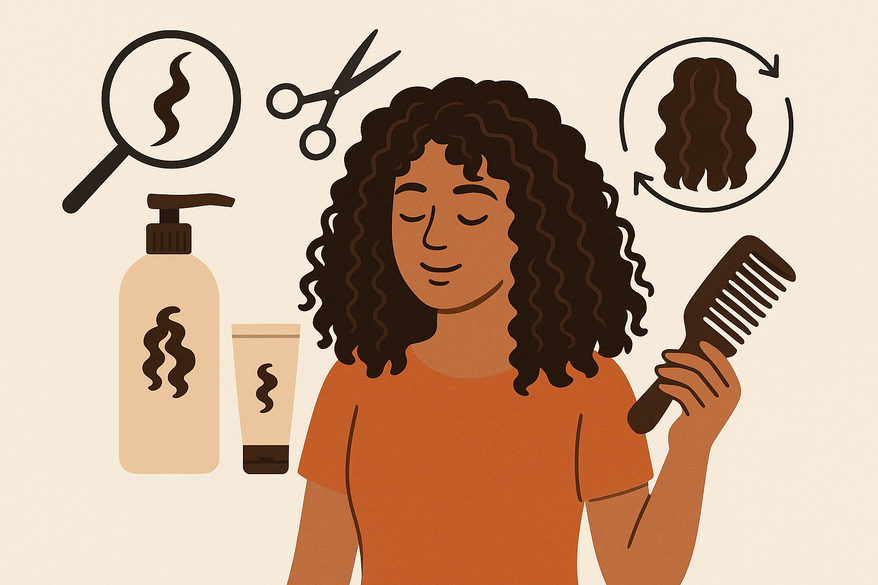
A structured regimen of cleansing, conditioning, moisturizing, styling, and drying ensures your curls stay vibrant and healthy. Without a consistent routine, thick curls can suffer from dryness, frizz, and breakage.
Why Consistency Matters
Regular care smooths the cuticle, boosts elasticity, and locks in curl definition.
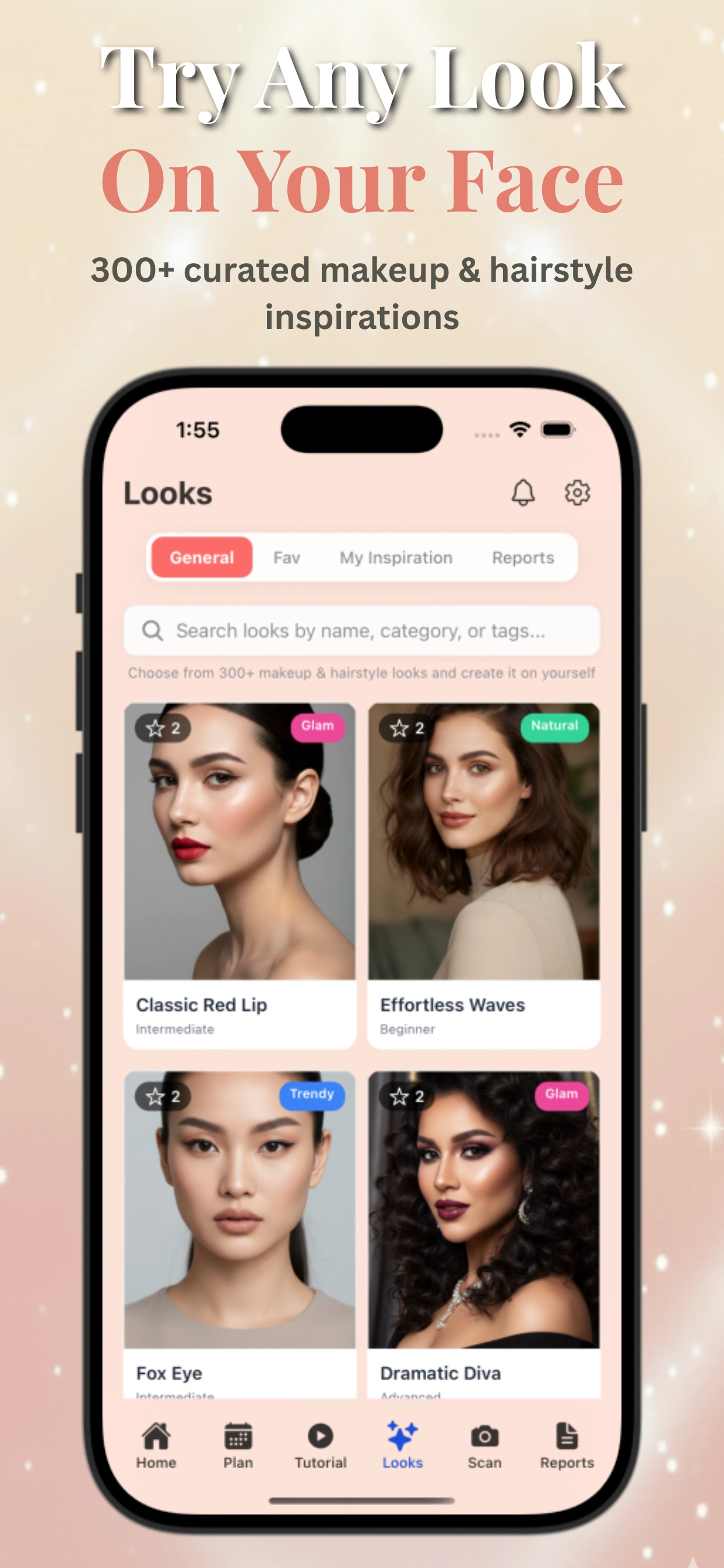
Many curl enthusiasts turn to Makeup Check AI for an AI-powered perspective on hair health, offering automated insights on hydration and curl clumps.
Five Core Steps
- Cleansing: Use a sulfate-free, pH-balanced shampoo on the scalp only. Gently massage with fingertips, and include a monthly clarifying rinse to remove buildup.
- Conditioning: Apply a rich conditioner from mid-length to ends. Detangle with a wide-tooth comb under water, leave in 5–10 minutes, then rinse with cool water to seal cuticles.
- Moisturizing & Styling: On soaking-wet hair, layer in order: leave-in conditioner, curl-defining cream, medium-hold gel. Use “rake and scrunch” or “praying hands” to form clumps.
- Drying: Air-dry or diffuse on low heat and speed to maintain bounce and minimize frizz.
- Protective Nightly Care: Sleep on a silk or satin pillowcase or wrap hair in a silk bonnet to reduce friction and preserve moisture.
Weekly & Monthly Treatments: weekly deep-conditioning masque and monthly detox with a chelating shampoo; bond-building treatments like Olaplex after coloring.
Frizz Prevention Techniques
Frizz results from raised cuticles and moisture imbalance, causing hair shaft swelling and puffiness.
Tactical Steps
- Plopping: Wrap wet curls in a microfiber towel or T-shirt for 15–30 minutes to gently absorb water.
- Cold Rinse: Finish conditioning with cool water to seal cuticles and add shine.
- Wet Detangling: Only detangle when hair is saturated with conditioner to protect clumps.
- Anti-Frizz Layering: Apply leave-in, then silicone-free serum, mousse or custard, and finish with medium-hold gel.
- Regular Clarifying: Use a gentle clarifying shampoo every 4–5 washes to remove heavy products.
Navigating Curly Hair Salons
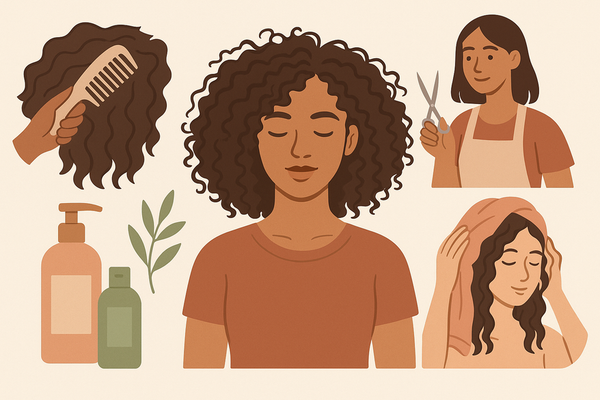
Choosing a salon experienced with textured hair ensures your cut and treatments respect your curl pattern.
Salon Selection Criteria
- Certified curl specialists with positive reviews on textured hair forums.
- Dry cutting on natural curls for precise shaping.
- Curl-centric layering that preserves clumps, not chops through them.
- In-salon bond-repair treatments like Olaplex or keratin.
Consultation Questions
- “How many curly hair clients do you see weekly?”
- “Can you dry-cut my curls to accommodate shrinkage?”
- “What bond-building treatments do you recommend post-color?”
- “How often should I schedule trims?”
- “Do you offer corrective cuts for bad layers?”
Achieving Waves Between Washes
Extending defined waves 2–4 days prevents over-washing and preserves natural oils.
Refresh Techniques
- Water + leave-in mist to reactivate products and tame frizz.
- Spot-scrunch: apply curl lotion on flattened sections and scrunch to reform curls.
- Root lift: flip head upside-down and gently shake roots for volume.
- Scrunch & Go: scrunch a light gel or mousse into damp hair without shampoo.
Tip: Wash thick curls every 2–3 weeks to maintain scalp health and definition.
Solving Color Challenges: The Blue Hair Fix
Faded or invisible blue tones often stem from buildup blocking pigment or low-porosity hair resisting dye.
Corrective Steps
- Pre-color clarify with a chelating shampoo 24–48 hours before your appointment.
- Use color-depositing conditioners or masks between salon visits.
- Consider a gentle pigment stripper under professional guidance.
- Follow with bond-building treatments like Olaplex immediately post-color.
- Maintain vibrancy with sulfate-free, curl-friendly products.
Fixing Bad Layers in Haircuts
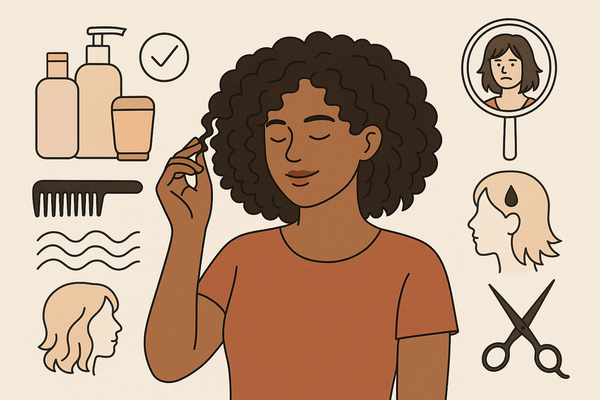
Uneven layers can cause inconsistent curl clumps, odd volume, and frizz.
At-Home Temporary Fixes
- Apply mousse at roots and clip curls upward to boost volume.
- Scrunch in a defining gel on damp hair and diffuse upside-down to reshape clumps.
Permanent Solution
- Book a corrective dry cut with a certified curly-hair specialist.
- Request light texturizing and point-cutting to maintain curl integrity.
Conclusion: A comprehensive routine combining targeted cleansing, hydration, and styling—paired with expert salon services and refresh techniques—will help you achieve head-turning, healthy curls.
FAQ
- How often should I wash my thick curly hair? Every 2–3 weeks to preserve oils and definition.
- What is the best way to prevent frizz? Keep hair hydrated, seal cuticles with cool water, and layer anti-frizz products on wet hair.
- How do I refresh my curls between washes? Use a water and leave-in mist, spot-scrunch products, and root lifts without shampoo.
- Can I fix bad layers at home? Temporary fixes include volume-boosting clips and scrunching gels, but a corrective dry cut offers the best permanent solution.
- How do I maintain blue hair tones? Pre-clarify before coloring, use pigment-depositing masks, and bond-building treatments post-dye.