The Ultimate Thick Curly Hair Routine: Frizz Prevention, Wavy Days, Salon Tips
Discover the ultimate thick curly hair routine with tips on frizz prevention, maintaining waves between washes, and choosing the right curly hair salons.

Estimated reading time: 6 minutes
Key Takeaways
- Custom Routine Essentials: Deep hydration, gentle cleansing, and precise layering for dense spirals and coils.
- Frizz Prevention: Techniques like leave-in conditioners, anti-humectant serums, and gentle drying methods.
- Salon Selection: Seek curl specialists with DevaCut or Ouidad training and a proven portfolio.
- Refresh Between Washes: Use misting sprays, pineapple methods, and scrunch-and-shake for revived waves.
- Quick Fixes: Clarifying rinses for blue-dye vibrancy and styling tricks to disguise uneven layers.
Table of Contents
- Understanding Your Thick Curly Hair Routine
- Frizz Prevention Techniques for Thick Curly Hair
- Choosing the Right Curly Hair Salons
- Maintaining Waves Between Washes
- Fixing Color Challenges: Blue Hair Not Showing Fix
- Correcting Haircut Challenges: Bad Layers Haircut Fix
- Conclusion
Understanding Your Thick Curly Hair Routine
Why a custom routine matters for thick curly hair: dense spiral and coil textures demand deep hydration, gentle cleansing, and precise product layering. Without it, curls go dry, frizz builds up, and definition fades.
- Sulfate-Free Cleansing
Preserves natural oils and prevents cuticle damage. - Deep Conditioning
Replenishes moisture in high-porosity strands and improves elasticity and shine. - Styling Product Layering
Apply from lightest to heaviest (lotion → cream → gel) to seal moisture and define waves.
Frizz Prevention Techniques for Thick Curly Hair
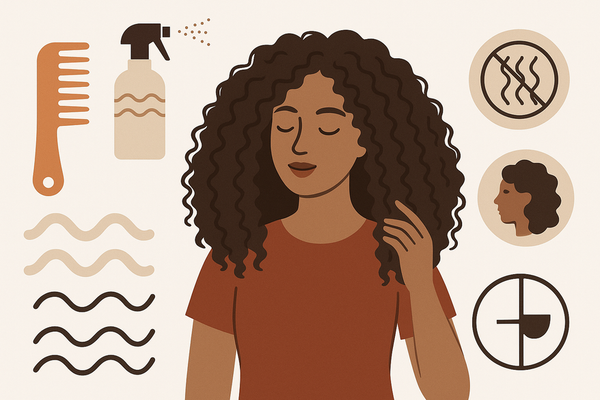
Frizz happens when cuticles raise due to humidity or lack of moisture, resulting in unruly flyaways and dull curls. Consistency in your regimen ensures better definition over time.
- Leave-In Conditioner Immediately
Apply to soaking-wet hair to lock in hydration; smooth through mid-lengths and ends. - Avoid Sulfates & Silicones
Sulfates strip natural oils; silicones cause buildup that weighs curls down. - Styling on Wet Hair
Scrunch products into sopping-wet strands to encourage defined ringlets when hair dries. - Gentle Drying Methods
Use a microfiber towel or cotton T-shirt to reduce friction and minimize cuticle abrasion. - Anti-Humectant Serum in Humid Climates
Repels excess moisture and keeps curls intact during rainy or tropical days.
Choosing the Right Curly Hair Salons
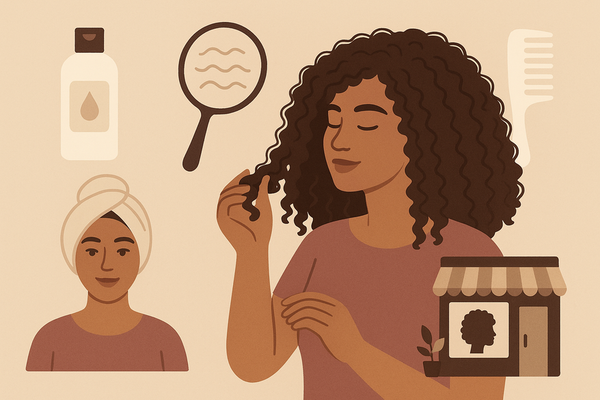
A curl specialist salon understands that thick, curly hair demands precise cutting methods like the DevaCut or Ouidad techniques, shaping each curl to fall perfectly.
Key factors when selecting a curly hair salon:
- Stylist Portfolio
“Before and after” photos of clients with similar textures. - Certification & Training
DevaCurl, Ouidad, or Curlsmith Academy credentials. - Product Lineup
Purge sulfates and silicones; stock hydrating, curl-friendly brands. - Client Reviews
Look for mentions of frizz control and enhanced curl definition.
Consultation questions to ask:
- What is my curl pattern and porosity?
- Which products suit my hair density and texture?
- How often should I schedule trims or treatments?
Maintaining Waves Between Washes
“Waves between washes” means refreshing your curl pattern on non-shampoo days without product overload.
- Water + Leave-In Mist
Mix equal parts water and leave-in conditioner in a spray bottle; lightly spritz to reactivate products. - Scrunch & Shake Method
Cup curls at the ends and scrunch upward; shake gently at roots for volume renewal. - Pineapple at Night
Gather hair loosely at the crown with a silk scrunchie to preserve curls and prevent flattening.
Fixing Color Challenges: Blue Hair Not Showing Fix
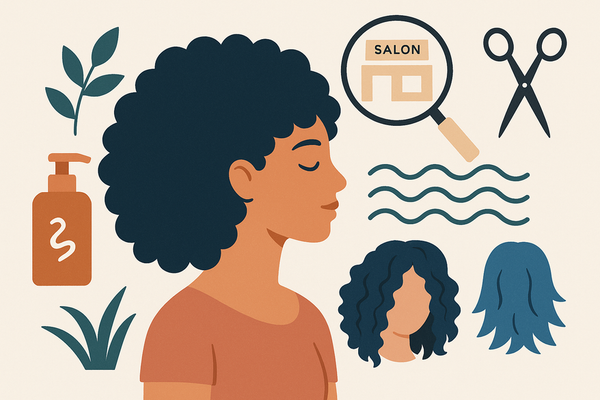
When blue hair dye looks dull or undetectable, cuticle damage, leftover buildup, or high porosity can interfere with pigment absorption.
- Gentle Clarifying Rinse
Use a diluted apple-cider vinegar rinse to strip buildup and prepare cuticles for even dye uptake. - Pigmented Blue Conditioner or Mask
Apply weekly to boost vibrancy and deposit fresh pigment into faded strands.
Long-term strategies like pre-poo treatments and pH-balanced dyes will help maintain that vibrant blue.
Correcting Haircut Challenges: Bad Layers Haircut Fix
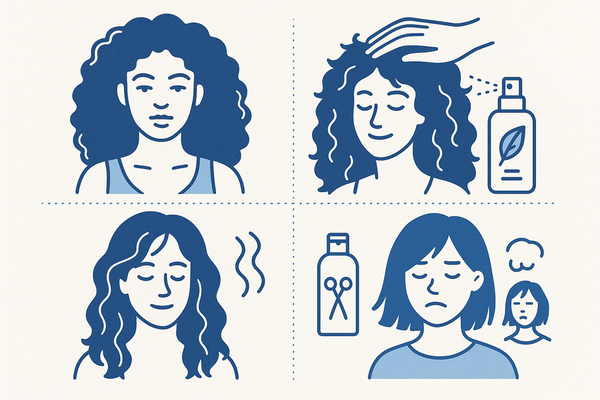
Uneven layers can create a pyramid shape, inconsistent coil lengths, and lack of movement at the crown. Here’s how to disguise or correct bad layering:
- Diffuser Reshape
Use medium heat and low airflow to coax curls into a uniform shape. - Curl-Defining Cream on Under-Layers
Focus product on shorter layers to encourage matching curl size. - Wide-Tooth Comb & Finger-Detangle
Gently separate coils where layers are too short.
For a permanent fix, seek a curl-by-curl reshaping session with a specialist who understands your unique texture.
Conclusion
We’ve explored five pillars of a world-class thick curly hair routine:
- Tailored cleansing, conditioning, and styling steps
- Proven frizz prevention techniques
- Finding curl-savvy salons
- Refreshing waves between washes
- Quick remedies for color fade and uneven layers
Share your routine wins, questions, or before-and-after photos in the comments below and let’s build a community of curl confidence!
FAQ
- How often should I deep condition?
Aim for once a week if you have high-porosity curls; adjust based on moisture levels. - Can I avoid frizz without a diffuser?
Yes—use a microfiber towel or cotton T-shirt and let hair air-dry partially before finishing with a hooded dryer on low heat. - What’s the best way to refresh curls on second-day hair?
Use a DIY mist of water and leave-in conditioner, then scrunch and shake to reactivate products. - When should I visit a curly hair salon?
Every 8–12 weeks for trims and reshaping sessions, depending on your growth rate and style goals.