How Transparent Makeup AI Metrics Are Reshaping Trust in Beauty
Discover how transparent makeup AI metrics measure ingredient disclosure and ethical sourcing, reshaping trust in beauty with data-driven transparency.

Estimated reading time: 5 minutes
Key Takeaways
- Honesty by Numbers: Transparent makeup AI metrics translate marketing buzzwords into provable data.
- AI Fairness & Performance: Metrics like ΔE color-drift and F1-scores ensure inclusivity and accuracy.
- Real-Time Dashboards: Consumer-facing tools build trust with clear safety, sourcing, and fairness scores.
- Ethical Accountability: Data-driven audits prevent greenwashing and foster long-term loyalty.
Table of Contents
- Defining Transparent Makeup
- Exploring AI in the Beauty Industry
- Key Transparent Makeup AI Metrics
- Real-World Impact & Case Studies
- Building Trust Through Ethics and Data
- Conclusion
Defining Transparent Makeup
Transparent makeup goes beyond “clean” buzzwords: brands and apps share full INCI lists, concentration details, origin certificates, and safety tests. Ethical sourcing metrics reveal carbon and water footprints per batch, while performance transparency includes ΔE color-drift analysis, wear-time curves, and oxidation rates. Marketing integrity is verified by cross-checking lab results against promotional claims, effectively reducing greenwashing.
Exploring AI in the Beauty Industry
AI underpins every stage of the beauty journey—from R&D to consumer reporting. Computer vision and machine learning power virtual try-on and shade matching, tracking accuracy, error rates, and coverage uniformity. Skin analysis algorithms detect redness, hyperpigmentation, and texture issues to build personalized routines. Ingredient-scanning AI flags restricted substances and verifies certifications against databases—ensuring that product claims stand up to scrutiny.
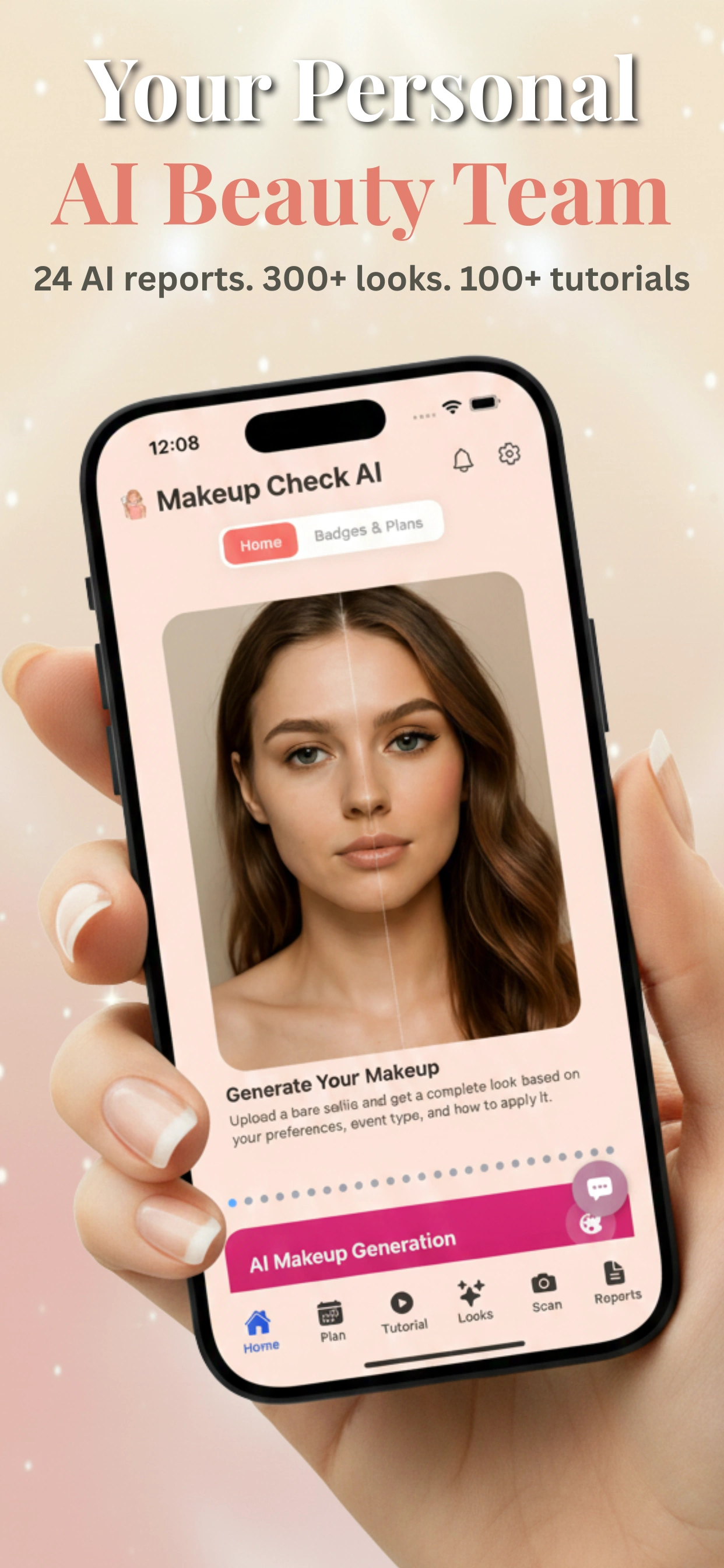
Apps like Makeup Check AI integrate these transparency metrics into user-friendly dashboards—letting you see your shade-match precision, ingredient safety scores, and ethical sourcing ratings all in one place.
Virtual Try-On & Shade Matching
- Accuracy: Matched vs. actual skin tone percentage
- Error-Gap Analysis: Performance across demographic groups
- Uniformity & Recall Rates: Consistency in diverse lighting
Skin Analysis & Personalization
- Pore & Texture Detection: Algorithm precision
- Longitudinal Tracking: Monitoring skin improvements over time
- Fairness Audits: Ensuring consistent performance for all skin types
Key Transparent Makeup AI Metrics
| Category | Metric | Purpose |
|---|---|---|
| Ingredient Transparency | % verified safety tests, traceability index | Prove clean formulation and ethical sourcing |
| Performance & Claims | ΔE color-drift, wear-time curves | Validate longevity and color stability |
| AI Fairness | Precision, recall, F1-scores by skin tone | Ensure equitable recommendations |
Real-World Impact & Case Studies
Transparent makeup AI metrics enable brands to publish fairness audits—for example, reporting shade-match error gaps on dashboards. QR-code access at retail counters provides real-time ingredient certificates. Marketing integrity checks score claims like “vegan” against independent databases, revealing any inconsistencies.
These use cases replace slogans with hard data, shifting beauty toward a new baseline where proof—not hype—builds consumer trust.
Building Trust Through Ethics and Data
Transparent makeup AI metrics align with broader calls for accountability in beauty tech. By publishing clear, auditable dashboards, brands meet regulatory scrutiny (e.g., EU AI Act) and answer consumer demands for honesty. This data-driven approach not only prevents greenwashing but also fosters long-term loyalty.
For more on why transparency matters across beauty tech, see our guide Building Trust in Beauty Tech: Why Transparency and Ethics Matter.
Conclusion
Transparent makeup AI metrics merge product-level openness (ingredients, sourcing) with algorithm-level accountability (accuracy, fairness). They empower consumers to make informed, safer choices and enable brands to back every claim with data—reshaping trust in beauty forever.
Tools and platforms that embrace this approach, such as Ethical Makeup App Practices, are leading the way toward a more honest, equitable future.
FAQ
- What are transparent makeup AI metrics?
They are data-driven measurements that quantify claims like cruelty-free, long-wear, and inclusive performance, backed by transparency in ingredients, sourcing, and AI fairness. - How do these metrics benefit consumers?
Consumers gain access to clear dashboards showing safety scores, ethical sourcing data, and fairness audits—enabling informed choices and reducing greenwashing. - What is AI fairness in shade matching?
AI fairness ensures that shade-matching algorithms perform equally well across diverse skin tones, tracked by error-gap analysis, precision, recall, and F1-scores. - How can brands implement transparent metrics?
Brands publish full INCI lists, performance curves, and fairness audit results on user-friendly dashboards, complying with regulations like the EU AI Act and earning consumer trust.