Transparent Makeup AI Metrics: Enhancing Beauty Industry Trust
Explore how transparent makeup AI metrics enhance consumer trust by quantifying transparency, safety, and fairness in the beauty industry. Learn more now!


Estimated reading time: 8 minutes
Key Takeaways
- Transparent AI metrics combine ingredient disclosure with AI performance data
- These metrics build consumer trust and satisfy regulatory demands
- Key measures include ingredient transparency, shade-matching fairness, and explainability
- Future innovations point to real-time dashboards and standardized AI “nutrition labels”
Table of Contents
- Section 1: Understanding Transparent Makeup
- Section 2: The Role of AI in Makeup Metrics
- Section 3: Key Metrics in Transparent Makeup AI
- Section 4: Benefits and Challenges
- Section 5: Future Trends and Innovations
- Conclusion
Section 1: Understanding Transparent Makeup
Definition of Transparent Makeup
Transparent makeup refers to brands openly sharing full ingredient lists (INCI), highlighting allergens, and providing traceable sourcing and evidence-based performance claims.
- Full ingredient disclosure with INCI lists and allergen flags
- Traceable, ethical, and sustainable sourcing details
- Evidence-based claims on performance and benefits
Why Transparency Matters
Clear brand disclosures and AI-backed metrics help prevent greenwashing, ensure compliance with the EU AI Act and global cosmetics regulations, and meet consumer expectations for safety, ethics, and inclusivity.
Consumer Trends Driving Demand
Shoppers today demand:
- Ingredient literacy: research on actives, allergens, and hormone disruptors
- Inclusive shade ranges: proof of performance across all skin tones
- Data-backed “AI-powered” claims to avoid vague marketing
Section 2: The Role of AI in Makeup Metrics
AI Integration Points
AI elevates transparency by:
- Using NLP to analyze ingredients and assign safety/origin scores
- Applying computer vision for shade-matching and uniformity checks
- Verifying marketing claims against lab data and review sentiment
- Mining consumer feedback through sentiment analysis of reviews
AI Methodologies Explained
Core AI techniques include:
- Computer Vision: measures color consistency and ΔE drift
- Machine Learning Classifiers: categorize ingredients (vegan, allergen, irritant)
- Fairness Auditing: detects error gaps and disparate impact across demographics
- Explainable AI (XAI): SHAP and LIME feature attributions clarify model decisions
Section 3: Key Metrics in Transparent Makeup AI
Ingredient & Safety Metrics
- Ingredient Transparency Score: % of ingredients with verified identity and certification
- Safety/Compliance Flags: detection of banned substances and allergen alerts
- Sustainability Indices: carbon footprint and water usage per ingredient
Formulation & Performance Metrics
- Formulation Stability: ΔE color drift and oxidation rates under stress tests
- Coverage & Finish Quality: uniformity and caking scores across skin types
- Performance Ratings: lab outcomes vs. claimed benefits
Shade Matching & Inclusivity Metrics
- Accuracy, Precision, Recall, F1-Score for shade-matching models
- Shade-Range Coverage: % of skin tones accurately matched
- Fairness Metrics: subgroup accuracy, demographic parity, and error gap analysis
Explainability & Transparency Metrics
- Explainability Scores: clarity of model behavior documentation
- Model Cards: completeness of use-case, data sources, and risk disclosures
- Feature-Importance Logs: SHAP/LIME summaries for end-user transparency
Data Quality & User-Centric Metrics
- Data Representativeness: demographic coverage of training datasets
- Label Accuracy: quality of ingredient and image annotations
- User Outcomes: match success rates, satisfaction surveys, and return rates
Section 4: Benefits and Challenges
Benefits for Brands
- Differentiation: published metrics build trust and loyalty
- Regulatory readiness: simplifies AI-driven marketing audits
- Faster R&D iteration: dashboards highlight formulation or shade gaps
Benefits for Consumers
- Enhanced safety: clear ingredient and compliance scores
- Better match accuracy: fewer returns and higher satisfaction
- Transparent feedback loops: consumer input drives metric updates
Key Challenges
- Data accuracy & bias: unbalanced datasets can skew fairness metrics
- Privacy concerns: handling selfies and demographic data requires robust consent
- Communicating metrics: translating technical scores into consumer-friendly language
- Lack of industry standardization: few cross-brand frameworks exist
Section 5: Future Trends and Innovations
- Real-time dashboards for live monitoring of performance and fairness
- Multimodal analysis: images, text, and structured ingredient data
- Blockchain provenance for tamper-proof ingredient origin tracking
- Standardized AI “nutrition labels” summarizing accuracy, fairness, and data sources
- Hyper-personalized dashboards showing user-specific performance history
- Industry shift toward mandatory numerical transparency in beauty AI
Conclusion
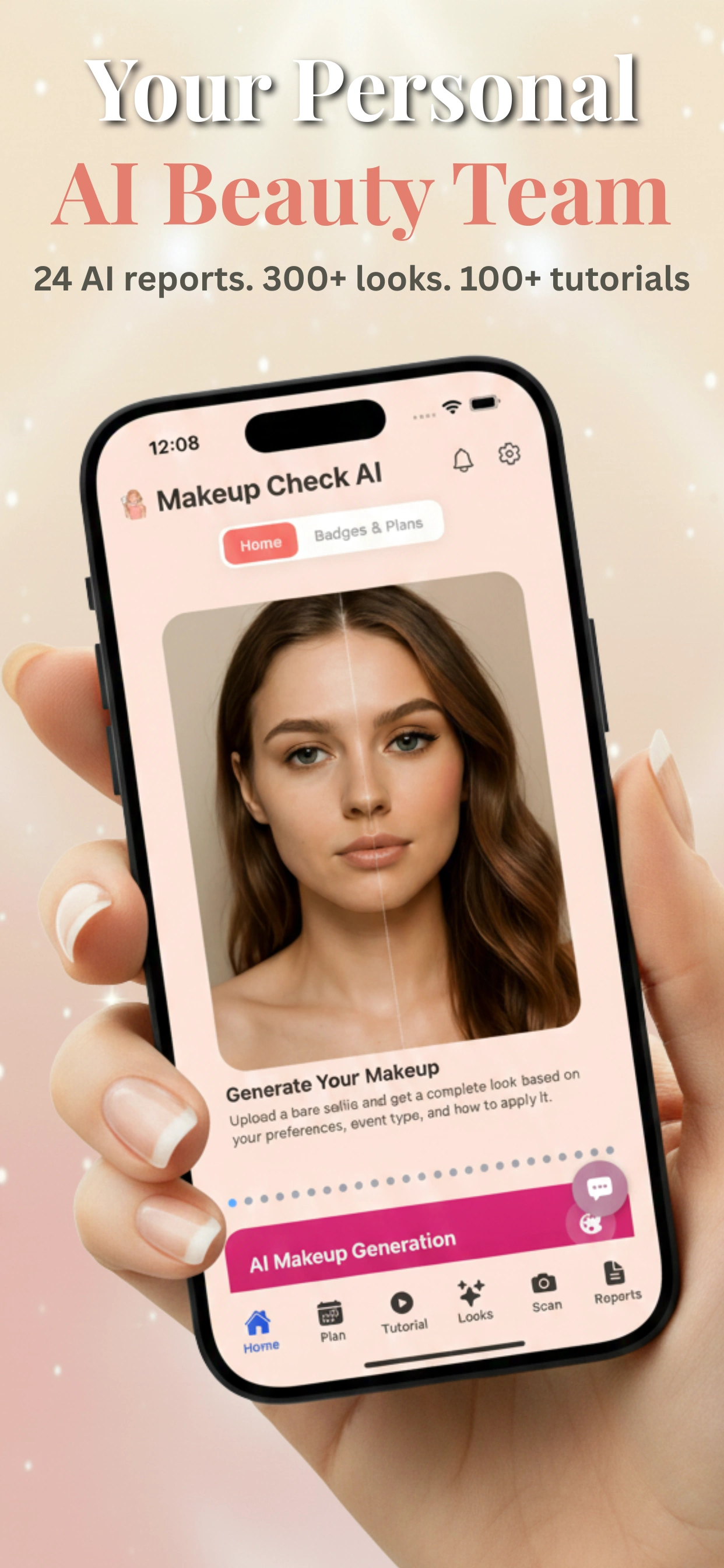
Transparent makeup AI metrics bring accountability to formulation, marketing, and recommendations. By quantifying ingredient transparency, safety compliance, performance stability, shade inclusivity, and explainability, brands turn vague claims into verifiable data. As regulations tighten and consumers demand openness, these metrics become the new trust signal in beauty. For more insights, explore Building Trust in Beauty Tech: Why Transparency and Ethics Matter and check out Makeup Check AI for live examples.
FAQ
What are transparent makeup AI metrics?
Transparent makeup AI metrics are data-driven scores that combine ingredient disclosures with AI performance measures—covering safety, fairness, and explainability—to provide clear trust signals in cosmetics.
Why do these metrics matter for consumers?
They help shoppers verify clean formulas, ethical sourcing, and accurate virtual shade-matching, reducing returns and boosting satisfaction.
How can brands implement these metrics?
By using AI tools for ingredient analysis, shade-matching audits, and fairness checks, then publishing dashboards or model cards that highlight key scores and disclosures.