Transparent Makeup AI Metrics: Building Beauty Brand Trust Through Explainability
Transparent makeup AI metrics combine product transparency with explainable AI indicators, fostering trust by proving product performance, safety, and fairness.


8 min read
Key Takeaways
- Fusion of transparency and AI: Full ingredient and sourcing disclosure combined with explainable AI metrics builds consumer trust.
- AI metrics matter: Performance, fairness, explainability, and sentiment analysis quantify beauty tool effectiveness.
- Actionable insights: Dashboards and transparent reports help brands prove claims and improve products.
- Real-world impact: Case studies show measurable lifts in adoption, repeat purchases, and trust.
- Looking ahead: Future trends include regulated disclosures, industry benchmarks, “nutrition label” dashboards, and personalization guardrails.
Table of Contents
- Section 1: Understanding Transparent Makeup
- Section 2: Exploring AI Metrics
- Section 3: Intersection of Transparent Makeup AI Metrics
- Section 4: Case Studies in AI Metrics
- Section 5: Future Trends in Transparent Makeup AI Metrics
- Conclusion and Key Takeaways
Section 1: Understanding Transparent Makeup
Transparent makeup means full disclosure at every step of product creation. Instead of buzzwords like “clean beauty,” consumers get clear, verifiable proof.
- Ingredient Lists and Concentrations
– Full INCI lists with concentration ranges.
– Allergenic ingredients and actives clearly labeled. - Sourcing and Certifications
– Supplier origin details (country, farm, lab).
– Cruelty-free, vegan, fair-trade certifications. - Ethical and Sustainability Practices
– No animal testing, or transparent protocols when required by law.
– Recycling programs and refill systems.
Why transparency matters now:
- Regulatory Scrutiny
– Authorities challenge vague “free-from” claims. - Ingredient-Savvy Consumers
– Apps and databases let users verify every ingredient. - Social Media Accountability
– Hidden ingredients or false before/after shots are quickly exposed.
Consumer mindset shift: “Does this look good?” has become “Is it safe, ethical, and honest?”
Section 2: Exploring AI Metrics
Exploring AI metrics means understanding the numbers behind every AI-driven beauty tool. AI metrics quantify performance, fairness, and explainability.
How AI metrics are developed:
- Data Collection & Labeling
- Model Training & Validation
- Metric Computation & Benchmarking
Common AI metrics:
- Performance Metrics
– Accuracy, precision, recall, F1 score.
– Example: Shade-matching accuracy. See more in our AI-Driven Cosmetic Performance Metrics. - Fairness Metrics
– Disparate impact ratios, equal opportunity difference.
– Example: Error rates by skin tone or gender. - Explainability Metrics
– SHAP and LIME feature-attribution scores.
– Human-readable decision rationales. - Analytics & Trend Forecasting
– Sentiment analysis on reviews, topic modeling.
Section 3: Intersection of Transparent Makeup AI Metrics
When transparency meets explainable AI, makeup innovation gains trust. Clear AI metrics make product claims and recommendation logic auditable.
Key applications:
- Transparent Recommendation Systems
– Show why foundation X was suggested: “Oily skin, warm undertone, high satisfaction with matte finishes.” - Computer Vision Before/After Analysis
– Objective redness reduction scores with consistency metrics. - Ingredient Traceability Dashboards
– Metrics on data completeness, supplier consistency, audit dates. - Consumer Sentiment Quantification
– Positive vs. negative theme metrics from reviews and social posts.
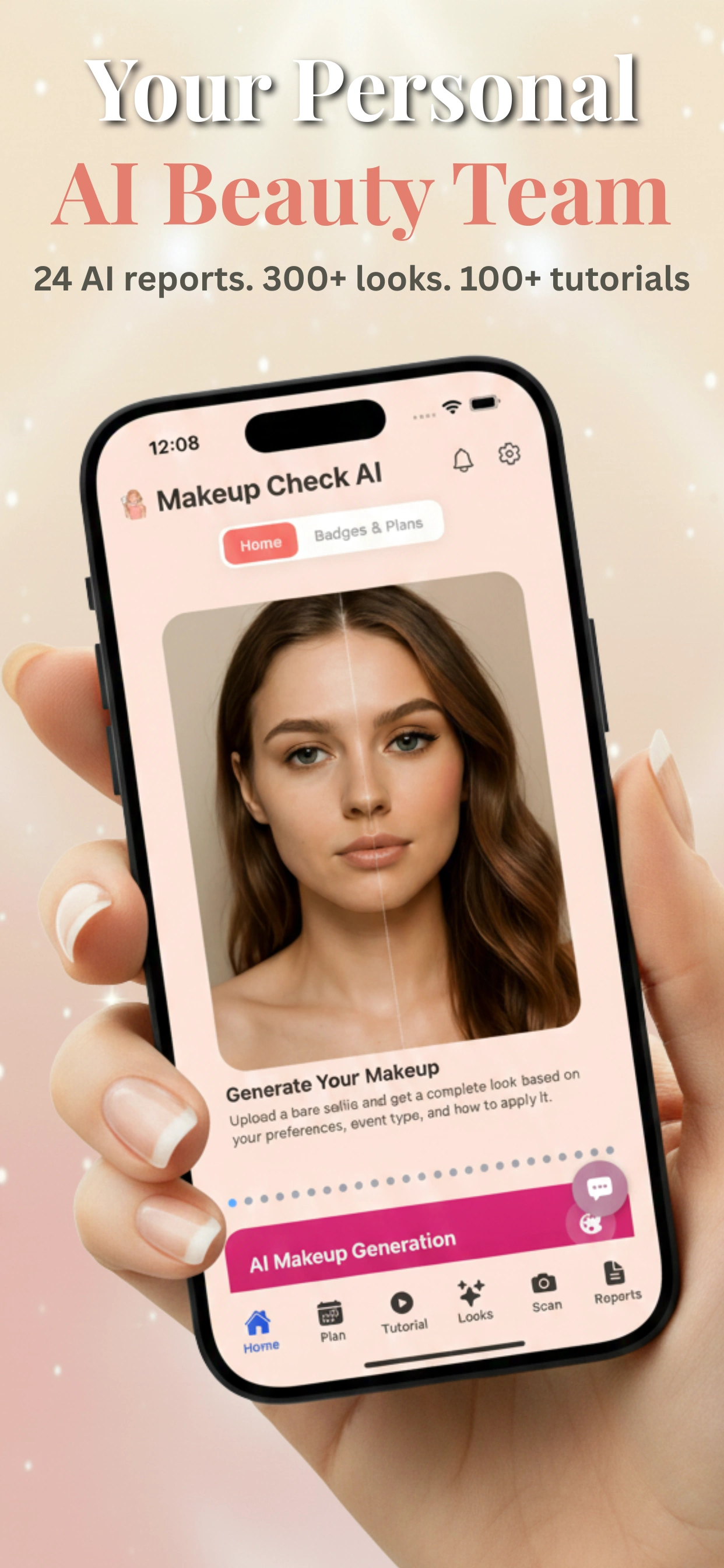
Tools like Makeup Check AI demonstrate how explainable AI delivers detailed, actionable beauty insights, bringing metric-driven transparency directly to consumers’ fingertips.
Section 4: Case Studies in AI Metrics
Real-world examples show how AI metrics deliver transparency and drive results.
Case Study 1: Fair Skin Analysis
Brand A publishes accuracy and error rates by skin tone groups, reporting disparate impact ratios to prove fairness. Result: Increased adoption among darker-skinned users.
Case Study 2: Foundation Shade Matching
Tool discloses overall match accuracy: 87%, and shares survey feedback on undertone precision and low-light limitations. Outcome: 15% lift in repeat purchases.
Case Study 3: Ingredient Risk Scoring
AI scans formulas against regulatory and scientific databases, generating a risk score with transparent methodology. Consumer trust jumps after clear explanations on product pages.
Case Study 4: Sentiment-Driven Reformulation
AI flags themes like “oxidizes,” “cakey,” “breakout.” Brand publishes before/after sentiment metrics and return-rate improvements, demonstrating commitment to listening and improving.
Section 5: Future Trends in Transparent Makeup AI Metrics
Emerging directions will further codify transparency and trust.
- Regulated AI Disclosures
– Frameworks like the EU AI Act will require explainability, documentation, and risk reporting for beauty-adjacent AI tools. Learn more in our piece on Building Trust in Beauty Tech. - Standardized Beauty AI Benchmarks
– Industry groups may define uniform accuracy, fairness, and explainability standards for skin analysis and virtual try-on. - “Nutrition Label”-Style Dashboards
– Mini dashboards on product pages showing model type, data inputs, audit date, and ingredient info. - Hyper-Personalization Guardrails
– Guardrail metrics to prevent harmful beauty standards and over-targeting, ensuring recommendations support self-esteem and inclusivity.
Conclusion and Key Takeaways
Transparent makeup AI metrics unite clear product information with auditable, explainable AI measures. Brands can prove claims, uncover bias, and explain recommendations. Consumers gain clarity, brand trust, and better beauty experiences.
- Transparent makeup = full ingredient, sourcing, and ethical openness.
- AI metrics = measurable performance, fairness, and explainability scores.
- Combined power builds trust, loyalty, and compliance readiness.
Next time you use an AI-driven beauty tool, ask: “What data and metrics prove this works? How fair and transparent is it?” Demand clarity.
FAQ
What are Transparent Makeup AI Metrics?
They combine full product transparency—ingredients, sourcing, ethics—with explainable AI measurements to make beauty claims auditable and trustworthy.
Why are AI metrics important in beauty tech?
Metrics like accuracy, fairness ratios, and feature-attribution scores quantify how well AI tools perform and ensure they treat all users equitably.
How do fairness metrics work?
Fairness metrics evaluate differences in error rates or outcomes across demographic groups, ensuring no subset of users is disadvantaged.
How can consumers access these metrics?
Brands can display dashboards or “nutrition label”–style summaries on product pages or via AI beauty reports, making data clear and accessible.