Transparent Makeup AI Metrics: How Clear AI-Driven Scores Boost Beauty Brand Trust
Discover how transparent makeup AI metrics provide clarity and trust in beauty brands by converting complex data into actionable insights for consumers.

Estimated reading time: 4 minutes
Key Takeaways
- Transparent makeup AI metrics offer clear, explainable scores on ingredients, ethics, and sustainability.
- They combat greenwashing and build consumer trust through actionable, data-driven dashboards.
- Three core pillars: ingredient disclosure, ethical sourcing, and environmental considerations.
- AI powers virtual try-on, skin diagnostics, and trend forecasting to enhance transparency.
- Key metrics include accuracy, precision, fairness, and explainability to ensure reliable beauty solutions.
Table of Contents
- Why transparency matters in beauty
- Section 1: Transparent Makeup Explained
- Section 2: Makeup AI Role
- Section 3: Understanding AI Metrics
- Section 4: Leveraging Transparent Makeup AI Metrics
- Section 5: Case Studies of Transparent Makeup AI Metrics
- Conclusion and Future Outlook
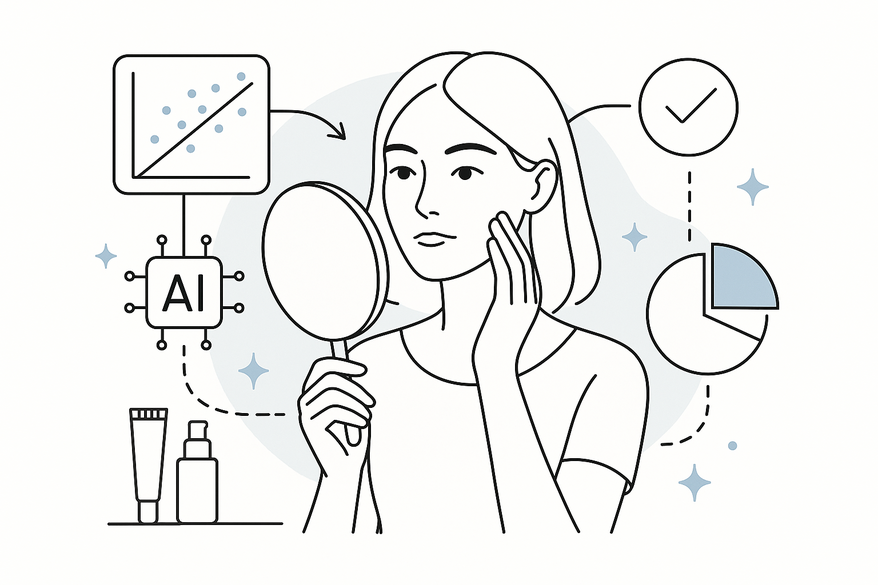
Transparent makeup AI metrics are clear, explainable measurements generated by artificial intelligence systems to assess transparency in makeup products and brands. These metrics transform complex data—ingredient lists, sourcing ethics, sustainability footprints, and consumer reviews—into actionable scores. In a beauty market rife with vague “clean” labels and greenwashing, transparent makeup AI metrics help verify claims and build consumer trust.
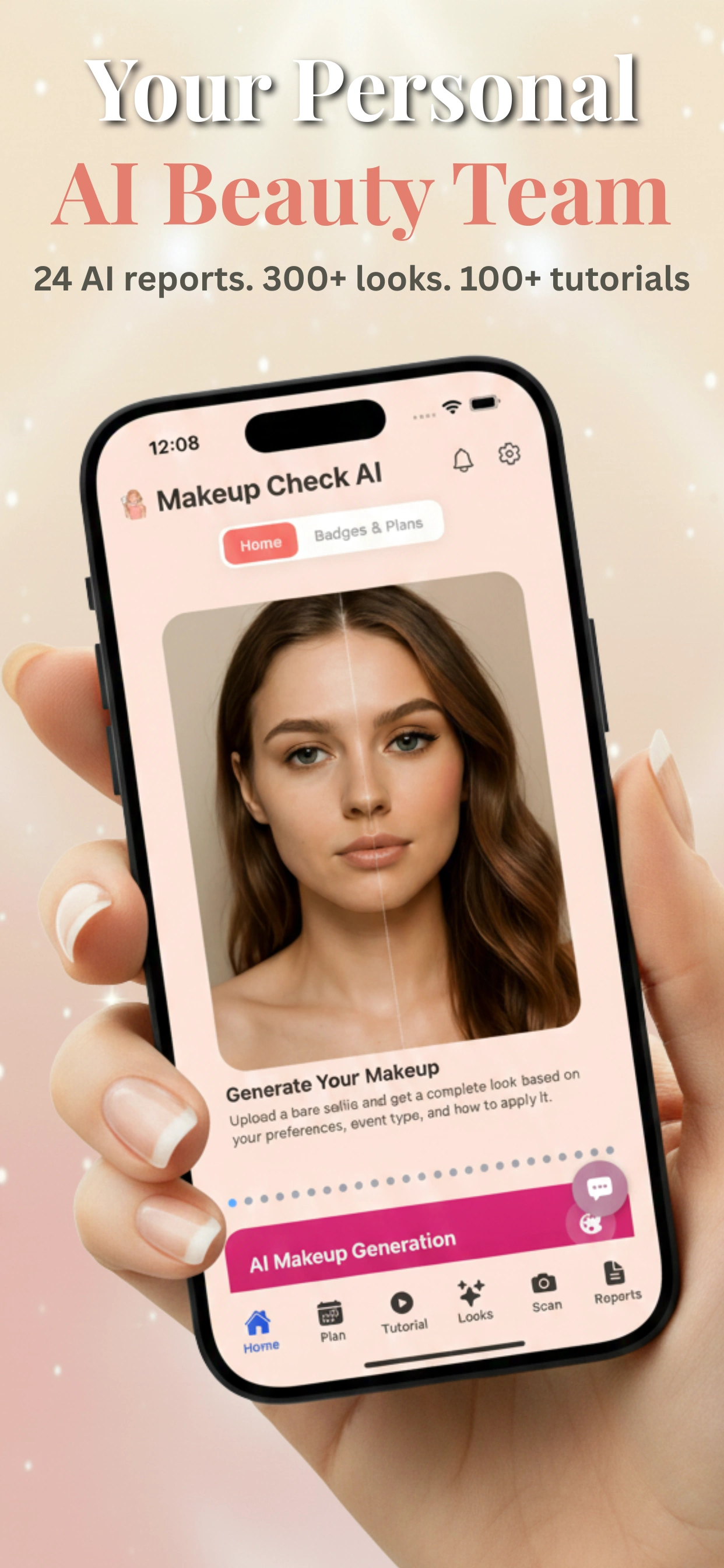
To make evaluating these metrics more accessible, tools like Makeup Check AI offer interactive dashboards that break down ingredient purity and sustainability ratings with clear visual indicators.
Why transparency matters in beauty
- Combats greenwashing by revealing real carbon and water footprints.
- Verifies “clean” or “non-toxic” labels through full INCI disclosures and allergen flags.
- Harnesses AI to process large-scale ingredient databases, regulatory texts, lab results, and user feedback into digestible dashboards.
By quantifying openness, brands can demonstrate authenticity, and consumers gain evidence-based confidence in their purchases. Building and maintaining this trust is critical in an industry where ethical and environmental claims are under increasing scrutiny (Building Trust in Beauty Tech: Why Transparency and Ethics Matter).
Section 1: Transparent Makeup Explained
Transparent makeup puts clarity at the forefront of product development and marketing. It covers three core pillars:
- Clear Ingredient Disclosure
- Full INCI lists published online and on packaging.
- Allergen flags highlighting common irritants (e.g., fragrance, parabens).
- Safety profiles showing toxicology data and regulatory compliance.
- Ethical Sourcing Practices
- Cruelty-free certifications (Leaping Bunny, PETA).
- Fair trade or regenerative agriculture sourcing for botanicals.
- Labor-condition audits ensuring safe, humane work environments.
- Environmental Considerations
- Carbon footprint labeling per product (kg CO₂e).
- Recyclable or biodegradable packaging materials.
- Microplastic avoidance and water-use disclosures.
Section 2: Makeup AI Role
Artificial intelligence is reshaping how beauty brands develop, market, and evaluate products. Here’s how AI drives transparency and efficiency in makeup:
- Virtual Try-On & Recommendation
Computer vision and facial-landmark detection match foundation and lipstick shades in real time; AR overlays let users test looks before buying. - Skin Diagnostics
CNNs analyze skin texture, pigmentation, pore size, and moisture; personalized product suggestions follow. - Trend Forecasting
AI mines social media, search queries, and sales data to predict next-season colors and textures.
Section 3: Understanding AI Metrics
AI metrics are quantitative indicators that assess both AI systems and brand performance. They ensure transparent, fair, and reliable beauty solutions.
- Accuracy: Correctly interprets ingredients, allergens, and skin conditions.
- Precision & Recall: Balances false-positive and false-negative rates in risk flagging.
- Fairness: Equal algorithm performance across skin tones, ages, and genders.
- Explainability: User-friendly dashboards and tooltips reveal AI logic.
Section 4: Leveraging Transparent Makeup AI Metrics
When brands combine transparent makeup practices with clear AI metrics, they unlock deeper consumer trust and streamlined operations. Methodology disclosure, auditable dashboards, hidden pattern discovery, and bias detection all play crucial roles (Ethical Makeup App Practices: A Guide to Transparency, Privacy, and Inclusive Beauty Tech).
Section 5: Case Studies of Transparent Makeup AI Metrics
- AI-Powered Ingredient Transparency Platforms
Ingest INCI and regulatory data to generate safety, irritation, and environmental scores—conversion lifts up to 15%. - Virtual Try-On with Fairness Metrics
Audits across diverse skin-tone cohorts reduce shade-return rates and boost satisfaction. - Sustainability Dashboards Driven by AI
Real-time footprint calculators per SKU, with public ratings—eco-conscious consumers show stronger loyalty.
Conclusion and Future Outlook
Transparent makeup AI metrics combine full product visibility—ingredients, ethics, and sustainability—with AI-driven measures of accuracy, fairness, safety, and explainability. Together, they:
- Convert complex data into simple, comparable scores.
- Help brands improve formulations and correct biases.
- Give consumers confidence in data-driven beauty choices.
Looking ahead, real-time, multi-dimension dashboards, tighter regulator mandates, and AI personalization aligned to individual values will make transparent makeup AI metrics the industry standard, fostering a more honest, accountable, and sustainable future.
FAQ
- What are transparent makeup AI metrics? These are clear, explainable scores generated by AI systems that evaluate makeup products’ ingredients, ethical sourcing, and environmental impact.
- How do brands implement these metrics? Brands integrate AI-driven dashboards that ingest ingredient databases, regulatory data, and consumer feedback to produce real-time transparency scores.
- What is the role of AI in makeup transparency? AI powers virtual try-on, skin diagnostics, trend forecasting, and fairness audits to ensure products meet diverse consumer needs.
- How do consumers benefit? Shoppers gain evidence-based confidence, easily compare products, and make choices aligned with their values on safety, ethics, and sustainability.