How Transparent Makeup AI Metrics Are Revolutionizing Beauty Industry Transparency
Discover how transparent makeup AI metrics are reshaping trust in the beauty industry with data-driven transparency on ingredients, ethics, and performance.

Estimated reading time: 5 minutes
Key Takeaways
- Consumers demand objective, data-driven proof for beauty claims.
- AI metrics (accuracy, fairness, explainability) ensure transparency from lab to face.
- Sectors: ingredient auditing, shade-matching, quality control, and dashboards.
- Challenges include bias, model drift, privacy, and need for human oversight.
- Future trends: standardized labels, blockchain provenance, regulatory integration.
Table of Contents
- 1. Defining Key Terms: Transparent Makeup & AI Metrics
- 2. The Role of AI in the Makeup Industry
- 3. The Importance of Metrics in Ensuring Transparency
- 4. Real-World Applications and Case Studies
- 5. Challenges and Considerations
- 6. Future Trends and Innovations
- Conclusion
Introduction
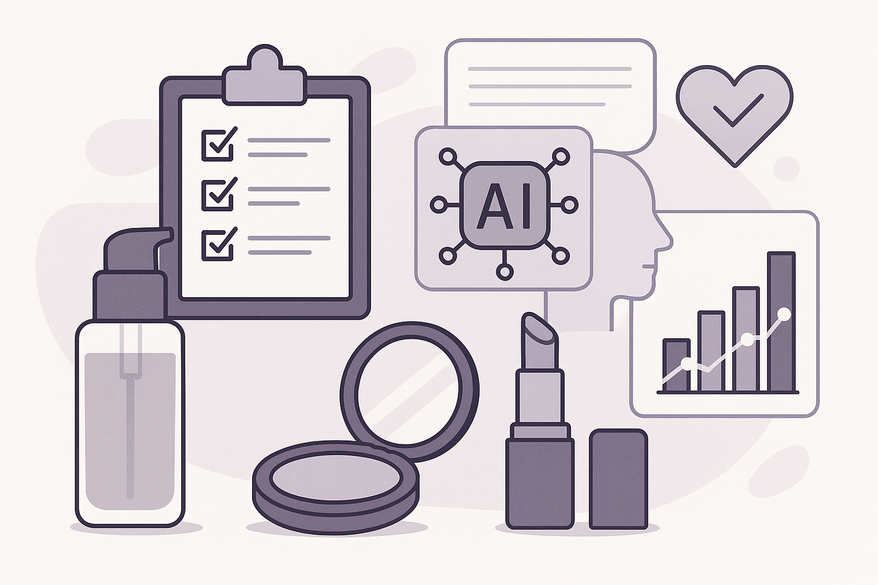
Transparent makeup AI metrics are changing how we trust beauty products. Consumers now demand data-driven proof of ingredient safety, ethical sourcing, and performance rather than vague claims. AI systems scan ingredient lists, analyze product images, track feedback, and convert this data into objective metrics. This new approach builds transparency around makeup, AI, and metrics from lab to face.
1. Defining Key Terms: Transparent Makeup & AI Metrics
1.1 Transparent Makeup
Transparent makeup stands on three pillars that build consumer trust:
- Ingredient disclosure
- Full INCI lists with clear allergen flags and active ingredient levels.
- No hidden “fragrance blends” or secret irritants.
- Production ethics & sourcing
- Verified raw material origins with sustainability certificates.
- Safety/stability testing reports plus carbon and water usage data.
- Honest marketing & claims
- Every assertion (“clean,” “24-hr wear,” “non-toxic”) backed by test data.
- Clear labeling of AI-driven recommendations.
- No deceptive virtual try-on images or dark patterns.
1.2 AI Metrics
AI metrics are quantitative measures that evaluate performance and transparency in beauty:
- Technical performance (accuracy, precision, recall, F1-score).
- Fairness & bias (error gaps, disparate-impact ratios).
- Explainability (SHAP and LIME attributions, model cards).
- Safety & ingredient metrics (allergen flags, compliance scores).
- Sustainability & compliance (carbon-footprint, water-use scores).
- Consumer sentiment & usability (NLP-based sentiment scores, return rates).
2. The Role of AI in the Makeup Industry
AI is reshaping makeup through data, vision, and automation. Brands use advanced tools like Makeup Check AI to track these metrics, combining computer vision and analytics to validate safety claims and match shades accurately.
2.1 Data Analysis & Ingredient Auditing
NLP systems scan INCI labels and map ingredients to global safety databases, auto-generating allergen and restricted-substance flags. Safety scores and transparency indices compute from ingredient lists and supplier documents.
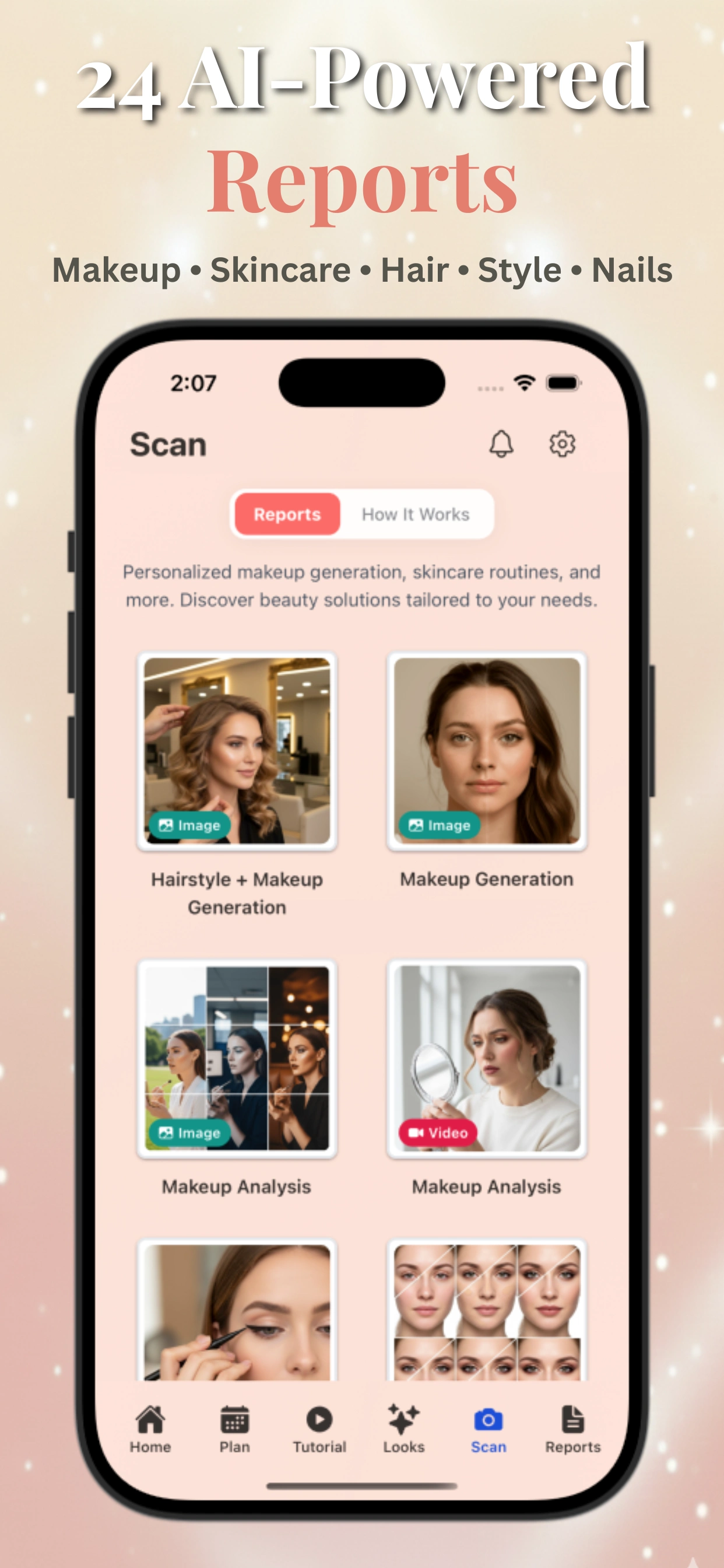
For deeper insights on ingredient analysis, see AI cosmetic ingredient analysis.
2.2 Consumer Behavior Tracking & Personalization
Computer vision matches shades by measuring coverage uniformity and color drift (ΔE). NLP analyzes reviews and social posts to score satisfaction and inclusivity. For more on personalized beauty advice, check personalized makeup tips.
2.3 Automated Quality Control & Claims Validation
Vision systems use time-series photos to track wear-time, cracking, and oxidation. AI verifies claims like “long-wear” or “non-comedogenic” against lab tests and user feedback.
3. The Importance of Metrics in Ensuring Transparency
Metrics are the proof behind every transparency claim. Ingredient-sourcing scores, safety-verification rates, formula fairness ratios, and sustainability indices turn complex data into clear dashboards. Brands use these insights to reformulate products, adjust claims, and switch suppliers.
4. Real-World Applications and Case Studies
4.1 Ingredient-Scanning Platforms
These tools parse full INCI lists, flag allergens, and compute ingredient-clarity scores for R&D and compliance teams.
4.2 Virtual Shade-Matching & Skin-Analysis Systems
Computer-vision engines report accuracy and fairness across diverse skin tones, improving shade-matching satisfaction by 30% and reducing returns by 25%.
4.3 Transparency Dashboards for Brands
Centralized KPI dashboards display performance, fairness, explainability, safety, and sustainability metrics. Outcomes include fewer formulation errors and faster product launches.
5. Challenges and Considerations
Key risks include data privacy (selfie images), bias & accuracy limits, model drift, over-automation, and the need for human oversight and independent audits to document AI limitations.
6. Future Trends and Innovations
Expect standardized transparency labels, personalized consumer dashboards, blockchain-backed provenance, richer multimodal AI tracking, and regulatory integration under frameworks like the EU AI Act.
Conclusion
Integrating transparent makeup with AI metrics transforms vague beauty claims into auditable data on ingredients, safety, fairness, and performance. For consumers, this means safer, more inclusive products and clearer information. For brands, it inspires stronger trust, regulatory readiness, and market differentiation. Dive deeper into how ethics and transparency shape confidence at Trust in Beauty Tech Transparency.
FAQ
- What are AI metrics in makeup? Quantitative measures—like accuracy, fairness, and sustainability scores—that validate product claims.
- Why is ingredient transparency important? It ensures consumers know what they apply, reducing risks and building trust.
- How do AI tools match shades? By analyzing color drift (ΔE) and coverage uniformity with computer vision.
- What challenges accompany AI in beauty? Privacy concerns, potential bias, model drift, and the need for oversight.
- What’s next for transparent makeup? Blockchain provenance, standardized labels, personalized dashboards, and tighter regulations.