Transparent Makeup AI Metrics: Revolutionizing Ingredient Transparency
Transparent makeup AI metrics are setting new standards for ethical disclosure and safety in cosmetics, empowering consumers and enhancing brand credibility.

Estimated reading time: 7 minutes
Key Takeaways
- Machine-learning scores objectively quantify ingredient transparency, ethical sourcing, safety, and compliance.
- Transparent makeup goes beyond basic labeling by fully disclosing ingredients and supply-chain details.
- AI integration analyzes formulations, predicts performance, and generates actionable insights.
- Consumer trust increases through data-backed scores that reduce hidden allergens and greenwashing.
- Future trends include blockchain, dynamic alerts, QR code packaging, and personalized apps.
Table of Contents
- Introduction
- What Is Transparent Makeup?
- The Role of AI in Beauty and Makeup
- Understanding AI Metrics in the Makeup Industry
- How Transparent Makeup AI Metrics Improve Consumer Trust
- Future Trends and Implications for Transparent Makeup AI Metrics
- Conclusion
Introduction
Transparent makeup AI metrics are reshaping how we choose and trust cosmetics. At their core, these metrics are AI-driven evaluations that quantify cosmetic transparency via objective scores on ingredient disclosure, ethical sourcing, safety, and regulatory compliance.
"Brands and consumers alike benefit when product claims rest on data, not marketing hype."
What Is Transparent Makeup? (transparent makeup)
Definition
- Full ingredient disclosure, not hiding small-dose actives behind “fragrance” or generic labels.
- Ethical sourcing of raw materials.
- Clear labeling practices beyond the FDA’s descending-order list requirement.
Consumer Drivers
- Allergen avoidance (parabens, phthalates, sulfates).
- Guarding against greenwashing and hidden chemicals.
- Verifying sustainability in ingredients like palm oil derivatives.
- Healthier skin outcomes and environmental responsibility.
Industry Scope
- Manufacturing processes (where and how products are made).
- Business ethics and labor conditions (fair wages, no child labor).
- Supply-chain details (traceability of raw materials).
Real-World Examples
- Brands list certified supplier names for key ingredients.
- Eco-friendly production data, such as water usage and energy sources.
- Concentration disclosure for actives (e.g., 2% hyaluronic acid).
The Role of AI in Beauty and Makeup (AI)
Artificial intelligence is transforming cosmetics by:
- Analyzing complex formulations.
- Predicting product performance.
- Generating data-driven insights for safer, more effective makeup.
Data Inputs for AI Models
- Regulatory lists (FDA, EU CosIng).
- Safety databases (CosIng, Cosmetic Ingredient Review).
- Supplier certificates and audit reports.
- INCI dictionaries and standardized ingredient nomenclature.
Defining AI Metrics
- Completeness of ingredient lists (e.g., no hidden chemicals).
- Ethics in sourcing (fair labor, no deforestation).
- Safety profiles (allergen flags, irritant warnings).
- Regulatory compliance (global legal standards).
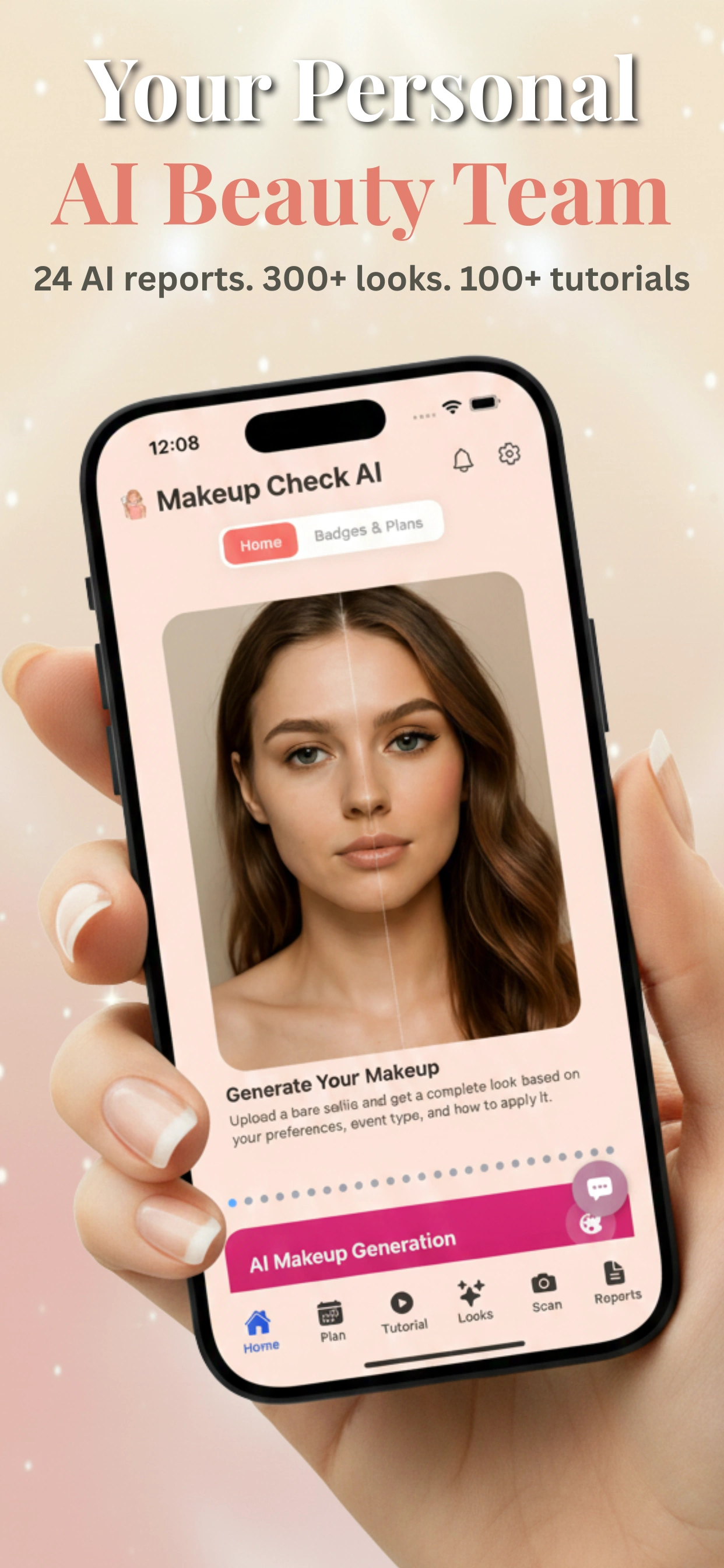
AI metrics replace vague marketing with quantifiable, data-backed claims. Tools like Makeup Check AI integrate these scores into user-friendly reports and alerts.
Understanding AI Metrics in the Makeup Industry (ai metrics)
Machine learning trains on vast ingredient and supply-chain datasets to produce objective scores:
- Disclosure depth: Tracks number of certified suppliers disclosed versus omitted.
- Ingredient quality: Flags compliance issues from safety databases.
Common Metrics Detailed
- Accuracy in Shade Matching – Uses spectral data and pattern recognition to ensure foundation and concealer closely match skin tones.
- Consumer Feedback Analysis – Employs natural language processing (NLP) to scan online reviews, detecting satisfaction trends, safety concerns, and performance themes.
- Product Performance Ratings – Compares claimed benefits against lab or user-generated data, assigning efficacy scores based on actual ingredient concentrations and study results.
Standardized AI scores expose flaws such as incomplete supply-chain links or non-compliant formulas, compelling brands to back claims with verifiable data.
How Transparent Makeup AI Metrics Improve Consumer Trust (transparent makeup ai metrics)
Unbiased AI scores on safety, ethics, and compliance help consumers by:
- Reducing exposure to hidden allergens.
- Countering greenwashing with objective data.
- Building confidence in product safety and sourcing.
Case Study: Ethical Sourcing Score
- AI flags non-sustainable palm oil sources in a foundation.
- Brand reformulates using certified RSPO palm derivatives.
- New Ethical Sourcing Score: 95/100 appears on packaging and in apps.
- Outcome: Consumer purchase intent increases by a hypothetical 25%.
Challenges & Limitations
- Complex supply chains where suppliers withhold data.
- High costs associated with audits and AI model maintenance.
- Brand reluctance to reveal proprietary formulas and flaws.
Mitigation via AI
- AI standardization and consumer-facing apps make transparency scalable.
- Even small brands can showcase their scores, leveling the playing field.
Future Trends and Implications for Transparent Makeup AI Metrics (transparent makeup ai metrics)
- Blockchain Integration – Real-time, tamper-proof supply-chain tracking with AI metrics tied to records.
- Dynamic Allergen Alerts – Instant updates when safety databases flag new irritants, with push notifications to consumers.
- QR Code Packaging – QR codes link to live AI scores, supplier maps, and audit certificates.
- Personalized Beauty Apps – Apps use profiles (allergies, preferences) to highlight safe products and adapt recommendations.
The beauty industry is poised for regulations mandating transparency scores, and AI-driven forecasting will help brands design safer products from inception.
Conclusion (transparent makeup ai metrics)
Transparent makeup AI metrics merge ethical disclosure with machine-learning scoring to set a new standard for safety, ethics, and regulatory compliance in cosmetics. These data-driven measurements empower consumers to avoid allergens, detect greenwashing, and choose brands they can trust.
Consumer Empowerment
- Access to real-time scores helps buyers make safer, more informed decisions.
- Personalized apps guide users based on individual needs.
Brand Accountability
- Public scores push companies to reveal ingredient sources and ethical practices.
- Transparency becomes a competitive advantage in a crowded market.
Explore AI-powered beauty apps, prioritize brands with high transparency scores, and advocate for industry-wide adoption of transparent makeup AI metrics to build a healthier, more honest beauty world.
FAQ
- What are transparent makeup AI metrics?
They are objective scores generated by machine-learning algorithms that evaluate cosmetics based on ingredient disclosure, ethical sourcing, safety, and regulatory compliance. - How can consumers access these AI scores?
Many beauty apps and product packages include QR codes or integrated reports from platforms like Makeup Check AI, providing real-time metrics and alerts. - Are these metrics reliable?
Yes, they leverage standardized databases, supplier certifications, and natural language processing to ensure accurate and unbiased evaluations.