Transparent Makeup AI Metrics: The Ultimate Guide to Ingredient Transparency & AI Accountability
Explore transparent makeup AI metrics to ensure ingredient transparency and AI accountability, boosting consumer trust and product innovation with verifiable data.


Estimated reading time: 8 minutes
Key Takeaways
- Transparent makeup AI metrics empower consumers with verifiable safety data and help brands ensure ethical accountability.
- Full ingredient disclosure paired with robust AI metrics builds trust, drives compliance, and accelerates innovation.
- Core AI metrics—accuracy, fairness audits, explainability, and sentiment analysis—drive safer, more inclusive beauty solutions.
- Emerging technologies like blockchain provenance and personalized dashboards will define the future of transparent beauty.
Table of Contents
- Introduction
- Understanding Transparent Makeup
- Overview of AI Metrics
- Intersection of Transparent Makeup and AI Metrics
- Benefits for Consumers and Brands
- Future Trends and Innovations
- Conclusion
Introduction
Transparent makeup AI metrics are data-driven, quantifiable scores that evaluate the fairness, safety, performance, and accountability of both makeup products and the AI systems analyzing or recommending them. By combining full ingredient disclosure with algorithmic responsibility, brands can deliver safer, more inclusive products and gain clear insights into consumer satisfaction and product impact.
Understanding Transparent Makeup
Transparent makeup means full clarity on every ingredient, formulation detail, and sourcing certificate.
- Complete ingredient lists (INCI names, active levels, known allergens; no vague “fragrance blends”).
- Formulation data and safety tests (patch tests, clinical reports).
- Ethical sourcing certificates (provenance, fair-trade audits).
- Sustainability metrics (carbon footprint, water usage).
Clear labels build trust, prevent greenwashing, and ensure skin safety by highlighting potential irritants up front.
- Builds consumer trust and reduces skepticism.
- Backs “natural” and “eco” claims with verifiable data.
- Aligns with FDA (U.S.) and EU cosmetic directives to avoid fines and recalls.
For more on ethical and inclusive beauty tech, see our guide on Ethical Makeup App Practices: A Guide to Transparency, Privacy, and Inclusive Beauty Tech.
Overview of AI Metrics
AI metrics are the quantitative yardsticks that measure an AI system’s accuracy, fairness, explainability, and impact in makeup tech.
- Accuracy: Correct shade matches and ingredient identifications.
- Precision & Recall: Minimizing false positives/negatives in toxicity checks.
- F1-Score: Balancing precision and recall for overall model performance.
- Explainability: Using SHAP or LIME to show which features drive AI decisions.
- Shade Matching Accuracy: Computer vision compares pixel values to true skin tones.
- Ingredient Safety Verification: Cross-referencing supplier lists with toxicity databases.
- Consumer Feedback Analysis: NLP sentiment scoring from reviews and social media.
- Return-Rate Analytics: Tracking product returns to detect formulation or fit issues.
These metrics transform raw data into clear insights, ensuring makeup AI tools are reliable, fair, and transparent for both brands and end users.
Intersection of Transparent Makeup and AI Metrics
At the crossroads of ingredient transparency and AI accountability lie metrics that enforce honest labeling and safe usage.
- Ingredient Verification Rate: Percent match between declared INCI list and lab-detected compounds.
- Safety Indices: Toxicology-based scores from public and proprietary chemical databases.
- Supply-Chain Documentation Completeness: Audit scores for provenance and fair-trade data.
- Algorithmic Fairness Audits: Error-rate gap analysis across skin tones, genders, and age groups.
Concrete Examples
- ΔE Color-Drift Analysis: Tracks shade changes over time to measure product stability.
- NLP Sentiment Analysis: Extracts key phrases on efficacy and irritation from thousands of online reviews.
Benefits for Consumers and Brands
Consumer Benefits
- Safety Ratings: At-a-glance scores highlight potential allergens or irritants.
- Bias-Free Shade Matching: Ensures foundation and concealer work across all skin tones.
- Public Dashboards: Live views of satisfaction scores, ingredient origins, and CSR metrics.
Brand Advantages
- Data-Driven Formulation: Efficacy metrics guide ingredient tweaks for better performance.
- Ethical Audit Logs: Immutable records of provenance for compliance and PR.
- Enhanced Credibility: Transparent AI metrics build brand trust and loyalty.
- Lower Return Rates: Insights from return-rate analytics refine fit, formula, and claims.
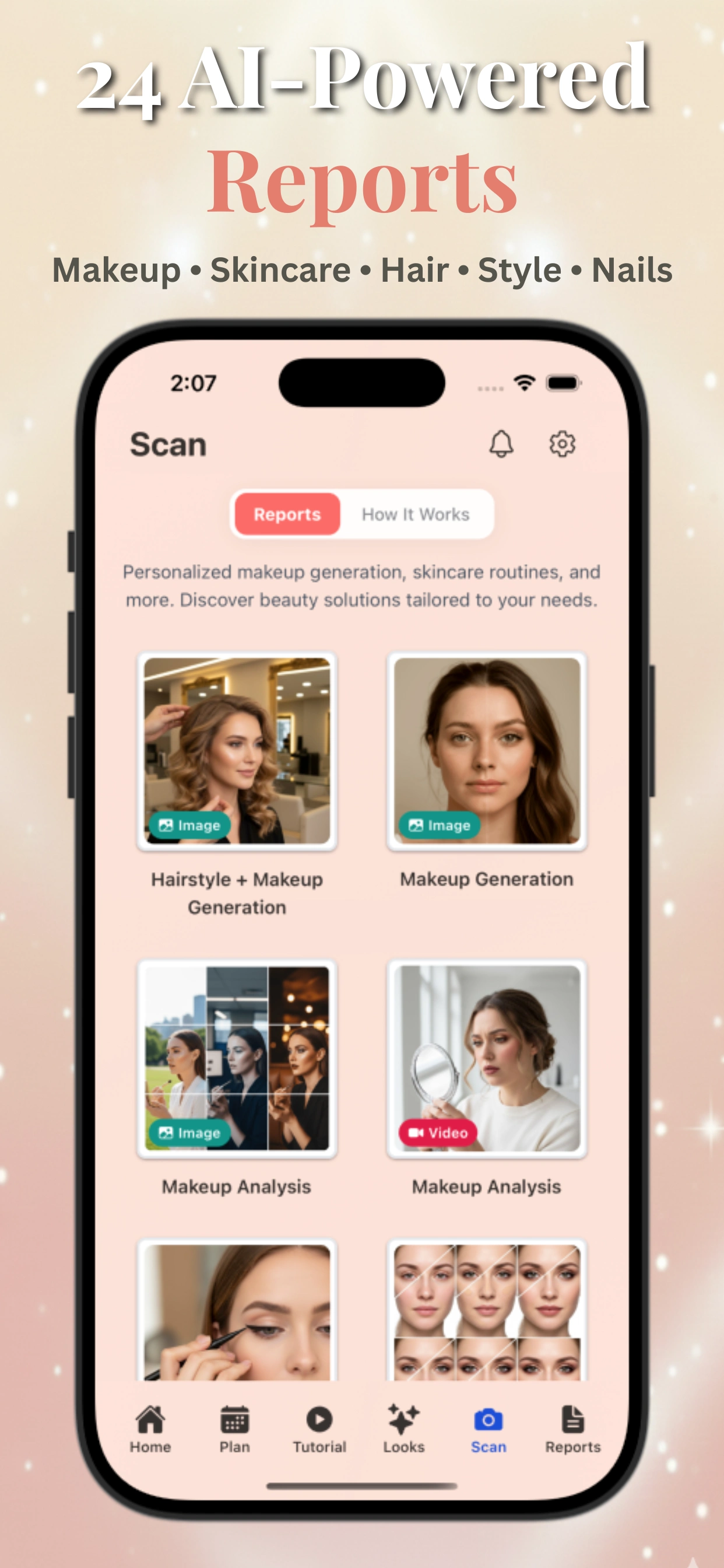
Learn more in our post Building Trust in Beauty Tech: Why Transparency and Ethics Matter.
Future Trends and Innovations
- Personalized Transparency Dashboards: Consumers see their own safety and sustainability metrics per product.
- Blockchain Ingredient Provenance: Tamper-proof records from farm to factory.
- Standard AI-Metric Labels: QR codes on packaging linking to live performance and fairness scores.
- Real-Time Drift Detection: Instant alerts for shade stability issues in warehouses or retail settings.
- Integrated Sustainability Metrics: Lifecycle emissions, water usage, and recyclability scores combined with AI metrics.
Conclusion
Transparent makeup AI metrics merge ingredient openness, ethical production, and algorithmic accountability into clear, actionable scores covering performance, fairness, safety, and sentiment. By adopting these metrics, brands boost consumer trust, accelerate product innovation, and ensure compliance with global regulations. Consumers gain safe, inclusive, and sustainable beauty solutions backed by verifiable data.
- FDA AI/ML Discussion Paper: US-FDA AI/ML Discussion Paper
See how AI Makeup App helps you monitor ingredient transparency and algorithmic fairness in real time.
FAQ
- What are transparent makeup AI metrics?
They are data-driven scores that evaluate product safety, fairness, and performance by combining full ingredient disclosure with AI analysis.
- How do brands benefit?
Brands gain consumer trust, ensure regulatory compliance, and drive innovation through data-backed insights.
- Can consumers access these metrics?
Yes. Public dashboards and QR-coded labels provide live views of safety ratings, sustainability scores, and fairness audits.
- What future trends should I watch?
Look for blockchain provenance, personalized transparency dashboards, and real-time AI metric labels on packaging.