How Transparent Makeup AI Metrics Are Redefining Beauty Transparency
Explore how transparent makeup AI metrics are transforming the beauty industry by enhancing ingredient transparency, fostering trust, and driving innovation.

Estimated reading time: 7 minutes
Key Takeaways
- Definition: Transparent makeup AI metrics combine clear ingredient disclosure with AI-driven measures of performance, bias, and explainability.
- Industry impact: Brands can use these metrics to verify ingredient sourcing, ethical claims, and model fairness.
- Consumer benefits: Users gain clarity through AI-powered transparency dashboards, fairness audits, and explainable recommendations.
- Future outlook: Expect standardized transparency frameworks, hyper-personalized audits, and strengthened governance in beauty AI.
Table of Contents
- Defining Key Terms
- Role of Transparency in the Makeup Industry
- How AI Is Transforming the Makeup Industry
- The Intersection: Transparent Makeup AI Metrics
- Benefits for Consumers and Brands
- Future Trends and Implications
- Conclusion
- FAQ
Defining Key Terms
- Transparent makeup
• Full, verifiable disclosure of:
– Ingredient lists with INCI names and their functions
– Sourcing details including origin, sustainability credentials, and labor practices
– Safety and ethical claims such as cruelty-free, vegan status, and carbon footprint - AI metrics
• Quantitative measures generated or evaluated by AI systems, including:
– Model performance: accuracy, precision, recall, F1-score
– Fairness and bias checks across demographics
– Explainability scores that show how understandable AI decisions are
– Real-world impact metrics: user trust, satisfaction, error rates - Transparent makeup AI metrics
• The synergy of transparent makeup and AI metrics: AI-driven, clearly documented measures that prove and improve a brand’s cosmetic transparency
• AI tracks ingredient disclosure, sourcing veracity, and ethical claims while measuring algorithm accuracy, bias, and explainability.
This aligns with our post on Building Trust in Beauty Tech where transparency is spotlighted.
Role of Transparency in the Makeup Industry
- Why transparency in makeup is critical today
• Consumers scrutinize ingredients for health and environmental impact
• Demand for honest labeling to avoid greenwashing or “clean-washing” - Key transparency dimensions
• Product labeling: complete INCI lists, allergen warnings, proof for marketing claims
• Ingredient sourcing: traceability from farm to factory, eco-credentials, fair labor standards
• Ethical marketing: cruelty-free certifications, vegan seals, inclusivity in shade ranges - Consumer trend stat
• Ingredient-literate shoppers have grown by 67% in the past two years, seeking third-party validation and data-backed labels. ingredient-literate shoppers statistic
How AI Is Transforming the Makeup Industry
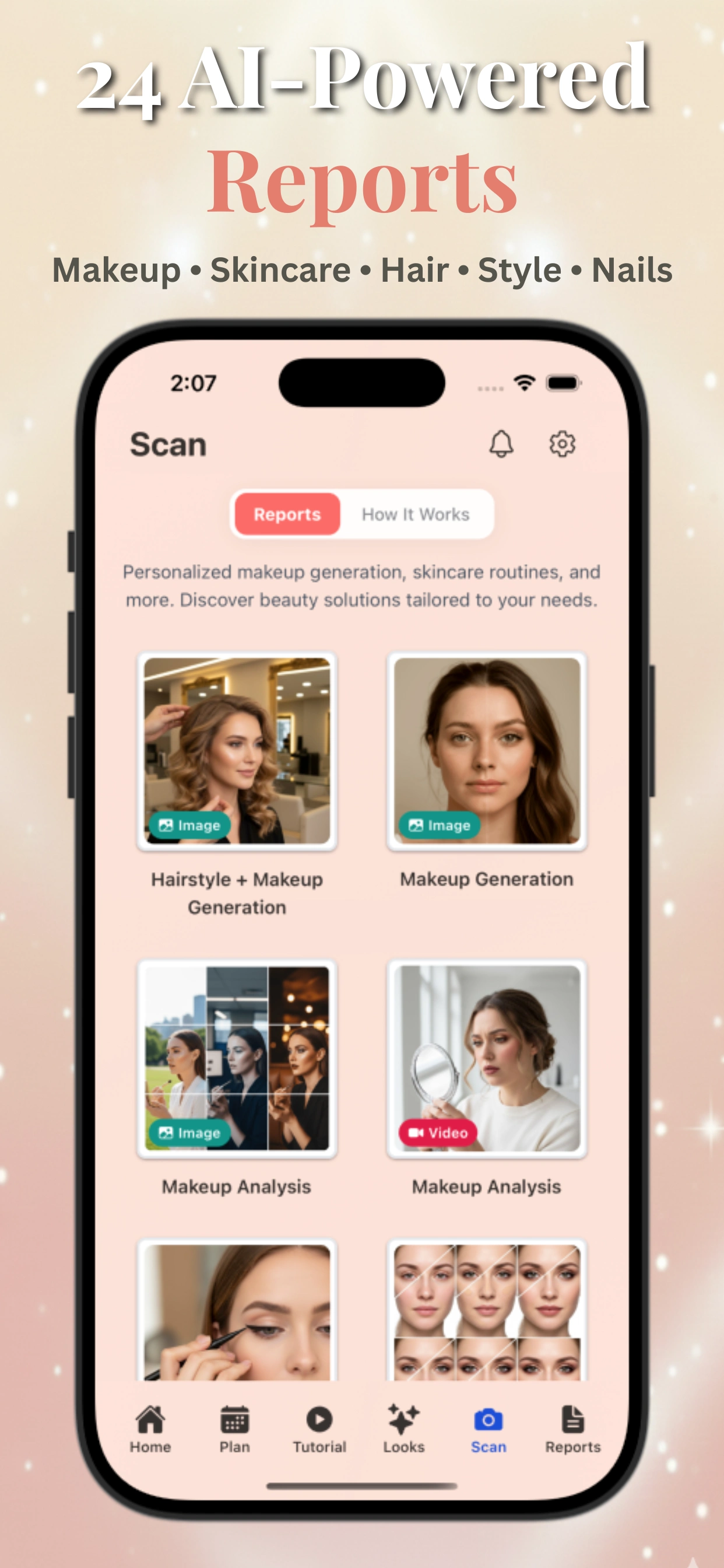
Data gathering & analysis includes skin-condition scanning for acne, wrinkles, pigmentation using image-recognition and computer-vision models.
- Virtual try-on technology with facial landmark detection to map shades and textures. LooksMaxx AI beauty standard analysis
- Big-data trend-spotting to identify shade gaps, emerging finishes, and consumer preferences. LooksMaxx trend analysis
- Key AI metrics in cosmetics: consumer behavior analysis, product performance measurement, market-forecast models predicting which claims will rise in popularity.
- Guardrail metrics for quality control: accuracy checks, fairness metrics, explainability scores.
For a deeper look at traditional vs AI-driven analysis, check traditional vs AI-driven analysis.
The Intersection: Transparent Makeup AI Metrics
- Verifying product transparency with AI:
• Automated ingredient-database scans flag undisclosed or regulated components, measuring disclosure rates.
• Provenance tracking metrics that record origin and validation of sourcing data, from farm to bottle. - Fairness audits:
• AI fairness metrics ensure shade-matching and skin analysis perform equally across diverse demographics. - Explainability dashboards:
• Tools like SHAP and LIME reveal which ingredients or skin features drove each recommendation, boosting user confidence. - Real-world case study:
• Brand X’s in-app skin scanner shows hydration, redness, and pigmentation scores alongside matched products, with full disclosure of algorithmic logic.
• Supply-chain AI tool reports “% of ethically sourced ingredients” in real time, updating traceability metrics.
Benefits for Consumers and Brands
For Consumers:
- Clear, AI-powered transparency dashboards summarizing ingredient safety, sourcing ethics, and performance evidence, reducing confusion.
- More equitable makeup experiences via fairness-audited AI models tested across skin tones and features.
- Increased trust through explainable AI and verifiable metrics that let users see “why” behind every recommendation.
For Brands:
- Differentiation and ethical leadership by publishing open AI metrics that prove product claims and algorithm fairness.
- Data-driven product R&D: real-time performance metrics guide formula tweaks, shade expansions, and new ingredient trials.
- Simplified regulatory compliance with documented AI and data metrics ready for emerging AI regulations and privacy audits.
Future Trends and Implications
- Standardized AI-transparency frameworks for beauty, with performance, fairness, and explainability indices that everyone can compare.
- Integration of ethical-transparency scores (privacy, consent, carbon footprint) into consumer-facing labels, making data legible at a glance.
- Hyper-personalized, auditable beauty routines: AI adapts products to live skin data, with clear logs showing metric changes over time.
- Strengthened industry governance: cross-sector benchmarks and guardrail metrics ensure safety, fairness, and accountability in all beauty AI systems.
Conclusion
Transparent makeup AI metrics unite open product data and explainable AI to boost trust and innovation in beauty. By combining full ingredient disclosure, sourcing veracity, and robust AI performance measures, consumers gain clarity and brands gain a competitive edge. Continued transparency in algorithms and product data will shape the future of a more ethical, effective, and inclusive beauty industry.
Call to action: Examine your favorite brands’ ingredient disclosures and AI practices today. Demand clear, data-backed metrics that prove what’s on the label—and why it matters.
FAQ
- What are transparent makeup AI metrics?
Transparent makeup AI metrics are clear, AI-driven measurements that reveal product contents, sourcing details, algorithm performance, fairness, and explainability in cosmetics. - How do these metrics benefit consumers?
Consumers gain insight into ingredient safety, ethical sourcing, and unbiased recommendations, reducing confusion and building trust. - Why should brands adopt transparent AI metrics?
Brands can differentiate themselves through ethical leadership, streamline R&D with real-time data, and simplify compliance with upcoming AI regulations. - What technologies enable transparency dashboards?
Explainability tools like SHAP and LIME, fairness-audit frameworks, provenance-tracking systems, and consumer-facing AI apps power transparency dashboards. - What future trends will shape beauty transparency?
Expect standardized AI-transparency frameworks, ethical-transparency labels, hyper-personalized routines, and stronger governance across the industry.