Transparent Makeup AI Metrics: Building Trust in Beauty
Explore how transparent makeup AI metrics revolutionize beauty brands by providing data-driven proof for ingredient safety, formula origins, and performance.

Estimated reading time: 8 minutes
Key Takeaways
- Transparent AI metrics empower brands to validate beauty claims with data on safety, sourcing, and performance.
- AI-driven indicators offer ingredient scores, skin-analysis results, and sustainability footprints in real time.
- Consumer trust grows when formula origins, risk assessments, and campaign analytics are openly shared.
- Challenges include data privacy, algorithmic bias, and potential greenwashing without rigorous audits.
- Future outlook points to real-time wear analytics, fully traceable supply chains, and explainable recommendations.
Table of Contents
- Understanding Transparent Makeup
- Role of AI Metrics in the Makeup Industry
- Integration of Transparency and AI Metrics
- Challenges and Considerations
- Future Outlook for Transparent Makeup AI Metrics
- Conclusion
- FAQ
Understanding Transparent Makeup
Definition: Transparent makeup offers radical visibility into formulations, from full ingredient lists and concentrations to ethical sourcing and sustainability claims.
Significance:
- Ethical marketing: Verifiable metrics combat greenwashing and false claims.
- Consumer confidence: Data-backed scores inform safer, more effective choices.
Industry trends include Gen Z demands for authenticity, digital tools for ingredient literacy, ESG reporting pressure, and new global traceability regulations.
Role of AI Metrics in the Makeup Industry
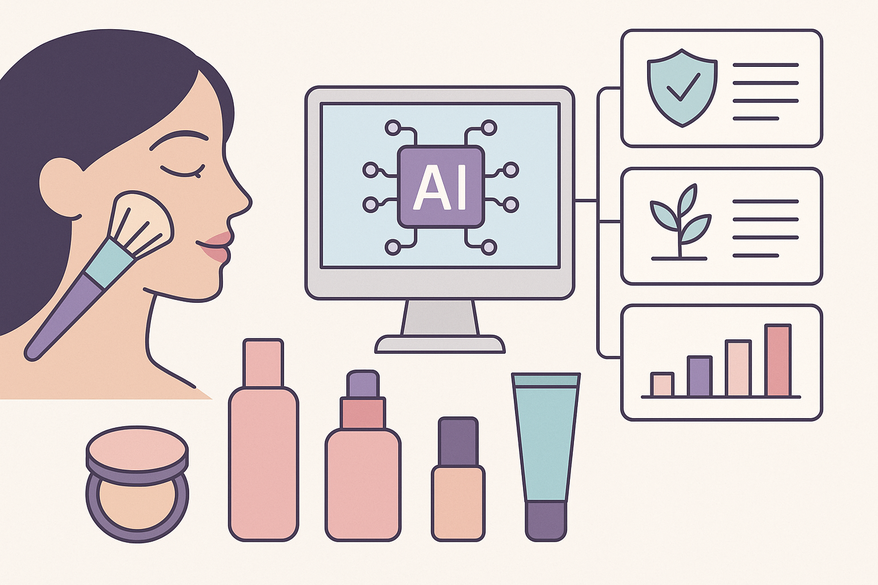
AI metrics are quantifiable indicators generated by machine learning to evaluate products and processes across cosmetics. They fall into three categories:
- Product & Ingredient Metrics: Safety scores, transparency indices, and sustainability footprints.
- Skin & Performance Metrics: Computer-vision analysis of hydration, wrinkles, and finish longevity.
- Consumer & Business Metrics: Personalization ratings, campaign ROI like Media Impact Value®, and virtual try-on engagement.
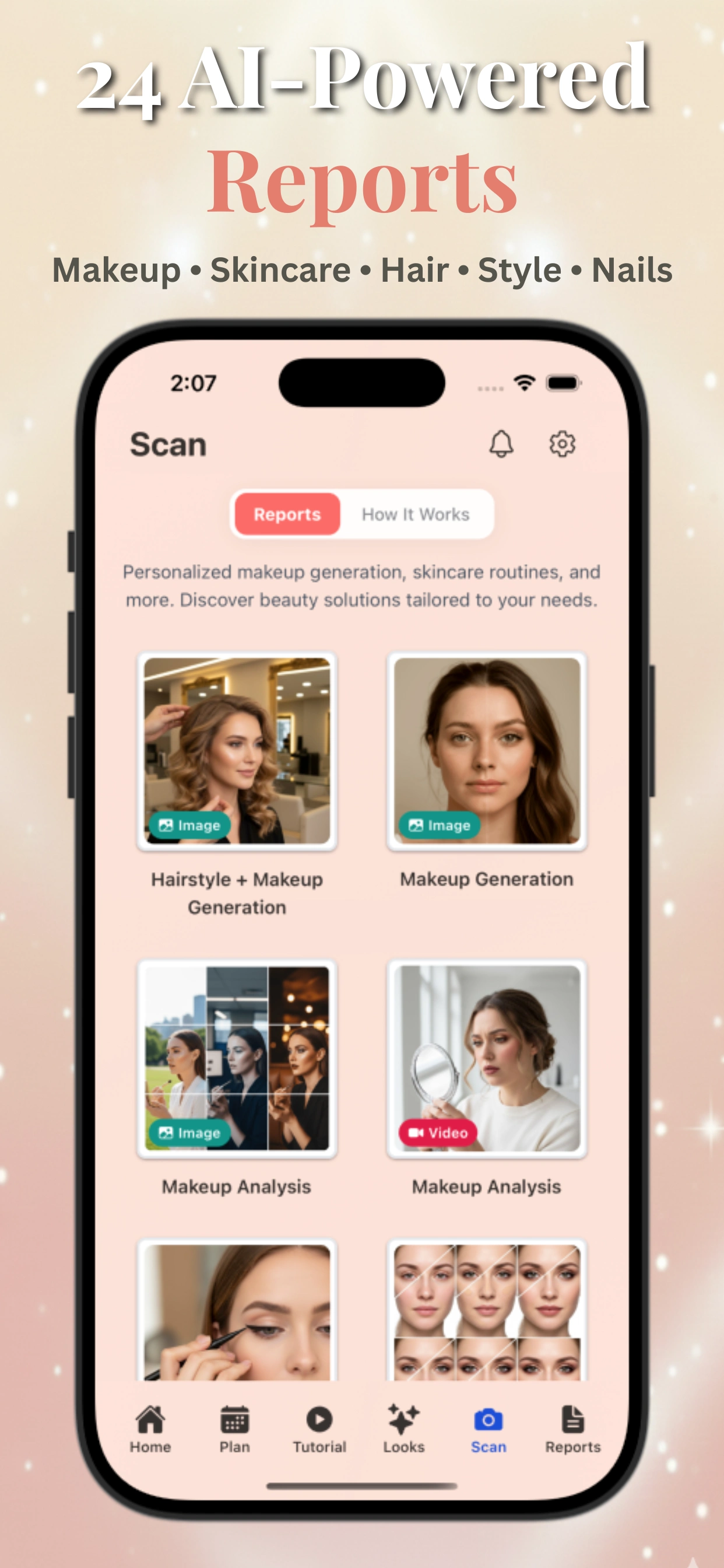
Makeup Check AI leverages these metrics to deliver intuitive ingredient scores and real-world performance visualizations.
Integration of Transparency and AI Metrics
Product Development & Safety: AI screens ingredients against safety databases, publishes risk thresholds, and documents model logic for auditability.
Supply Chain & Sustainability: Dashboards showcase ethically sourced, cruelty-free, and low-impact ingredient percentages.
Marketing & Consumer Experience: Virtual try-ons predict coverage and wear time, with open reporting of engagement metrics and MIV®.
Challenges and Considerations
Data Privacy & Consent: Facial images and behavior data require explicit consent, anonymization, and clear policies.
Algorithmic Bias: Diverse datasets and fairness audits are essential to avoid performance gaps across skin tones.
Model Opacity: Explainability tools like SHAP and LIME make deep learning decisions transparent.
Data Quality & Greenwashing: Independent audits prevent cherry-picked claims and ensure full data disclosure.
Regulatory Risk: Aligning with emerging AI ethics frameworks and citing data sources mitigates scrutiny.
Solutions: Privacy-by-design, fairness-aware ML, transparent reporting, and third-party verification.
Future Outlook for Transparent Makeup AI Metrics
Real-time Analytics: Wearable sensors and advanced vision systems will monitor makeup performance throughout the day.
Traceable Supply Chains: AI, IoT, and digital ledgers will validate fair-trade and deforestation-free claims publicly.
Explainable Recommendations: Future advisors will justify product suggestions based on specific skin data and sustainability goals.
Adaptive Beauty Metrics: Cultural and localized scoring standards will respect diverse aesthetics with clear evaluation criteria.
- AI-verified “clean” labels with live metrics.
- Interactive dashboards on product pages.
- Voice/chat AI advisors that reveal underlying data.
Conclusion
Transparent makeup AI metrics transform beauty claims into verifiable insights, spanning safety, ethics, performance, and sentiment. By prioritizing accuracy, fairness, and explainability, brands not only meet regulatory demands but also earn unwavering consumer trust. Embrace these data-driven metrics today to showcase your commitment to honest, safe, and sustainable beauty.
FAQ
- What are transparent makeup AI metrics?
- They are data-driven scores generated by AI to assess ingredient safety, environmental impact, and product performance.
- How do brands implement these metrics?
- By integrating AI tools that screen ingredients, analyze skin data, track supply chains, and report results openly.
- What challenges must be addressed?
- Key concerns include user privacy, algorithmic bias, data quality, and maintaining transparent audits.
- What future trends should consumers watch?
- Real-time makeup analytics, fully traceable supply chains, explainable AI recommendations, and culturally adaptive metrics.