Transparent Makeup AI Metrics: Building Trust in Beauty Tech
Explore how transparent makeup AI metrics foster trust, compliance, and innovation in beauty tech, ensuring consumers understand AI-driven decisions.


Estimated reading time: 8 minutes
Key Takeaways
- Consumer trust hinges on visible, explainable AI performance.
- Clear definitions guide consistent reporting and audits.
- AI-powered tools—recommendations, AR try-ons, diagnostics—require measurable metrics.
- Separating product & consumer metrics from algorithmic metrics ensures holistic assessment.
- An end-to-end transparency framework drives ethical compliance and innovation.
Table of Contents
- Introduction
- Key Definitions for Transparent Makeup AI Metrics
- How Makeup AI Is Transforming Beauty
- Breaking Down AI Metrics and Makeup Performance Indicators
- Why Transparent Makeup AI Metrics Matter
- Building an End-to-End Framework for Transparency
- Implementing Best Practices & Looking Ahead
- Taking Transparency Forward
Section 1: Introduction
In an era where beauty tech shapes our shopping and skincare routines, transparent makeup AI metrics are essential. Transparent makeup AI metrics is a framework for using AI in beauty that is measurable, explainable, and openly reported so consumers, regulators, and brands can clearly see how AI-driven decisions are made and how well they work. As makeup AI tools analyze your skin tone, recommend products, and simulate looks, clear AI metrics become the backbone of consumer trust, regulatory compliance, and efficient R&D.
Why transparency in AI-driven beauty tools matters:
- Consumer trust: Users, especially Gen Z, demand to know how shade-matching and skin-analysis models perform and whether they work for all skin tones.
- Regulatory momentum: Laws like the EU AI Act push for traceable, auditable AI systems.
- R&D efficiency: Brands with open metrics can pinpoint gaps faster, reduce returns, and refine formulas.
For deeper insight into ethics and transparency in beauty tech, see transparency in beauty tech.
Section 2: Key Definitions for Transparent Makeup AI Metrics
Understanding transparent makeup AI metrics starts with clear definitions:
- Transparent – “Openly auditable information about data inputs, algorithms, metric formulas, and limitations.”
- Makeup – Color and complexion products—foundation, concealer, blush, eye and lip products—and their digital touchpoints (shade matching, virtual try-on).
- AI (Artificial Intelligence) – Machine-learning and computer-vision models that analyze skin, predict consumer preferences, recommend products, and simulate looks.
- Metrics – Quantitative indicators—accuracy, fairness, explainability, consumer satisfaction, efficacy, inclusivity—used to evaluate AI systems and makeup outcomes.
Why these definitions matter:
- They set the scope for standards and audits.
- They guide how brands document and report performance.
Section 3: How Makeup AI Is Transforming Beauty
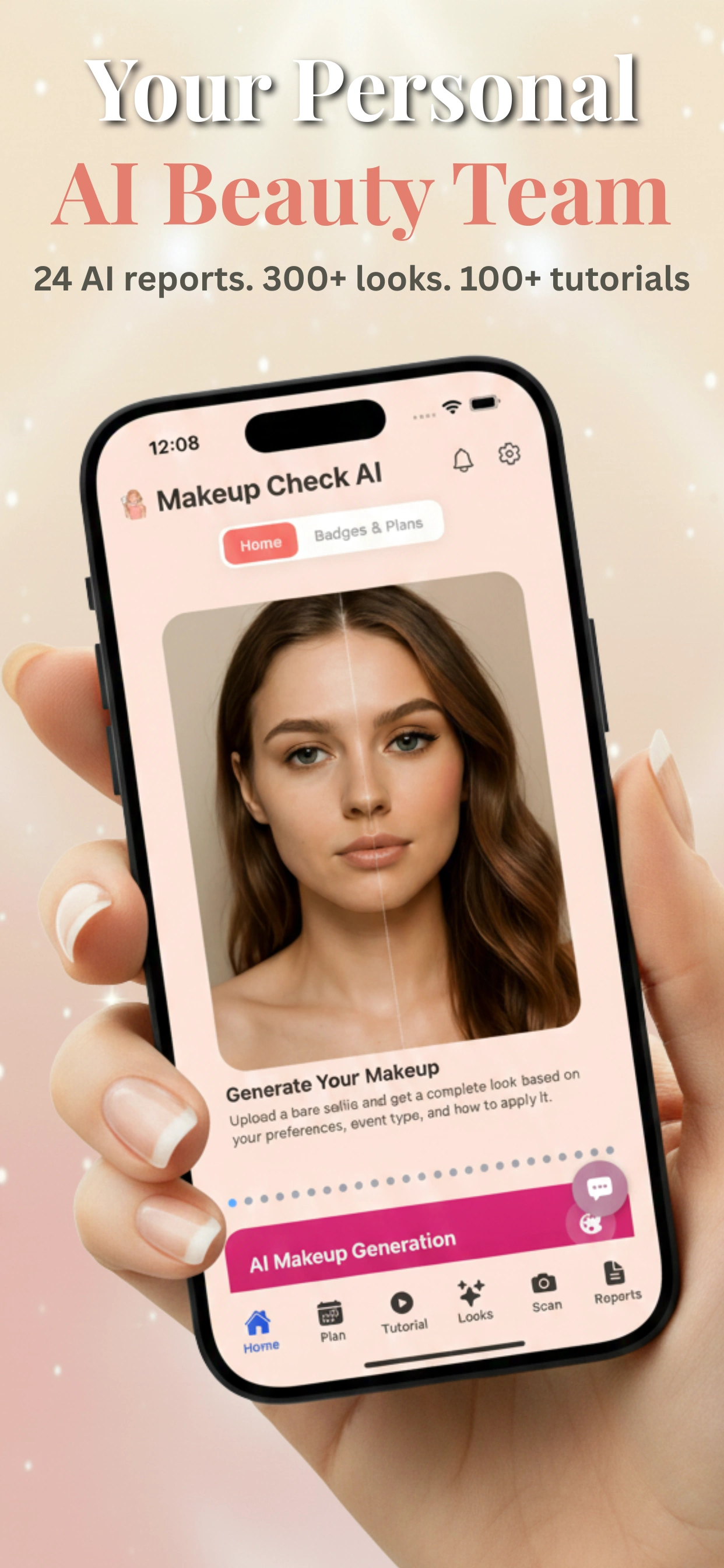
Makeup AI brings data science into every stage of the beauty journey. Transparent makeup AI metrics help illustrate real-world impact and build consumer confidence. Tools like Makeup Check AI showcase how metrics visualization can be communicated to users.
3.1 Personalized Product Recommendations
• Skin-analysis algorithms process selfies, questionnaires, and purchase history.
• Outcome: tailored routines, shade suggestions, ingredient picks.
• Benefit: higher conversion, lower return rates.
3.2 Virtual Try-Ons and AR Experiences
• Real-time digital makeup via computer vision tracks facial landmarks.
• Users test lipsticks, eyeshadows, and blush with no physical sample.
• LSI: augmented reality beauty, digital try-before-you-buy.
3.3 Skin Analysis and Diagnostics
• Models detect pores, redness, hyperpigmentation from uploaded images.
• Recommendations include corrective serums, moisturizers, and foundations.
• Benefit: objective skin health tracking and personalized regimen.
3.4 Trend Prediction and Marketing Optimization
• AI scans social media, influencer posts, and media coverage.
• Composite metrics like Media Impact Value® (MIV®) quantify campaign performance.
• Benefit: data-driven content planning and real-time trend response.
Section 4: Breaking Down AI Metrics and Makeup Performance Indicators
Transparent makeup AI metrics split into two main categories:
- Product & Consumer Metrics: NPS, star ratings, repeat purchase rates, return/complaint rates.
- AI & Algorithmic Metrics: Accuracy, Precision, Recall, F1 Score; fairness measures; explainability via SHAP or LIME.
Data collection via A/B tests, diverse user panels, automated app logs, and third-party audits. For a more detailed exploration of AI makeup metrics, see our guide.
Section 5: Why Transparent Makeup AI Metrics Matter
Transparency isn’t optional—it’s essential. Here’s why:
- Data Legitimacy & Quality: Brands disclose data sources, sampling methods, demographic breakdowns.
- Bias and Fairness: Open metrics reveal performance gaps across skin tones and guide mitigation.
- Regulatory & Ethical Expectations: EU AI Act and emerging frameworks require traceability, documentation, audit trails.
Refer to current best practices in ethical AI for beauty apps: ethical AI for beauty apps.
Section 6: Building an End-to-End Framework for Transparency
Integrating transparent makeup AI metrics requires infrastructure, methodologies, and practical tactics:
- Infrastructure: Centralized data platforms, version control, monitoring dashboards.
- Methodologies: Upstream data-quality checks, model-level fairness/explainability tests, downstream impact analysis.
- Tactics: Model cards, explainability toolkits (IBM AIX360, SHAP), scheduled audits, stakeholder dashboards.
Real-world examples include ModiFace-style tools reporting shade-match improvements and brands publishing end-to-end transparency dashboards.
Section 7: Implementing Best Practices & Looking Ahead
7.1 Best Practices:
- Publish clear metric formulas (accuracy, “beauty score”).
- Embed fairness checks and document mitigation.
- Offer consumer-facing transparency via in-app info or QR codes.
- Align with regulations: maintain audit logs and model cards.
- Involve cross-functional teams (dermatologists, ethicists, diverse panels).
7.2 Future Trends:
- Sector-wide transparency indices rating fairness, accuracy, interpretability.
- Real-time cosmetovigilance for continuous safety monitoring.
- Culturally adaptive beauty metrics replacing one-size-fits-all scores.
Section 8: Taking Transparency Forward
Transparent makeup AI metrics build trust, ensure ethical alignment, and drive smarter product and marketing decisions. Brands that embrace clear AI metrics benefit from stronger consumer loyalty, regulatory compliance, and inclusive innovation.
Call to Action:
- Consumers: Ask brands how their AI is trained and what data and metrics they report.
- Industry Professionals: Integrate transparency dashboards and fairness reports into every AI rollout.
- Tech Innovators: Prioritize explainable, auditable AI designed for diverse skin and cultural contexts.
Embrace transparent makeup AI metrics today to lead the next wave of beauty innovation—where technology and trust go hand in hand.
FAQ
- What are transparent makeup AI metrics? Transparent makeup AI metrics are clear, auditable measures—accuracy, fairness, explainability, and consumer satisfaction—that evaluate AI-driven beauty tools from shade matching to virtual try-ons.
- Why is transparency important in beauty tech? Transparency builds user trust, ensures regulatory compliance, uncovers bias across skin tones, and improves R&D efficiency by pinpointing performance gaps.
- How can brands implement transparent metrics? Brands can publish metric formulas, use model cards and explainability toolkits, maintain audit logs, and share dashboards with stakeholders and consumers.
- What does the future hold for AI in beauty? We’ll see sector-wide transparency indices, real-time cosmetovigilance for safety, and culturally adaptive beauty metrics that respect diverse skin and cultural contexts.