Why Transparent Makeup AI Metrics Are Critical for Trust and Innovation
Explore how transparent makeup AI metrics build trust and drive innovation by ensuring product-level transparency and AI performance. Learn about their critical role.

Estimated reading time: 8 minutes
Key Takeaways
- Transparency in AI metrics builds consumer trust by exposing accuracy, fairness, and explainability.
- Clear algorithmic and product-level data—from ingredients to bias audits—prevents hidden safety or fairness risks.
- Standardized metrics and open reports drive innovation, support ethical claims, and prepare brands for evolving AI regulations.
- Real-world examples like dashboards, model cards, and blockchain traceability showcase best practices.
Table of Contents
- Introduction
- Section 1: Understanding the Terminology
- Section 2: The Role of AI in the Makeup Industry
- Section 3: Importance of Transparency
- Section 4: How Metrics Are Developed and Measured
- Section 5: Case Studies & Real-World Examples
- Section 6: Future Trends & Implications
- Conclusion
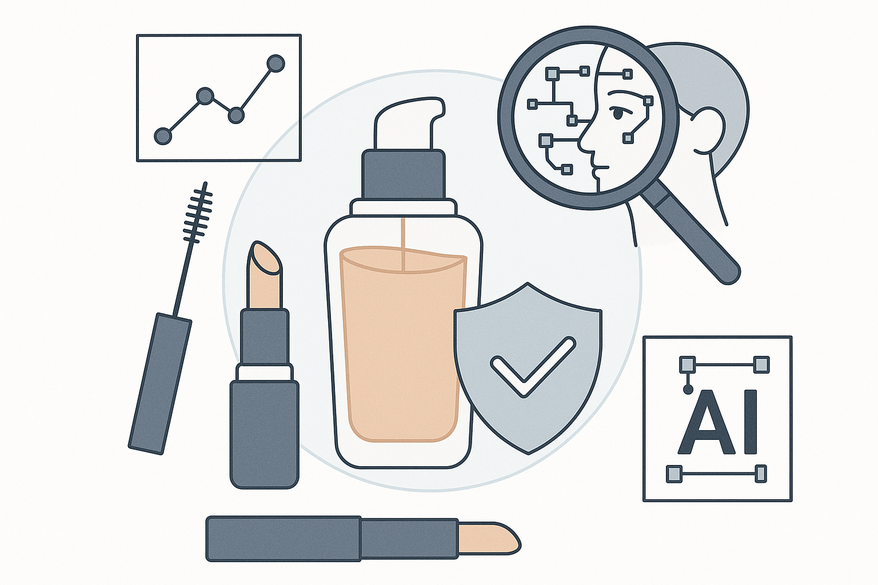
Transparent makeup AI metrics are clear, auditable measures explaining how AI systems in beauty evaluate products, recommend looks, and support marketing claims so that both experts and everyday users can understand the process. In practice, these metrics live at the intersection of product-level transparency and AI performance, fairness, and explainability measures. They detail everything from ingredient lists and safety data to shade-match accuracy, fairness scores, and model reasoning.
Why does transparency matter? Without visible, standardized AI metrics, brands risk eroding consumer trust, hiding bias in shade matching or skin-issue detection, and falling short of emerging regulations. Open metrics expose and correct unfair outcomes, support ethical sourcing claims, and prepare companies for global AI-governance frameworks. For a deeper dive into trust and ethics in beauty tech, see Building Trust in Beauty Tech: Why Transparency and Ethics Matter.
AI’s footprint in beauty has grown fast. Today, algorithms power:
- Shade matching and skin analysis tools
- Virtual try-on in AR and VR apps
- Ingredient risk screening in product development
- Personalized routines and product recommendations
By making AI metrics transparent—accuracy rates, disparate-impact ratios, explainability scores—brands can show why a model made a decision and prove it did so fairly and safely. This clarity builds trust, drives innovation, and positions beauty companies for the future.
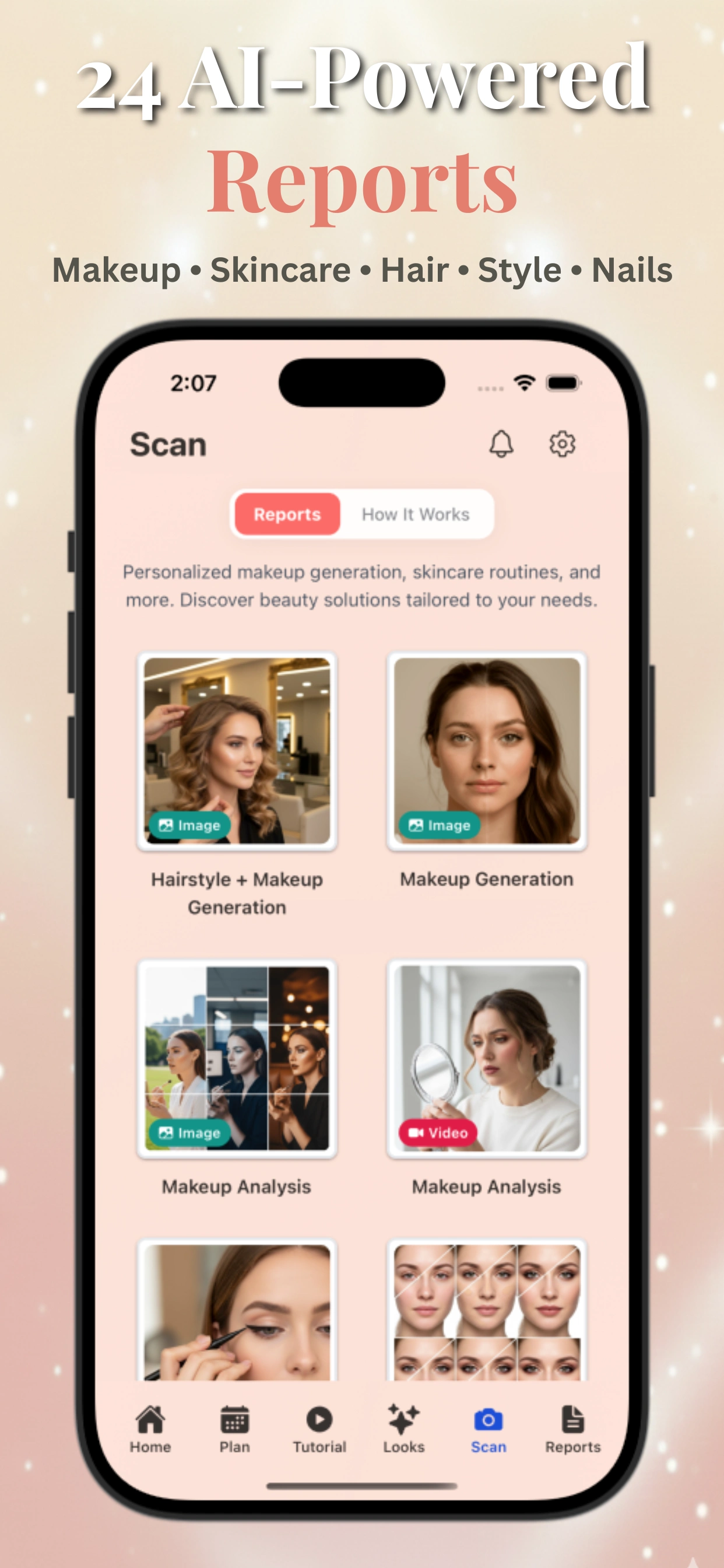
For instance, Makeup Check AI offers a suite of transparent reports, letting users inspect performance, fairness and explanations side by side.
Section 1: Understanding the Terminology
1.1 Transparent Makeup Defined
Transparent makeup entails full visibility across both the product and its AI decision logic, covering:
- Ingredient and product transparency: complete INCI lists, concentrations where allowed, safety data, allergen flags, and region-specific regulatory status.
- Ethical sourcing and sustainability: traceability of raw materials (mica, pigments, palm derivatives), cruelty-free and vegan certifications, labor-practice and environmental-impact metrics.
- Algorithmic transparency: human-readable logic explanations (“we recommend this shade because of your undertone and skin type”), documentation of data sources, known failure cases, and audit logs.
Together, these elements ensure that every claim—from “non-comedogenic” to “AI-powered color match”—is backed by clear evidence and explainable logic.
1.2 AI Metrics in Makeup
AI metrics are quantitative measures that evaluate how well beauty AI systems perform, how fair they are, and how understandable they remain. Key categories include:
- Performance metrics: accuracy, precision, recall, F1 score for tasks like acne detection or hyperpigmentation classification.
- User-centric metrics: satisfaction scores, repeat-purchase and return rates.
- Fairness metrics: disparate-impact ratios comparing outcomes across Fitzpatrick skin types, genders, or age groups.
- Explainability metrics: scores rating how well a model’s reasoning is communicated to non-experts.
Section 2: The Role of AI in the Makeup Industry
2.1 Makeup AI Key Applications
- Product Development & Formulation: AI screens ingredients for safety risks and regulatory non-compliance.
- Personalized Recommendations: selfie-based skin and tone analysis for foundation and skincare suggestions.
- Customer Experience & Marketing: AR/VR virtual try-on experiences for lipsticks, eyeshadows, and foundation.
Brands like The Ordinary publish structured, complete ingredient data that AI search and recommendation systems can easily ingest and verify.
2.2 Technological Advances in Transparency
Recent advances include model cards and data sheets, explainability toolkits like SHAP and LIME, blockchain-style ingredient traceability, and emerging AI-governance regulations.
Section 3: Importance of Transparency
3.1 Benefits for Brands & Consumers
- Builds Trust & Loyalty: open AI metrics resonate with Gen Z’s demand for honesty and inclusivity.
- Improves Quality & Inclusivity: fairness metrics reveal shade gaps and drive broader shade ranges.
- Ethical & Regulatory Alignment: documented tests and traceable data flow support AI governance.
For related best practices, see Ethical Makeup App Practices.
3.2 Risks of Non-Transparency
- Lack of Accountability: hidden bias or safety gaps go undetected until after consumer harm.
- Customer Skepticism: opaque AI claims can trigger public backlash.
- Compliance Exposure: missing audit trails and fairness tests risk regulatory action.
Section 4: How Metrics Are Developed and Measured
4.1 Data Collection & Preparation
- Curate diverse image datasets across Fitzpatrick I–VI, all ages, genders, lighting conditions.
- Record metadata like user consent, timestamp, and processing location for traceability.
4.2 Algorithm Design
Use interpretable models (e.g., decision trees, attention-based vision models) and implement fairness constraints to minimize disparate impact.
4.3 Defining Performance Indicators
- Core metrics: accuracy, precision, recall, F1 score.
- Fairness metrics: disparate-impact ratios, error-rate parity by skin tone.
- User experience metrics: satisfaction ratings, match-acceptance rates, return or complaint frequencies.
4.4 Monitoring & Governance
Implement real-time dashboards segmented by tone, region, and device, and schedule regular audits with documented change logs.
Section 5: Case Studies & Real-World Examples
- Ingredient-Transparent Brands: The Ordinary, Paula’s Choice.
- Public Shade-Match Dashboard: Brand X reports accuracy by Fitzpatrick I–VI.
- AI Beauty Standard Audits: independent platforms publish bias metrics to drive filter redesign.
Section 6: Future Trends & Implications
- Standardized Beauty-AI Transparency Indices.
- Tighter Global AI Regulation (EU AI Act, etc.).
- Rising Consumer Demand for Explainability.
- Integrated explainability in AR/VR try-on apps.
Conclusion
Transparent makeup AI metrics unify product-level transparency (ingredients, sourcing, safety, claims) with model-level performance, fairness, and explainability. They build trust, support regulatory compliance, and foster inclusive innovation, giving consumers clear, accountable reasons to trust AI-driven recommendations. As AI weaves into every step of beauty—from formulation to shade matching and marketing—transparent metrics will shape which brands are seen as credible, ethical, and future-ready.
FAQ
- What are transparent makeup AI metrics? Quantitative measures that reveal how beauty AI systems perform, ensure fairness, and explain their decisions to users.
- Why are they important? They build consumer trust, highlight fairness gaps, support ethical claims, and help brands comply with AI regulations.
- How can brands implement transparency? By publishing model cards, fairness audits, ingredient traceability reports, and real-time dashboards.
- What tools support explainability? Frameworks like SHAP, LIME, and blockchain-based traceability systems help clarify model logic and data provenance.