Transparent Makeup AI Metrics: Transforming Honest Beauty with Data
Transparent makeup AI metrics merge open formulations with data-driven insights, enhancing trust and accountability in beauty products.

Estimated reading time: 8 min
Key Takeaways
- Transparent makeup AI metrics combine open formulations with data-driven evaluation to verify product claims.
- AI metrics leverage image, usage, survey, and operational data to measure performance, safety, fairness, and trust.
- Publishing clear data sources, methods, and results strengthens consumer confidence and brand integrity.
- Consumers should favor brands that openly share their AI tools, metrics, and privacy practices.
Table of Contents
- The Evolution of Makeup Transparency
- Understanding AI Metrics in Cosmetics
- The Intersection of Transparent Makeup and AI Metrics
- Analyzing Ingredient Transparency and Sourcing
- Measuring Product Efficacy in Real-World Conditions
- Tracking Consumer Feedback on Transparency
- Case Studies and Real-World Applications
- AI Skin Analysis in Retail and Apps
- Virtual Try-On and Shade-Matching Platforms
- Benefits and Challenges of AI Metrics for Transparency
- Key Advantages
- Core Challenges
- Future Trends in Transparent Makeup and AI
- Conclusion and Call to Action
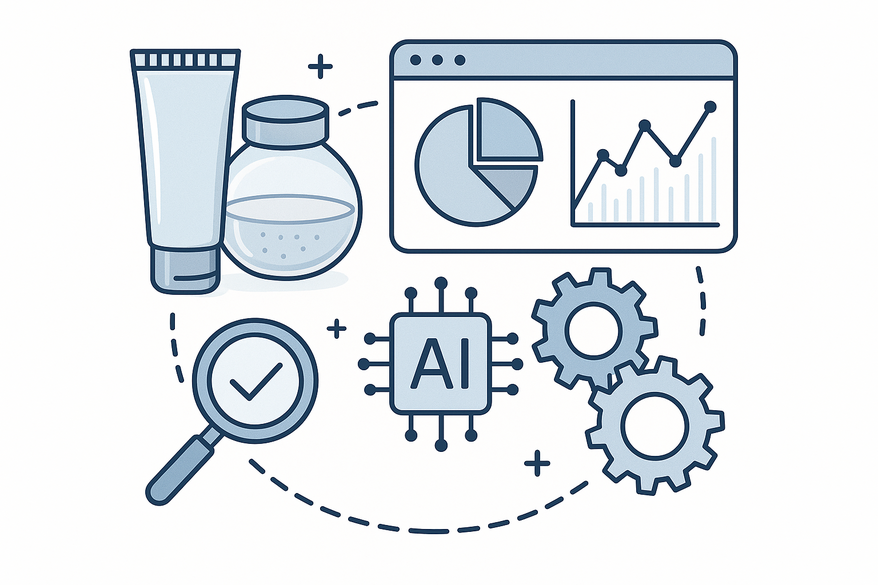
Transparent makeup AI metrics sit at the intersection of ingredient transparency and AI-driven evaluation. “Transparent makeup” refers to products whose ingredients, sourcing, safety testing, and claimed benefits are openly documented. “AI metrics” are quantitative measures produced by machine-learning models using image, usage, survey, and operational data to assess performance, safety, fairness, and trust.
Consumers today demand honesty in cosmetics. They want to know what’s in their lipstick and whether a brand’s “clean,” “cruelty-free,” or “long-wear” claims hold up under scrutiny. AI tools can now turn transparency claims into data-backed evidence—spotlighting ingredient provenance, measuring efficacy on real skin, and tracking fairness across diverse complexions. For more on why transparency and ethics matter in beauty tech, see transparency and ethics in beauty tech.
In one practical example, Makeup Check AI empowers users with 24 AI-powered reports—covering makeup, hair, skincare, and fashion—alongside 100+ tutorials and daily beauty plans with reminders. 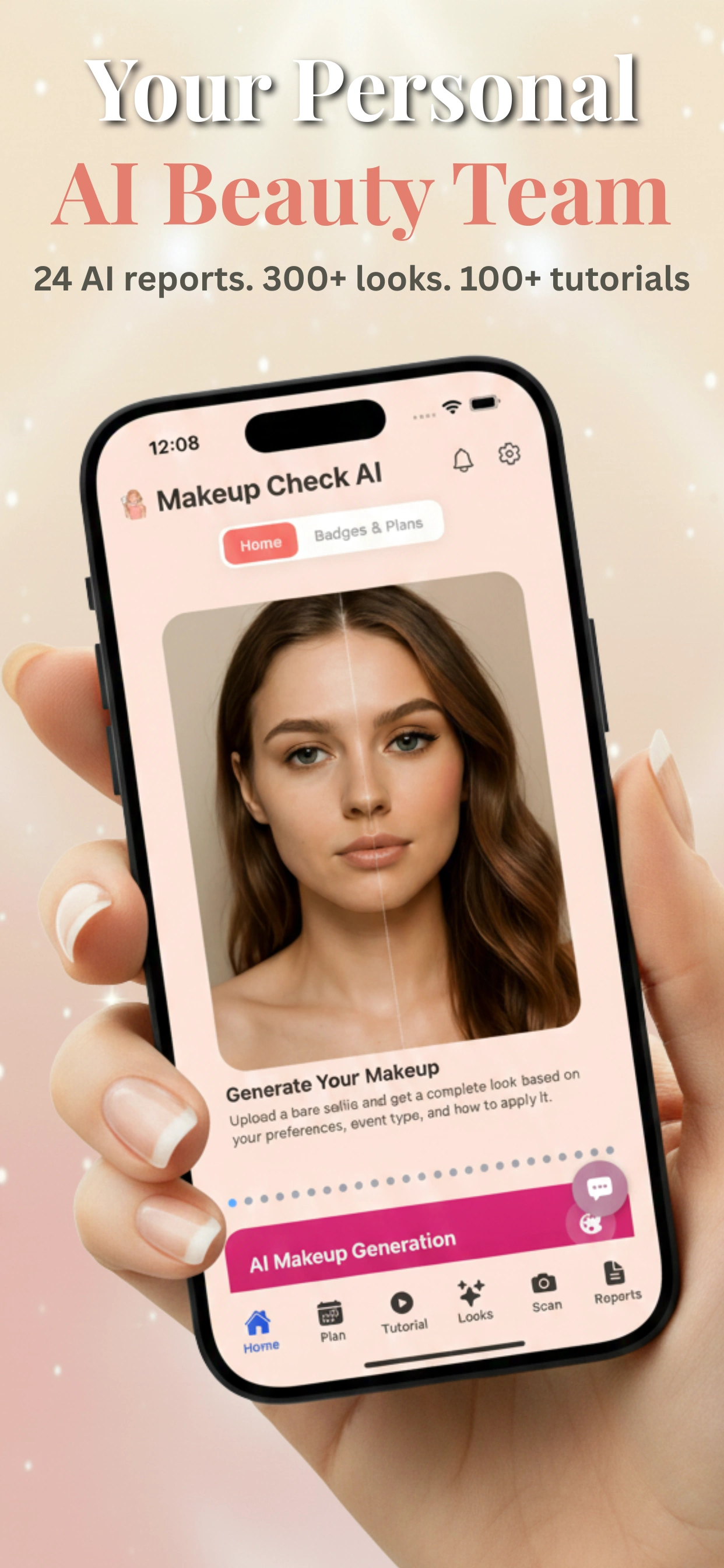
The Evolution of Makeup Transparency
Cosmetics once featured opaque formulations and minimal disclosure. Ingredient lists highlighted only “hero” components without INCI names or full safety data. Milestones in transparency include:
- Display of complete INCI ingredient lists
- Clear labeling of allergens, preservatives, and irritants
- Scrutiny of “clean,” “vegan,” and “cruelty-free” claims
These shifts paved the way for AI to verify claims with data. Brands that publish both ingredient details and AI-derived metrics—such as allergen-flag rates or supplier-certification coverage—turn narratives into evidence. For instance, one global beauty brand showcased AI dashboards tracking 95% ingredient-origin compliance, boosting trust and winning awards.
Understanding AI Metrics in Cosmetics
AI metrics are structured, quantitative measures of model performance and outcomes in beauty products. They draw on diverse data sources:
- Image/video data: skin texture, pores, wrinkles, pigmentation, redness (see AI beauty standard analysis)
- Usage data: virtual try-on behavior, purchase paths, return rates
- Survey data: satisfaction scores, irritation reports, trust ratings
- Operational data: batch quality checks, stability tests, sourcing records
Key metric categories:
- Performance: accuracy and precision (e.g., shade-matching accuracy on first try; source: AI beauty standard analysis)
- Safety: adverse reaction rates by skin type (see cosmetics AI facial skin analysis and privacy tips)
- Fairness: accuracy across diverse skin tones (refer to AI system fairness metrics)
- Trust: user trust scores and explainability ratings (source: AI guardrail metrics)
The Intersection of Transparent Makeup and AI Metrics
Analyzing Ingredient Transparency and Sourcing
AI models parse supplier documents, certification databases, and regulatory filings to verify:
- Ingredient provenance (geography, farming practices)
- Function and safety profiles (INCI functions, toxicity flags)
- Certification validity for “natural” or “organic” claims
An AI system once flagged 12% of products claiming “organic” without verified documentation, prompting label corrections. For more on this, see transparent makeup AI metrics trust.
Measuring Product Efficacy in Real-World Conditions
Computer vision quantifies:
- Coverage: percentage of pixels with uniform tone
- Redness reduction: pixel-level redness shift
- Fine-line smoothing: wrinkle depth analysis
In tests, a foundation achieved 87% coverage improvement on dry skin and 92% on oily skin, validating formula stability.
Tracking Consumer Feedback on Transparency
Natural language processing scans reviews, social comments, and support tickets to identify themes like “label confusion,” “ingredient concerns,” and “unclear shade info.” Transparency metric: percent of users rating label clarity as “clear” or “very clear.” In one survey, 78% rated labels very clear after an AI-driven redesign.
Case Studies and Real-World Applications
AI Skin Analysis in Retail and Apps
Apps and in-store devices analyze pores, wrinkles, pigmentation, redness, and moisture from images or video. Brands that publish:
- Data sources (camera type, lighting conditions)
- Processing methods (feature extraction, segmentation models)
- Recommendation logic (rules and thresholds)
These disclosures shift diagnostics from opaque to transparent services. Learn more in our virtual try-on technologies overview.
Virtual Try-On and Shade-Matching Platforms
Virtual try-on engines use facial landmark detection and skin-tone mapping to align makeup. Published metrics include:
- Average match satisfaction (e.g., 95% satisfaction within two tries)
- Return-rate reduction (e.g., 25% drop in shade returns)
Benefits and Challenges of AI Metrics for Transparency
Key Advantages
- Evidence-based claims backed by large datasets (source: metrics AI decision impact)
- Bias detection and inclusivity improvements (see AI system fairness metrics)
- Regulatory alignment with explainability and data governance (see AI transparency at Freshworks)
- Faster innovation through continuous monitoring
Core Challenges
- Data privacy and consent obligations (see cosmetics AI facial skin analysis and privacy tips)
- High implementation cost and complexity (source: AI guardrail metrics)
- Evolving regulatory and ethical standards (see AI transparency at Salesforce)
- Risk of “metric washing” without proper context (see transparent makeup AI metrics trust)
Future Trends in Transparent Makeup and AI
- Standardized AI transparency labels summarizing data sources and fairness checks (see AI transparency labels)
- Advanced fairness metrics tailored to skin-tone scales (source: AI beauty standard analysis)
- Real-time dashboards displaying up-to-date metrics (see metrics AI decision impact)
- Integration of sustainability and ethical sourcing data with AI metrics
- Culturally sensitive analysis via “cultural context scores” (see AI beauty standard analysis)
Conclusion and Call to Action
Transparent makeup AI metrics unite open formulations with machine-learning indicators to deliver verified claims of trust, safety, performance, and inclusivity. Brands that publish data sources, methods, and metrics transform marketing narratives into verifiable facts.
Next steps for readers:
- Seek brands that clearly explain their AI tools and data usage.
- Favor companies publishing metrics and privacy practices for try-ons and skin analysis.
- Provide feedback to advance verifiable transparency in beauty products and algorithms.
FAQ
- What are transparent makeup AI metrics?
Transparent makeup AI metrics are quantitative measures produced by AI models using image, usage, survey, and operational data to assess cosmetics’ performance, safety, fairness, and trust. - How can consumers verify a brand’s transparency claims?
Look for published ingredient lists, AI methodology descriptions, data sources, and metric dashboards that document testing and evaluation processes. - What challenges do brands face when implementing AI metrics?
Brands encounter data privacy and consent issues, high implementation costs, evolving regulations, and potential “metric washing” without proper context. - Why are fairness and inclusivity metrics important?
They ensure AI-driven beauty tools perform accurately across diverse skin tones and demographics, reducing bias and improving product accessibility.