
Transparent Makeup AI Metrics: How Brands Measure and Prove Trust in Beauty Tech
Explore transparent makeup AI metrics and learn how brands use them to ensure trustworthiness, accuracy, and fairness in beauty tech innovations.


8 min read
Key Takeaways
- Transparency in AI metrics ensures accuracy, fairness, and explainability in beauty tech.
- Brands track metrics like ingredient authenticity, sentiment analysis, and ESG signals to build trust.
- Consumers gain verified claims and fairness scores; brands secure compliance and innovation insights.
- Emerging trends include standardized dashboards, fairness-aware ML, and holistic sustainability metrics.
Table of Contents
- Background and Definitions
- The Intersection of Transparency, Makeup, and AI
- Detailed Examination of AI Metrics in the Makeup Industry
- Illustrative Case Studies
- Benefits for Consumers and Manufacturers
- Challenges and Considerations
- Future Outlook and Industry Trends
- Conclusion
- FAQ
Background and Definitions
Transparent Makeup
Transparent makeup means open disclosure of ingredients, sourcing, manufacturing processes, and performance claims. Today’s consumers demand honesty in cosmetics—no hidden chemicals or vague promises. Brands that share full ingredient lists, supply-chain details, and safety testing earn greater trust. Keyword: transparent makeup
Makeup AI
Makeup AI uses machine learning, computer vision, and big-data analytics to power skin diagnostics, shade matching, and personalized recommendations. By analyzing thousands of images and customer profiles, these systems propose tailored routines and product selections. Keyword: makeup ai
AI Metrics
AI metrics are quantifiable measures—accuracy, fairness, explainability, and data-quality scores—that gauge the performance and trustworthiness of both algorithms and products. They let brands and regulators audit how well AI systems meet safety and ethical standards. Keyword: AI metrics
Research shows that clear AI metrics allow consumers and brands to see how AI-driven makeup decisions are made and how well systems perform against stated claims. Brands increasingly rely on data-driven tools such as Makeup Check AI for comprehensive reporting on model performance and fairness, ensuring their AI claims are backed by transparent, verifiable metrics.
The Intersection of Transparency, Makeup, and AI
Ingredient Transparency in Cosmetics
- Consumers want proof that formulas are safe, cruelty-free, and ethically sourced.
- Full disclosure of raw materials and testing protocols is now an expectation, not a perk. Keyword: transparent makeup
AI-Driven Verification
- Ingredient scanning: AI tools parse labels against regulatory databases to flag restricted chemicals.
- Supply-chain auditing: Machine vision and NLP verify source documents for ESG compliance.
- Marketing audits: Automated checks ensure before-and-after images are genuine and claims are substantiated. Keyword: makeup ai; AI metrics
Guardrail Metrics for Trust
Guardrail metrics—accuracy, fairness, and explainability—substantiate transparency promises by:
- Measuring how often AI decisions match human benchmarks.
- Quantifying bias across demographics.
- Providing human-readable explanations for model outputs. Keyword: transparent makeup ai metrics
Detailed Examination of AI Metrics in the Makeup Industry
1. Ingredient Authenticity & Compliance
- Match-rate: Percent of label ingredients verified against supplier or regulatory databases.
- Data-quality scores: Completeness, validity, and provenance of ingredient records.
- Warning flags: Automated alerts for restricted or banned substances.
- Audit logs: Traceable records showing when and how each ingredient was last verified.
2. Customer Review & Sentiment Analysis
- Sentiment scoring: AI rates reviews as positive, neutral, or negative.
- Topic extraction: Identifies themes like “coverage,” “lasting power,” or “irritation.”
- Adverse-reaction signal rate: Tracks mentions of redness, breakouts, or sensitivity.
- Trust/Relevance scores: Measures perceived reliability of AI-generated Q&A and suggestions.
3. Supply-Chain & ESG Monitoring
- Provenance percentage: Share of raw materials with verifiable chain-of-custody records.
- On-time delivery rate: Timeliness of ingredient shipments.
- Defect/contamination metrics: Frequency of quality issues.
- ESG compliance flags: Automated alerts for labor-standard breaches or environmental red flags.
4. AI Model Performance & Fairness
- Accuracy, precision, recall, F1-score: Standard performance metrics for skin-analysis and shade-matching models.
- Disparate impact ratios: Fairness checks comparing error rates across skin tones or demographics.
- Explainability scores: Tools like SHAP or LIME measure how well a human can understand model decisions.
5. Data-Pipeline & Lifecycle Metrics
- Upstream data quality: Completeness, representativeness (diverse skin tones), and documented consent logs.
- Model-level validations: Cross-validation results, bias assessments, and feature-importance transparencies.
- Downstream monitoring: Performance drift tracking, user trust surveys, and retraining event logs.
Illustrative Case Studies
Case Study 1: AI Skin-Analysis App
An app uses computer vision to detect moisture levels, pore size, and hyperpigmentation. It compares its scores against dermatologist assessments (96% accuracy) and measures error disparity across Fitzpatrick skin types (within 5% variance).
Case Study 2: Virtual Try-On Tool
A foundation-matching system tracks shade-match accuracy (92%), disparate-impact ratio across demographics (0.98 equity score), and provides users with an explanation of how lighting and skin undertone drove its recommendation.
Benefits for Consumers and Manufacturers
- Consumers gain:
- Verified claims: Hard data on product safety and performance.
- Fairness scores: Confidence that AI tools work well across all skin tones.
- Transparent dashboards: Real-time visibility into how AI makes its recommendations.
- Brands benefit:
- Rapid feedback loops: Instant insights from customer reviews and AI audits accelerate R&D.
- Compliance safeguards: Guardrail metrics help meet evolving AI regulations and ethical standards.
- Data-driven pipelines: Actionable performance indicators that guide product innovation.
- Industry impact: Shared benchmarks for fairness and transparency raise ethical standards and drive inclusivity across beauty tech. For more on why transparency and ethics matter, see Trust in Beauty Tech Transparency
Challenges and Considerations
Data Bias & Accuracy
Unbalanced training sets can cause AI to under-perform for under-represented skin tones, risking unfair outcomes. Brands must invest in more diverse data collection and continuous bias monitoring.
Privacy & Consent
Facial and skin-health data are highly sensitive. Companies must comply with GDPR, CCPA, and other privacy laws, practice data minimization, and secure explicit user consent. For guidelines on ethical app design, see Ethical Makeup App Practices.
Metric Limitations
Traditional accuracy scores don’t capture psychological trust or nuanced user satisfaction. The lack of universal standards makes cross-brand comparisons difficult and can confuse stakeholders.
Communication Complexity
Presenting technical metrics in plain language is essential—otherwise “transparency” risks becoming another layer of jargon. User-friendly dashboards and clear summaries are key.
Future Outlook and Industry Trends
- Standardized Transparency Dashboards: Brands will publish real-time beauty AI dashboards showing performance, fairness, and explainability scores to meet regulatory and consumer demands.
- Fairness-Aware ML as Default: Bias-detection and fairness-monitoring tools will be integrated into every stage of model development to ensure inclusive beauty recommendations.
- Sustainability & Ethical-Impact Metrics: From ingredient sourcing through packaging and recycling, AI will track environmental and social impact alongside performance metrics.
- Explainable AI as a Differentiator: Clear, user-friendly explanations of skin-analysis scores and product suggestions will become core product features.
Conclusion
Transparent makeup AI metrics unite open-ingredient practices, robust AI model design, and auditable measures to foster consumer trust and drive innovation in beauty tech. By prioritizing accuracy, fairness, explainability, and data quality, brands can create more inclusive, reliable, and ethical makeup experiences. Consumers, manufacturers, and regulators should stay informed on evolving AI metric standards and demand transparency in every beauty tech solution.
Screenshot example from a reports dashboard:
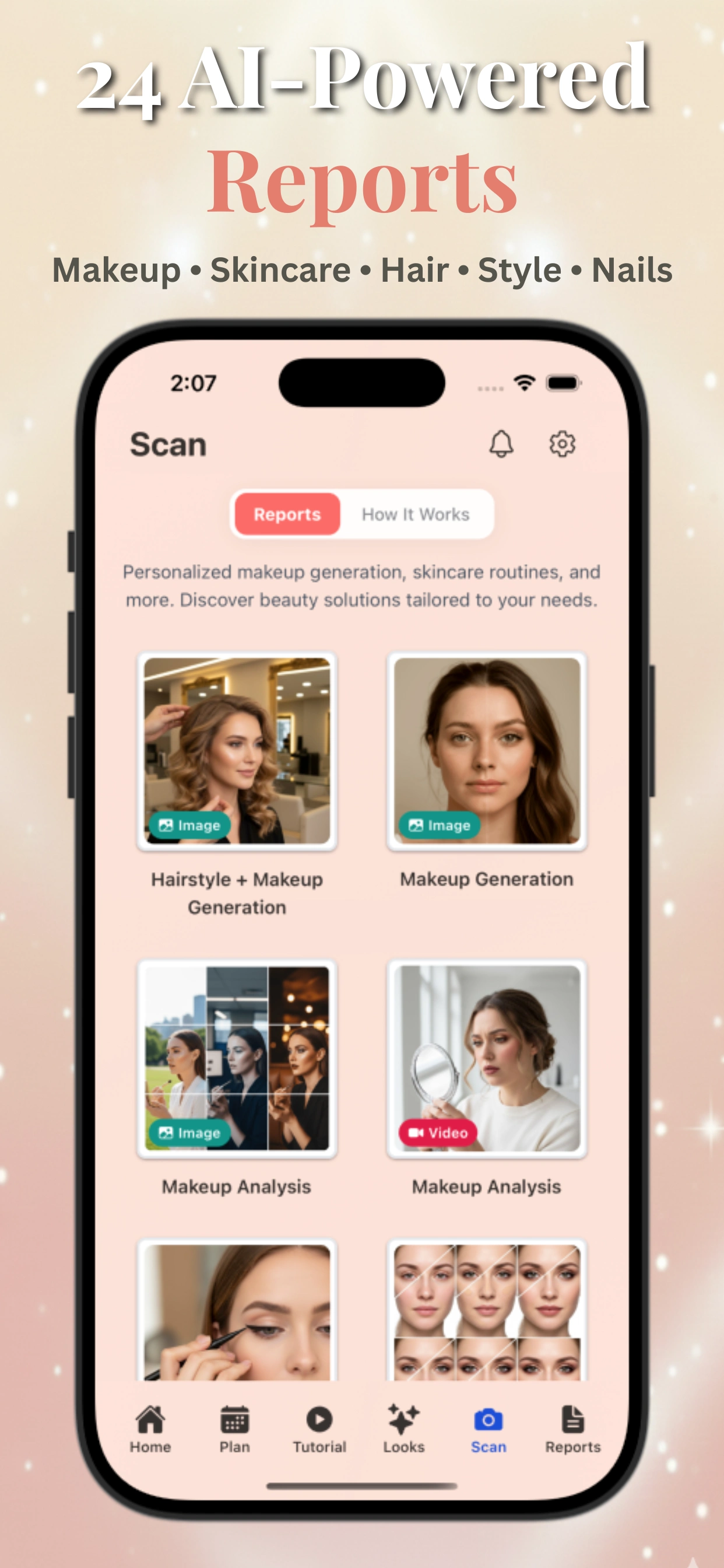
Sample report overview demonstration:
FAQ
- What are transparent makeup AI metrics?
They are clear, measurable standards such as accuracy, fairness, and explainability that evaluate AI tools in beauty tech. - Why do brands need these metrics?
To build consumer trust, ensure regulatory compliance, and improve product performance with data-driven insights. - How do metrics address fairness?
By measuring disparate impact ratios and bias across skin tones, brands can audit and adjust their AI models. - What challenges exist?
Data bias, privacy concerns, and the lack of universal standards can complicate transparency efforts. - What does the future hold?
Expect real-time transparency dashboards, integrated fairness-aware ML tools, and sustainability metrics in beauty AI.