How Transparent Makeup AI Metrics Are Transforming the Beauty Industry
Discover how transparent makeup AI metrics are reshaping the beauty industry with ethical evaluations, compliance with regulations, and enhanced consumer trust.

Estimated reading time: 8 minutes
Key Takeaways
- Transparency Builds Trust: Open AI metrics foster consumer confidence and ethical use in beauty tech.
- Ingredient & Algorithm Disclosure: Sharing formulations, safety data, and scoring logic ensures accountability.
- Comprehensive AI Metrics: Safety, performance, artistry, and sustainability ratings enable informed choices.
- Regulatory Compliance: Clear reporting aligns with frameworks like the EU AI Act.
- Innovation & Fairness: Bias checks, drift detection, and real-time dashboards drive ongoing improvement.
Table of Contents
- Introduction
- Understanding Transparent Makeup
- Introduction to AI Metrics
- The Intersection of Transparent Makeup and AI Metrics
- Benefits and Challenges
- Future Trends in Transparent Makeup AI Metrics
- Conclusion
- FAQ
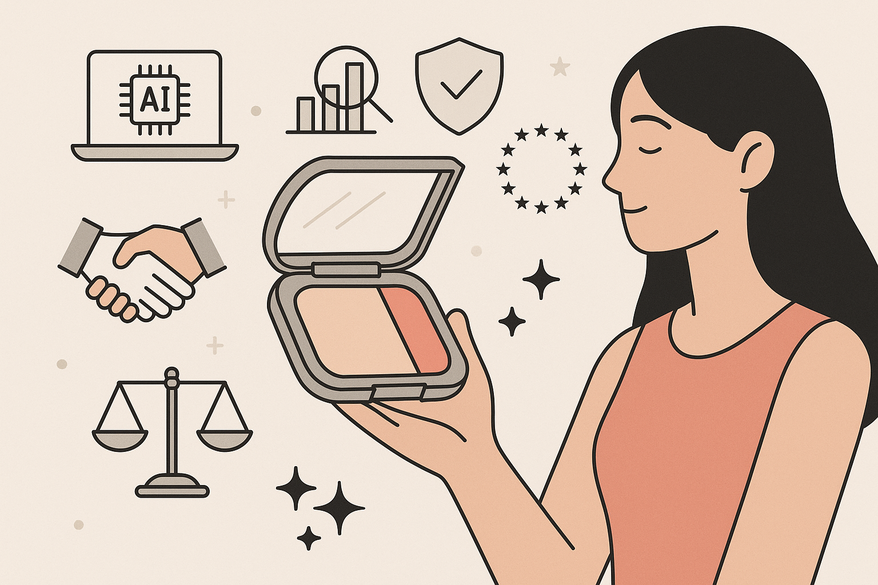
Transparent makeup AI metrics refer to open, accountable performance measures in AI systems that analyze and score makeup applications, fostering trust through clarity in data, algorithms, and outcomes. These metrics matter because they help build consumer confidence, support ethical AI use in beauty tech, and ensure compliance with regulations like the EU AI Act. By revealing how AI evaluates safety, performance, and artistry, brands and consumers can see exactly why a product earns a given score.
Section 1: Understanding Transparent Makeup
At its core, transparent makeup means brands share full information on every ingredient and its impact on people and the planet. Key elements include:
- Ingredient Transparency: Publishing complete formulations, safety data, and sourcing details.
- Ethical Sourcing: Clear statements on cruelty-free practices and sustainable harvesting.
- Environmental Impact: Metrics on carbon footprint, water usage, and recyclability.
In an AI context, transparency extends to:
- Data Sources: Origins of face images and ingredient lists.
- Decision Logic: Step-by-step breakdown of the scoring algorithm.
- Bias-Checking Procedures: Tests ensuring fairness across skin tones and age groups.
By making these elements public, brands demonstrate reproducibility, reveal potential biases, and maintain compliance with regulations worldwide.
Section 2: Introduction to AI Metrics
AI metrics are quantifiable indicators that show how well a model performs. Common measures include:
- Accuracy: Overall correctness of predictions.
- Precision: Minimizing false positives.
- Recall: Minimizing false negatives.
- F1 Score: Balance between precision and recall.
- Fairness Score: Even performance across demographic groups.
- Explainability Rating: Clarity of decision logic.
In beauty tech, the AI Makeup Score uses over 100,000 images to evaluate:
- Safety: Allergen risk from ingredients.
- Performance: Wear-time and blendability tests.
- Artistry: Symmetry and color balance analysis.
- Sustainability: Environmental impact indexing.
Typical workflows include facial detection, feature extraction, deep learning, and model evaluation. For example, Makeup Check AI achieved a 92% F1 score on blendability detection, matching expert ratings 92 times out of 100.
Section 3: The Intersection of Transparent Makeup and AI Metrics
When brands combine ingredient openness with AI performance data, they share details at every stage:
- Upstream Metrics: Image resolution, labeling accuracy, and provenance tracking.
- Model Metrics: Hyperparameters, validation results, and loss curves.
- Downstream Metrics: Drift detection, user feedback loops, and update logs.
Case Study – Makeup Check AI
- Ingredient Safety Checks: Cross-referenced 2,000 ingredients with a global toxicity database.
- Blendability Score: Pixel-variance algorithm measures how evenly product layers merge.
- Symmetry Measurement: Mirror-alignment analysis flags asymmetrical application.
- Full Disclosure: Published training dataset (50% light, 30% medium, 20% dark skin tones) and model logic diagrams.
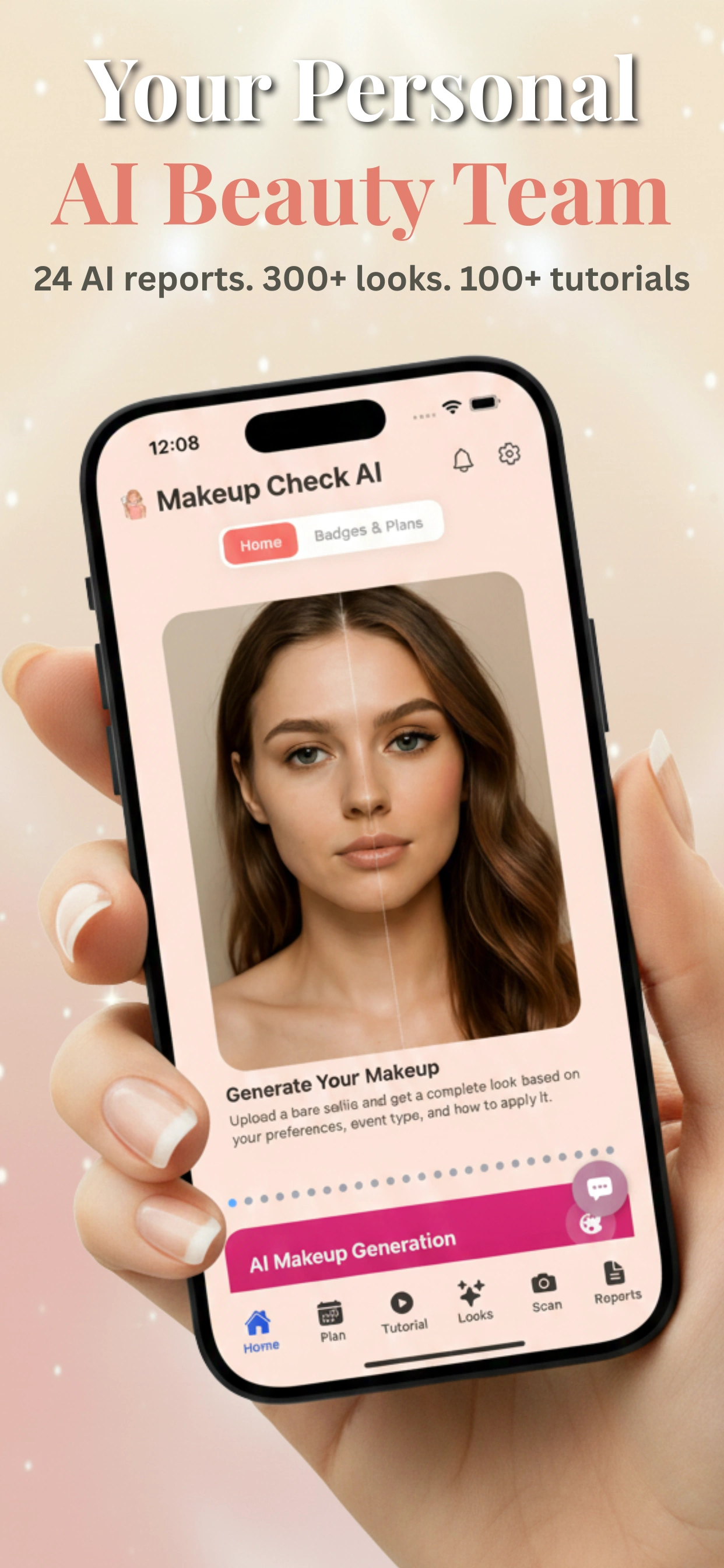
Section 4: Benefits and Challenges of Transparent Makeup AI Metrics
Consumers:
- Explainable scores on safety, harmony, and skin suitability.
- Fairness across all complexions, thanks to bias-checking.
- Personalized alerts for ingredients linked to allergies.
Brands:
- Data-driven R&D to refine formulas rapidly.
- Targeted marketing using demographic performance ratings.
- Audit toolkits like SHAP and LIME to explain feature importance.
Challenges:
- Opaque algorithms that obscure bias sources.
- Data privacy concerns under GDPR and CCPA.
- Underrepresented skin types skewing results.
- Balancing IP protection with open reporting.
Section 5: Future Trends in Transparent Makeup AI Metrics
Next-gen transparency will feature:
- Enhanced fairness algorithms embedded directly in model architectures.
- Real-time dashboards that explain every score.
- Dynamic consent protocols for image and data use.
Emerging innovations include AR virtual try-ons with instant metric feedback, multispectral skin analysis, and live sustainability indexing. By 2025, expect open-dashboard ecosystems, continuous learning from user feedback, and blockchain-enabled traceability for ingredients and AI decisions.
Conclusion: Transparent makeup AI metrics marry openness in AI processes with rigorous makeup evaluation, driving trust, fairness, and innovation in the beauty industry. By sharing data quality, algorithm logic, and performance scores, brands build credibility and consumers make safer, more informed choices. Embrace open dashboards, routine audits, and ethical AI guidelines to shape a transparent, tech-driven cosmetics future.
FAQ
- What are transparent makeup AI metrics?
A set of open performance measures that reveal how AI systems analyze and score cosmetic applications. - Why do they matter?
They build consumer trust, ensure ethical AI, and maintain regulatory compliance across global markets. - How can brands implement them?
By publishing ingredient data, algorithm logic, bias-check results, and continuous drift monitoring. - Where can I learn more?
Visit the Makeup Check AI blog for in-depth articles on AI makeup scoring and transparency.