Transparent Makeup AI Metrics: Fairness, Explainability, and Performance
Explore transparent makeup AI metrics for fairness, explainability, and performance to build consumer trust and ensure regulatory compliance in beauty tech.

6 min read
Key Takeaways
- Quantitative Transparency: Transparent AI metrics provide auditable data on how beauty tech models make decisions.
- Fairness & Safety: Metrics like disparate‐impact ratios and allergen flags ensure bias mitigation across skin tones and protect consumer health.
- Explainability: Techniques such as SHAP and LIME attribution scores reveal why a shade match or ingredient alert occurred.
- Regulatory Alignment: Publicly sharing performance, fairness, and safety KPIs builds trust and meets emerging AI regulations.
- Future Innovations: Blockchain‐backed supply chains and advanced NLP will deepen transparency and consumer engagement.
Table of Contents
- Introduction to Transparent Makeup AI Metrics
- 1. Defining Transparent AI Key Terms
- 2. The Role of Transparency in Makeup AI
- 3. Key AI Metrics Used in the Makeup Industry
- 4. Implications for Developers and Consumers
- 5. Case Study: Practical Examples of Transparency
- 6. Future Trends and Innovations in Transparent Makeup AI Metrics
- Conclusion: Embracing Transparent Makeup AI Metrics
- FAQ
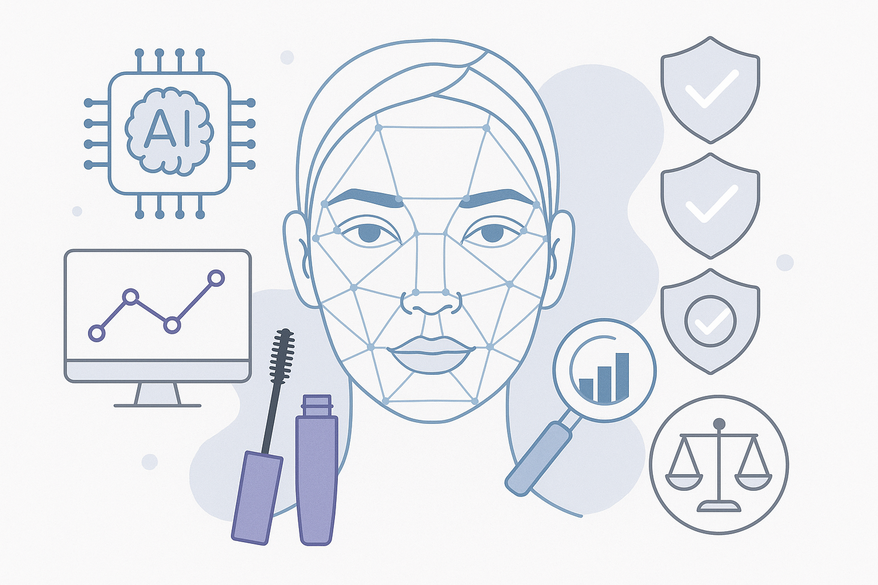
Transparent makeup AI metrics are quantitative scores evaluating clarity, fairness, safety, and performance of cosmetic‐focused AI. They turn vague marketing claims into auditable data that consumers and regulators can trust. In beauty tech, transparency in AI metrics is essential to build consumer trust, ensure fairness across skin tones, and meet regulatory standards.
In this post, we will:
- Define key terms and concepts
- Explore the role of transparency in makeup AI
- List core and makeup‐specific AI metrics
- Examine implications for developers and consumers
- Review case studies and practical examples
- Outline future trends and innovations
- Conclude with actionable takeaways
1. Defining Transparent AI Key Terms
In AI, transparent means full disclosure of decision logic, data sources, and performance indicators. Tools like SHAP and LIME attribution, model cards, and real-time dashboards make algorithms auditable.
“Makeup” in AI covers virtual try-on, shade-matching via computer vision, ingredient analysis, skin assessment for product recommendations, and supply‐chain verification.
“AI metrics” are quantitative indicators that assess:
- Accuracy, precision, recall, F1‐score for performance
- Fairness via disparate‐impact ratios
- Explainability via SHAP/LIME scores
- Safety via allergen flags
- Sentiment via NLP on user reviews
These definitions set the stage for data-driven clarity in beauty tech.
2. The Role of Transparency in Makeup AI
Transparency fosters trust by revealing how AI evaluates makeup. Brands can share fairness ratios across skin‐tone cohorts and explainability logs that list decision factors. Clear metrics show why a foundation shade matches or why an ingredient is flagged as an allergen.
Key benefits of transparency:
- Safety verification rates for allergen and irritant checks
- Inclusive experiences by minimizing bias across demographics
- Regulatory alignment (for example, EU AI Act requirements)
- Stronger brand credibility through data‐backed claims
By making metrics public, brands build stronger consumer relationships and meet ethical standards.
3. Key AI Metrics Used in the Makeup Industry
Core Performance Metrics
- Accuracy: (True Positives + True Negatives) / Total cases; measures correct shade matches and ingredient classifications.
- Precision: True Positives / (True Positives + False Positives); gauges correctness of positive predictions.
- Recall: True Positives / (True Positives + False Negatives); measures ability to catch all relevant items.
- F1‐score: Harmonic mean of precision and recall; balances both for robust evaluation.
Makeup-Specific Metrics
- Color-Matching Accuracy: ΔE color drift measured via computer vision.
- User Engagement Rate: Click-through and session duration for virtual try-ons.
- Fairness Ratios: Error gaps across skin tones, ages, genders.
- Explainability Scores: Average SHAP/LIME attribution strengths.
- Safety Scores: Proportion of allergen-free ingredient predictions using INCI‐based models.
- Sentiment Index: Ratio of positive to negative user reviews via NLP.
Measurement methods include lab imagery under controlled lighting for color metrics and user selfies in varied conditions for real-world tests. Ingredient databases and blockchain help prove supply-chain integrity, while public reviews feed sentiment dashboards.
4. Implications for Developers and Consumers
For Developers:
- Monitor performance drift with transparent AI metrics and retrain models as needed.
- Audit bias using disparate-impact ratios and refine shade-matching with SHAP/LIME insights.
- Maintain real-time dashboards to track fairness, accuracy, and safety KPIs.
For Consumers:
- Access dashboards showing coverage uniformity, allergen flags, and ethical sourcing.
- Make informed choices: verify waterproof claims, demand bias-free tools for self‐confidence and skin health.
Ethical & regulatory considerations ensure transparency mitigates bias and greenwashing, aligning with best practices seen in ethical makeup app practices and principles from trust in beauty tech transparency.
5. Case Study: Practical Examples of Transparency
Case Study 1: AI-Driven Cosmetic Performance Metrics
Brands using transparent metrics, similar to those described in AI-driven cosmetic metrics, integrate color accuracy, fairness ratios, safety flags, and ingredient provenance into consumer-facing reports.
- Scenario: Computer vision evaluation measures coverage uniformity and oxidation rates under varied lighting.
- Outcome: SHAP visualizations explain AI recommendations, reducing return rates by 15%.
- Challenges: Model drift addressed with continuous audits and anonymized selfie pipelines protect privacy.
6. Future Trends and Innovations in Transparent Makeup AI Metrics
Emerging Trends:
- Blockchain-backed supply-chain transparency tied to AI metrics for ingredient authenticity.
- Advanced NLP for real-time sentiment analysis feeding engagement forecasting dashboards.
Innovations:
- Next-gen SHAP/LIME enhancements for deeper explainability and group-fairness enforcement.
- Computer vision advances for personalized virtual try-on with sustainability scoring.
Impact:
- Brands can prove ethical sourcing and performance at every step.
- Consumers enjoy clear, complete, and trustworthy beauty recommendations.
Conclusion: Embracing Transparent Makeup AI Metrics
Transparent makeup AI metrics drive accuracy, fairness, explainability, and safety in beauty tech. They build consumer trust, ensure regulatory compliance, and spark innovation.
Actionable Takeaways:
- Adopt transparency dashboards for real-time metric tracking.
- Audit AI metrics regularly to detect bias and performance drift.
- Educate consumers on metric interpretation for informed choices.
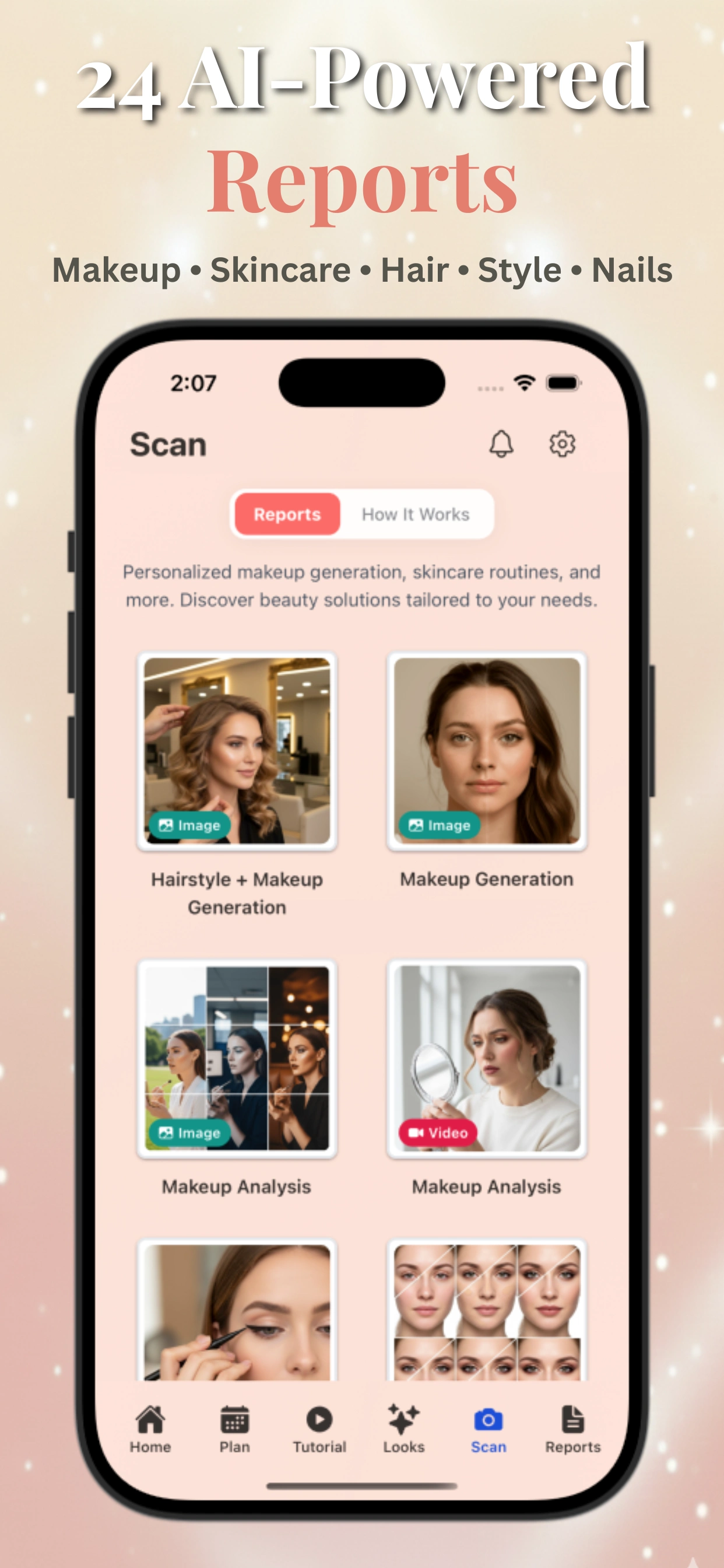
Tools like Makeup Check AI apply transparent metrics to convert complex algorithmic evaluations into clear, actionable insights, showcasing fairness ratios and safety flags without opacity.
FAQ
- What are transparent makeup AI metrics?
They are quantitative indicators that evaluate clarity, fairness, explainability, safety, and performance of cosmetic‐focused AI applications. - Why is fairness across skin tones important?
Fairness metrics ensure shade-matching and recommendations work equitably for all demographics, minimizing bias and promoting inclusivity. - How do SHAP and LIME improve explainability?
They assign attribution scores to input features, revealing which factors influenced an AI decision—essential for building trust. - How can consumers access these metrics?
Many brands publish real-time dashboards or detailed reports, allowing users to verify safety flags, bias ratios, and performance scores before purchasing.