Transparent Makeup AI Metrics: Ensuring Honest and Quality Beauty
Explore how transparent makeup AI metrics enhance honesty and quality in beauty, ensuring accurate, fair, and safe product evaluations.

Estimated reading time: 6 minutes
Key Takeaways
- AI metrics quantify makeup transparency by measuring accuracy, fairness, explainability, and safety.
- Brands leverage these scores to verify ingredient authenticity and ethical sourcing.
- Consumers gain trust through data-driven transparency reports and precise shade matching.
- Real-time bias audits and safety flags reduce returns and support inclusivity.
- Future trends include blockchain verification and live transparency dashboards.
Table of Contents
- Understanding Transparent Makeup
- AI Metrics: An Overview
- Intersection of Transparent Makeup and AI Metrics
- Benefits of AI Metrics
- Future of Transparent Makeup AI Metrics
- Conclusion
- FAQ
Section 1: Understanding Transparent Makeup
Understanding the ingredients and processes behind your favorite lipstick.
Transparent makeup means clear, honest product details from formula to finish. Brands share:
- Full INCI Ingredient Lists – Every chemical and natural extract is named.
- Ethical Sourcing and Provenance – Where ingredients come from and how they were harvested.
- Allergen Highlighting – Clear flags for nuts, gluten, and other triggers.
- Verified Performance Claims – Proof for waterproof makeup, long-wear lipstick, and more.
- Sustainability Practices – Carbon-footprint reports and eco-friendly packaging data.
Consumers want accountability. They seek safer options for sensitive skin and trust data-driven claims over buzzwords. Demand for product transparency has grown with social media and conscious shopping. When brands post their supply-chain maps and allergen stats, customers feel secure (Ethical Makeup App Practices).
Section 2: AI Metrics: An Overview
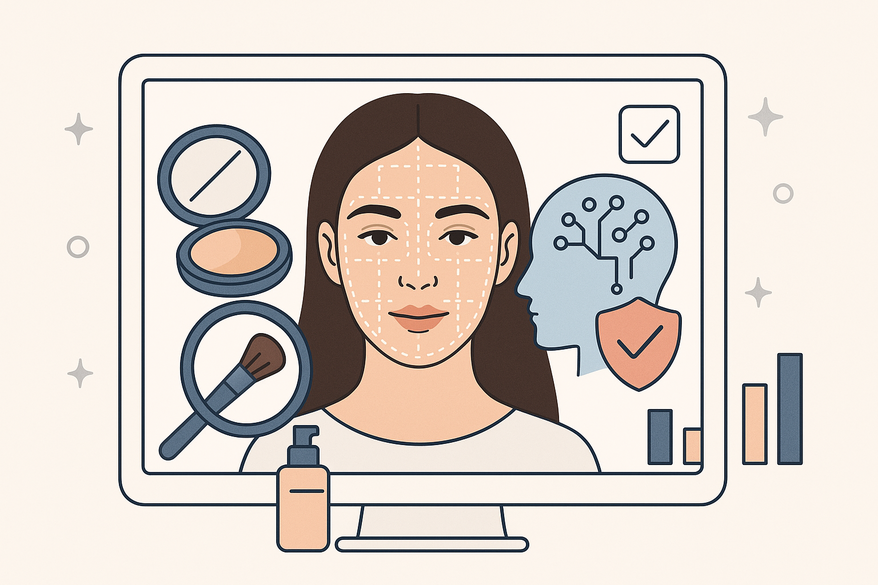
AI metrics in beauty are scores that measure how well algorithms work and how safe or fair products are. Key metrics include accuracy (shade detection), fairness ratios (performance across skin tones), explainability scores, and safety scores drawn from regulatory databases. Data pipelines—computer vision, NLP, real-time dashboards—turn raw data into easy-to-read charts for bias detection and compliance checks.
These beauty industry AI tools turn raw data into actionable insights. Brands use them to spot bias or catch missing warnings before launch.
Section 3: Intersection of Transparent Makeup and AI Metrics
AI metrics enforce product transparency at every step. Here’s how they connect:
- INCI Ingredient Lists
– NLP reads and standardizes ingredient names.
– Ingredient authenticity scoring flags allergens and toxins.
– Safety flags come from linked regulatory databases. - Production Processes
– Blockchain-secured supply-chain indices track origin and fair labor.
– Ethical sourcing scores rate eco-friendly farming. - Consumer Feedback
– Sentiment indices analyze reviews for praise or complaints.
– Return-rate metrics highlight fit or shade mismatches.
– Fairness ratios compare selfie analyses across diverse skin tones.
Section 4: Benefits of AI Metrics
Manufacturer Advantages
- Improved Quality Control – Real-time defect detection in formula or packaging.
- Faster Product Launches – Data-driven R&D cuts trial cycles early.
- Bias Reduction – Fairness audits ensure shade ranges serve all.
- Regulatory Alignment – Automated compliance checks prevent recalls.
- Innovation Insights – Ingredient and performance scores inspire new formulas.
Consumer Gains
- Increased Trust – Public transparency reports show honesty in every claim.
- Precise Shade Matching – AI-driven finders reduce returns and waste.
- Informed Safety & Ethics Decisions – View allergen flags and sustainability ratings.
- Personalized Recommendations – Tailored product suggestions based on real data.
Section 5: Future of Transparent Makeup AI Metrics
- AI-Powered Transparency Dashboards – Real-time fairness and safety monitoring.
- Blockchain Supply-Chain Verification – Immutable records from farm to factory.
- Neural Networks for Trend Prediction – Forecast popular shades from social data.
- Consumer-Accessible Scorecards – Standardized metrics across all brands.
As AI beauty standards evolve, brands and regulators will align on metrics that guarantee honesty and safety. Consumers will gain clearer, standardized reports that make shopping simple and secure.
Conclusion
Transparent makeup AI metrics distill ingredient clarity, ethical sourcing, fairness, safety, and performance into actionable scores. AI-driven verification transforms beauty marketing into provable data that consumers can trust. By prioritizing products with published metrics, you empower yourself to make safer, more ethical choices. Demand full transparency from brands, and watch as AI reshapes beauty standards for everyone.
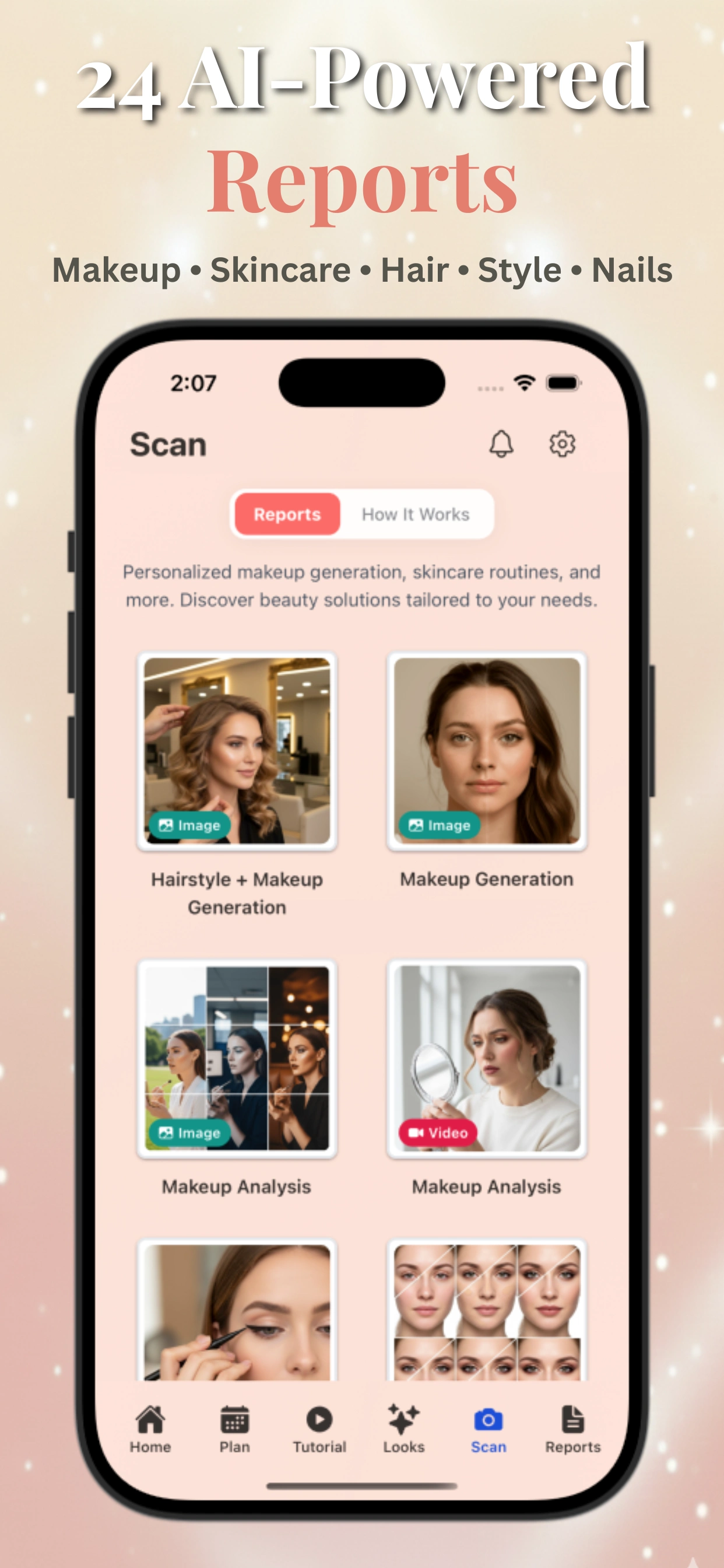
Lightly powered by Makeup Check AI, you can preview your own transparency report instantly.
FAQ
What are transparent makeup AI metrics?
Transparent makeup AI metrics are data-driven scores—accuracy, fairness, explainability, safety—that evaluate the trustworthiness and performance of beauty products and algorithms.
How do brands use these AI metrics?
Brands integrate these metrics into their R&D and quality-control processes to standardize ingredient lists, audit for bias, verify safety claims, and ensure regulatory compliance before launch.
Are AI transparency reports accessible to consumers?
Yes. Many platforms, like Makeup Check AI, offer consumer-accessible dashboards and scorecards so you can review transparency reports in seconds.